
Dubrovnik may be Croatia’s most famous destination, but its popularity has come at a cost. Crowded streets, cruise ship traffic, and rising prices have transformed what was once a magical medieval city into a carefully managed tourist machine. Meanwhile, across Croatia, dozens of towns remain breathtakingly beautiful without the chaos, offering deeper authenticity, calmer atmospheres, and equally jaw-dropping scenery. These places deliver the same Adriatic magic, and often more, without the pressure.
From stone-built islands and ancient hill towns to seaside villages where locals still outnumber visitors, Croatia’s true beauty often lies beyond Dubrovnik’s walls. These towns preserve history without spectacle, beauty without crowds, and charm without overexposure. If you’re looking for places that feel more intimate, more cinematic, and more real, these Croatian towns may leave an even stronger impression than Dubrovnik ever did.
Rovinj

Rovinj rises from the Adriatic like a painted dream, with pastel houses stacked tightly along winding stone streets. Its old town sits on a narrow peninsula, crowned by a hilltop church whose bell tower dominates the skyline. The architecture feels organic rather than monumental, shaped by centuries of Venetian influence and maritime life. Every angle offers a postcard view without the overwhelming scale of Dubrovnik’s walls.
Life in Rovinj moves at a gentler rhythm. Locals still fish from small boats, laundry hangs from windows, and evenings revolve around slow dinners along the waterfront. The town feels lived-in rather than staged. Even in peak season, there’s room to breathe.
What makes Rovinj more stunning than Dubrovnik is intimacy. You experience beauty at eye level rather than from behind crowds. The town invites wandering without pressure. Rovinj doesn’t demand attention, it earns it quietly.
Korčula

Korčula feels like a perfectly scaled medieval city, offering everything Dubrovnik has but in a calmer, more balanced form. Stone walls encircle a compact old town designed in a fishbone pattern to regulate wind and sunlight. Gothic and Renaissance buildings line narrow streets polished smooth by centuries of footsteps. The town feels elegant rather than imposing.
Daily life here blends history with island simplicity. Locals gather in small squares, children play near ancient towers, and cafes spill into alleyways. Tourism exists, but it doesn’t dominate. The town remains deeply functional.
Korčula’s beauty lies in proportion. Nothing feels oversized or overcrowded. You can absorb its details without distraction. It delivers medieval grandeur without exhaustion.
Trogir

Trogir is a living museum set on a tiny island, where Romanesque, Gothic, and Renaissance architecture coexist seamlessly. Its stone streets feel timeless, shaped by layers of history rather than tourist demand. The cathedral, fortresses, and palaces create a dense concentration of beauty. Everything feels deliberate.
Unlike Dubrovnik, Trogir remains closely tied to everyday life. Boats dock beside ancient walls, locals shop in the old town, and evenings feel communal rather than theatrical. The town never feels closed off or exclusive. It breathes.
Trogir’s strength is authenticity. It doesn’t feel preserved, it feels continued. Beauty here is part of routine. That’s what makes it quietly superior.
Hvar (Old Town)

Hvar’s old town blends Mediterranean glamour with deep historical roots. Venetian-era buildings frame a harbor filled with yachts, yet stone alleys quickly pull you into quieter corners. The town balances elegance with warmth. It feels layered rather than flashy.
Despite its reputation, Hvar offers moments of remarkable calm. Early mornings and evenings reveal a slower side of the town, where locals reclaim public spaces. History is never far away. Fortresses and monasteries remind visitors of Hvar’s long past.
What makes Hvar more stunning than Dubrovnik is contrast. You move effortlessly between lively waterfront energy and serene medieval streets. The experience feels dynamic rather than static. Beauty here adapts with the hour.
Motovun
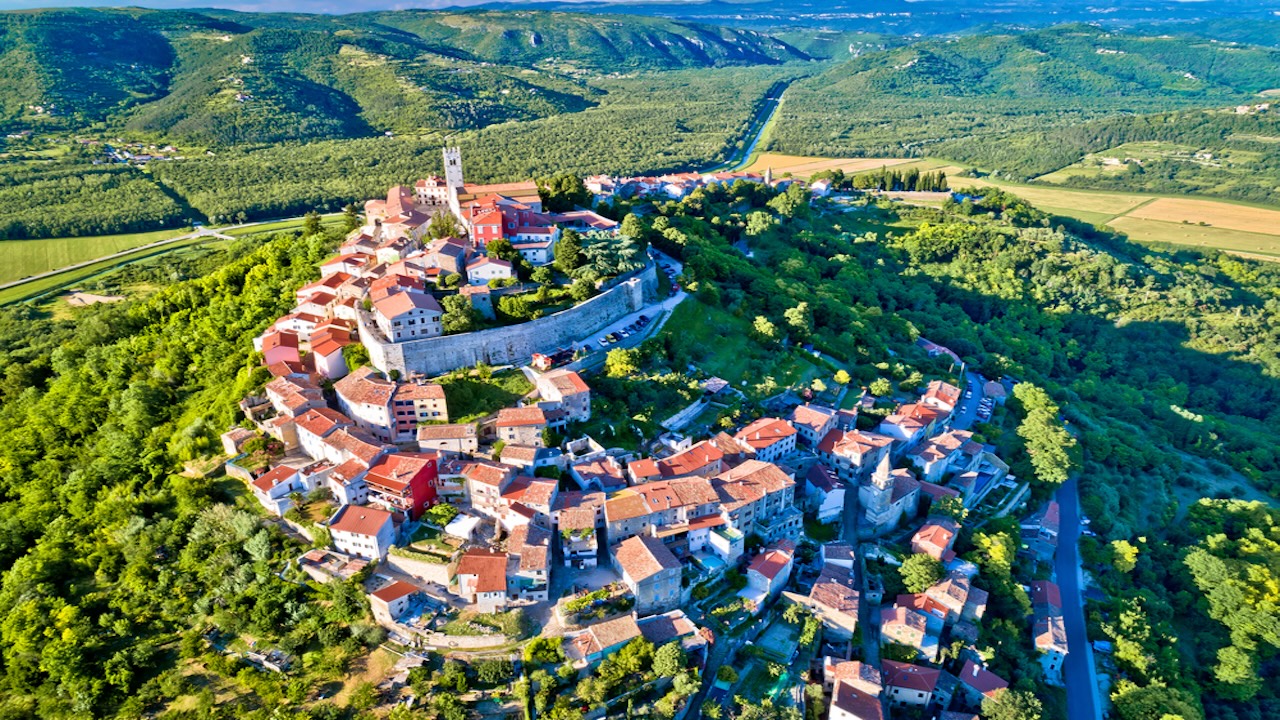
Motovun rises dramatically above the Istrian countryside, surrounded by rolling hills and forests famous for truffles. Its medieval walls remain intact, offering panoramic views rather than sea vistas. Stone houses and narrow streets cling tightly to the hilltop. The setting feels almost surreal.
Life here is quiet and deliberate. The town moves with seasons, not schedules. Locals maintain traditions that feel untouched by mass tourism. Silence becomes part of the charm.
Motovun’s beauty lies in isolation. Unlike Dubrovnik’s constant motion, this town feels suspended. The absence of crowds enhances every detail. It’s a different kind of stunning, introspective and timeless.
Šibenik

Šibenik feels rawer and more authentic than Dubrovnik, with a historic core that hasn’t been overly polished. Its UNESCO-listed cathedral rises organically from the stone streets, blending seamlessly into the town. Fortresses overlook the sea, offering dramatic perspectives without ticket lines. The town feels proud, not performative.
Locals dominate daily life here. Cafes fill with conversation, markets bustle, and neighborhoods feel residential. Tourism supports rather than replaces local culture. The city remains grounded.
Šibenik’s beauty comes from honesty. It doesn’t hide imperfections. The result is a town that feels real, textured, and deeply Croatian. It rewards attention rather than spectacle.
Vis (Town of Vis)
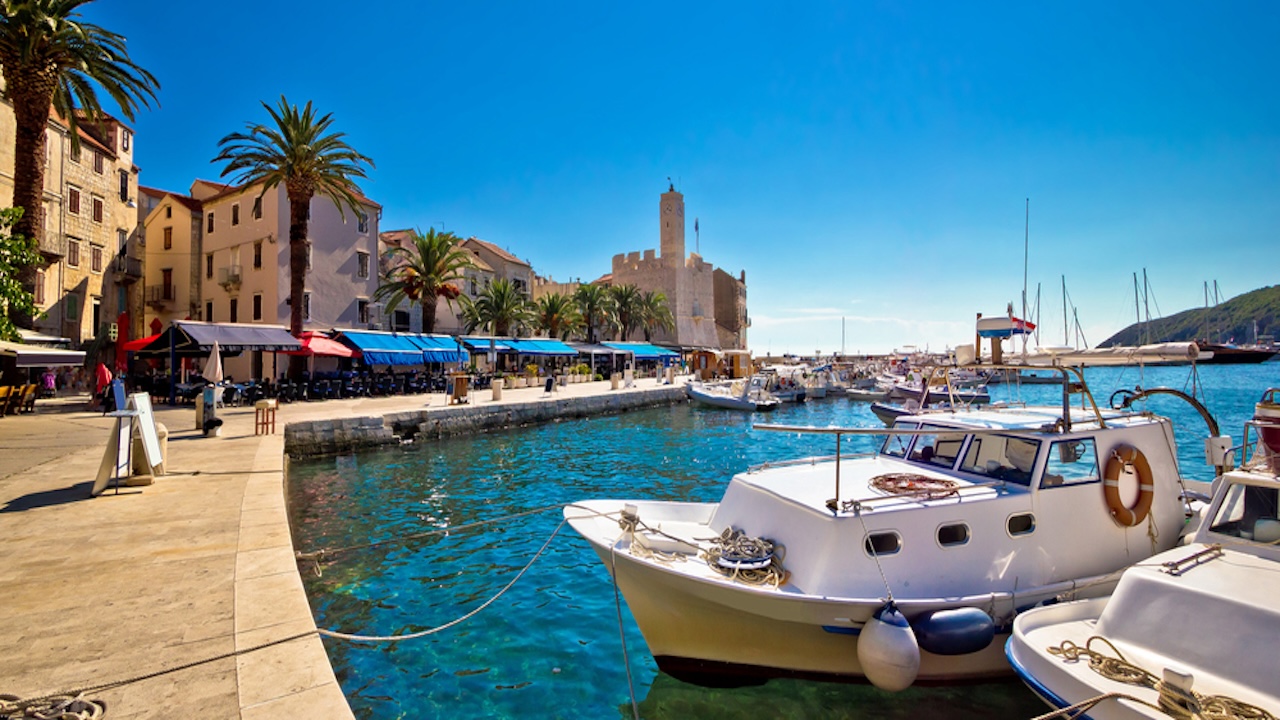
Vis spent decades closed to tourism, preserving its architecture and rhythm almost accidentally. Stone buildings line the waterfront, weathered but elegant. The town feels unchanged, shaped more by fishermen than developers. Authenticity defines every corner.
Life here feels slow and intentional. Days revolve around the sea, meals stretch long, and nights stay quiet. The absence of mass tourism is palpable. The town belongs to its residents.
Vis surpasses Dubrovnik through restraint. It offers beauty without performance. You’re not watching history — you’re living inside it. That intimacy is rare.
Cavtat

Cavtat sits just south of Dubrovnik but feels worlds away. Its waterfront promenade curves gently around a peninsula lined with stone houses and cypress trees. The town feels open and graceful. Beauty unfolds gradually.
Daily life here is calm and balanced. Locals swim from stone steps, cafés remain relaxed, and evenings feel social rather than frantic. Tourism exists but doesn’t overwhelm. The town retains its identity.
Cavtat proves that proximity doesn’t equal similarity. It offers Dubrovnik’s scenery without its pressure. The result is elegance without exhaustion. Beauty here feels effortless.
Ston
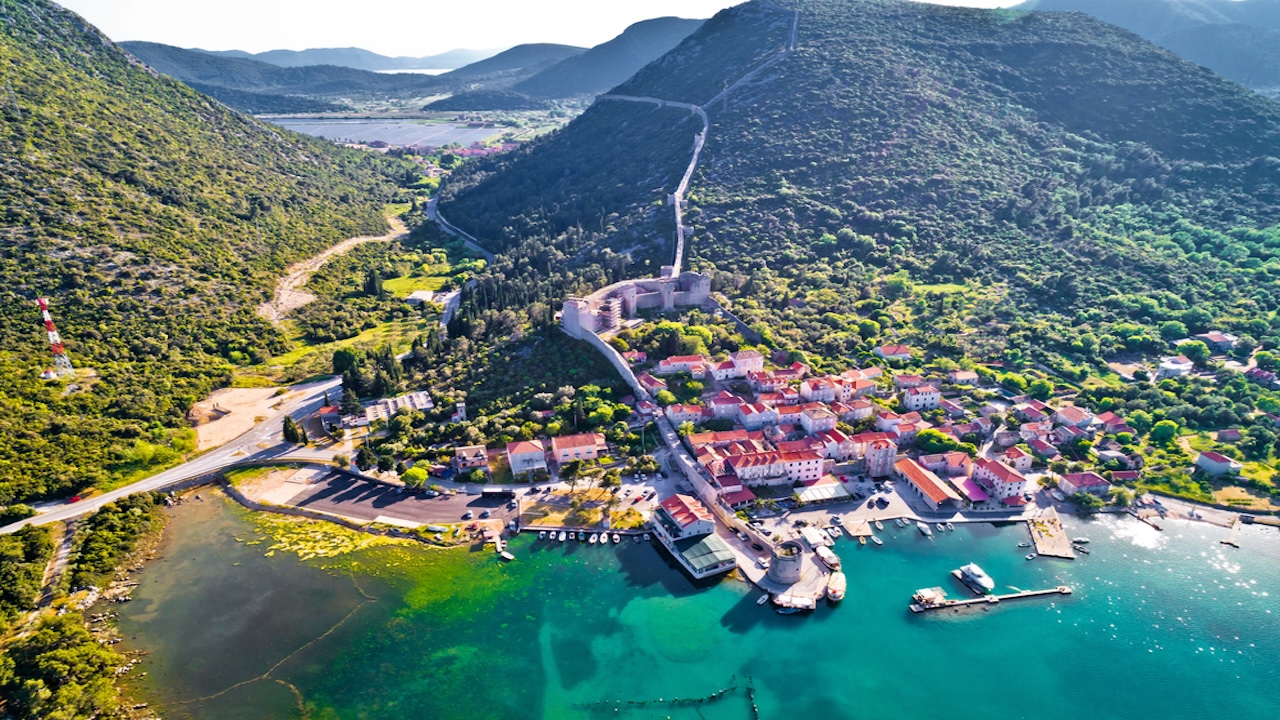
Ston’s massive stone walls stretch across hills and fields, rivaling Dubrovnik’s fortifications in scale. Yet the town itself remains quiet and understated. Medieval streets, salt pans, and simple houses define the experience. History feels embedded rather than advertised.
Life in Ston centers around tradition. Salt production continues as it has for centuries. The pace is slow and purposeful. Visitors are guests, not crowds.
Ston’s beauty comes from contrast. Monumental walls protect a humble town. It feels grounded and powerful at once. That balance makes it unforgettable.
Pag (Old Town of Pag)
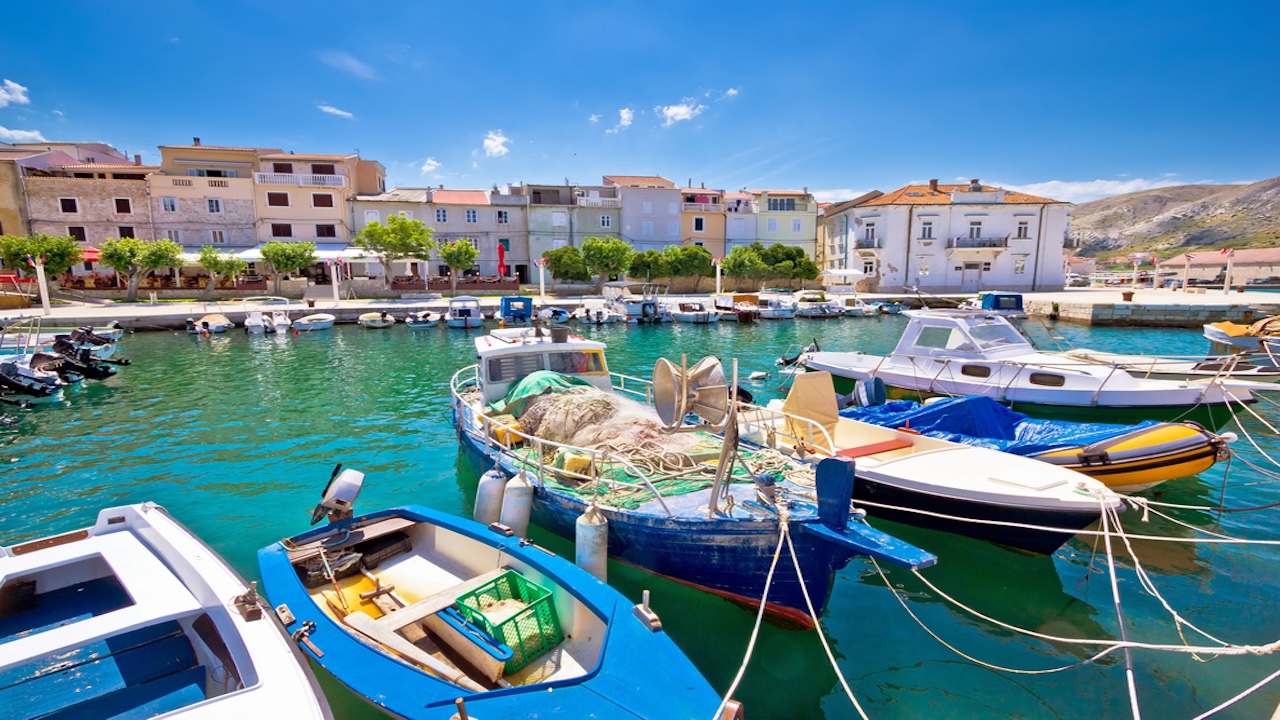
Pag’s old town surprises with its stark beauty and geometric design. Built in the Renaissance era, its streets feel wide, open, and rational. Stone buildings reflect harsh sunlight, creating a dramatic visual effect. The town feels bold and different.
Life here reflects the island’s rugged character. Wind, sea, and tradition shape daily routines. The town feels resilient rather than romanticized. Beauty here is earned.
Pag surpasses Dubrovnik by offering something unexpected. It doesn’t try to charm, it commands respect. Its uniqueness leaves a lasting impression. Sometimes stunning isn’t soft.