Travel incentives are no longer limited to airline miles and hotel points, as several countries around the world are now offering direct financial benefits to attract visitors. These programs are designed to boost tourism, revive rural areas, or attract long-term visitors such as remote workers, retirees, and entrepreneurs. Instead of simply marketing themselves, these destinations are putting real money on the table through grants, subsidies, and cash incentives. For travelers willing to meet specific criteria, visiting these countries can come with unexpected financial rewards.
Many of these initiatives focus on encouraging longer stays, off-season travel, or relocation to less-populated regions. Governments and local municipalities see visitors not just as tourists, but as contributors to local economies and communities. In return, they offer assistance with housing, transportation, and even direct cash payments. These programs prove that travel can sometimes pay you back, literally.
Below are eleven countries that offer real financial incentives to visitors, along with explanations of how these programs work and who qualifies. While requirements vary, each destination presents a unique opportunity to experience a new culture while receiving tangible financial benefits. For travelers seeking more than just sightseeing, these countries redefine what it means to travel smart.
Italy
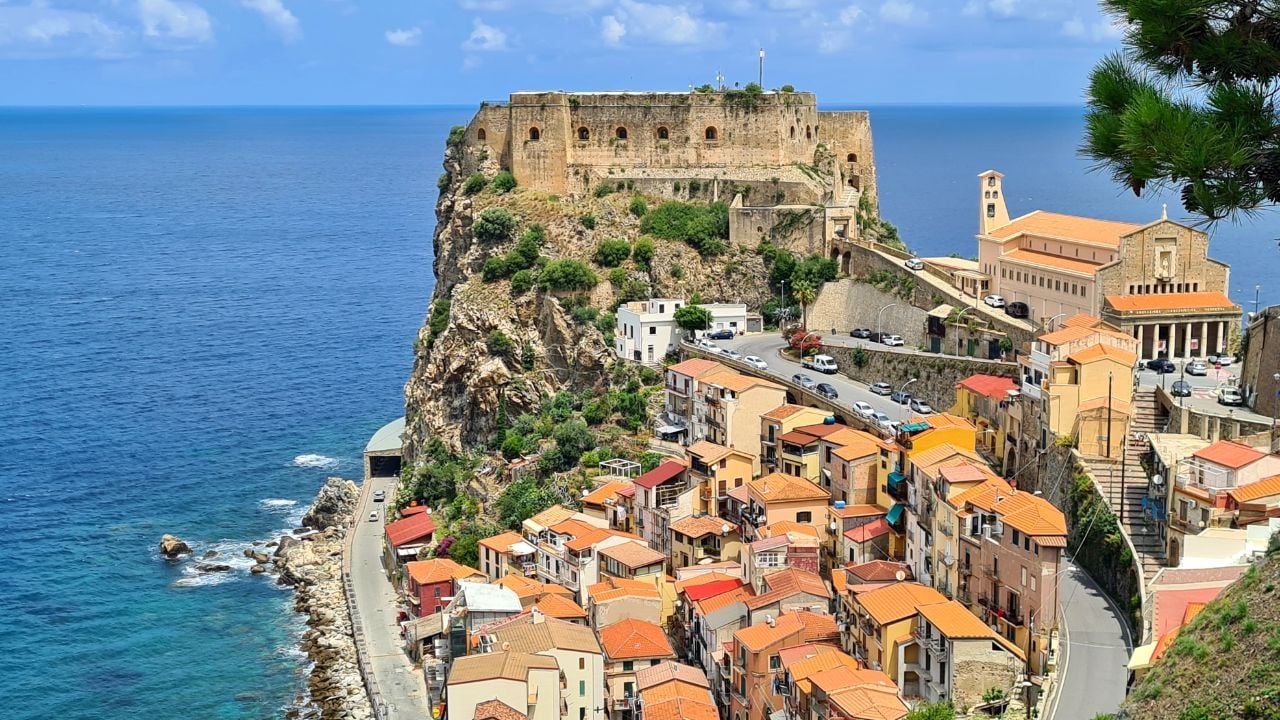
Italy has introduced several regional incentive programs aimed at revitalizing small towns facing population decline. These initiatives often offer cash grants to visitors willing to stay long-term, renovate properties, or work remotely from rural areas. Some regions cover part of accommodation costs, while others provide direct payments for relocation or extended stays. The goal is to bring life back to historic communities while sharing Italy’s culture beyond major tourist cities.
Many programs are run at the municipal level, meaning incentives vary by region. Participants may need to commit to living in a town for a certain period or investing in local property. In exchange, visitors receive financial assistance that significantly offsets living costs. These programs turn everyday Italian life into an affordable, immersive experience.
Beyond the financial aspect, Italy offers unmatched cultural depth, cuisine, and scenery. Living in a small Italian town allows visitors to experience traditions, community life, and slower rhythms rarely seen in tourist hotspots. When combined with financial incentives, Italy becomes not just a destination, but a lifestyle opportunity.
Japan

Japan has launched incentive programs encouraging visitors and relocators to settle in rural areas experiencing population decline. Some prefectures offer cash payments, housing subsidies, or relocation grants to foreign visitors willing to stay long-term. These programs aim to balance overcrowded cities by redirecting people toward smaller towns. Financial support often includes moving costs, rent assistance, and business startup funding.
Eligibility usually requires a commitment to live and work in designated regions for a set period. Remote workers, entrepreneurs, and cultural exchange participants often qualify. In return, visitors receive not only financial help but also community support and integration assistance. Japan views these programs as investments in long-term sustainability.
Living outside major cities reveals a quieter, deeply traditional side of Japan. Visitors experience local festivals, nature, and close-knit communities while maintaining a comfortable standard of living. Financial incentives make this immersive experience far more accessible than many expect.
Spain
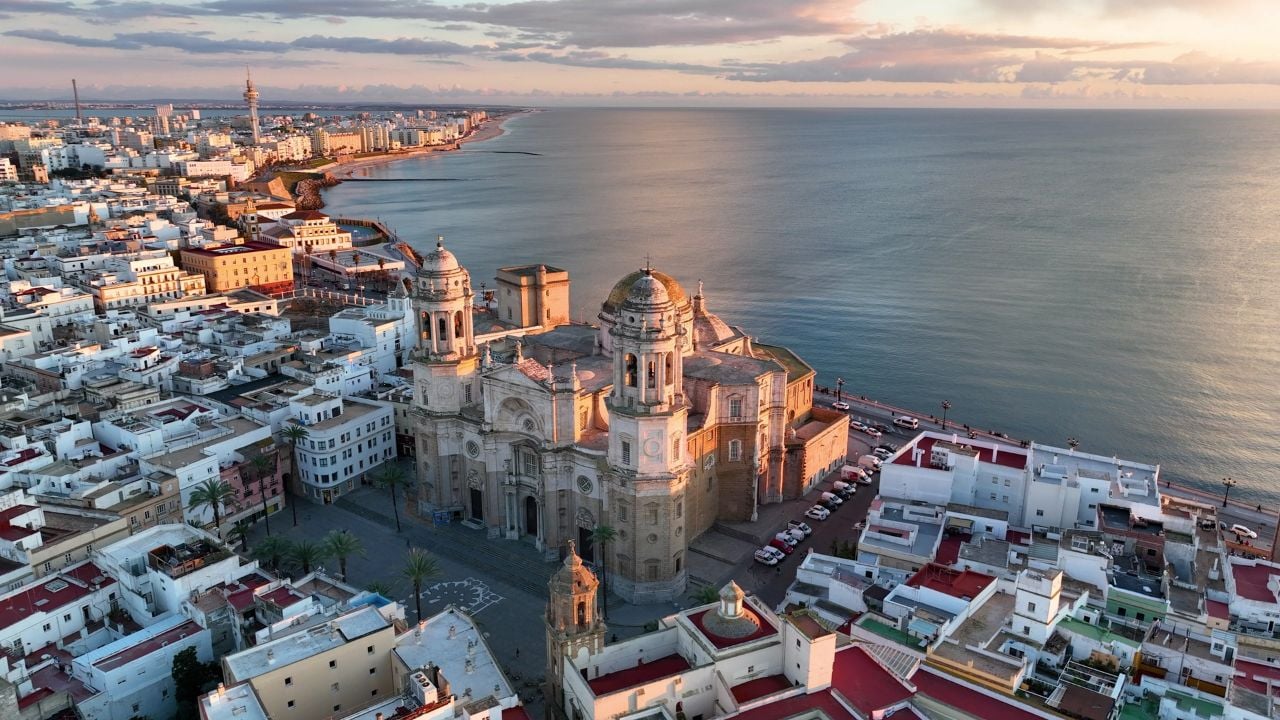
Spain offers financial incentives through regional programs designed to combat rural depopulation. Small towns provide cash grants, housing assistance, and tax benefits to attract long-term visitors and remote workers. Some municipalities pay families and individuals simply to move and contribute to local life. These incentives significantly reduce the cost of living.
Many programs focus on younger visitors, entrepreneurs, and digital nomads. Requirements often include registering as a resident and staying for a minimum duration. In return, participants enjoy financial stability and access to Spain’s public services. The cost of living in these areas is already low, making incentives even more impactful.
Spain’s lifestyle, climate, and cuisine enhance the appeal of these programs. Living in a rural Spanish town offers authenticity, slower living, and strong community ties. Financial incentives simply make the transition easier and more attractive.
Ireland

Ireland has introduced incentives encouraging people to live on its remote islands. These programs offer grants to help restore vacant homes and support long-term residency. Visitors willing to commit to island life can receive substantial financial assistance. The initiative aims to preserve communities and cultural heritage.
Participants must renovate properties and live on the island for a set period. Grants can cover significant portions of renovation costs. In return, residents help sustain island economies and traditions. The program transforms isolated locations into viable living options.
Island life in Ireland offers dramatic landscapes, tight-knit communities, and deep cultural roots. Financial incentives reduce barriers to entry while rewarding commitment. For adventurous travelers, Ireland’s islands offer both beauty and opportunity.
Greece
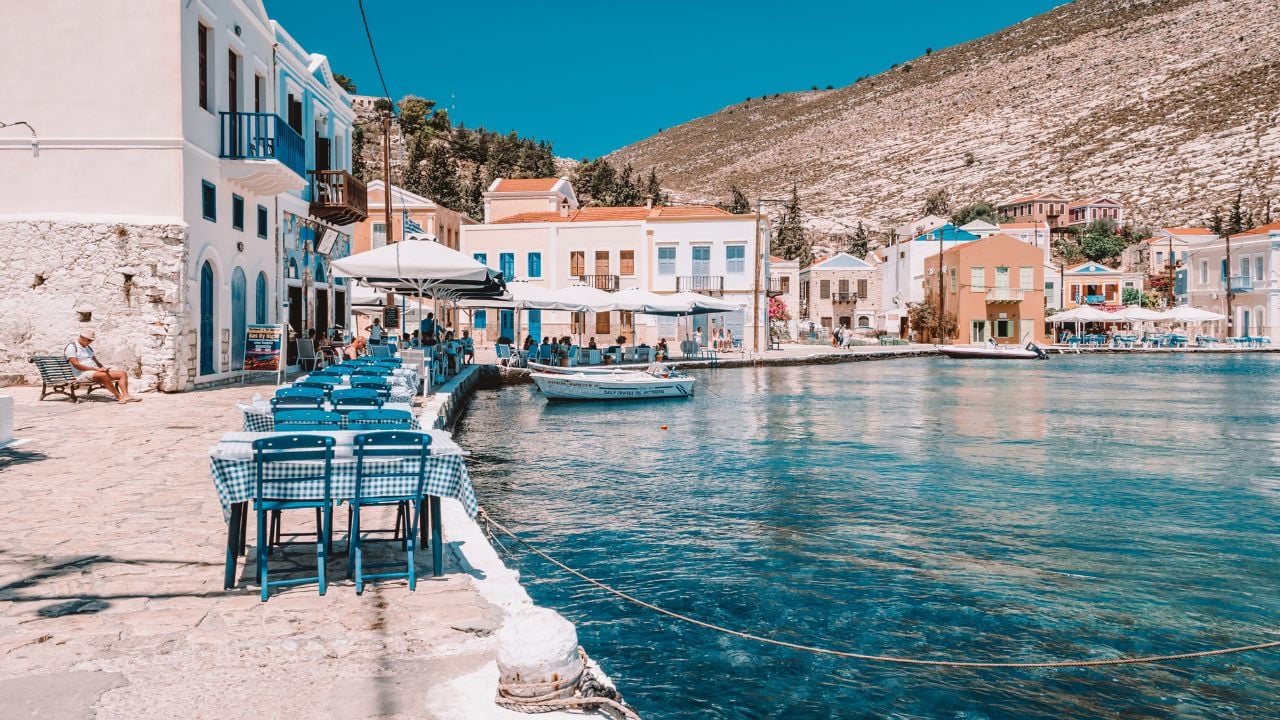
Greece provides financial incentives for relocation to remote islands struggling with population loss. These programs often include monthly stipends, housing assistance, and utility subsidies. The goal is to attract families, workers, and long-term visitors. Financial support can last several years.
Eligibility usually involves settling permanently or semi-permanently. Participants may need to work locally or contribute skills. In exchange, Greece offers a low-cost Mediterranean lifestyle. The incentives significantly reduce everyday expenses.
Life on a Greek island includes stunning scenery, fresh food, and relaxed living. Financial support makes this lifestyle attainable rather than aspirational. Greece turns relocation into a mutually beneficial exchange.
Portugal
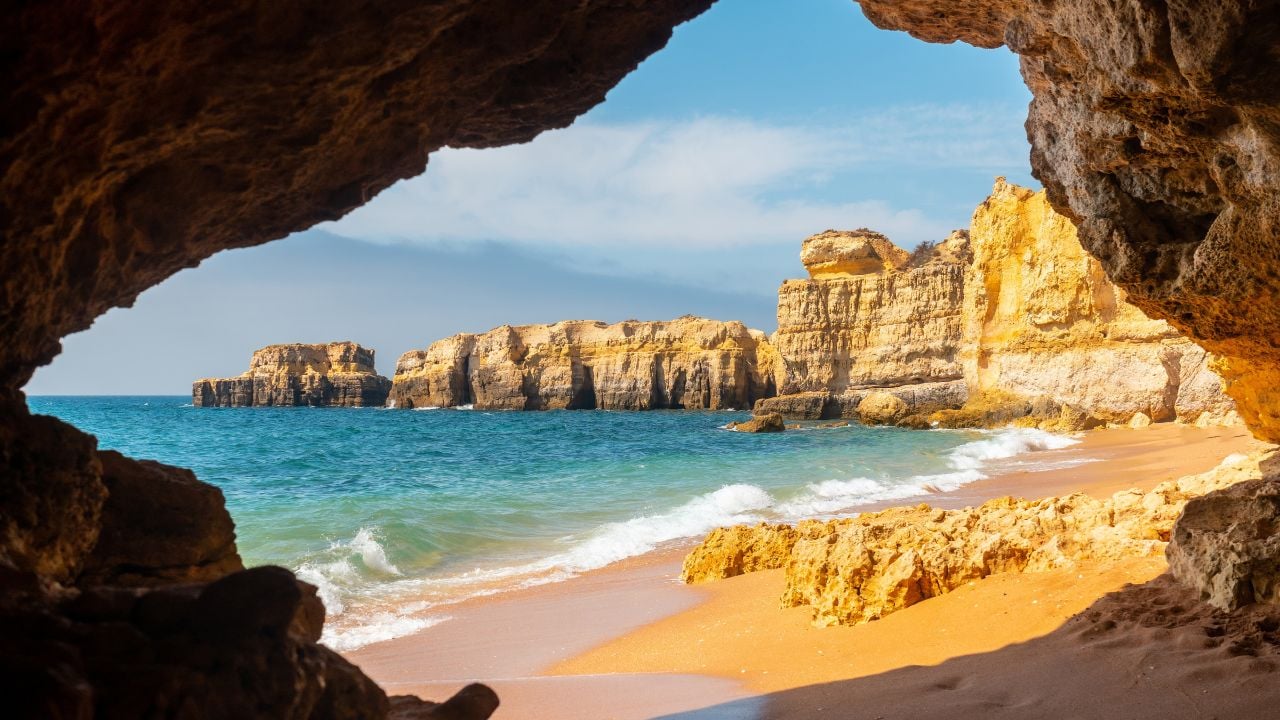
Portugal offers incentives through its digital nomad and interior revitalization programs. Visitors relocating to less-populated regions can receive tax benefits and housing assistance. These initiatives aim to distribute economic growth beyond major cities. Financial relief helps newcomers settle comfortably.
Programs often target remote workers and entrepreneurs. Requirements include proof of income and residency commitment. In return, participants enjoy reduced taxes and lower living costs. Portugal positions itself as a welcoming destination for global citizens.
The country’s safety, climate, and culture enhance the appeal. Financial incentives remove common barriers to relocation. Portugal combines lifestyle appeal with smart economic policy.
Croatia

Croatia’s incentives focus on attracting remote workers and long-term visitors. Programs include tax relief and extended residency options. While not always direct cash payments, financial benefits significantly reduce costs. The aim is sustainable tourism growth.
Participants must meet income requirements and stay for extended periods. Benefits include access to services and legal residency. Living costs outside major cities remain low. The financial structure supports comfortable long stays.
Croatia offers stunning coastlines and historic towns. Incentives make long-term living feasible. Visitors gain depth rather than surface-level travel.
South Korea

South Korea offers incentives to attract foreigners to smaller cities and rural areas. Programs include housing assistance, relocation grants, and startup support. These initiatives help balance urban concentration. Financial incentives vary by region.
Participants often include students, entrepreneurs, and remote workers. Requirements include residency commitments. In exchange, visitors receive financial and administrative support. Integration programs ease the transition.
South Korea’s infrastructure and culture enhance the experience. Financial incentives make exploration deeper and longer-lasting. Visitors engage with daily life rather than tourism alone.
New Zealand

New Zealand offers relocation incentives through regional workforce programs. Some areas provide financial assistance for skilled visitors and long-term residents. These incentives help fill labor shortages. Support often includes relocation grants.
Eligibility depends on skills and commitment length. Benefits reduce startup costs for relocation. Living expenses outside major cities are manageable. Financial incentives encourage regional settlement.
New Zealand’s nature and quality of life amplify the appeal. Incentives make relocation realistic. Visitors gain access to both opportunity and scenery.
Estonia

Estonia offers incentives for digital nomads and entrepreneurs. Programs include tax benefits and streamlined residency options. Financial savings accumulate over time rather than upfront payments. The goal is innovation-driven growth.
Participants must demonstrate income and business activity. In return, they receive a stable base in Europe. Costs remain lower than many EU countries. Estonia supports long-term engagement.
The country’s digital infrastructure is world-class. Incentives complement efficiency and quality of life. Estonia turns modern mobility into advantage.
Switzerland
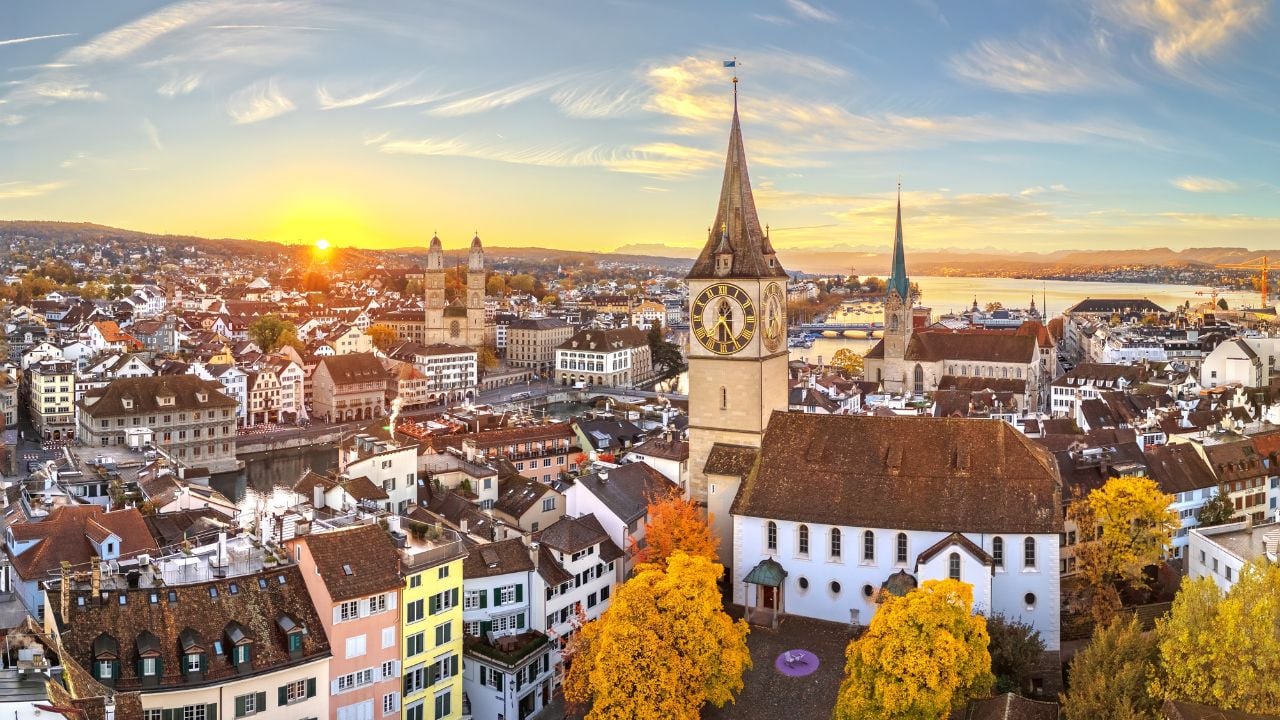
Switzerland provides incentives through small villages seeking residents. Some municipalities offer cash grants to families and individuals. These programs aim to preserve local populations. Financial support offsets high living costs.
Eligibility includes residency commitments and age limits. Grants help with housing and relocation. In return, residents contribute to community life. Programs vary by location.
Switzerland’s quality of life is exceptional. Incentives make entry possible. Visitors gain stability, beauty, and financial support.