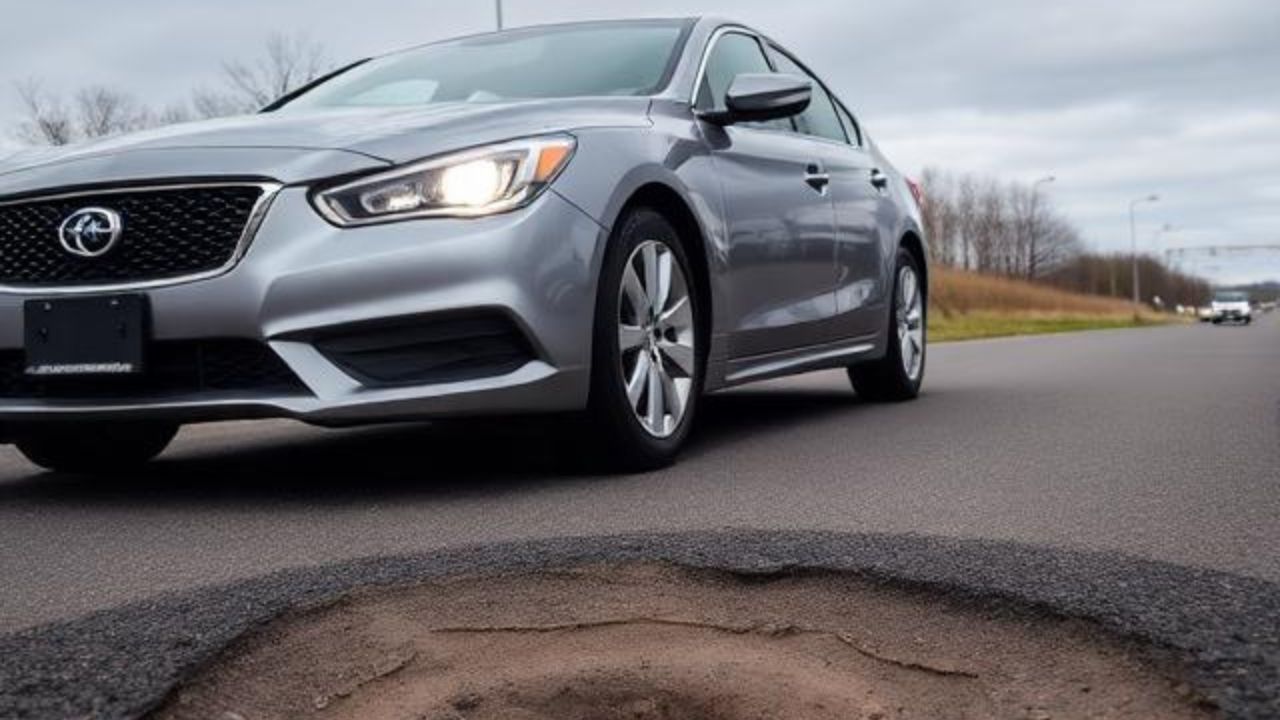

If you thought hitting a pothole was the most jarring part of filing a damage claim, think again.
In southwest Scotland, a 73-year-old retired nurse says she was effectively put through a lie detector test after her Toyota Corolla struck a pothole and she sought reimbursement for the damage.
The twist is that the “polygraph” came in the form of an automated phone call powered by artificial intelligence.
The somewhat bizarre story centers on Carolyn Hornblow, who told the Scottish Daily Mail that she was driving at night near Dalbeattie on December 11 when her Corolla hit a pothole on a rural road. Soon after, a warning light appeared.

A mechanic later found a badly damaged tire that may have been caused by the impact. The cost to replace it came to £87, roughly equivalent to just over $100 at current exchange rates.
“Wait, Is This 1995?”
Hornblow submitted a claim to Dumfries and Galloway Council toward the end of December. And that’s when the process began to feel a lot like an episode of a crime drama. Routine paperwork would’ve been preferrable.
She received a questionnaire from the council’s insurer requesting a broad set of documents including her MoT certificate, insurance papers, dashcam footage, and a photograph of the damaged tire. She did not have dashcam footage and had already discarded the tire after it was replaced.
She later wrote to the council suggesting that if such extensive documentation is required, it should be made clear earlier in the process.
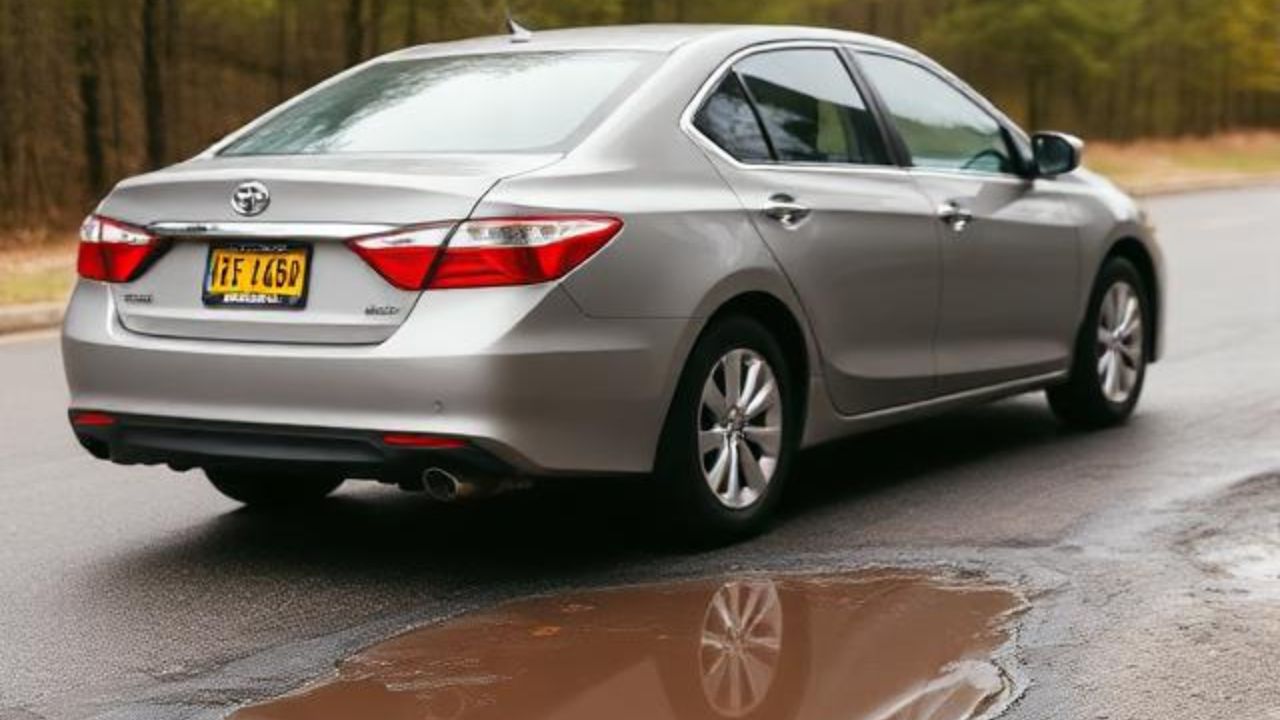
Then came a second questionnaire and a heads up about an automated call that would take about five minutes and should be conducted in a quiet place. What she says she was not clearly told was that the call functioned as a form of lie detection.
The Robot That Listens for Lies
The system in question is called Clearspeed. It uses AI driven voice analysis to assess stress and other vocal characteristics that the company claims can help flag potential fraud. Hornblow says she later learned the technology purportedly has an accuracy rate of more than 90 percent.
During the call, she was asked a series of questions. The first was, “Is this 1995?” which she found baffling. She was also asked whether she had an email address and whether she had claimed for something that did not occur.
Afterward, she realized the purpose of the call and felt blindsided. She says she had not consented to taking part in a lie detector test and was upset by the experience.
The council’s insurer, Zurich, confirmed that Clearspeed is one of several validation tools it uses. According to the council, no one suggested Hornblow’s claim was fraudulent.
Officials described the system as highly effective and said it is intended to reduce fraud while speeding up settlements for genuine claimants. Final decisions, Zurich says, are always made by a human claims expert.
Is the Robo-Polygraph Coming to a Dashboard Near You?
In light of this revelation, it’s not hard to feel which way the wind is blowing. Dumfries and Galloway Council reportedly had 16,819 potholes waiting to be filled as of November 2025, the highest tally in the UK.

With thousands of potential claims and limited public funds, insurers are under pressure to separate legitimate damage from opportunistic filings.
Still, the optics are tricky. Hornblow believes that after wear and tear deductions she may receive around £40 (around $55), and possibly only after several months of review. For a relatively modest payout, she says the process felt disproportionately intrusive.
A penny for your thoughts, America. This story raises bigger, genuine, hot-button questions about where claims handling is headed. US insurers already use predictive analytics, fraud scoring, and automated document review.
Could voice based AI screening become the next frontier? Will American drivers accept a robo polygraph over a blown tire? We won’t dare assume. What we know for sure is that, in the age of AI, even a humble pothole claim can come with a high-tech interrogation.
Sources: Daily Mail