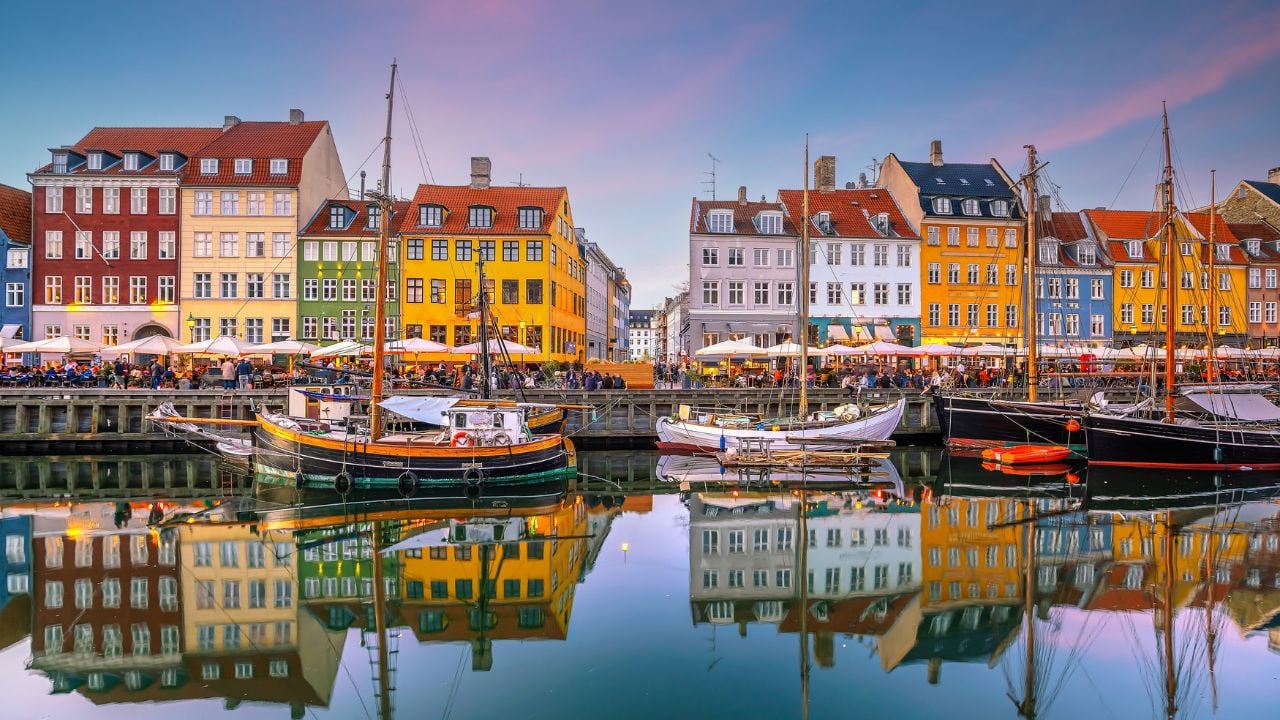
Copenhagen is one of the rare capitals where a visitor can move through the day without thinking much about cars. A family rolls past on a cargo bike, a bakery door opens and sends cardamom into the street, and a harbor bus pulls into the pier with people waiting the way they would wait for any regular bus.
The city’s ease comes from how these moments connect. A bridge carries cyclists over the harbor while boats pass below. A metro stair appears near a square where people are still drinking coffee outside. A museum visit can end with a walk along the water instead of a search for a taxi.
Start near the harbor, then let the day move outward. Nyhavn brings the first color, the inner harbor brings space, the Harbour Circle keeps the route close to bridges and water, and the harbor bus gives tired feet a short ride without taking the day away from the view. VisitCopenhagen’s public transport guide notes that the city’s system includes buses, trains, metro, and harbor buses.
Later, Bredgade and BLOX bring design into the walk, while Nørrebro finishes the day with coffee, bakeries, and streets where local routines are easier to notice. A weekend here does not need a car because the useful parts of the city keep appearing inside the pleasant parts.
1. Start With Nyhavn, Kongens Nytorv, and the Inner Harbor
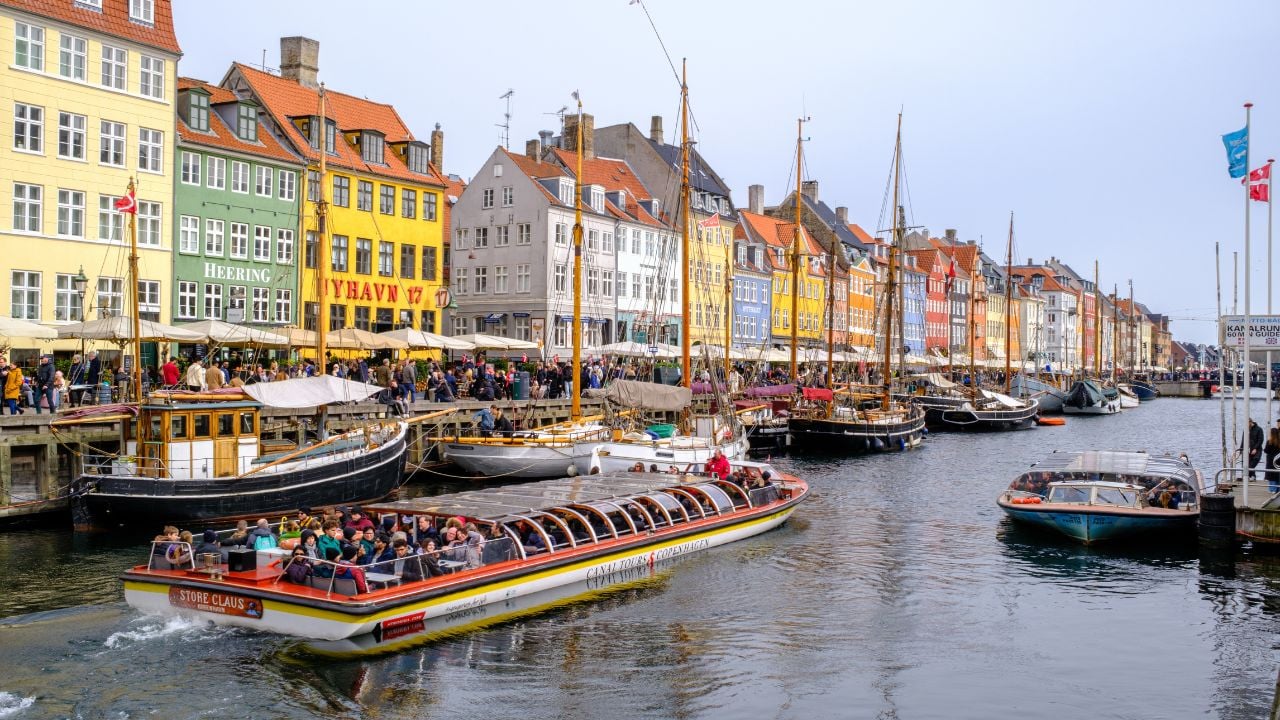
Nyhavn is crowded because the first view still works. The canal pulls the painted houses close together, so the yellow, blue, red, and orange façades reflect in the water below the old boats. When a canal tour pulls away, the ripples break the colors apart and then slowly put them back together.
Stay long enough to watch the place move rather than only photograph it. Servers cross between outdoor tables with plates held high. A cyclist slips along the edge of the crowd without ringing a bell. Someone stops at the quay for a picture, then steps aside as the next group arrives.
Kongens Nytorv sits a few minutes away, and the space opens quickly. The tight canal gives way to a broad square with metro stairs, shopfronts, hotel doors, buses, and the Royal Danish Theatre nearby. That short walk shows how Copenhagen often works: the postcard scene sits right beside the practical city.
From there, return toward the inner harbor instead of adding another major stop immediately. Around Ofelia Plads and the nearby bridges, people sit with coffee facing the water, bikes cross in steady lines, and boats pass underneath slowly enough to hold the eye for a minute.
2. Follow Part of the Harbour Circle Instead of Trying to See Everything
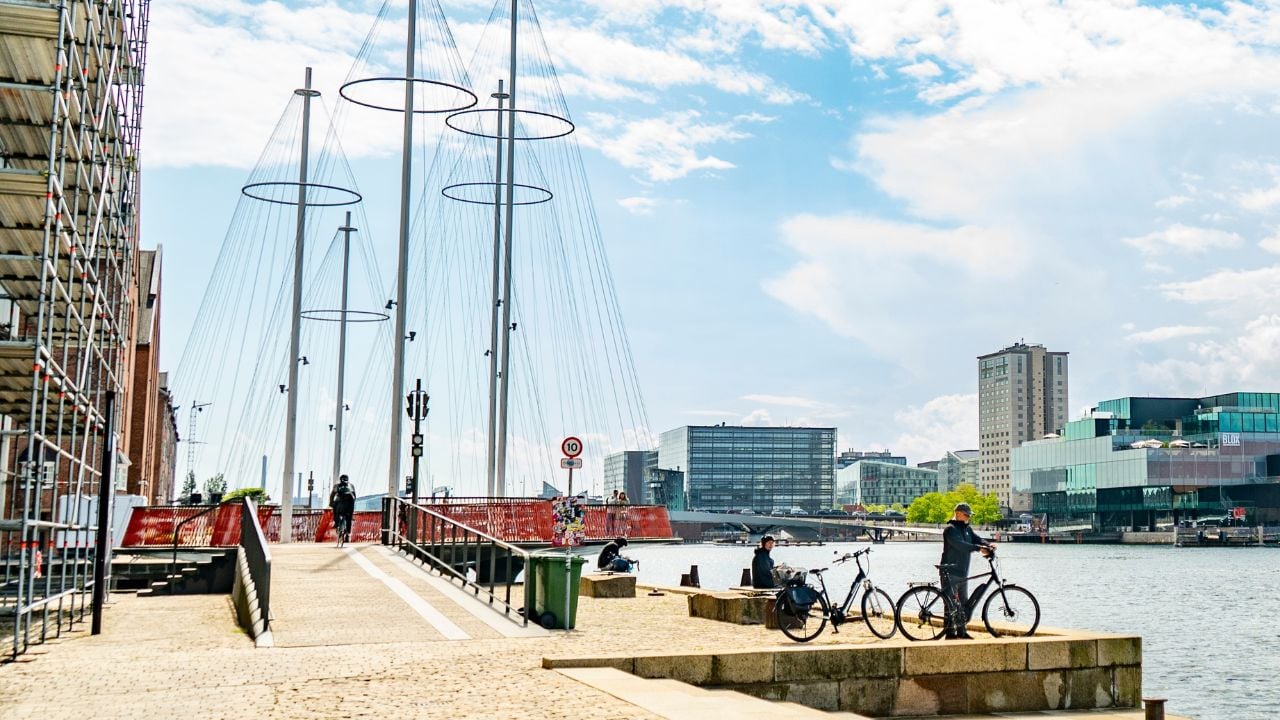
The Harbour Circle is a 13-kilometer walking and cycling route from the major sights around Nyhavn to the quieter backwaters of Christianshavn and Sydhavn, according to VisitCopenhagen. A first visit does not need the full loop. One stretch is enough to show how much of Copenhagen turns toward the water.
Near the center, the harbor carries a steady current of people. Cyclists cross the bridges without slowing much, office workers walk with lunch containers, and visitors drift toward the railings whenever a boat passes below. The water keeps pulling attention away from the map.
Farther along, the mood changes in small ways. A swimmer climbs out of the harbor and reaches for a towel. A group sits on the edge with coffee cups balanced beside them. Someone stops a bike near the water, checks a phone, then keeps riding toward the next bridge.
On a warm day, continue toward Islands Brygge or Christianshavn and let the harbor stay beside you. On a windy day, cross one bridge, walk until the water starts cutting through your jacket, then step inside for coffee before returning to the route. The harbor is not a challenge to complete; it is the part of the city that keeps changing as you walk.
3. Make a Design Day Around Bredgade, BLOX, and the Waterfront
Copenhagen’s design reputation becomes clearer after a few hours on foot. On Bredgade, a chair in a window may look almost plain at first, then the curve of the back or the way the wood catches the light starts to explain the attention. A gallery door opens into a quiet room, and a few minutes later the street returns you to bikes moving past old façades.
Designmuseum Danmark sits on Bredgade, and the museum says café FORMAT is at the heart of the building and can be visited without a ticket. That makes the stop easy to adjust. You can stay for the collections, or step in for coffee, the shop, the garden, and a short rest before returning to the street.
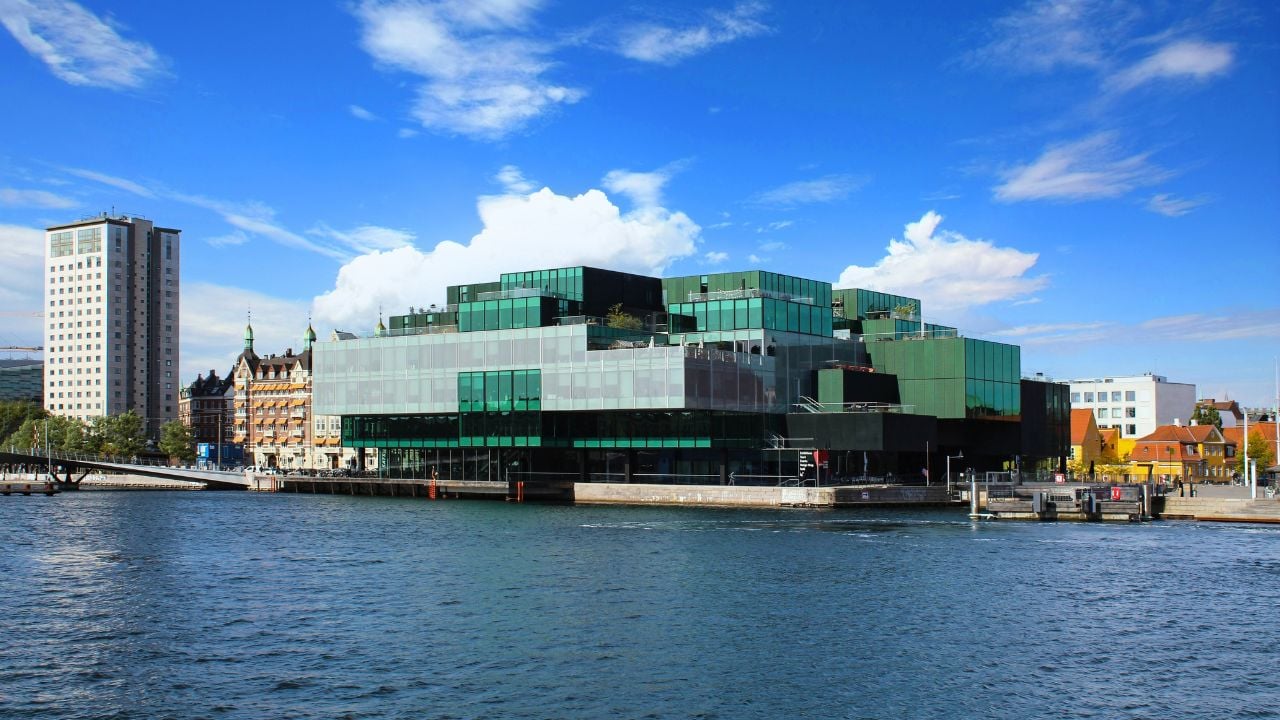
After the museum, the walk toward BLOX keeps the subject outside. You notice how a bridge lands on the quay, how people choose the sunny edge of a public deck, and how cyclists move through crossings with less hesitation than visitors do on foot. The city’s design is not only in museum cases; it appears in the way the street handles ordinary movement.
The Danish Architecture Center is located in BLOX on Copenhagen’s waterfront and focuses on architecture, design, and urban life. Arriving there after Bredgade shifts the day from objects to buildings. Outside the center, people keep walking along the water while the harbor, bridges, and glassy façades make the exhibition feel connected to the street.
4. Use the Harbour Bus for a Short Ride Across the Water
The yellow harbor bus arrives at the pier like regular public transport. A few people step forward with bags, a stroller waits near the boarding area, and someone wheels a bike into position before the doors close. The boat pulls away without ceremony, and the quay starts sliding backward.
VisitCopenhagen says the yellow harbor buses run up and down the harbor on a regular bus ticket and are electric. From the boat, the city changes by angle rather than distance. A bridge that looked low from the path passes overhead. Apartment balconies face the water. Office windows catch the light. People waiting at the next pier grow clearer as the boat slows.
The ride can replace a long walk between Christianshavn, the central waterfront, Nordhavn, or another harbor stop. You still stay inside the city’s rhythm: water against the hull, a short stop at the pier, passengers stepping off, and the boat moving again while cyclists continue along both banks.
It is a small detail, but a useful one. Copenhagen’s public transport does not always pull visitors away from the view. Sometimes it carries them through it for the price of a regular ticket.
5. End in Nørrebro for Coffee, Bakeries, and a More Local Café Mood
Nørrebro changes the day by moving away from the polished harbor. A parent stops a cargo bike outside a bakery and lifts a child from the front box. A customer steps out with a pastry bag folded closed. A cyclist unlocks a bike with one hand while holding coffee in the other.
Jægersborggade is one of the easiest streets to use as an anchor. VisitCopenhagen highlights The Coffee Collective, Karamelleriet, Meyers Bakery, restaurants, ice cream, and wine spots along the street. The names help with orientation, but the street is better when one small decision leads to another: coffee first, then a bakery window, then a shop doorway, then one more block before turning back.
Start near the lakes if the weather is good, then walk into Nørrebro slowly. The neighborhood works through ordinary scenes rather than big reveals. Friends meet outside cafés, bakery customers wait in a loose line, bikes come and go from the curb, and tables stay occupied even when the air is cool.
Assistens Cemetery adds a quieter walk nearby, with tree-lined paths and a pause from the café streets. After a weekend of harbor color, bridge crossings, design stops, and boat rides, Nørrebro leaves the final image smaller and more local: coffee cooling on a table, a pastry bag in hand, and a bike rolling past before evening settles into the street.