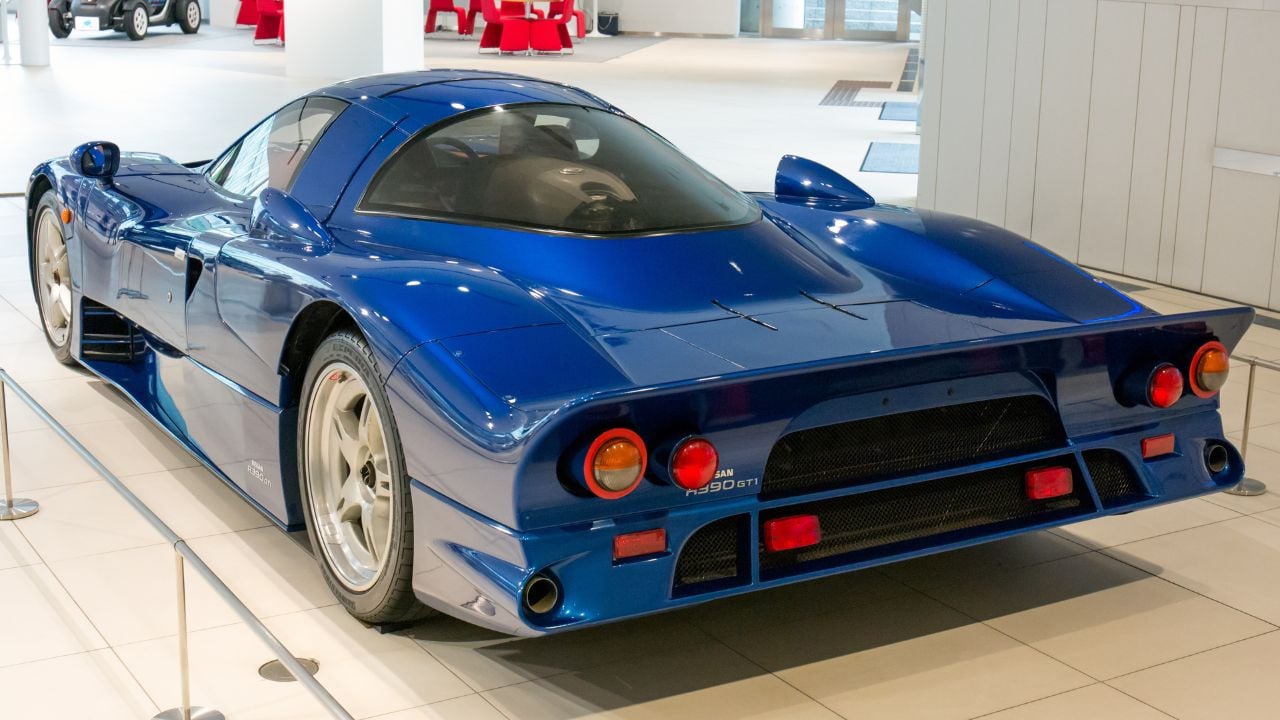
Homologation specials are road-legal cars that manufacturers build in small batches so they can compete with race-ready versions in motorsport. These vehicles usually stand out with bold styling, upgraded performance parts, and serious power, setting them apart from standard production models.
To car enthusiasts, these machines are something special. They combine racing heritage with eye-catching looks and an unforgettable driving feel. The cars on this list were all created to meet racing rules, but they ended up offering much more. Some are rare collectibles, others became legends, and every one of them brought a taste of the track to the open road.
How We Picked These Cars
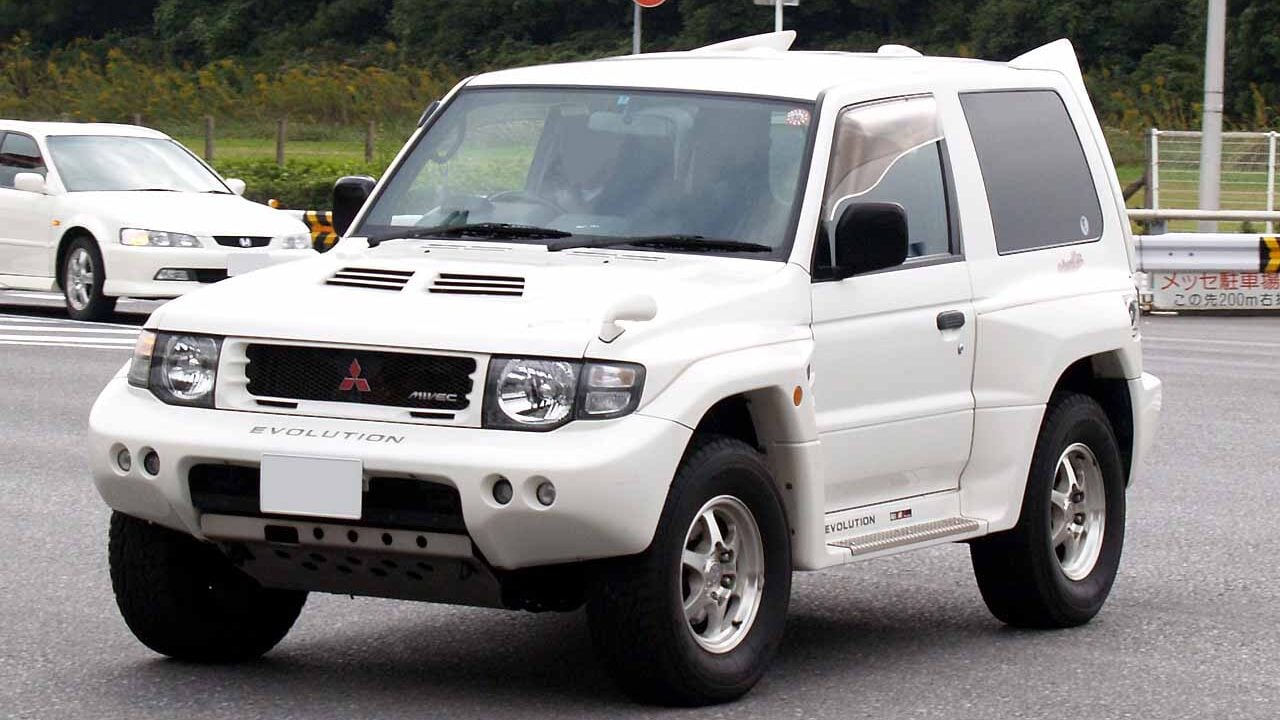
We looked for road-legal vehicles that were built specifically to meet racing regulations, whether for rallying, touring cars, GT endurance, or NASCAR. To qualify, a car had to have a direct connection to motorsport and be produced in limited numbers to satisfy homologation rules. These models aren’t just fast or rare. They exist because a race series required them to.
We included a mix of decades and racing disciplines, from the wild days of Group B to modern WRC-inspired hatches. Some of these cars are now collector icons, while others remain under the radar. All of them reflect the creativity and commitment of manufacturers determined to win on the track—and prove it on the road.
Dodge Charger Daytona / Plymouth Superbird

In NASCAR’s early days, race cars were closely tied to showroom models. But by the late 1960s, new rules required manufacturers to build a minimum number of road cars if they wanted to compete. That’s how the Dodge Charger Daytona came to be. To meet the rules, Dodge built 503 Charger Daytonas, all with the pointed nose cone and towering rear wing, and buyers could choose either the standard 440 Magnum V8 or the optional 426 Hemi.
The following year, Plymouth introduced its own version called the Superbird. Together, these two high-speed icons dominated NASCAR in 1969 and 1970, and NASCAR rule changes for 1971 effectively ended their reign by forcing winged and nose cone cars to run smaller engines or take major penalties.
BMW M3 (E30)

The first-generation BMW M3 was built to homologate BMW’s Group A touring car program and win in series like DTM. While it shared its name and silhouette with the standard 3 Series, very little carried over. Nearly every part was upgraded or redesigned for racing.
Over time, BMW made a series of improvements, including new aerodynamic parts and evolutions of the 2.3 liter S14, culminating in the 2.5 liter Sport Evolution. With each update, the E30 M3 became more dominant, racking up wins in touring car championships around the world. It ruled the DTM grid for years before finally being challenged by the arrival of the Mercedes-Benz 190E Evo II.
Mercedes-Benz 190E 2.5-16 Evo II

Even though it didn’t earn the same household recognition as the E30 M3, the Mercedes-Benz 190E Evo II played a major role in DTM history. It was the car that finally managed to challenge BMW’s long-standing dominance on the track.
With flared fenders, a towering rear wing, and purposeful aerodynamic upgrades, the Evo II looked every bit the part. Under the hood was a high-revving 2.5-liter four-cylinder engine producing 232 horsepower. Mercedes built just 502 units to meet homologation requirements, making it one of the rarest and most sought-after sports sedans of its era.
Sierra RS500 Cosworth
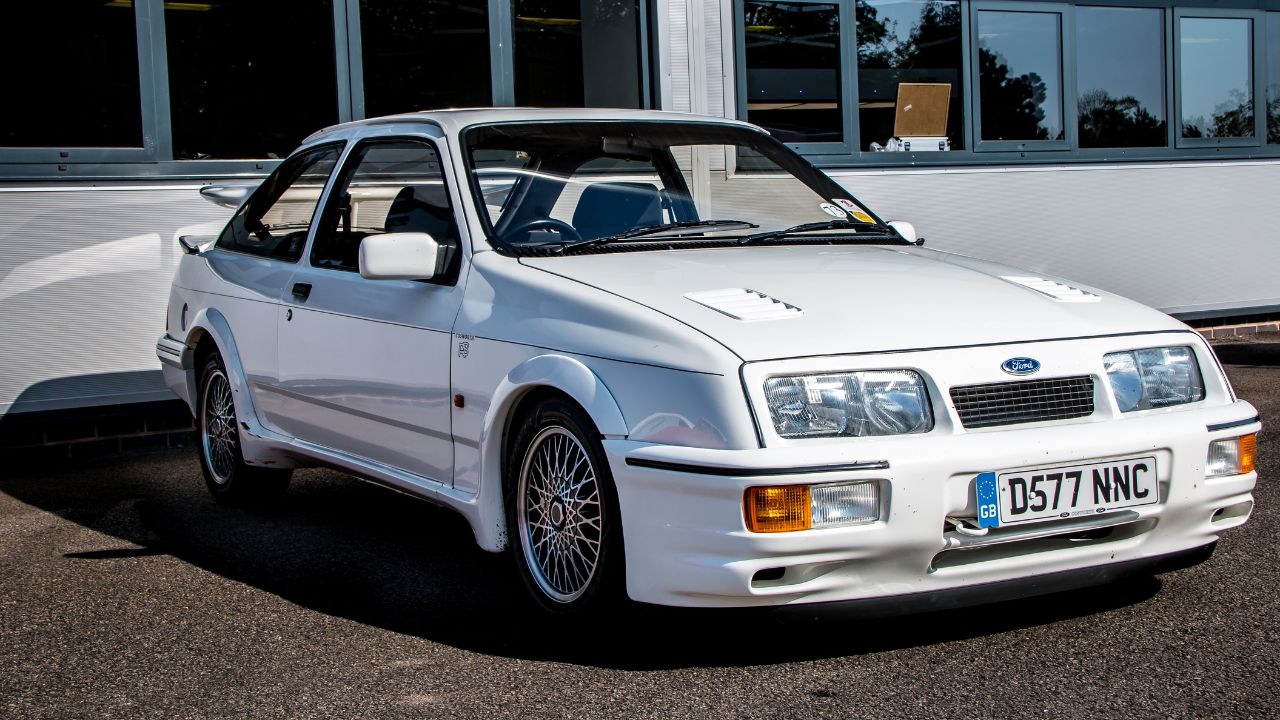
When Ford launched the Sierra RS Cosworth in 1986, it made about 204 PS (201 hp) in factory tune and brought serious performance to everyday drivers. It was quick, affordable, and immediately earned a reputation for punching well above its weight.
Ford wasn’t done yet. To take full advantage of touring car rules, they introduced the limited-run RS500. While its official power bump was modest, the engine was built to handle much more. With the right tuning, it became a dominant force on track. Over its racing career, the RS500 became one of the most successful touring car platforms of its era.
Porsche 911 GT1 Straßenversion

At a glance, the 911 GT1 Straßenversion shares headlights with the Porsche 996, but that’s where the similarities end. This wasn’t a modified road car; it was a full-blown Le Mans racer built to meet homologation rules. Porsche cleverly used the more relaxed road car regulations to bring their GT1 machine to the street.
The result was staggering. Porsche quotes 544 PS (536 hp) for the 1996 and 1997 versions, and a 0 to 62 mph time of 3.9 seconds. For the late 1990s, that was almost unheard of. It remains one of the wildest and rarest 911s ever to wear a license plate.
Nissan R390
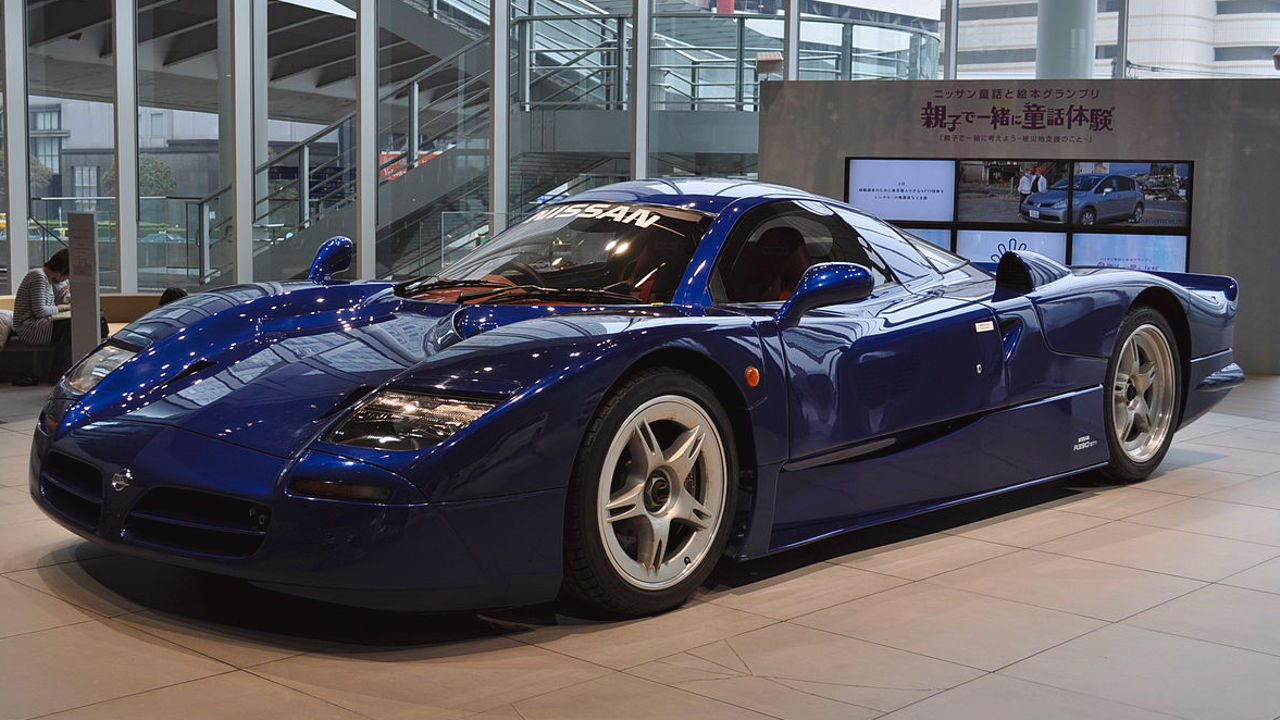
In the late 1990s, Nissan entered the 24 Hours of Le Mans to take on giants like Porsche and McLaren. To satisfy GT1 homologation requirements, Nissan built a single road going R390 prototype alongside the race program.
It shared nearly everything with the track version, including a 3.5-liter twin-turbo V8 that produced 550 horsepower. Nissan claimed a 220 mph top speed for the road car, but that figure has not been independently verified in published testing. Just one road car was made, and few have had the chance to experience what it can really do.
Mercedes-Benz CLK GTR Straßenversion
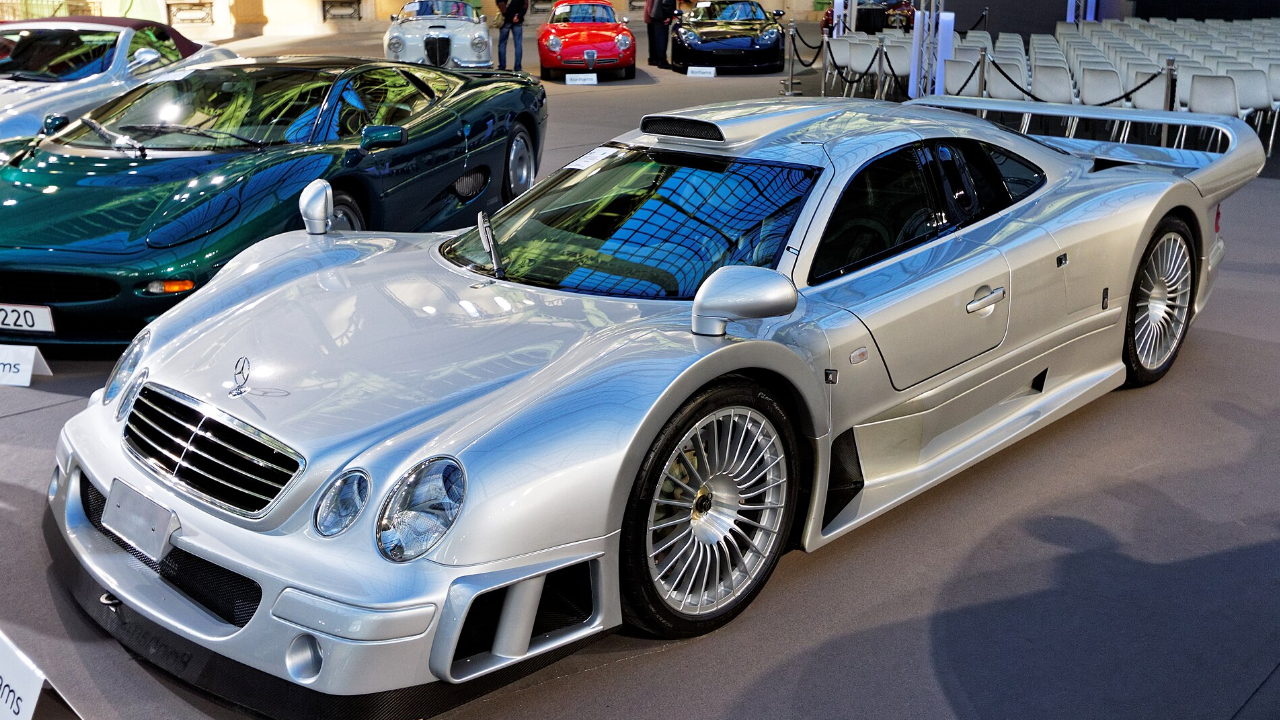
Mercedes-Benz built a GT1 race car so dominant that most rivals pulled out of the series within two years. To meet homologation requirements, Mercedes created the CLK GTR Straßenversion, a street-legal version of their championship-winning machine.
Sources vary, but roughly two dozen street legal CLK GTRs were built, with about 20 coupes and a very small number of Roadsters, plus prototypes. A small number of cars were upgraded to “Super Sport” specification with a larger 7.3 liter V12 in place of the standard 6.9 liter V12. Today, the CLK GTR remains one of the rarest and most valuable homologation cars ever built.
Audi Sport Quattro
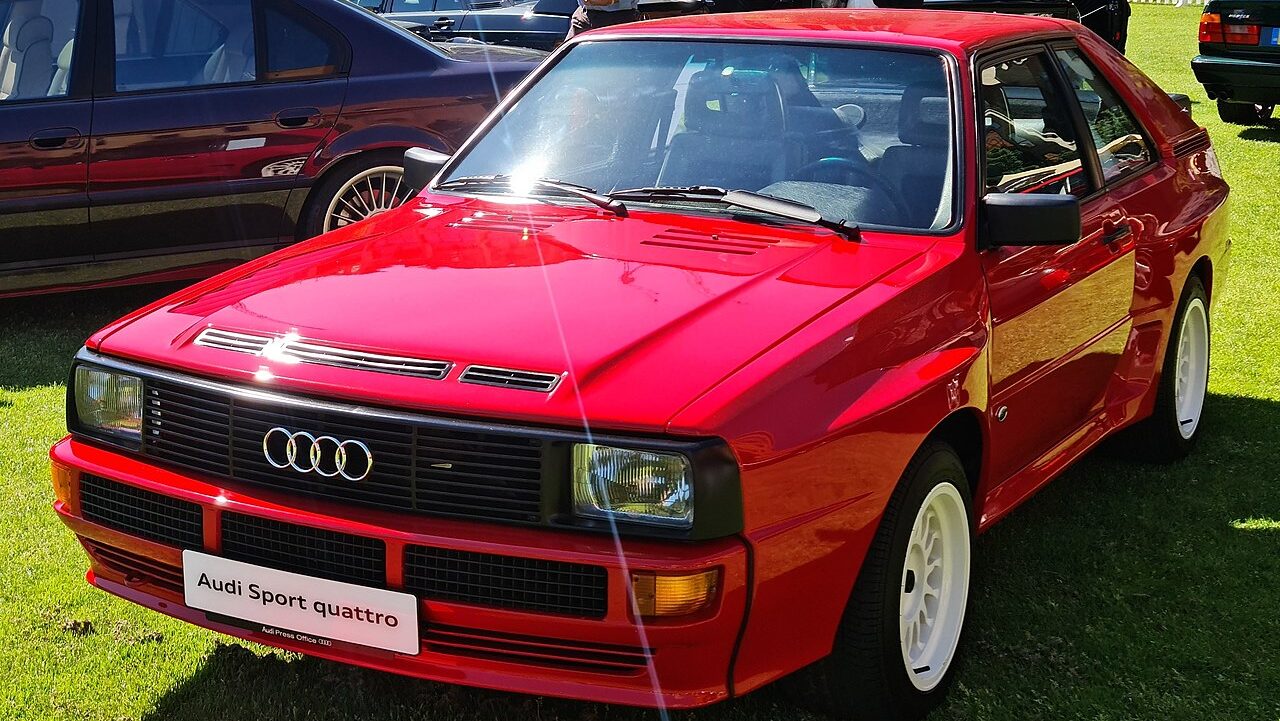
By the mid-1980s, Audi’s rally dominance with the original Quattro was starting to slip. To stay ahead, they built the Sport Quattro, a more compact, more focused evolution of their all-wheel-drive rally car.
Audi shortened the wheelbase by 320 mm, about 12.6 inches, and used lightweight materials such as Kevlar composites to reduce weight. In road trim, the turbocharged five cylinder ran around 1.2 bar of boost, about 17.4 psi, while competition versions could run far higher depending on event and setup. Despite all the engineering, the Sport quattro S1 is often credited with one WRC win, at the 1985 San Remo Rally, before Group B rallying came to an abrupt end. Even so, it’s remembered as one of the most extreme rally cars Audi ever put on the road.
Lancia Stratos
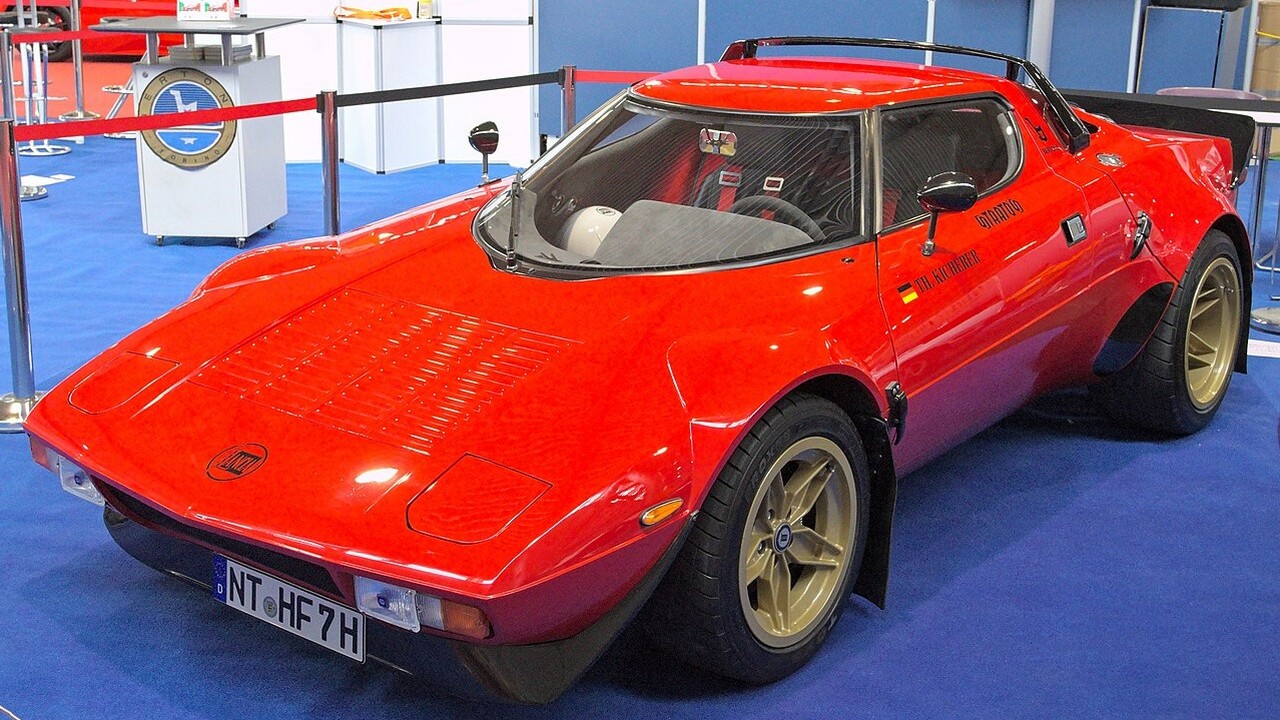
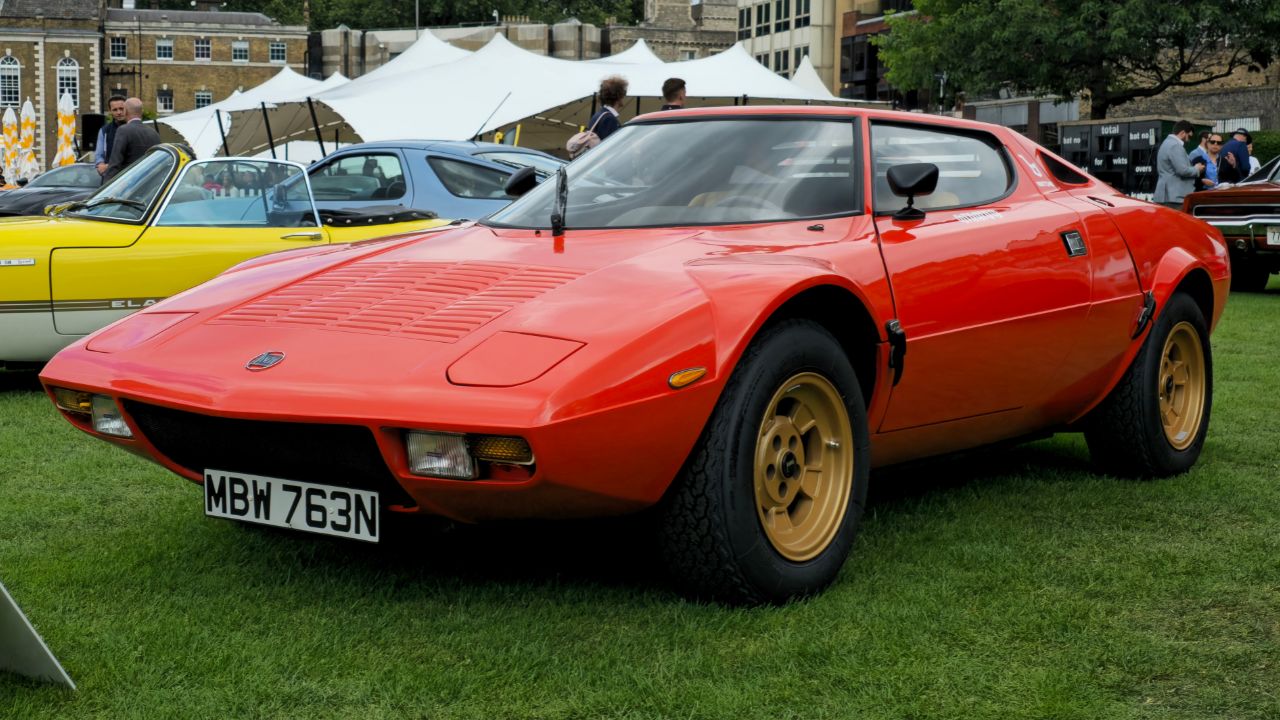
With its sharp lines and dramatic proportions, the Lancia Stratos looks every bit like a 1970s exotic. But it wasn’t made for the showroom, it was built to win rally stages. Lancia designed the Stratos from scratch with rallying in mind, making it one of the first purpose-built competition cars of its kind.
Power came from a Ferrari-sourced 2.4-liter V6 borrowed from the Dino, producing around 190 horsepower. While it could feel twitchy and unpredictable on the road, that rawness made it incredibly effective in the hands of skilled rally drivers. The Stratos didn’t just look fast, it truly was, and it helped Lancia dominate the rally world for years.
Ford RS200
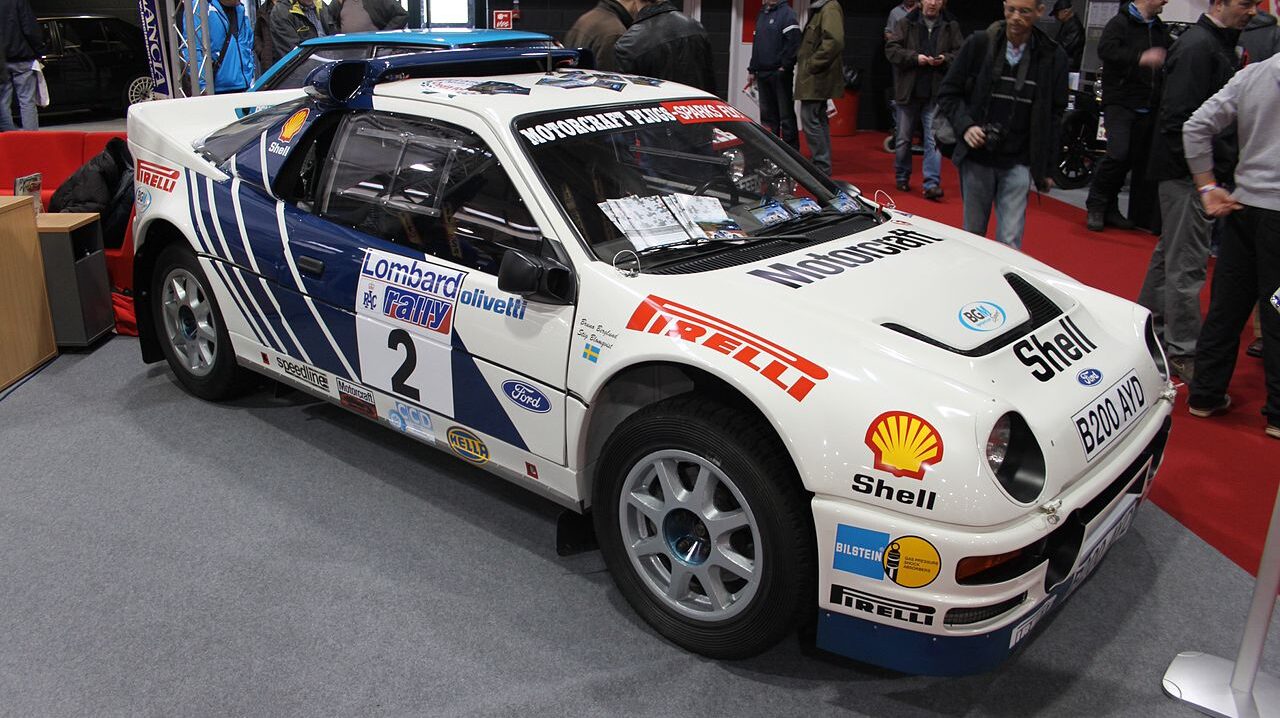
Ford’s RS200 was purpose-built for Group B rallying, one of the wildest and most dangerous eras in motorsport history. With a mid-mounted turbocharged 1.8-liter engine and all-wheel drive, it was designed to compete with the very best. But its time in the spotlight was cut short when the FIA abolished Group B after the 1986 season, following a series of tragic accidents.
Despite its limited racing career, the RS200 quickly gained a cult following. Ford built at least 200 road legal cars to meet homologation rules, and some were later converted to Evolution specification, with power varying widely depending on tune. Today, it stands as one of the most iconic and collectible rally cars of its time.
Peugeot 205 T16
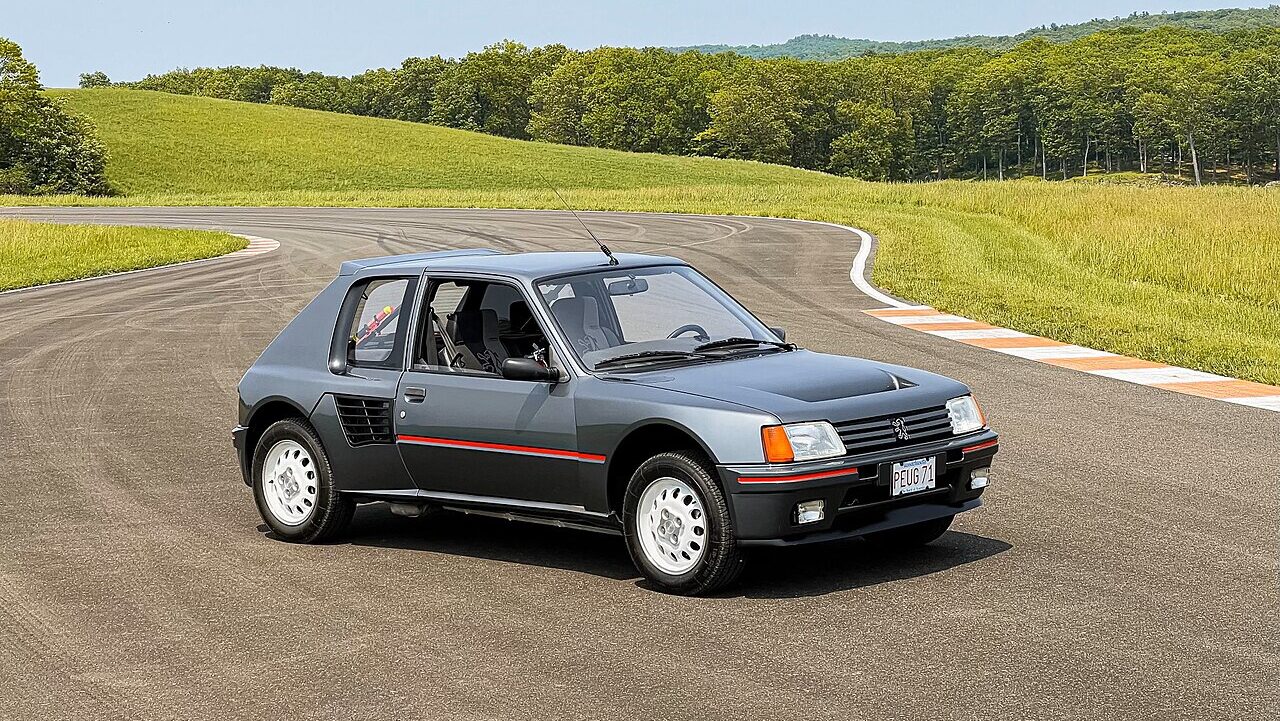
At first glance, the Peugeot 205 T16 looks like a beefed-up version of the regular hatchback. But under the skin, it’s a completely different animal. Built for Group B rallying, this car was engineered from the ground up for performance and control.
Instead of a front-engine layout like the standard 205, the T16 used a mid-mounted 1.8-liter turbocharged engine sending around 200 horsepower to all four wheels. That setup gave it incredible traction on any surface. Just 200 were built for homologation, and they’re rarely seen outside private collections. Despite its humble appearance, the 205 T16 is one of the most capable and celebrated cars of the Group B era.
Mitsubishi Pajero Evolution

Stepping away from the world of Group B rally cars, Mitsubishi took a different approach to motorsport with the Pajero Evolution. Built in 1997 to take on the grueling Dakar Rally, this SUV combined off-road toughness with a surprising amount of performance.
Under the hood was Mitsubishi’s 3.5 liter 6G74 MIVEC DOHC V6, rated around 276 hp. The body was outfitted with aggressive styling cues like a hood scoop, flared arches, and deep-biting mudflaps. What really sets it apart, though, is that Mitsubishi built approximately 2,500 road legal examples from 1997 to 1999 to meet homologation rules, making it one of the more accessible and rugged race bred vehicles on this list.
Toyota GR Yaris

The Toyota GR Yaris isn’t just a nod to rally heritage, it’s a full-blown homologation special built for today’s world. While Toyota has a history with rally cars like the Celica GT-Four, the GR Yaris stands out as one of the most exciting performance cars the brand has ever made.
It’s powered by a turbocharged 1.6-liter three-cylinder engine that makes 270 horsepower and drives all four wheels through a trick adjustable AWD system. Drivers can choose a setup that favors grip or lets the rear step out for more playful handling. With a 0 to 60 time of 5.5 seconds and a top speed of 142 mph, this compact hatch can easily hold its own against much larger and pricier sports cars.
The Street-Legal Spirit of Racing
Homologation specials are more than just fast cars. They tell stories of rulebooks bent to the limit, of engineers finding clever workarounds, and of racing teams bringing their best ideas to life in metal and carbon fiber. These vehicles offer a raw, distilled version of motorsport, something you can actually own, drive, and enjoy.
Whether it’s the outrageous aero of a Superbird, the high-strung scream of an E30 M3, or the surprising power in a modern GR Yaris, each of these cars connects you to a legacy of competition. They’re rare, purposeful, and often a bit wild… and that’s exactly why we love them.