
Retirement doesn’t mean trading your driving passion for a sensible crossover. In fact, it’s the perfect time to finally get that “sports car” you’ve been eyeing, and yes, before anyone starts typing, we should clarify what we mean by that.
Plenty of readers have strong feelings about what does and doesn’t qualify as a true sports car. Traditionally, the term referred to a lightweight, two-seat machine built for competition. But most drivers today use the term more broadly. For this list, we’re focusing on cars that are fun, engaging, and performance-oriented — the kinds of vehicles the average shopper would reasonably consider when looking for a sporty, enjoyable ride in retirement.
Some choices may stretch the classic definition, but they earn their place by offering the right blend of excitement and everyday usability. And suppose you’re thinking about autocross or the occasional track day. In that case, every car here can rise to the challenge while still giving you far more practicality than a traditional competition-focused roadster.
The goal is simple: highlight machines that balance excitement with real-world comfort. Whether you’re heading for scenic backroads or want a little extra joy during your morning coffee run, these cars prove you can have fun without sacrificing reliability, usability, or sanity.
Mazda MX-5 Miata

The Miata has been the answer to “what sports car should I buy?” for over three decades, and retirement doesn’t change that equation. With a starting price around $29,000 and legendary reliability that rivals any mainstream sedan, it’s genuinely hard to argue against this roadster.
The magic is in how it makes 181 horsepower feel like plenty when you’re rowing through gears on a twisty road with the top down. Maintenance costs are refreshingly reasonable, and finding a qualified mechanic is never a challenge since Mazda’s dealer network is solid nationwide.
The trunk might not hold a week’s worth of groceries, but it’ll handle a weekend’s luggage just fine, and honestly, isn’t that what retirement road trips are all about?
Porsche 718 Cayman

If your retirement budget stretches a bit further, the Cayman offers that coveted Porsche badge without the six-figure price tag, starting around $68,000. The mid-engine layout delivers handling that makes you feel like a driving hero even at legal speeds, which is exactly what you want when you’re not trying to rack up speeding tickets.
Porsche’s reputation for reliability has improved dramatically over the past decade, and while maintenance isn’t cheap, it’s predictable and far less frequent than the brand’s detractors might suggest. The trunk in front and storage area in back mean you can actually use this car for real life, not just Sunday morning drives.
Plus, there’s something deeply satisfying about the mechanical precision of a Porsche that you appreciate more with age and experience.
Chevrolet Corvette C8

The Corvette has long been the quintessential retirement sports car or, more accurately, a grand tourer with serious performance credentials. But the C8 takes that legacy to the next level. Its mid-engine layout and exotic-car proportions finally give the Corvette the supercar aura it’s always flirted with, while still keeping it within reach of real-world buyers.
Practicality is down a touch compared to the C6 and C7, a natural tradeoff of moving the engine behind the seats — but the C8 is still more than usable. The frunk adds meaningful storage, and the rear cargo area can handle luggage for a spartan road trip or a quick grocery run. Inside, the cabin feels a bit tighter than earlier generations (our old C6 definitely felt roomier), but it’s still comfortable, and there are plenty of available options to boost luxury. Just know that checking too many boxes can make the price climb quickly.
Even so, the C8 remains one of the greatest performance bargains on the market. Starting in the mid-$60,000s, it delivers supercar acceleration, standout handling, and a level of everyday usability that rivals costing far more struggle to match. GM’s massive dealer network makes service convenient almost anywhere.
It’s American performance done right: dramatic when you want it to be, comfortable when you need it to be, and far more practical than a mid-engine car has any right to be.
Toyota GR86

Starting around $30,000, the GR86 delivers pure driving enjoyment with Toyota’s legendary reliability baked right in. The naturally aspirated boxer engine and rear-wheel-drive layout create an experience that feels analog and engaging in the best possible way.
Toyota’s low cost of ownership and widely available service make this an easy car to live with, whether you’re in a major city or a rural area. The 2+2 seating means you can technically carry grandkids in back for short trips, though it’s definitely optimized for two adults up front.
This is a car that rewards smooth driving and proves you don’t need 500 horsepower to have a memorable experience on the right road.
BMW Z4

The current Z4 combines German engineering with a surprisingly comfortable daily-driving experience, starting at around $51,000 for the base model. The retractable hardtop means you get the best of both worlds: open-air motoring when you want it and a quiet, secure cabin when the weather turns uncooperative.
BMW’s turbo four-cylinder in the base model delivers 255 horsepower with respectable fuel economy, while the six-cylinder option adds drama without destroying your budget at the pump. Modern BMWs have made significant strides in reliability, and the Z4’s relatively simple design means fewer things to potentially go wrong.
The interior feels genuinely upscale with materials and technology that make longer drives comfortable rather than exhausting.
Subaru BRZ
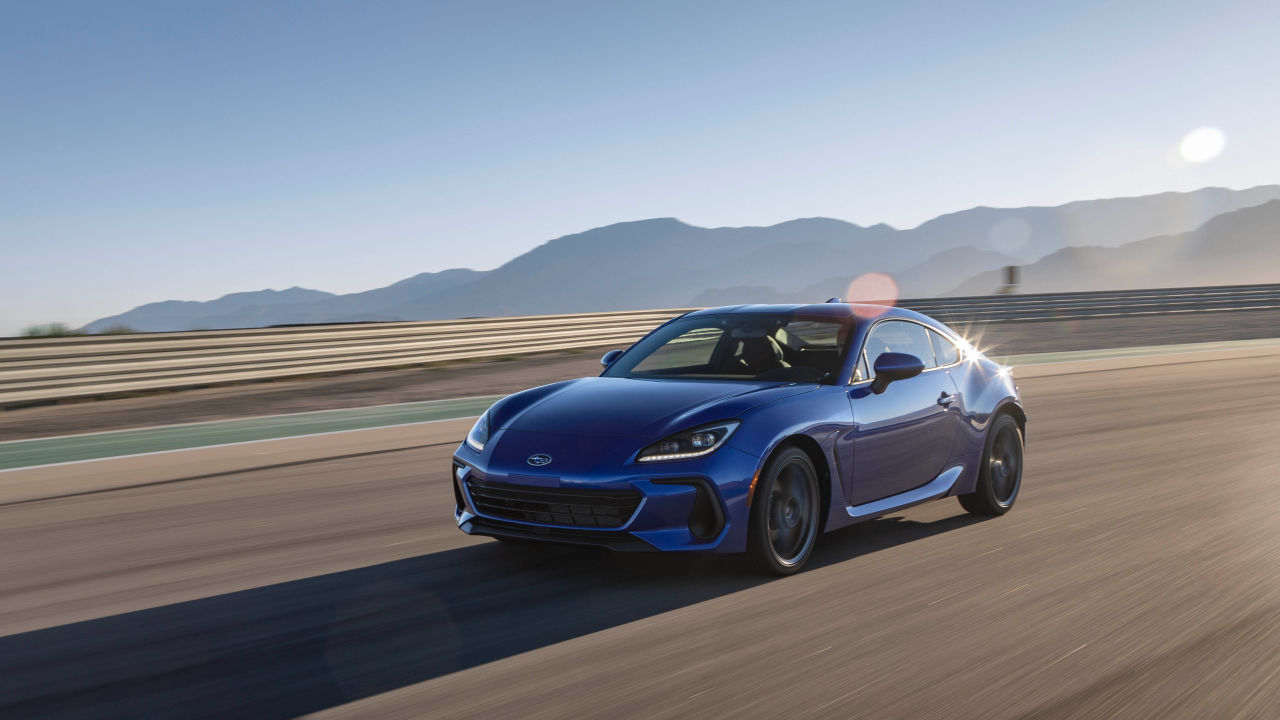
The BRZ shares its bones with the Toyota GR86. Still, Subaru’s slightly different tuning and styling give it a distinct character, with pricing starting around $30,000 (don’t bother with that crazy 2026 Honda Prelude).
The low center of gravity and perfectly balanced chassis make this car dance through corners with minimal effort, rewarding smooth inputs and good driving technique. Subaru’s dealer network is strong across the country, and parts availability is excellent thanks to shared components across its lineup.
This is a driver’s car in the purest sense, focused on the connection between you, the car, and the road rather than impressing bystanders with big numbers.
Nissan Z

The latest Z car delivers 400 horsepower from a twin-turbo V6 at a starting price around $43,000, which is serious performance for the money. Nissan equipped this generation with a proper manual transmission alongside the automatic option, recognizing that many sports car buyers still want to shift for themselves.
The retro-inspired styling nods to Z cars of the past while keeping everything modern where it counts, including the interior technology and safety features. Nissan’s reliability has improved steadily over the past decade, and the Z uses proven powertrains rather than experimental technology.
The interior fits two adults comfortably with reasonable trunk space for a sports car, making it viable for more than just weekend fun.
Audi TT

The Audi TT may have left production, but its final generation remains one of the smartest used buys in the sports-car world, often landing in the mid-$30k range. If you’re open to shopping pre-owned, which makes perfect sense in retirement, the TT delivers a level of style, refinement, and usability that few modern alternatives can match.
Audi’s quattro all-wheel-drive system gives it genuine year-round capability, making it one of the rare sports cars that doesn’t have to hibernate when the weather turns. Inside, the TT showcases Audi’s signature attention to detail, with materials and build quality that feel premium and should age gracefully.
The turbocharged four-cylinder offers strong performance and respectable fuel efficiency, while the optional magnetic ride suspension lets the car switch effortlessly between comfortable cruising and spirited driving. Add in Audi’s widespread dealer network and solid parts availability, and the TT becomes an easy car to own — and an even easier one to enjoy.
Its understated styling keeps things low-key, letting you appreciate the drive without attracting unwanted attention.
Ford Mustang

Including a Mustang on a sports-car list would’ve been pure heresy a few decades ago — the kind of thing that would’ve started a 200-comment argument about what is and isn’t a “real” sports car. But the modern Mustang has earned its way here. Today’s car has just as much track finesse as it does straight-line punch. While it’s not as featherweight or tossable as a Miata, it absolutely answers the two biggest complaints people have about Mazda’s icon: limited practicality and not enough power.
Pricing starts around $31,000 for the EcoBoost, which offers plenty of performance for everyday fun. And if you want that classic V8 experience, Ford hasn’t abandoned you. With independent rear suspension and well-developed performance packages, the current Mustang feels composed, balanced, and legitimately capable when the road turns twisty.
Ford’s nationwide dealer network means service and parts are easy to find, and the Mustang’s enormous enthusiast community provides endless support, knowledge, and upgrade options. With four seats and a real trunk, it’s also one of the more practical cars on this list, a sports car you can actually use every day without compromise, which matters even more in retirement.
Honda Civic Type R
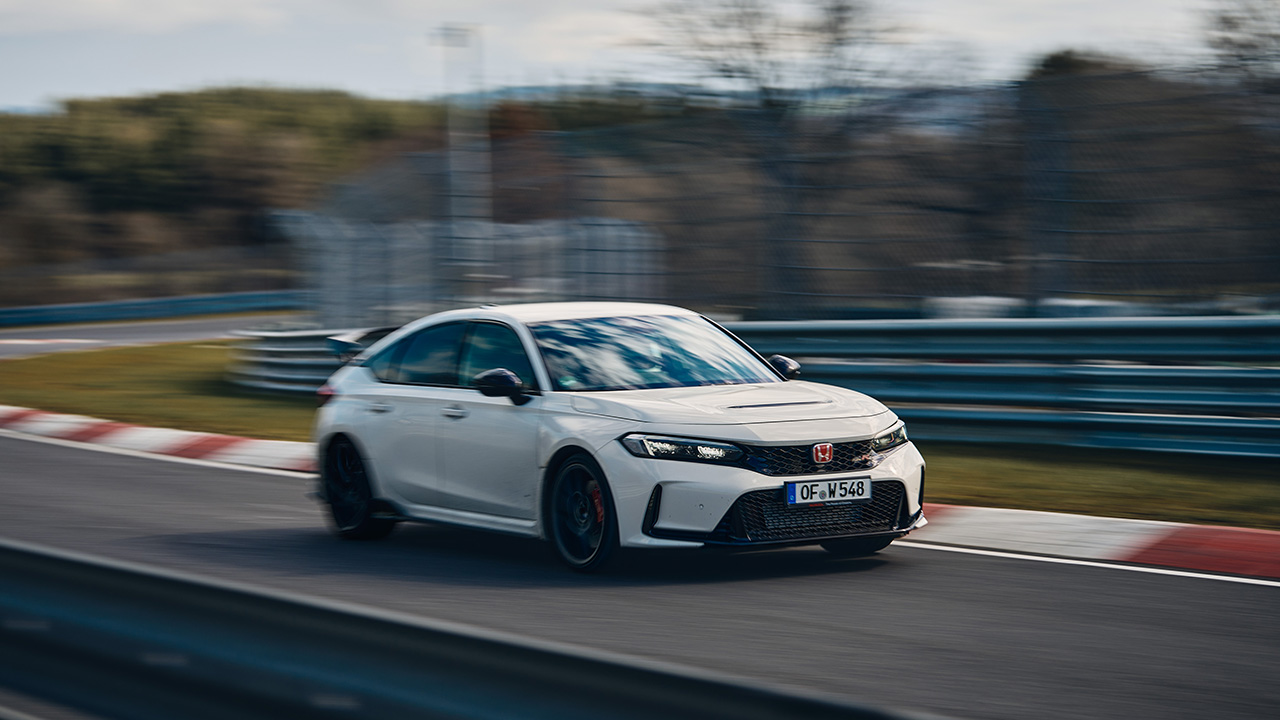
The Civic Type R is admittedly an oddball pick here, and purists will definitely remind you that a four-door hatchback doesn’t meet the traditional definition of a sports car. But it earns its spot because, labels aside, this thing is a serious track weapon and one of the best performance bargains on the market. With all the controversy swirling around the new Prelude, the Type R is also one of our top picks for anyone looking for a compelling alternative with real enthusiast credibility.
Don’t let the wild styling fool you: underneath the aggressive bodywork is one of the most reliable performance cars you can buy, starting around $45,000. Honda’s 2.0-liter turbo four-cylinder makes 315 horsepower while still delivering respectable fuel economy when you’re not pushing hard.
Front-wheel drive might seem like an odd choice for a performance car, but Honda’s engineering turns it into a strength. The chassis tuning and steering precision impress even hardened sports-car enthusiasts, proving that driving enjoyment isn’t limited to rear-wheel-drive purists.
And because it’s still a Civic at heart, you get Honda’s legendary reliability, affordable parts, and a dealer network that exists almost everywhere. Four real doors and a proper trunk mean you never have to justify the purchase — it’s practical transportation that also happens to be genuinely thrilling.
Conclusion

The best part about shopping for a sports car in retirement is that you finally have the perspective to choose based on what actually matters rather than chasing specifications or trying to impress anyone. These cars prove that genuine driving enjoyment doesn’t require constant maintenance headaches, stratospheric insurance premiums, or explaining to your spouse why the car can’t carry groceries.
The sweet spot exists where passion meets practicality, and each of these vehicles finds that balance in its own way. Whether you’re drawn to lightweight roadsters, refined grand tourers, or muscular coupes, there’s something here that’ll put a smile on your face without keeping your mechanic’s kids in college.
After all, you’ve earned the right to enjoy the drive, and these cars are ready to deliver exactly that.