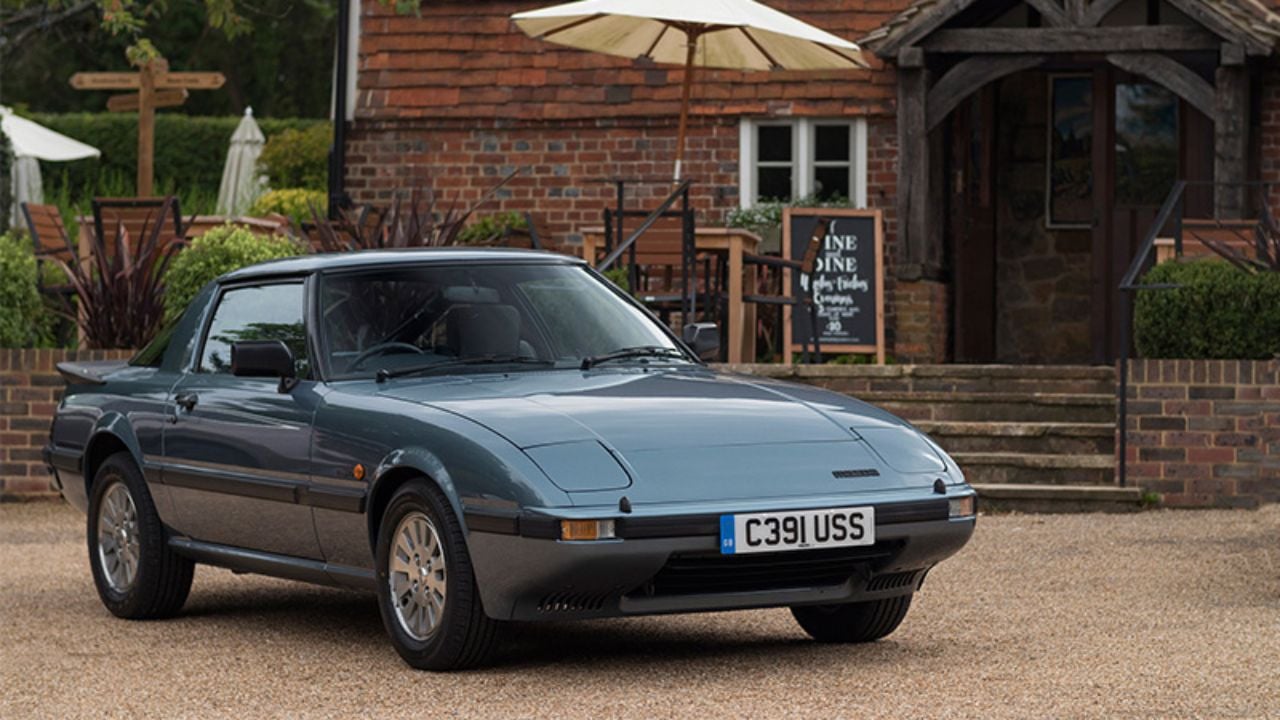
You probably have vivid memories of the 1980s that include leather jackets, new wave clubs, cigarette smoke, and some of the flashiest sports cars ever. Let’s fire up the DeLorean and punch it to 88 miles per hour, because we’re taking a trip back to the 1980s! That totally tubular decade brought us neon lights, big hair, and questionable fashion choices, but also it delivered a glorious wave of sports cars that looked fast even when parked, often because they were parked, probably broken down.
These beauties came loaded with the essentials: pop-up headlights (because cars should wink at you), bold, angular shapes that could cut glass, and just enough technology to feel like you were piloting a spaceship (until it stalled). If you grew up around these machines, you probably remember how utterly wild they seemed. Maybe one sat in your rich uncle’s driveway, or more likely, one graced a poster on your bedroom wall, perpetually coated in a fine layer of dust and teenage dreams.
These cars felt profoundly different from the malaise-era slugs that came before them, and they carried a certain swagger. Sure, some have vanished from the spotlight faster than a stock market crash, and others just slipped out of the conversation like a forgotten Mixtape B-side. Even today, they still hold stories, surprising value, and a road presence that harkens back to that epic decade. The best part? You can rediscover them right now, probably for less than a new set of tires on a Supra.
How We Chose These Standout ’80s Sports Cars
I mean, is it bad to say these cars are just awesome? Alright, if that’s not enough to justify my picks, I chose these peak ’80s sports cars based on their style, innovation, and real-world appeal. Some of these pioneers led the way with technology that made us feel like we were living in Blade Runner, while others focused on pure, unadulterated driving feel, the kind that made you daydream about ditching school and running from the law. We specifically searched for models that once drew attention like a free concert but have since slipped from everyday conversations, unfairly relegated to the dusty corners of automotive memory.
Market trends (read: what was actually cool), historical reviews, and undeniable design influence shaped each choice. Every single car included here left an undeniable mark during its time on the road. These were machines that offered speed and identity at the same time, because in the ’80s, you couldn’t have one without the other. Each one helped shape the decade in its own unique, sometimes bizarre, way. And they absolutely still deserve a spot in the spotlight today. So, let’s get nostalgic!
Toyota MR2 (AW11)

Ladies and gentlemen, behold the Toyota MR2 (AW11)! Wedge-shaped and packed with more personality than a Saturday morning cartoon character, the first-generation MR2 proved that fun didn’t need a large footprint or a six-figure price tag. With its revolutionary mid-mounted engine layout and sharp-as-a-razor reflexes, it brought a level of precision and exoticism usually found in cars that cost more than your parents’ house. It was basically a baby Ferrari, but it started every morning.
This compact design worked perfectly, weaving through city traffic, but it truly came alive on twisty back roads, where it danced like a caffeinated ballerina. Inside, the layout felt focused without being harsh, with controls positioned exactly where they belonged, as if Toyota actually thought about the driver.
The styling gave it presence, even parked meekly between larger, more boring vehicles. Toyota showed that bold ideas could be executed with everyday reliability, a concept that probably baffled Italian supercar manufacturers. Some drivers still remember the almost telepathic way it responded to every input. It created a bond that few cars in its class could offer. Would a modern version ever feel this connected again? Probably not. The original MR2 still carries the quirky charm that made it an instant standout.
It deserves to shine now, decades later.
Pontiac Fiero GT

This car brought American flair to a market dominated by flashy imports, often with a subtle hint of “I might catch fire.” With its wide stance and smooth, almost exotic roofline, it genuinely stood out from everything else on the road, looking like a concept car that escaped the drawing board.
The interior wrapped around the driver like a cheap suit, placing focus on control and visibility, if you could actually see out the back. Pontiac built it with style firmly in mind, creating a coupe that felt surprisingly futuristic for the time, even if under the sleek surface, it was basically an economy car’s suspension glued to a V6.
It became a surprising favorite among those who wanted something different without committing the ultimate sin of buying an import. Even today, it attracts attention from people who never expected it to look so refined, often followed by hushed whispers of “Is that… a Fiero?” It gave weekend drives a sense of occasion, usually accompanied by the faint smell of burning plastic. There was a certain pride in choosing something unconventional.
The Fiero GT delivered that choice with confidence, even if it often needed a new wiring harness.
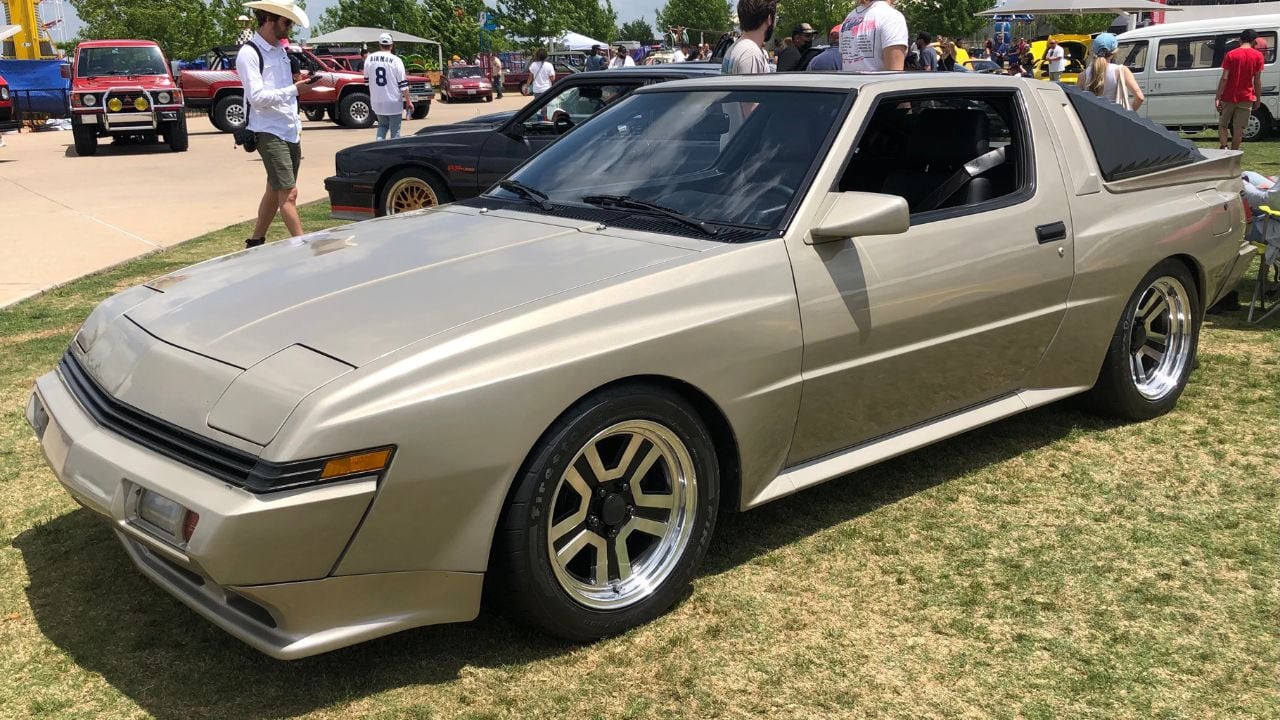
Mitsubishi Starion
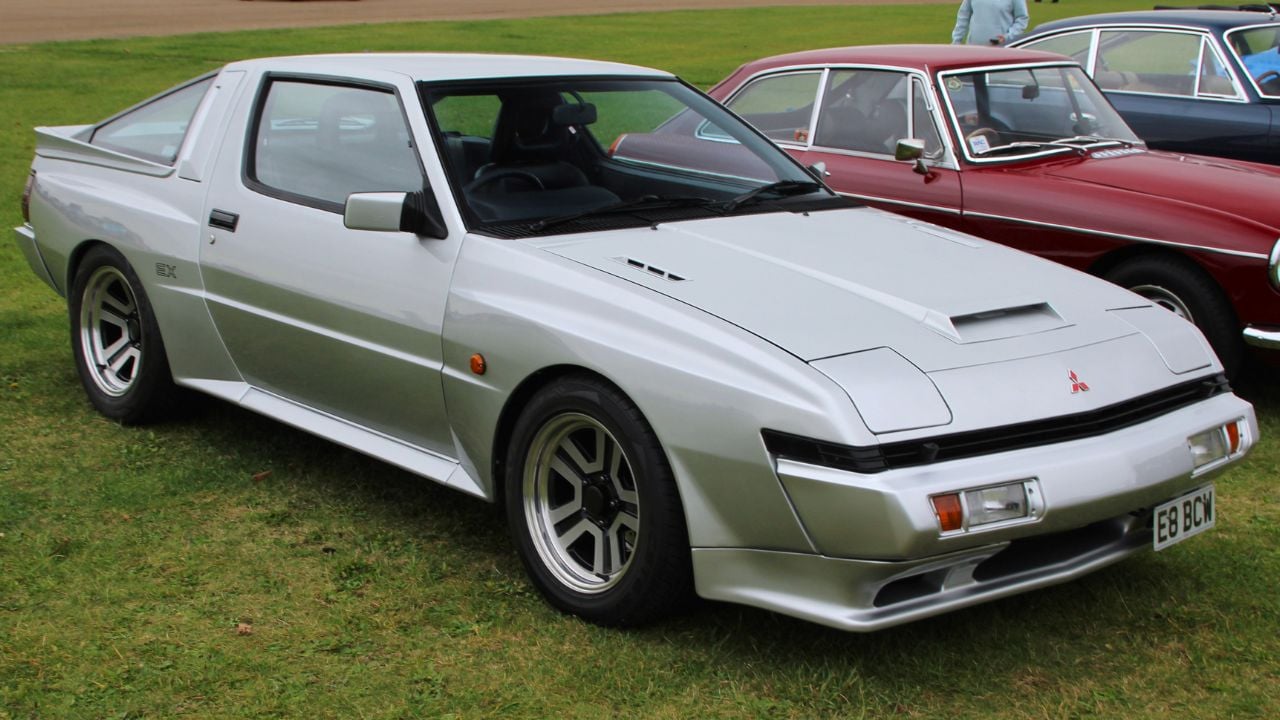
Few cars in the ’80s carried such sharp, unapologetic lines and a strong presence quite like the Mitsubishi Starion (or its Chrysler twin, the Conquest TSi, we’ll get to that). With its aggressively flared fenders and wide stance, this thing looked fast even before the key turned, like it was perpetually flexed. The driving experience, especially in turbo trims, genuinely matched the styling with responsive handling and a purposeful feel that hinted at its motorsport pedigree.
The cockpit-style interior made drivers feel like part of the machine, not just along for the ride, perhaps because you were so tightly enveloped, you had to be. It became a quiet, underrated competitor in a growing field of performance coupes, often underestimated by its rivals.
Mitsubishi used this platform to explore audacious design, clever engineering, and unbridled ambition. Many owners found it rewarding in ways that were hard to explain, probably because nobody else knew what it was. The name still sounds exciting even decades later. Would it succeed again in today’s bland, crossover-filled market? Probably not, but we can dream. The Starion remains a bold, sharp memory from a bold, sharp time.
It’s the kind of car that wears shoulder pads and doesn’t care who knows it.
Nissan 200SX (S12)
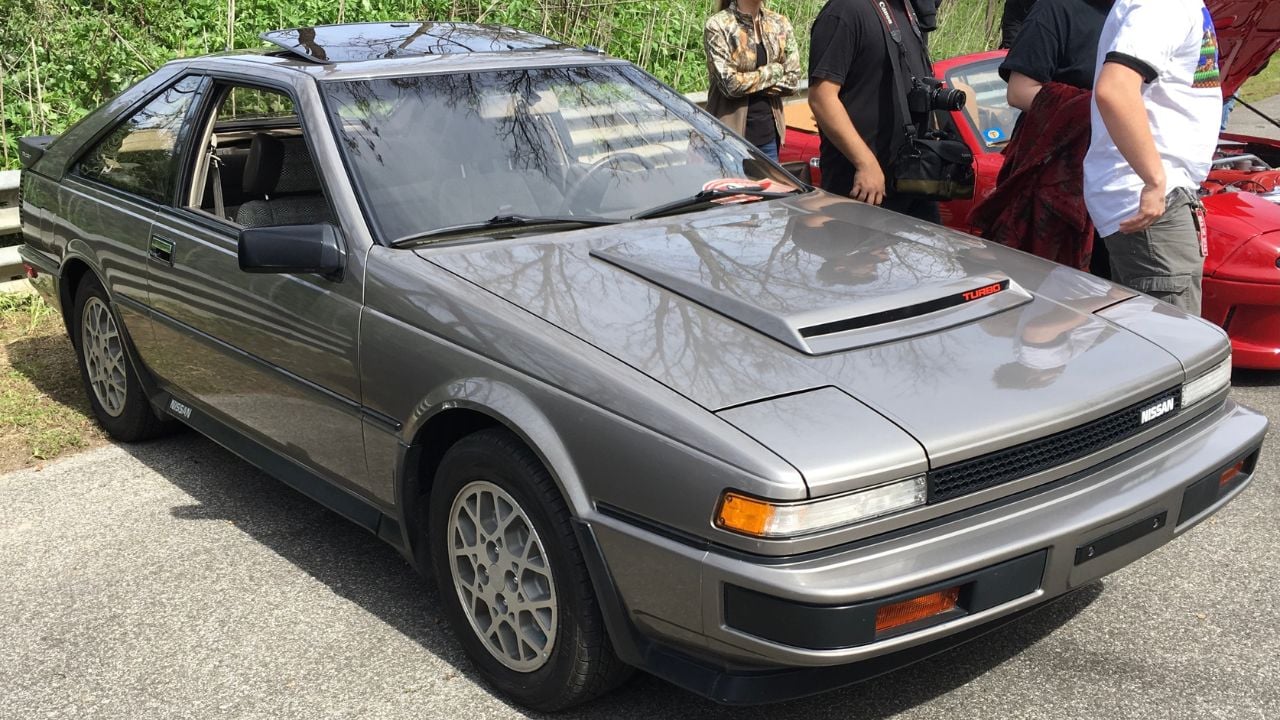
Angular and confidently understated, the S12 generation of the Nissan 200SX brought legitimate rear-wheel drive excitement in a surprisingly daily-friendly shape. While everyone else was hyping up Supras and RX-7s, the S12 quietly got on with the business of being a fun, accessible sports coupe. The design leaned into sharp edges and compact proportions, giving it a unique, almost origami-like silhouette on the street.
The cabin offered comfort without excess, with features aimed squarely at real-world use, not track days you’d never actually do. It didn’t scream for attention, but it delivered balance, charm, and consistency like a reliable best friend.
Nissan gave it just enough aggression to feel sporty without losing approachability. Drivers who grew up with one often speak of it with quiet respect, like a well-kept secret. It handled with a surprising amount of care, but never felt dull or disconnected. The 200SX perfectly filled a space between weekend toy and dependable companion. Today, it feels like a car worth rediscovering for its honest, unpretentious fun.
There was always more to it than first impressions revealed, especially in the turbo models offered in some markets.
Mazda RX-7
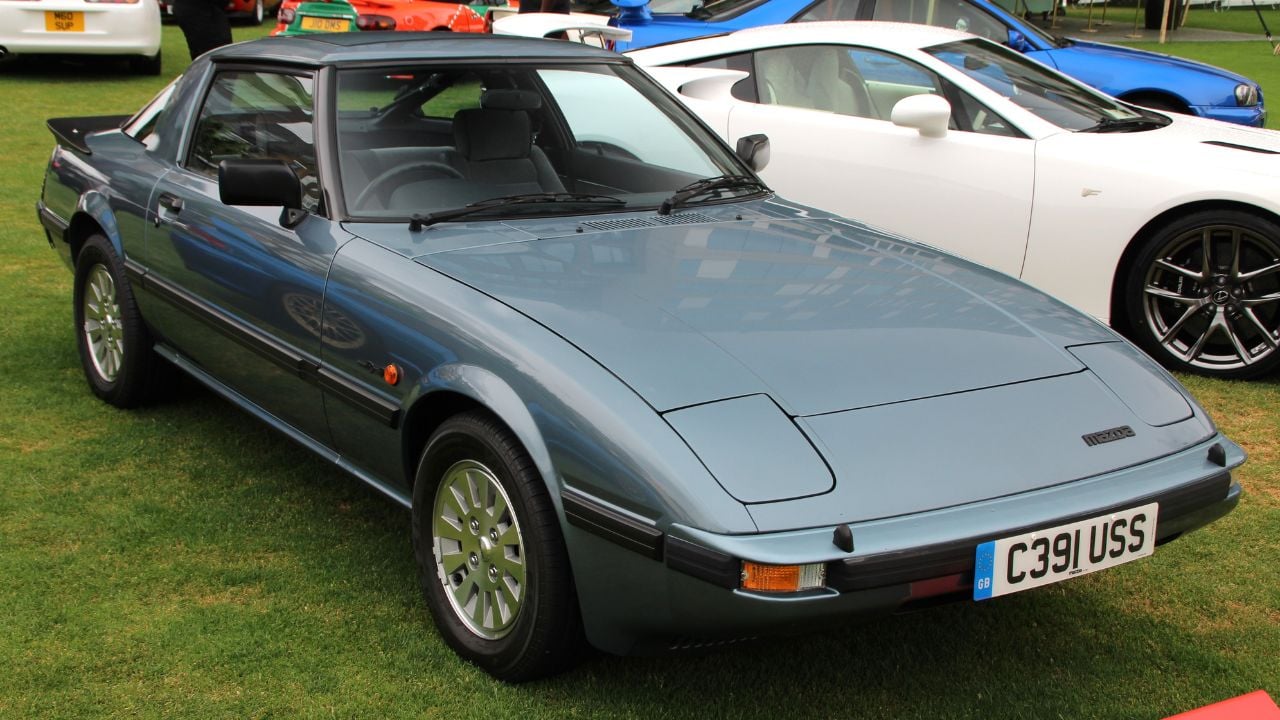
Sleek, smooth, and gracefully different, the first-generation (FB) and second-generation (FC) Mazda RX-7 carried a personality unlike anything else from Japan at the time. With their long hoods and rounded cabins, the proportions just looked right, even though the rotary engine itself was compact.
The real magic was under the hood: a Wankel rotary engine that spun to stratospheric RPMs with a distinctive, almost turbine-like whine. Driving it brought a sense of clarity, where everything responded with gentle, yet surgical precision. Mazda crafted a car that felt delicate yet confident, quick yet composed, a true driver’s machine that rewarded finesse over brute force.
The lightness of the rotary engine helped it feel alive in every environment, whether buzzing through town or carving up a winding road. Inside, simplicity and function defined the space, proving you didn’t need a million buttons to have fun. The RX-7 became more than a car for many owners; it became a trusted companion, sometimes a temperamental one if you neglected oil level and maintenance, since rotaries are designed to inject oil as part of normal operation. It offered a different kind of performance, one rooted in finesse and a high-revving symphony.
What happens when elegance and edge meet? This coupe answered that with every glorious, oil-burning drive.
Isuzu Impulse
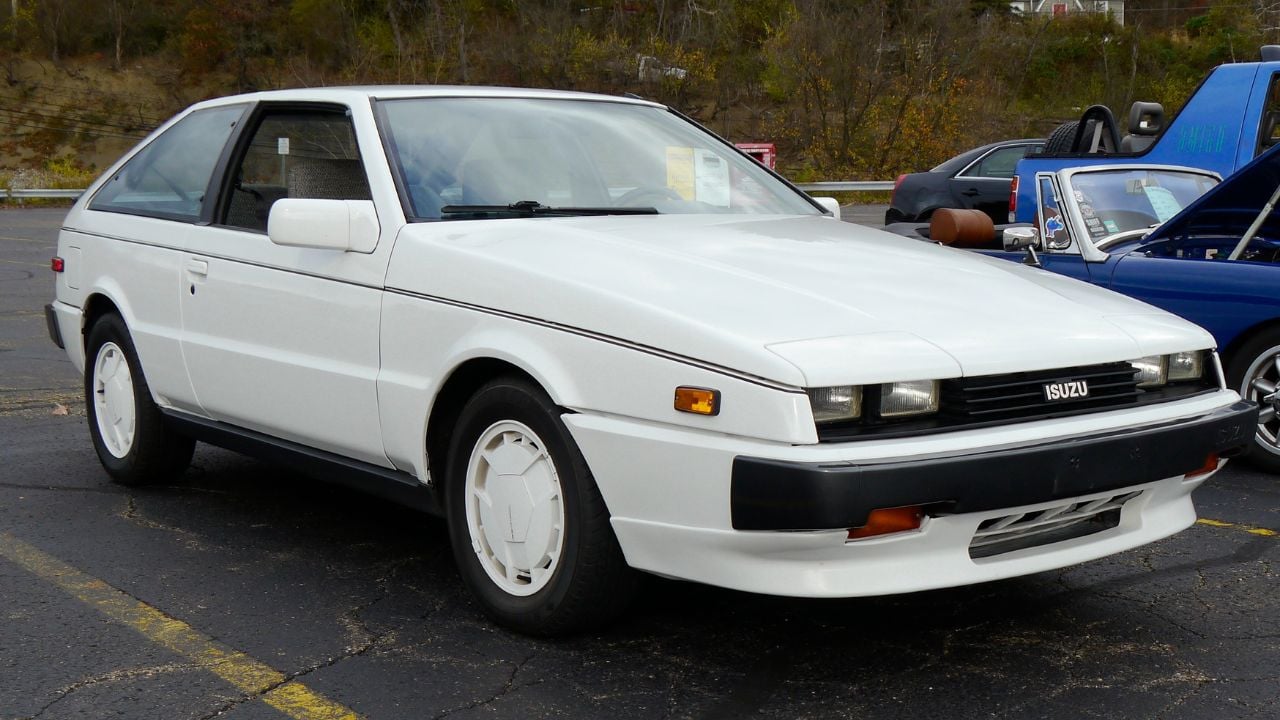
“An Isuzu sports car?” you scoff. Hold your horses, because the Isuzu Impulse was something special. Styled by none other than Giorgetto Giugiaro (the same legend behind the DeLorean and the original VW Golf) and filled with hidden ambition, the Impulse looked ready for a design museum. The body lines curved smoothly across the surface, with just enough flair to make a statement without resorting to ’80s excess.
Inside, the dashboard tilted subtly toward the driver, creating a sense of control without being dramatic, a proper driver-focused cockpit. Isuzu packed it with features uncommon in its class, all wrapped in a shape that elegantly avoided clichés. On the road, especially the turbo models, it moved with surprising composure and just enough energy to keep things interesting.
It felt deeply personal, like something chosen for taste rather than blindly following trends. People who owned one often enjoyed the bewildered look on others’ faces before launching into an explanation of its European design heritage. The Impulse may have lacked lasting fame, but it kept its cool and quietly earned respect.
Today, it feels like a car waiting to be appreciated all over again, a true underdog of ’80s cool.
Chevrolet Camaro Berlinetta
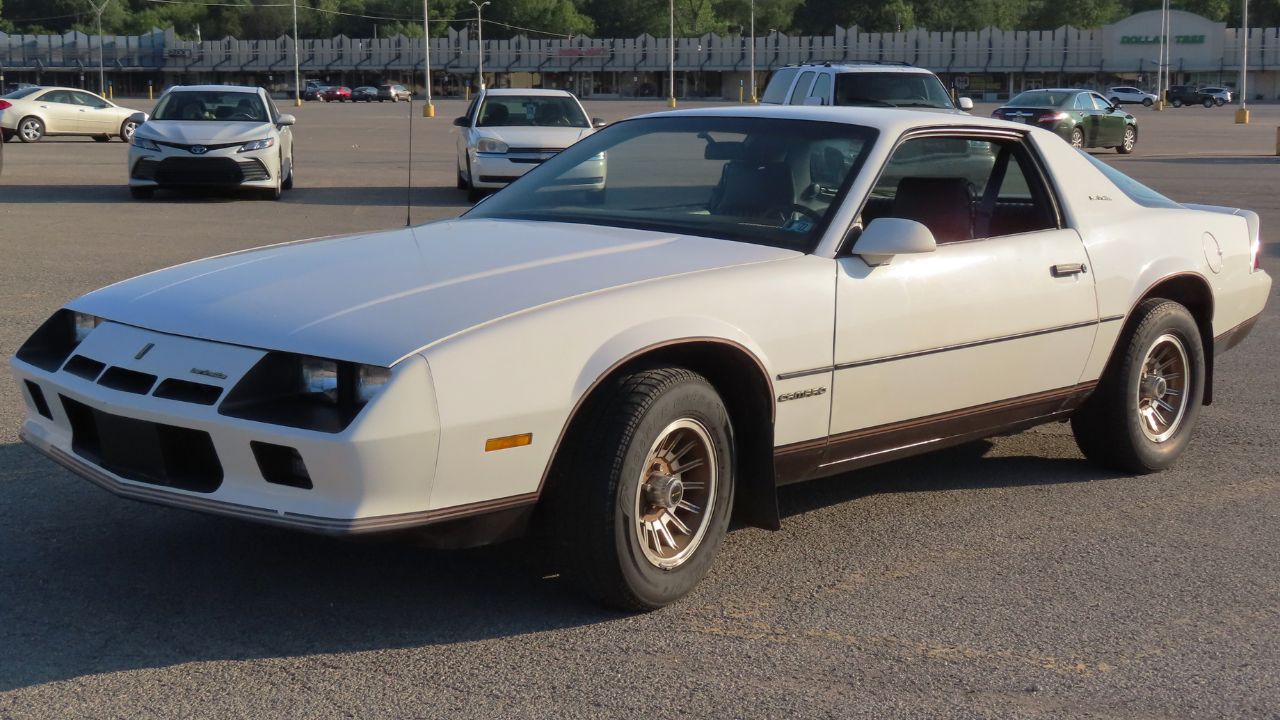
While most of the third-gen Camaro lineup was busy flexing its muscle and trying to go fast in a straight line, the Berlinetta version of the Camaro tried a different path. It was like the sophisticated older brother who went to art school while his siblings were at the drag strip. This trim focused squarely on comfort and technology, ditching the raw aggression for a softer ride and a dash straight out of a sci-fi movie.
It could be optioned with a truly futuristic digital dash (think Knight Rider, but slower) and a softer suspension, aimed at drivers who wanted luxury with their muscle car style. The body remained familiar, but the entire approach changed. Chevrolet took a genuine risk by offering a version that appealed to a more refined, perhaps more mature, audience.
Reactions were mixed, to say the least; purists probably scoffed. Yet, time has given the Berlinetta its own unique identity. Those who wanted something different in a Camaro found it here. It subtly turned the Camaro into something more than just a straight-line machine, proving that an American icon could also be plush.
Would this idea ever work again in a modern setting? The Berlinetta proved it once did, even if it was a bit ahead of its time.
Ford EXP
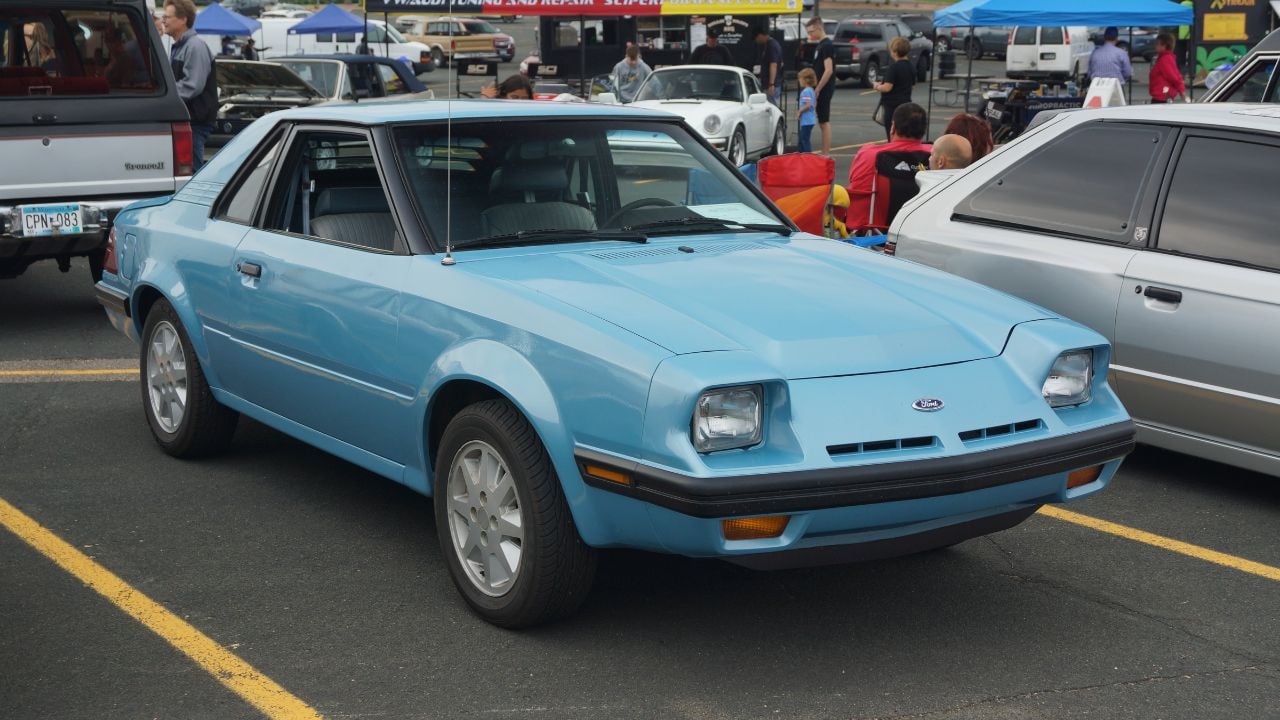
The Ford EXP was basically a mullet on wheels: business in the front (it shared its humble underpinnings with the Escort), party in the back… well, it had a long hood and two seats. Built on a humble platform but dressed like a sleek, sporty coupe, the Ford EXP gave you sporty looks without the associated price tag or actual performance.
It shared parts with more common, boring cars but wrapped them in a body that felt custom-made for attention. The long hood and short rear deck gave it a surprisingly dramatic profile, even if the power stayed resolutely modest. Inside, the layout echoed the exterior’s ambition, with bold angles and just enough space for two (and maybe a briefcase).
This was a car built for style-conscious drivers who wanted fun without sacrifice (of their bank account, that is). Ford gave it flair and kept the mechanics simple, meaning it was actually pretty reliable. It served those who wanted something personal and expressive, a fashion statement on wheels. For a few years, it filled that niche well, offering a taste of sporty coupe life without breaking the bank or your neck. The EXP remains a clever, if sometimes misunderstood, chapter in Ford’s ’80s catalog.
It’s the automotive equivalent of a really cool band that only had one hit song. You want more but know it’s best to remember it fondly.
Alfa Romeo GTV6

The Alfa Romeo GTV6 offered a unique blend of character, control, and a delightful symphony from its Busso V6 engine. With its sharp, angular lines and a practical hatchback shape, it walked the fine line between everyday usability and genuine performance.
The interior exuded a distinct European elegance, with no wasted details and a driving position that usually involved more legroom than armroom. Every drive felt like a passionate conversation between road and driver, often involving hand gestures and a lot of Italian exclamations. It was the kind of car that revealed more of its quirky charm and exceptional handling each time you got behind the wheel.
Alfa Romeo, bless their passionate souls, brought passion and engineering together, creating something truly memorable without making a dramatic scene (well, not always). The transaxle layout and de Dion rear suspension provided handling that inspired confidence, and the experience stayed with you long after parking, usually accompanied by the smell of hot oil. For drivers who cared about feel above raw numbers, it stood apart like a true artist among accountants.
This was not just about reaching a destination; the GTV6 made the journey feel like a glorious, sometimes frustrating, event. Just try not to break down.
Toyota Celica Supra A60
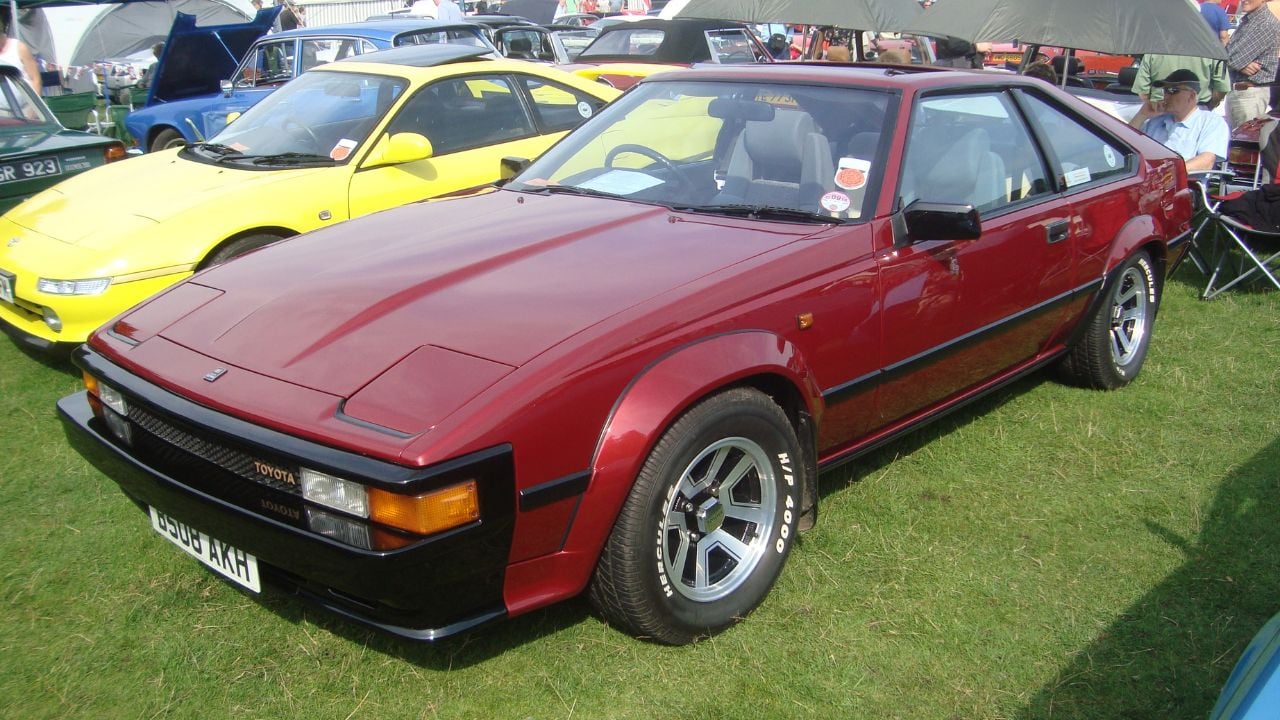
Before the Supra became a global headline-maker and the subject of endless internet debates (and Fast & Furious movie fame), it modestly shared roots with the Celica. The A60 generation of the Toyota Celica Supra carried sharp edges, wide proportions, and a presence that felt unmistakably ’80s, like a geometric ninja.
Those signature flip-up headlights, bold wheel arches, and a focused interior made it feel far more ambitious than its price suggested, offering a taste of GT car luxury. Driving one felt smooth and direct, with handling that encouraged longer drives, probably with the sunroof open and a Journey cassette playing.
Inside, early models even featured quirky digital gauges (the future, apparently!) and deep bucket seats that offered a glimpse into automotive cyberspace. Toyota struck a near-perfect balance between sport and comfort that worked for commuters and aspiring street racers alike. The Celica Supra carried legacy without chasing fame; it was just quietly excellent.
Today, its confident styling and balanced personality deserve fresh attention as the true progenitor of a legend.
Dodge Daytona Turbo Z

Bold design and a serious dose of digital flair helped the Dodge Daytona Turbo Z stand out in the growing field of ’80s coupes. This thing looked like it was designed with a ruler, featuring sharp lines, wide expanses of glass, and an unmistakable wedge profile that fit the decade perfectly.
Inside, drivers found those futuristic digital gauges (remember the full digital dash?), bolstered seats that actually hugged you, and a cockpit layout that genuinely encouraged focus, probably because you were trying to decipher all the glowing numbers. The drive rewarded confidence, especially on highways where the front-drive chassis felt surprisingly planted and responsive, thanks to its 2.2L turbocharged engine.
Dodge, under the guidance of Lee Iacocca, pushed this model as a bridge between economy and excitement, and it posted strong early production numbers. Drivers appreciated the strong styling and genuine road presence. Though it often lived in the shadow of larger names like the Mustang or Camaro, it carried personality with pride, a true “underdog with boost.”
Today, the Turbo Z feels like a time capsule that still delivers style, a surprising amount of spirit, and the unmistakable sound of ’80s turbo whine.
Why These 80s Sports Cars Still Matter
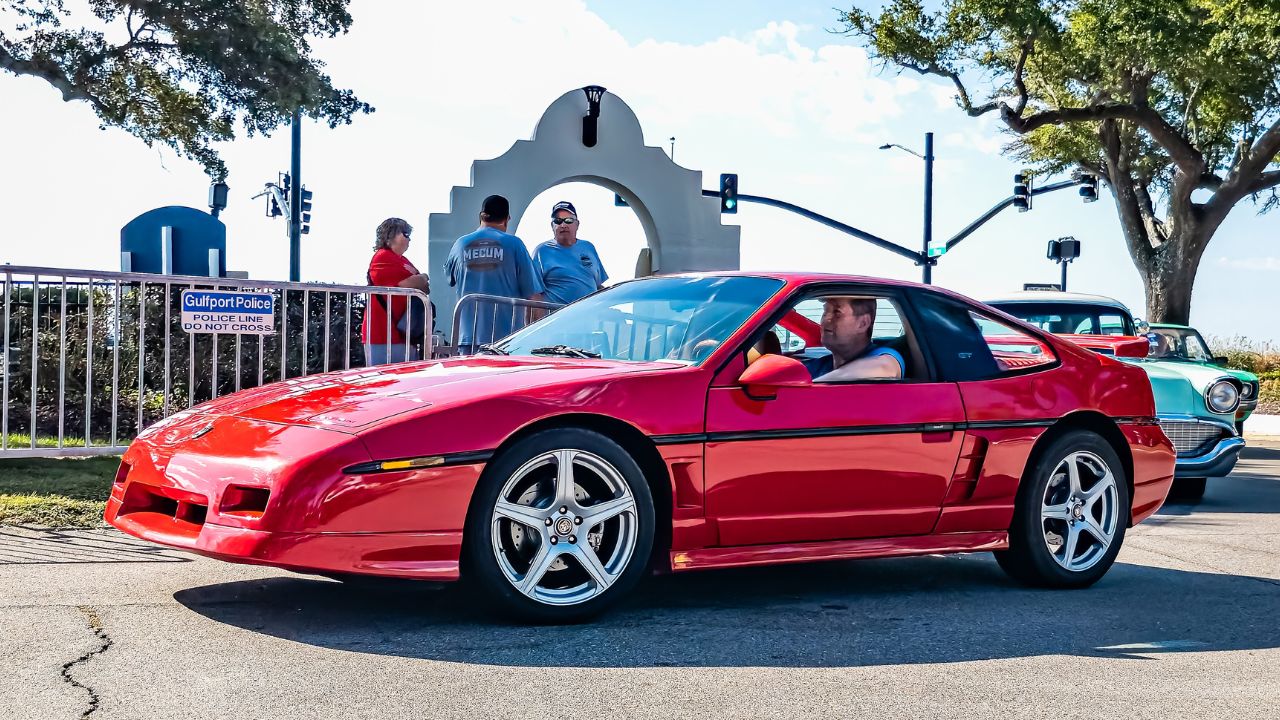
Cars from the 1980s had a certain kind of unapologetic confidence that feels incredibly rare today. They came from a time when bold shapes, genuinely new ideas, and real personality mattered more than statistical perfection or blending in. You may have forgotten a few of these names, but trust me, they helped shape the roads we drive now and the cars we obsess over. And now that you’ve seen them again, you’ll be thinking about them for a long, long time.
These cars brought more than just numbers or flash; they brought undeniable character and a story to every stoplight. Some looked ahead with visionary designs, while others simply stood proudly in their own lane, defying convention. Either way, they earned a second look, a double-take, a whispered “Whoa.”
If you still remember how one of them made you feel, maybe it never really left your automotive soul.