
Road trips feel easy until one small oversight turns into a chain reaction. A skipped maintenance check becomes a breakdown, a loose plan turns into a midnight hotel hunt, and one rushed decision leads to a ticket or an argument in the car.
The upside is that most bad trip stories follow familiar patterns, which makes them easier to avoid than people think.
Think of this as a pre-departure reality check. None of these mistakes require expert-level travel knowledge to fix. A few smart habits before you leave, plus better choices once the wheels are moving, can keep the trip enjoyable from day one to the final stop.
1. Skipping a Basic Vehicle Check Before You Leave

Tires, brakes, fluids, and wipers are not exciting, but they often decide whether a road trip feels smooth or stressful. A slow leak, low oil, or weak battery can turn into a roadside problem far from help. Many people get caught off guard simply because the car seemed fine before departure.
A quick inspection makes a real difference. Check tire pressure, look at tread, top off fluids, test the lights, and make sure the wipers are actually doing their job. Keep a spare tire, jack, and basic emergency gear in the car, because a few minutes of preparation at home can save hours of frustration later.
2. Packing the Itinerary Too Tightly

A road trip starts to unravel when every hour is scheduled and every delay feels like a problem. Traffic, weather, construction, and slow service at stops are all normal parts of the experience. When there is no breathing room in the plan, even a small delay can throw off the whole day.
It helps to build each day around one main anchor and let the rest stay flexible. Add buffer time for fuel, meals, bathroom breaks, and spontaneous stops that look worth your time. Arriving early should feel like a bonus, not the only way the day counts as a success.
3. Driving Too Far in One Day
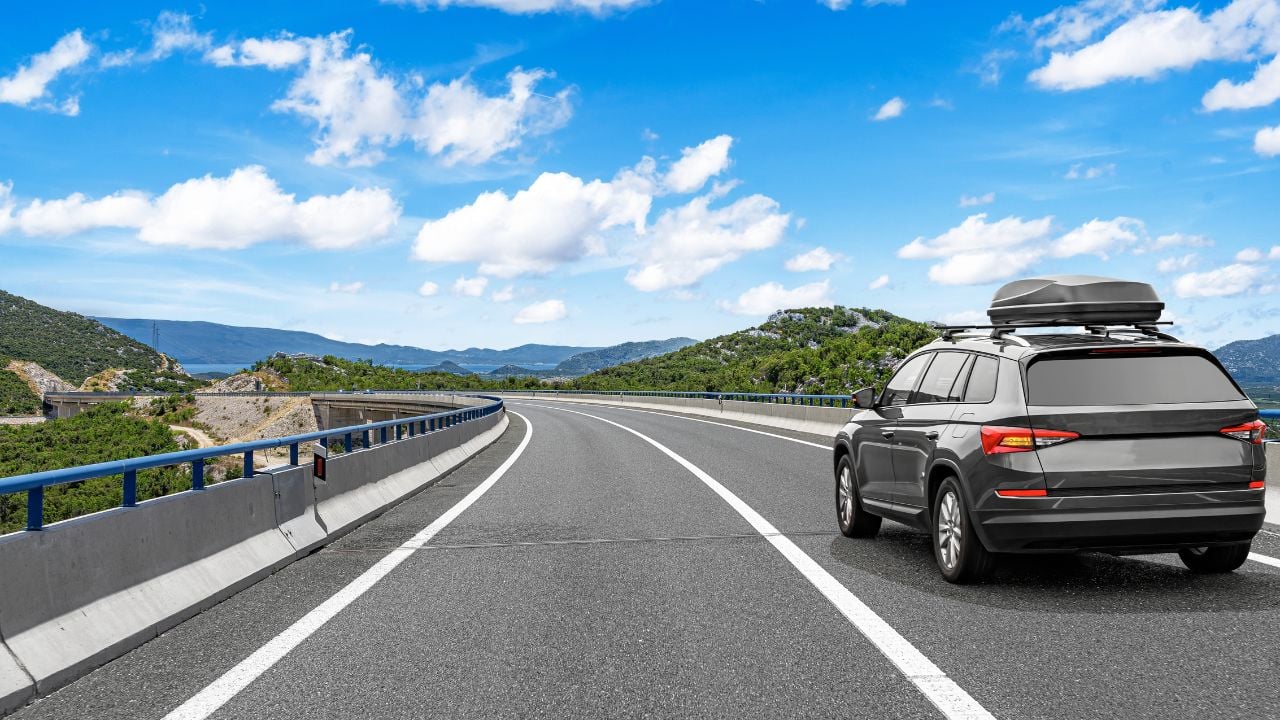
Long driving days can sound efficient on paper, but they often leave everyone tired, irritable, and less interested in the places they came to see. Fatigue also makes unfamiliar roads riskier. At a certain point, the trip stops feeling like travel and starts feeling like a test of endurance.
Keep the daily mileage realistic and plan breaks every couple of hours. Switch drivers when possible and stop before exhaustion sets in. Drowsy driving is not something to shrug off, and a shorter day with one memorable stop is usually worth more than a marathon stretch filled with gas stations and fast food.
4. Not Budgeting for Hidden Costs

Gas is only the beginning. Parking fees, tolls, national park passes, snacks, higher restaurant prices in tourist areas, and last-minute extras can build faster than expected. Most people do not blow the budget on one dramatic expense. It usually happens through a pile of smaller ones.
Set a daily spending cushion and assume some extras will appear. Download toll or parking apps ahead of time if your route depends on them. Bring snacks, water, and a cooler so every hunger stop does not turn into another expensive purchase.
5. Relying on One Navigation Method

Phones lose signal, batteries run low, and apps sometimes suggest routes that make no sense. In rural areas, even a strong carrier can disappear quickly. When navigation depends on one device and one app, a simple wrong turn can become a much bigger problem than it should be.
Download offline maps before you leave and keep a paper map in the car as backup. Save important addresses in a notes app so they stay accessible without service. It also helps to bring a car charger and a power bank so directions never depend on luck.
6. Ignoring Weather and Road Conditions

A beautiful route can stop being fun the moment conditions turn. Heavy rain, snow, high winds, wildfire smoke, or road closures can change what is comfortable and what is safe. Problems often start when people rely on yesterday’s forecast instead of checking what the road actually looks like today.
Make weather and road alerts part of the morning routine. If conditions look rough, reroute early instead of hoping things improve by the next bend. Bring layers, rain gear, and extra water even on shorter drives.
7. Leaving Late and Starting Stressed

The first day sets the tone for everything that follows. Leave late, skip breakfast, rush into traffic, and suddenly the entire car feels tense before the trip has even properly started. Small annoyances grow quickly when everyone is already hungry, tired, and behind schedule.
Pack the night before and make the departure morning as simple as possible. A basic routine helps: coffee, bathroom, gas, go. The smoothest road trips usually begin quietly, without panic and without drama.