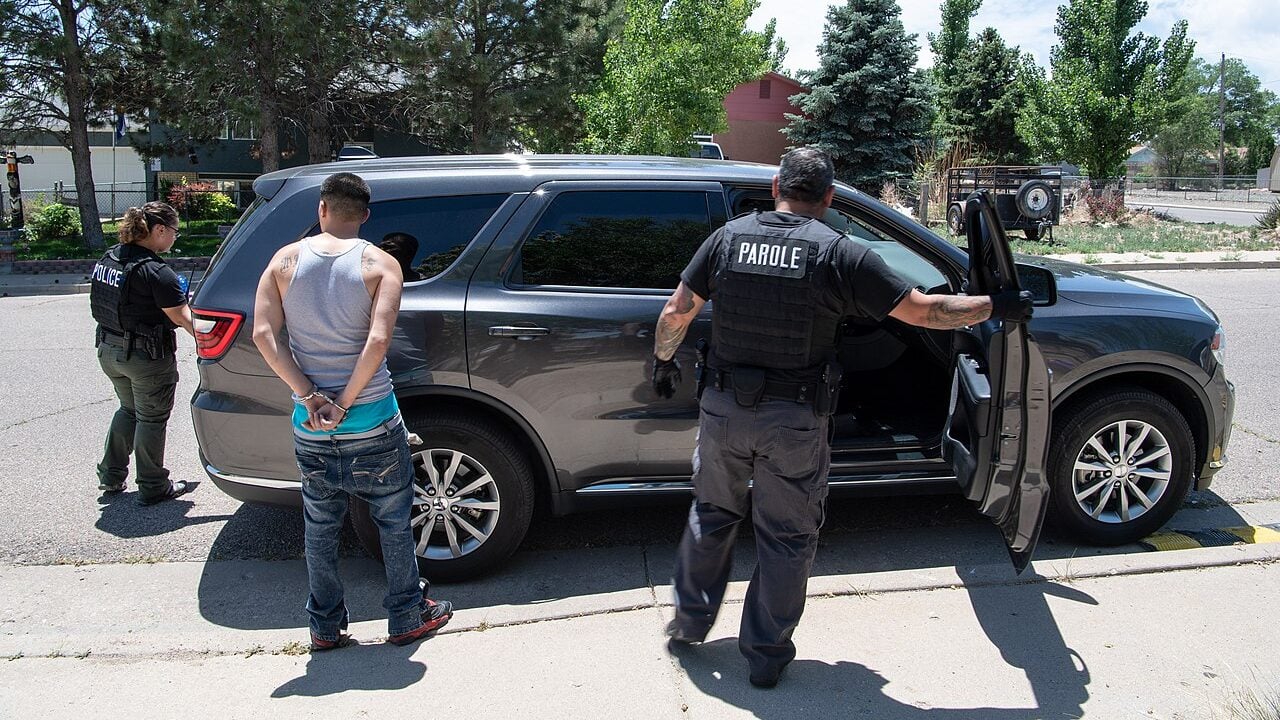

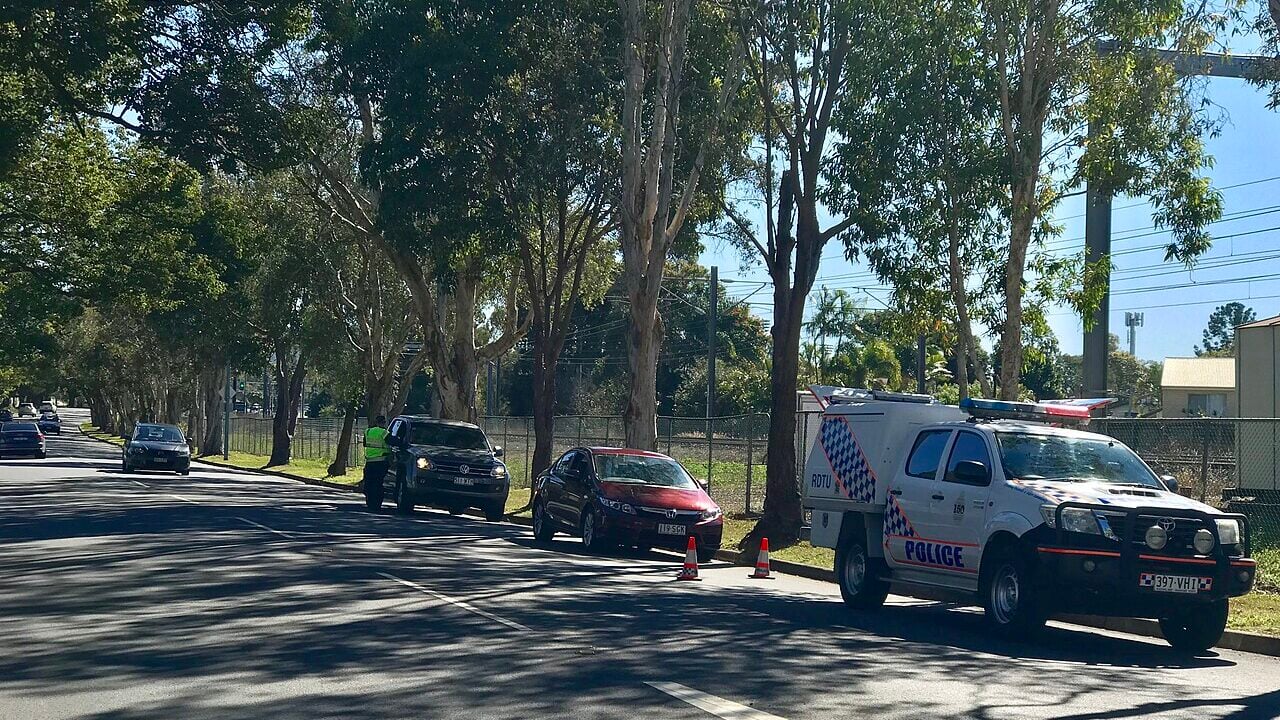
On a quiet stretch of highway, a traffic stop can unfold with a familiar rhythm. Flashing lights, a cautious approach, a few questions, and sometimes a small plastic pouch is pulled from a glovebox or pocket.
In many cases across the United States, that moment has been enough to set off a chain reaction driven by a simple chemical test kit. For years, those kits have carried an authority that far exceeds their scientific limits.
A recent report by CNN pulls back the curtain on how these roadside drug tests, widely used by law enforcement, have led to wrongful arrests on a staggering scale.
The investigation highlights a problem that has simmered beneath the surface of the justice system, affecting thousands of people who found themselves accused based on results that were never meant to be final proof.
The Flawed Science Behind the Kits
The tests in question are known as colorimetric field kits. They are small, inexpensive, and designed for speed.
Officers break a sealed ampoule, expose the chemical to a substance, and watch for a color change that suggests the presence of illegal drugs. In theory, they serve as a preliminary screening tool. In practice, they have often been treated as something far more definitive.
It turns out the science behind them is far from foolproof.
Common, harmless materials have triggered positive readings for narcotics. Substances as ordinary as sugar, chalk, or even residue from everyday environments have been linked to false identifications.
The margin for error is not trivial. Studies cited in the report suggest that false positives can occur at rates that would be unacceptable in almost any other technical field.
For those caught in that gap between assumption and accuracy, the consequences can be severe. The article recounts stories of individuals who were detained, charged, and held for extended periods while awaiting laboratory confirmation that would later clear them.
In some cases, people lost jobs, housing, and financial stability. The initial test result, despite its limitations, carried enough weight to alter lives in an instant.
Colorado Draws a Line: No Arrest on a Field Test Alone

This is where the story takes a decisive turn toward reform. Lawmakers in Colorado have taken a step that could reshape how these tests are used nationwide. With the passage of House Bill 1020, the state has effectively drawn a line between suspicion and proof.
Under the new law, a positive result from a roadside drug test is no longer sufficient grounds for an arrest on its own. Instead, officers are required to issue a summons in many low-level possession cases, allowing the accused to remain free while more reliable laboratory testing is conducted.
This shift recognizes a critical truth that has long been acknowledged by scientists but overlooked in day-to-day enforcement: these kits are indicators, not verdicts.
The legislation also introduces an important layer of transparency. Defendants must now be informed about the known error rates associated with these tests and their right to request confirmatory analysis. This brings scientific reality into the legal process, aligning procedure with evidence rather than assumption.
Like Repair Shops, Like Drug Tests
For drivers everywhere, the parallels are hard to ignore.
Modern cars come brimming with sensors and diagnostic systems designed to flag potential issues. Yet no mechanic would replace an engine based solely on a warning light without deeper inspection. Precision matters. Verification matters. Acting on incomplete data can lead to costly mistakes.
The same principle now finds its way into law enforcement policy in Colorado. By limiting the power of these roadside tests, the state has acknowledged that speed and convenience cannot come at the expense of accuracy and fairness.
As the debate continues, other states will soon demand similar legislations. The implications stretch beyond policing into broader questions about how technology is trusted and applied in high-stakes situations.
Meanwhile, we know that a small plastic test kit, once treated as a decisive tool, is being reexamined under a much brighter and more critical light.
Sources: CNN.