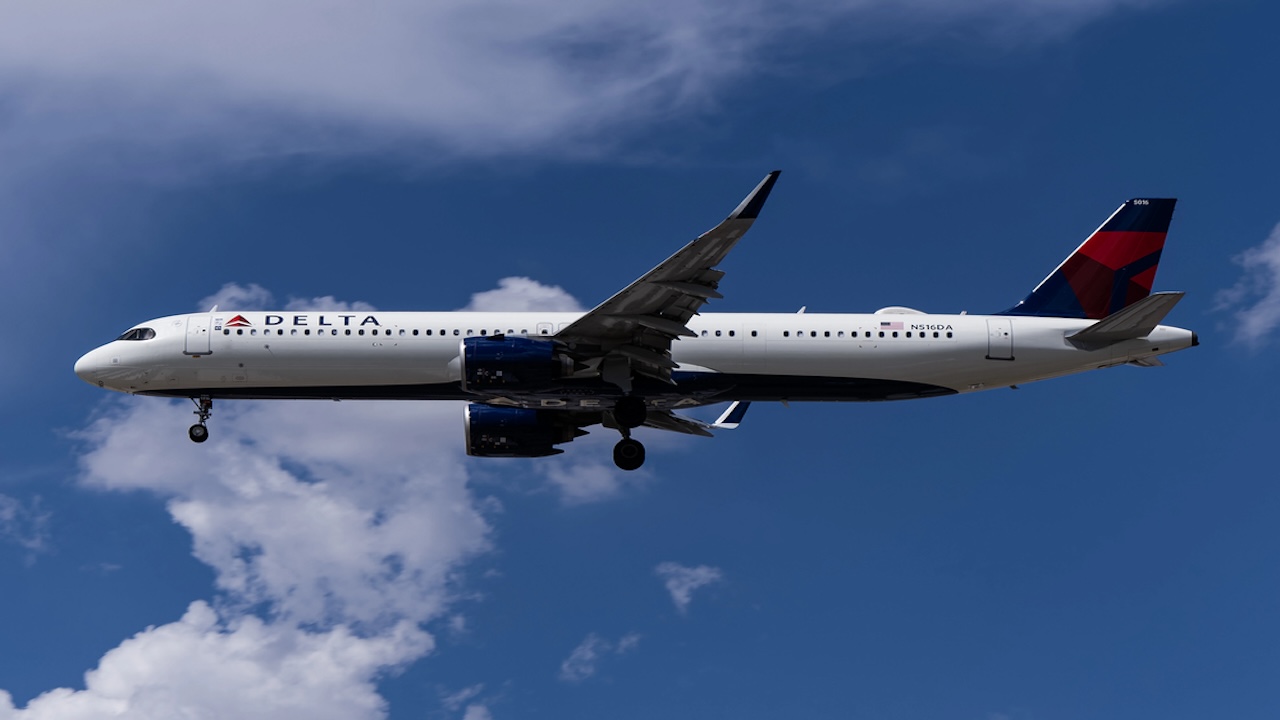
A Delta Air Lines flight carrying 284 passengers narrowly avoided a potential collision with a Cape Air aircraft at Boston Logan International Airport on Thursday afternoon, forcing the wide-body jet to execute an emergency go-around maneuver just 200 feet above the runway.
The Incident
Delta Flight 263, an Airbus A330 traveling from Paris Charles de Gaulle Airport, was approaching Logan around 4:15 p.m. when air traffic controllers ordered the crew to abort their landing. The aircraft had been diverted to Boston from its original destination of John F. Kennedy International Airport due to weather conditions in New York.
The Delta flight descended to approximately 200 feet, just before the runway, before climbing again to 4,100 feet to avoid Cape Air Flight 548, which had been cleared for takeoff from an intersecting runway. Aviation experts reported the two aircraft came within half a mile of each other, with the Delta plane as low as 150 feet when the go-around was initiated.
Dramatic Radio Communications
“Heavy, that was close,” the Delta pilot said over the radio after the successful avoidance maneuver. “Yeah, man, not cool,” the Cape Air pilot responded. Audio recordings captured the Cape Air pilot’s surprise, with him saying “What the heck?” during the incident.
The Cape Air flight ultimately departed at 4:17 p.m. bound for Bar Harbor, Maine, while the Delta flight safely landed at 4:38 p.m. after circling around for another approach.
FAA Investigation Underway
The Federal Aviation Administration has launched an investigation into the near-miss incident to determine whether proper safety protocols were followed and review the circumstances surrounding the air traffic clearances. Initial reports indicate that both aircraft had received proper clearances for their respective operations, but the Cape Air aircraft had not cleared the runway by the time Delta was on short final approach.
Sources suggest the Cape Air aircraft delayed its takeoff roll by 20 to 30 seconds after receiving clearance, with no indication from the controller requiring immediate departure.
Broader Staffing Crisis Context
The incident occurs against the backdrop of a severe nationwide air traffic controller shortage that has been exacerbated by the ongoing government shutdown. An independent safety review commissioned by the FAA in 2023 found that inadequate air traffic control staffing, combined with outdated equipment, was “rendering the current level of safety unsustainable”.
According to the National Air Traffic Controllers Association, the FAA is approximately 3,800 controllers short of adequate staffing levels, with more than 41% of certified controllers working 10-hour days, six days a week. As of September 2023, nearly half of the FAA’s 290 air control facilities were understaffed, with 128 facilities falling short of the agency’s 85% staffing goal.
Shutdown Impact on Aviation Safety
The current government shutdown has severely impacted air traffic operations, with the FAA reporting that 80% of controllers in the New York City area were absent on Friday, and half of the nation’s 30 busiest facilities experiencing staffing shortages. Since October 1, there have been at least 264 instances of staffing problems reported at FAA facilities, more than four times the 60 reported during the same period last year.
Transportation Secretary Sean Duffy reported that air traffic staffing has been cut by 50% in some areas since the shutdown began, with controllers working without pay for over a month.
Airport Layout Challenges
Boston Logan’s complex layout, featuring six runways with varying orientations that intersect each other, requires particularly precise traffic coordination and clear communication between controllers and pilots. The airport’s configuration makes simultaneous operations on intersecting runways especially challenging, necessitating exact timing and coordination.
Aviation safety experts have connected controller staffing shortages with an increase in “near misses” or runway incursions, with approximately 1,757 such incidents recorded in 2024.
The Boston Logan incident underscores the critical importance of adequate air traffic control staffing and the mounting pressure on the aviation system as controllers continue working extended hours without pay during the federal shutdown.