The automotive world has always been driven by innovation, but some cars did more than push the envelope: they completely rewrote the letter inside.
These groundbreaking vehicles introduced features and technologies that seemed almost futuristic at the time, forever changing what drivers expected from their rides. From safety innovations that saved countless lives to engineering marvels that redefined performance, these classics proved that sometimes the craziest ideas become tomorrow’s standard equipment. Each of these cars gave us something genuinely new, something that made other manufacturers scramble to catch up.
These cars dared to be different and changed the automotive world forever.
1934 Citroën Traction Avant
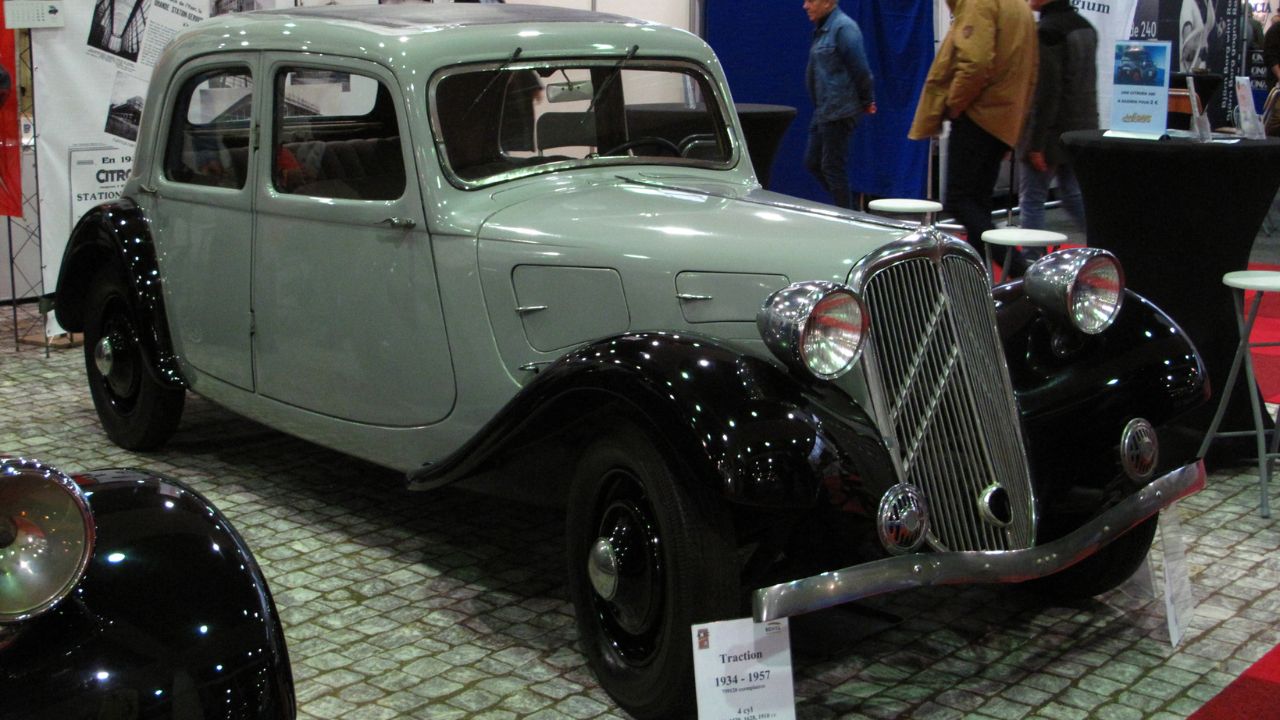
The Citroën Traction Avant basically invented the modern car layout as we know it.
This French beauty was one of the earliest truly mass-market front-wheel-drive cars. Front-drive production cars existed earlier (notably DKW’s F1 in 1931, and the lower-volume Cord L-29 in the U.S.), but the Traction Avant brought front-wheel drive plus unitary construction to large-scale production. Beyond the drivetrain, it featured a unibody construction instead of the traditional body-on-frame setup, making it lighter and more rigid.
The independent front suspension provided handling that left competitors in the dust, literally. Citroën didn’t just build a car; they built a template that would influence automotive design for generations.
Even gangsters loved them; the Traction Avant became the getaway car of choice across Europe.
1948 Tucker 48

Preston Tucker’s dream machine arrived with more innovations crammed into one car than seemed physically possible.
The Tucker 48 featured a center-mounted “Cyclops” headlight that turned with the steering wheel, something that wouldn’t become common until decades later. Its rear-mounted flat-six engine, safety-minded interior ideas (including padding), and the center ‘Cyclops’ headlight that turned with the steering were ahead of their time. Disc brakes were explored during development, but the production cars used drum brakes, prioritizing safety when most manufacturers barely considered it.
The pop-out windshield was designed to protect passengers during collisions, and the car included a perimeter frame that created a protective safety cage. Only 51 were ever built before Tucker’s company collapsed, but every single one proved that innovation doesn’t always need big production numbers to make a big impact.
The Tucker remains one of history’s greatest “what ifs.”
1956 Citroën DS
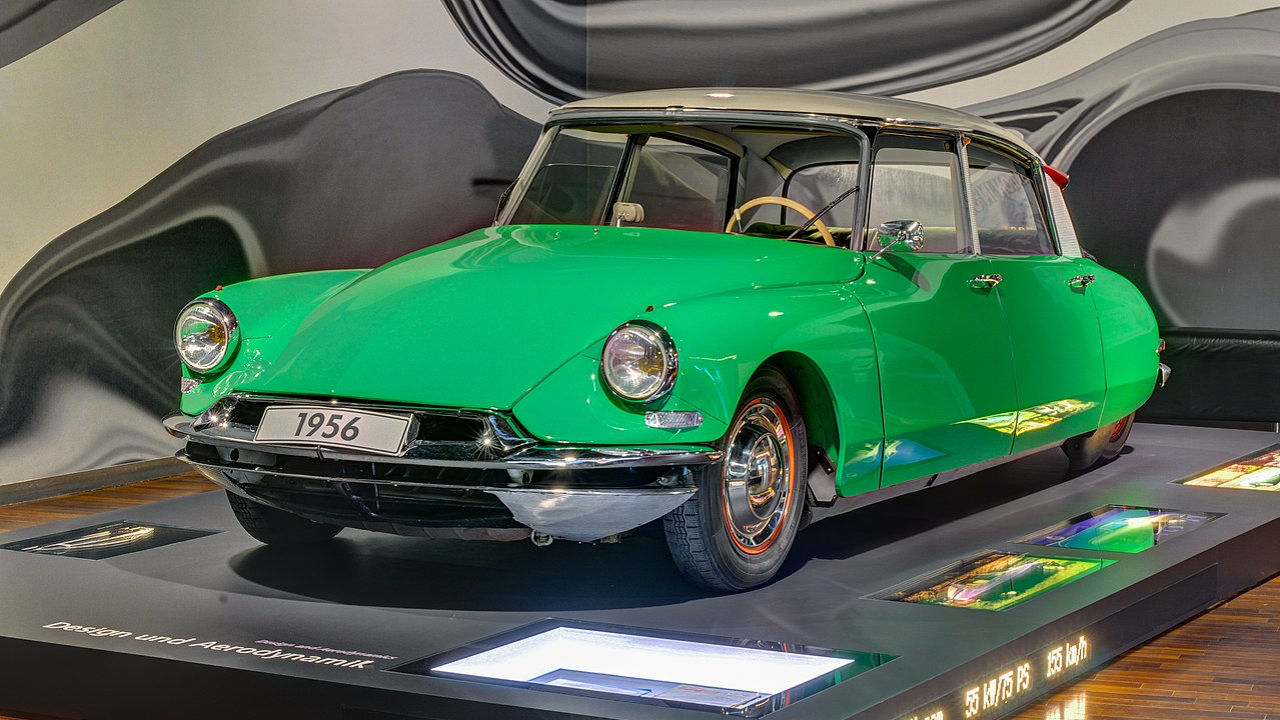
When the DS debuted at the Paris Auto Show, by the end of the first day, Citroën had taken about 12,000 orders (with hundreds placed within the first minutes).
This wasn’t just hype, the DS introduced hydropneumatic suspension that could raise and lower the car, self-level regardless of load, and provide a ride quality that felt like floating on air. The semi-automatic transmission, power steering, and aerodynamic design were all cutting-edge for the mid-1950s.
Its futuristic styling looked like it had driven straight out of a science fiction movie, and honestly, it kind of had. The DS showed that comfort and technology could coexist beautifully, setting new standards for luxury vehicles worldwide.
1959 BMC Mini
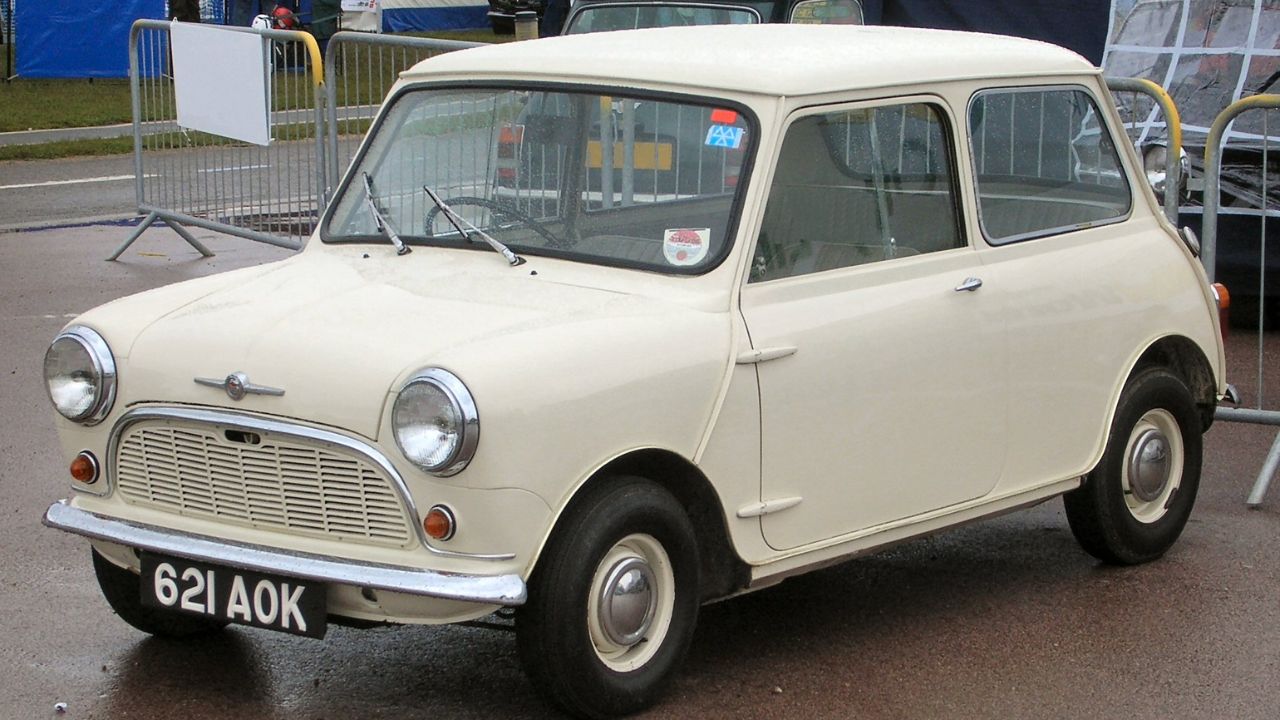
Alec Issigonis took the challenge of building a small, fuel-efficient car and turned it into a masterclass in space efficiency.
The Mini popularized the modern transverse-engine, front-wheel-drive small-car layout, especially with its gearbox packaged in the engine’s oil sump, a formula that became massively influential. By mounting the transmission in the oil sump, Issigonis freed up interior space, creating a car where 80% of the footprint was dedicated to passengers and luggage.
The tiny 10-inch wheels were pushed to the corners, maximizing cabin room while maintaining nimble handling that made the Mini a giant-killer on racing circuits. It proved that you didn’t need a big car to have big fun, sparking a cultural phenomenon that transcended mere transportation.
The Mini’s design philosophy still influences urban vehicles today.
1961 Jaguar E-Type
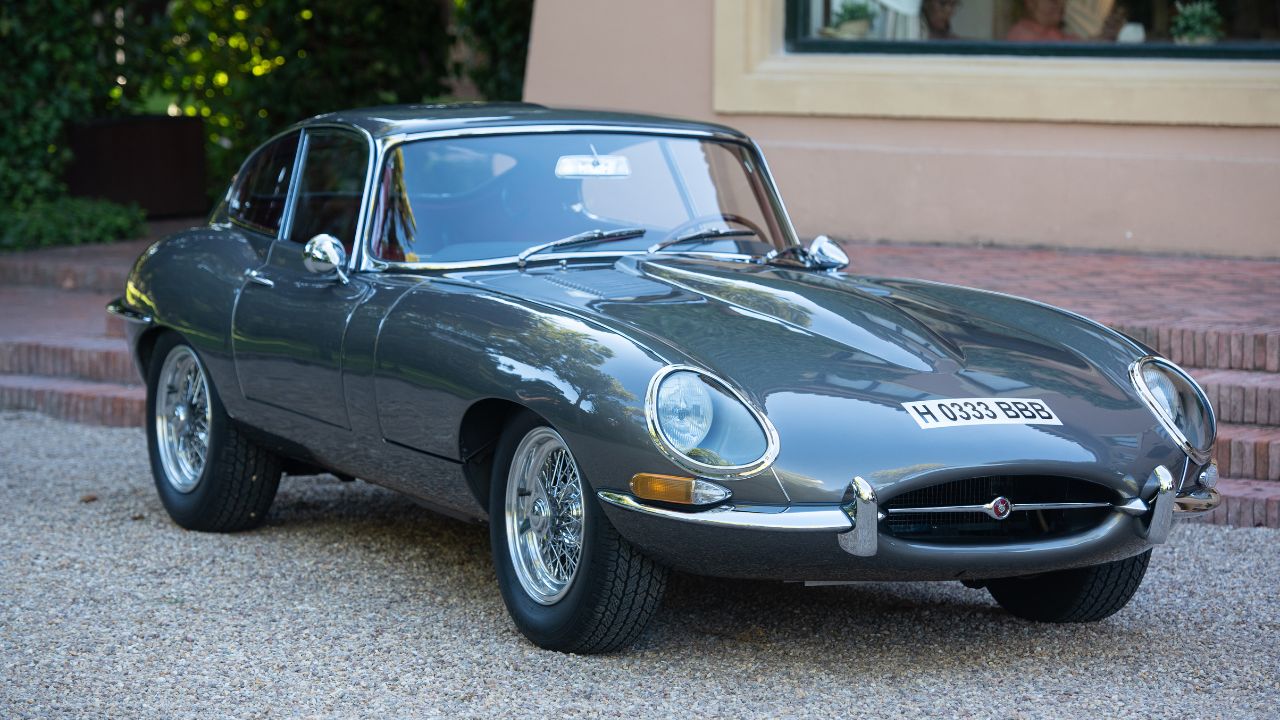
The E-Type is often credited with the quote ‘the most beautiful car ever made’ (commonly attributed to Enzo Ferrari), but the attribution is secondary and frequently repeated rather than cleanly documented.
It brought independent rear suspension to the sports car world at an affordable price point, giving it handling dynamics previously reserved for race cars. The monocoque construction reduced weight while increasing rigidity, and the disc brakes on all four wheels were still uncommon in 1961.
With a top speed of 150 mph and in the U.S. it was road-tested at about $5,620, it offered supercar performance for a fraction of what Ferrari charged. Advanced engineering and stunning design didn’t have to be mutually exclusive with cars as special as the E-Type.
It set the template for every British sports car that followed.
1963 Studebaker Avanti

Raymond Loewy’s Avanti looked like nothing else on American roads, and its innovations went way beyond styling.
It was the first regular-production U.S. car from a domestic automaker to make caliper-type front disc brakes standard (a notable milestone even though earlier U.S. cars had experimented with disc-brake concepts). The fiberglass body eliminated rust issues and allowed for complex aerodynamic shapes, while the built-in roll bar added structural rigidity and safety.
Studebaker even installed a dashboard with recessed controls and padding to protect occupants during crashes, forward-thinking features that predated federal safety requirements by years. Despite Studebaker’s financial troubles limiting production, the Avanti influenced American car design and proved that domestic automakers could think beyond chrome and tailfins.
Those disc brakes alone changed the performance car game in America.
1966 Oldsmobile Toronado

General Motors took a massive gamble putting front-wheel drive in a full-size luxury coupe, and somehow it worked brilliantly.
The Toronado’s engine sat longitudinally with a unique chain-drive system connecting it to the transmission mounted beside it, solving packaging problems that had stumped engineers for years. This layout allowed for a flat floor and spacious interior despite the front-drive configuration, combining luxury with innovation.
Hidden headlights and sharp styling made it a looker, but the engineering underneath was the real story. The Toronado proved front-wheel drive could work in big, powerful American cars, paving the way for the front-drive revolution of the 1980s.
1967 Jensen FF
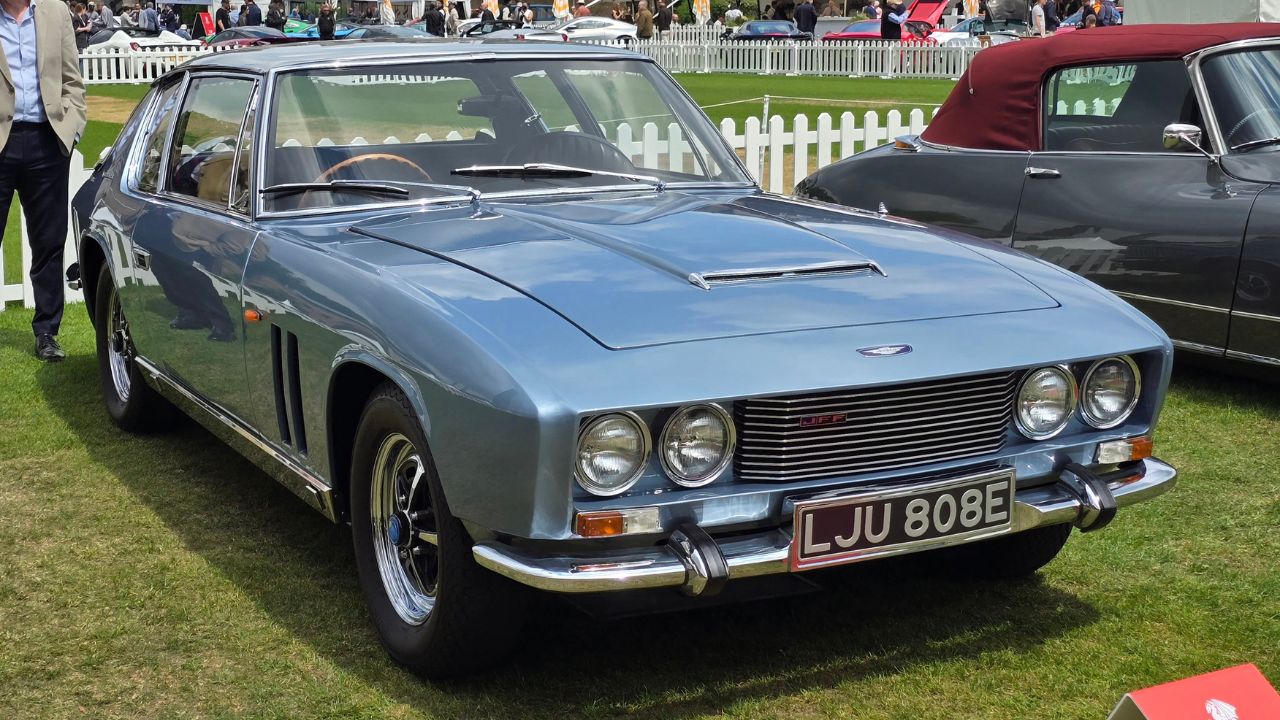
The Jensen FF might be the most overlooked innovator in automotive history.
It was the world’s first production car with both four-wheel drive and anti-lock brakes, technologies that wouldn’t become mainstream for another two decades. The Ferguson Formula four-wheel-drive system split power 37/63 front to rear, providing exceptional traction without the handling compromises of earlier AWD systems.
The Dunlop Maxaret anti-lock braking system, adapted from aircraft technology, prevented wheel lockup and maintained steering control during emergency stops. Only 320 were built, making it extremely rare, but its influence on vehicle safety and control systems was enormous.
The FF was essentially a 1990s supercar built in the 1960s.
1974 AMC Matador Coupe

Look, the Matador Coupe wasn’t exactly pretty, but it did something genuinely novel with its available “Oleg Cassini” designer edition.
AMC was an early adopter of fashion-designer tie-ins. The Cassini Matador was part of an AMC program launched in 1971, and it followed earlier AMC fashion editions (including Gucci and Pierre Cardin collaborations), a marketing strategy now used by everyone from Fiat to BMW.
The coupe’s isolated-from-frame construction reduced noise and vibration using rubber biscuit mounts at all attachment points. Sure, it couldn’t match European handling or Detroit muscle, but AMC’s willingness to try different approaches to selling and building cars deserves recognition.
Sometimes innovation comes from unexpected places, and then becomes the destination.
1975 Pacer

The AMC Pacer looked like a fishbowl on wheels, and that was exactly the point.
Its glass area was about 5,615 sq in, described as 16% more than the average passenger car at the time, and the passenger door was four inches longer than the driver’s. The cab-forward design maximized interior space on a compact footprint, predicting a trend that wouldn’t fully bloom until the 1990s.
AMC designed it around a rotary engine that never materialized, but the wide, spacious interior still impressed buyers tired of cramped economy cars. The rack-and-pinion steering provided responsiveness unusual for American cars of the era.
The Pacer proved that sometimes the weird idea is the right idea, even if the execution doesn’t quite stick the landing.
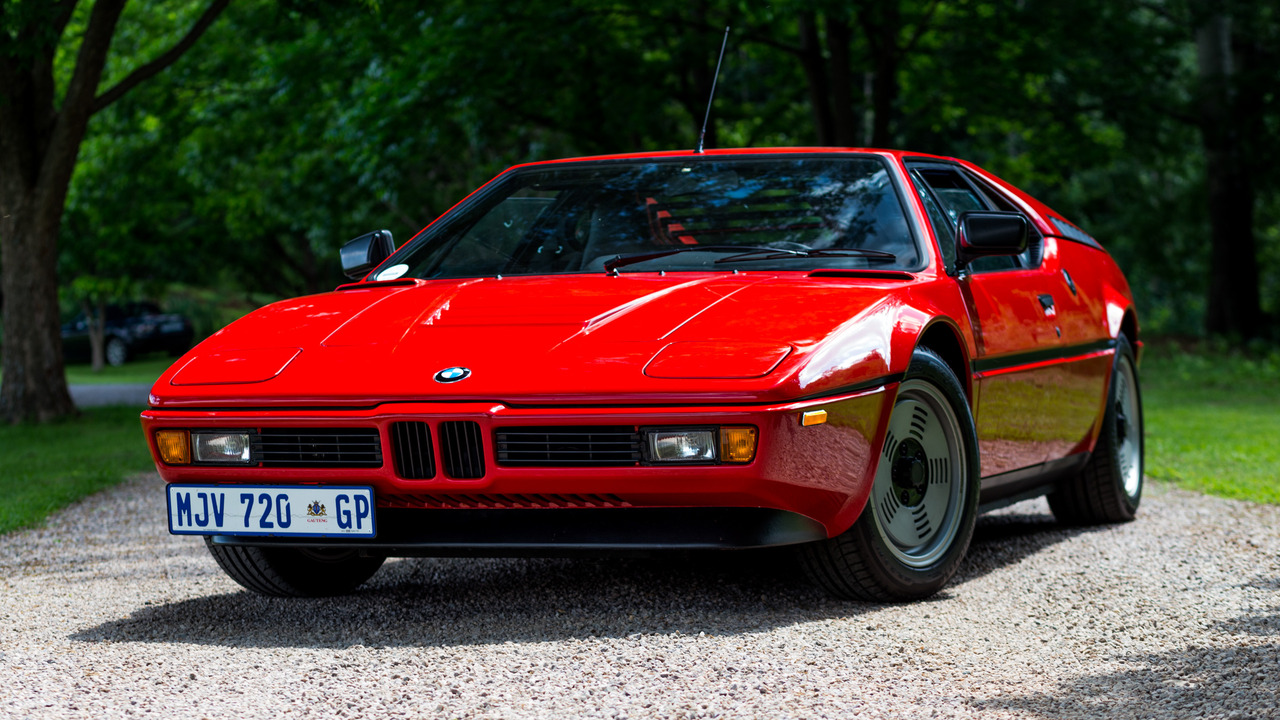
1978 BMW M1

BMW’s supercar experiment brought mid-engine exotica to a company known for sedans, but the M1’s real innovation was its dual personality.
It was homologated for Group 4 racing while remaining perfectly drivable on the street, complete with reasonable comfort and visibility. BMW Motorsport GmbH (today BMW M) was founded in 1972. The M1 became its first official M-badged road car and a homologation-focused halo project, establishing the template for every M car since.
Its wedge-shaped Giugiaro design influenced sports car styling throughout the 1980s, proving that aggressive aerodynamics could still look elegant.
Though production troubles limited it to just 453 units, the M1 established BMW as a serious player in the high-performance world.
1981 Imperial

Chrysler’s reborn Imperial leaned hard into ‘space age’ electronics, notably a digital instrument panel, but Electronic Voice Alert (EVA) is generally associated with Chrysler’s mid-1980s talking-car systems, not as a defining 1981 Imperial introduction.
Hearing your car actually talk to you in 1981 was genuinely shocking, even if the monotone robotic voice sounded vaguely threatening. Beyond the gimmick, the Imperial featured an electronics-heavy dash with multiple displays and a nine-button electronic module as part of the car’s ‘electronic communications center’ vibe, futuristic for the era, but not documented as a touchscreen CRT interface in period materials.
The auto-dimming mirror and automatic temperature control were genuine luxury innovations. Sure, the styling looked like a formal living room on wheels, and reliability was questionable, but Chrysler genuinely tried to reimagine what luxury technology could be.
Sometimes being first means being the guinea pig.
Looking Back at the Game-Changers

These automotive pioneers didn’t just add features, they fundamentally altered our expectations about what cars could do. Some innovations, like front-wheel drive and anti-lock brakes, became universal standards that we now take completely for granted. Others, like talking dashboards and designer editions, showed us interesting paths that the industry would revisit when technology and taste caught up.
What’s remarkable is how many of these cars were commercial failures or limited-production curiosities, yet their influence echoed through decades of automotive development. The next time you enjoy independent suspension, disc brakes, or a well-packaged interior, remember these risk-takers who dared to do it first.
Innovation always looks obvious in the rearview mirror, but these classics proved it takes real vision to see it coming down the road.