There are few things car enthusiasts love more than a good argument. Not a mean-spirited one; just the kind that breaks out at a car show when someone walks past a particular model and someone else says, “You know, that thing is actually underrated.” Suddenly everyone has a take, a story, a cousin who owned one and swears by it.
Classic cars have a way of doing that. They carry opinions the way some people carry grudges, deeply, passionately, and often without a fully rational explanation. Whether it’s a car that divided critics the moment it debuted or one that built a controversial reputation over decades of ownership, these are the machines that people simply cannot stop talking about.
Pull up a chair, because we’re about to get into it.
1968 AMC AMX
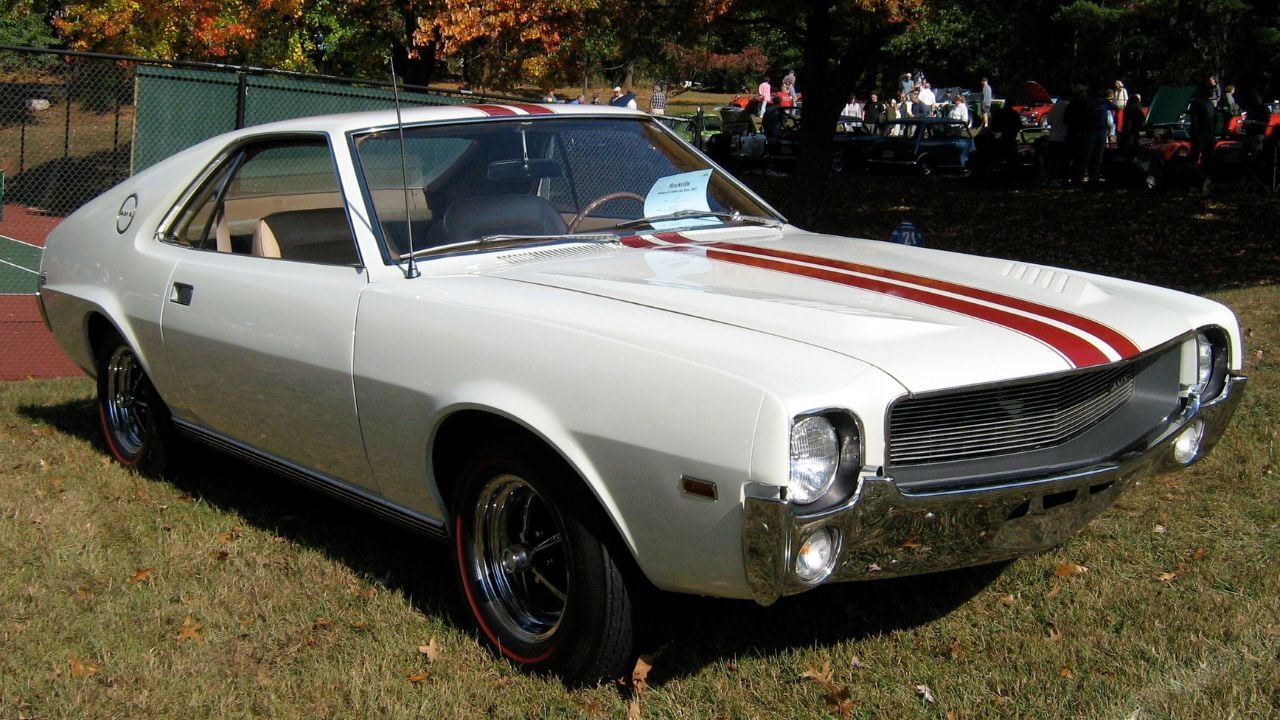
Here’s a car that doesn’t always get a seat at the table when people talk about American muscle, and that’s exactly what makes it such fertile ground for debate.
The AMX was American Motors’ shot at the two-seat performance car segment, a bold move for a company that was perpetually the underdog. It came with a range of V8 options and had real performance credentials, yet somehow it’s always been the answer to a trivia question rather than a headliner at muscle car gatherings. Fans of the AMX will tell you the car was genuinely quick, genuinely stylish, and genuinely overlooked. The skeptics counter that AMC’s reputation for budget builds dragged it down unfairly or not.
Either way, it makes for one of the more spirited debates in any parking lot.
1971–1973 Ford Mustang

Let’s be honest, the Mustang was not supposed to look like this.
When Ford fattened up the pony car’s silhouette for the early 1970s, the reaction from the purists was approximately what you’d expect. The original Mustang was a sleek, nimble thing, and its early-seventies successor was considerably larger and heavier.
Some people genuinely love the look of these big Mustangs, especially the Mach 1, and there’s an argument to be made that they have an imposing, muscular presence all their own. Others look at them and see a cautionary tale about letting a great design drift too far from its roots.
It’s one of those rare cases where fans of the same nameplate actively argue about whether a specific generation deserves to carry the badge.
1976–1979 Pontiac Firebird

The Firebird walked a fascinating tightrope through the late 1970s.
On one hand, it was hamstrung by emissions regulations that did its performance numbers no favors. On the other, it became an absolute cultural icon thanks to a certain movie about a bandit and a very fast car chase. So which is it, an underpowered disappointment or one of the coolest-looking American cars ever built? Depending on who you ask, you’ll get a completely different answer.
The Screaming Chicken hood decal alone has sparked more passionate conversations than most cars spark in their entire existence. Some see it as gloriously over the top; others find it a bit much.
Both camps are deeply committed to their positions.
1963–1967 Chevrolet Corvette Sting Ray
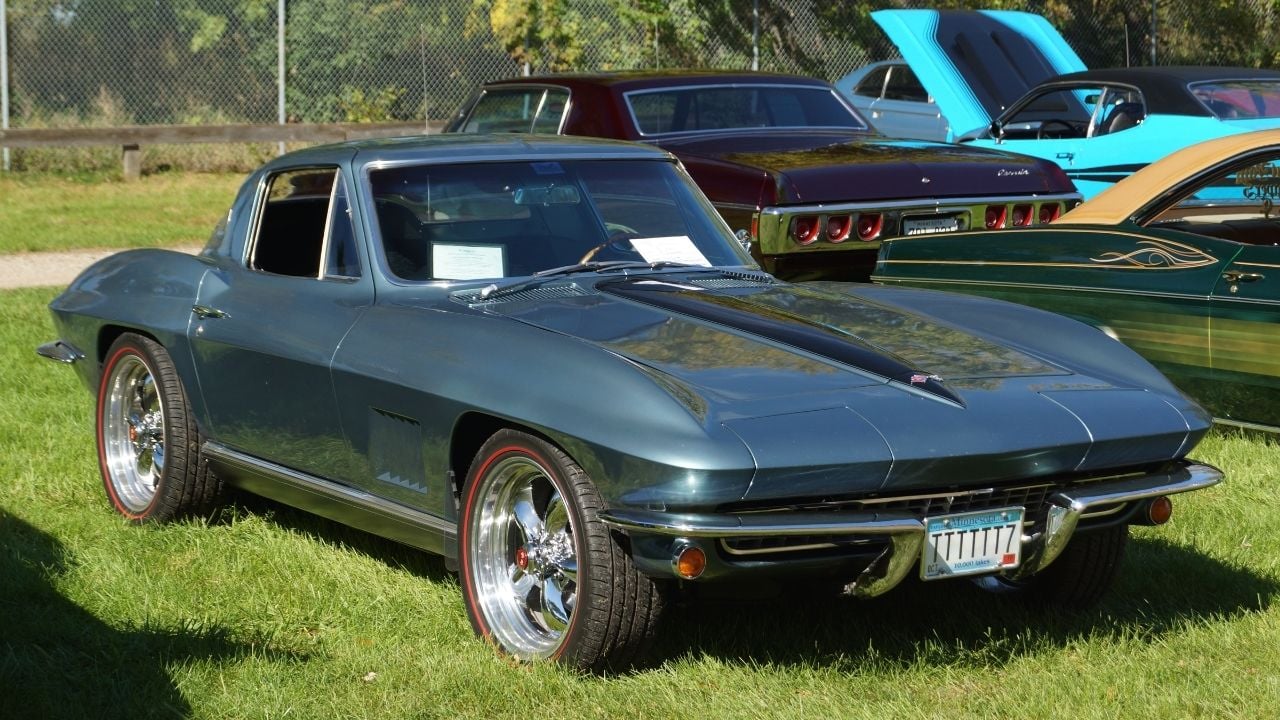
The split-window coupe from 1963 is widely considered one of the most beautiful American cars ever made, and yet Chevrolet only offered the split rear window for one year before dropping it after the 1963 model year due to rear visibility concerns.
That decision has been relitigated about a million times since. Was it the right call for practicality? Absolutely. Was it a tragedy for automotive design? Also yes, if you listen to the right people. The broader Sting Ray generation carries its own debates too, the styling evolution across those years, the various powertrain options, and why certain configurations became legends while others were forgotten.
For a car this celebrated, there’s a surprising amount still left to argue about.
1971-1992 De Tomaso Pantera
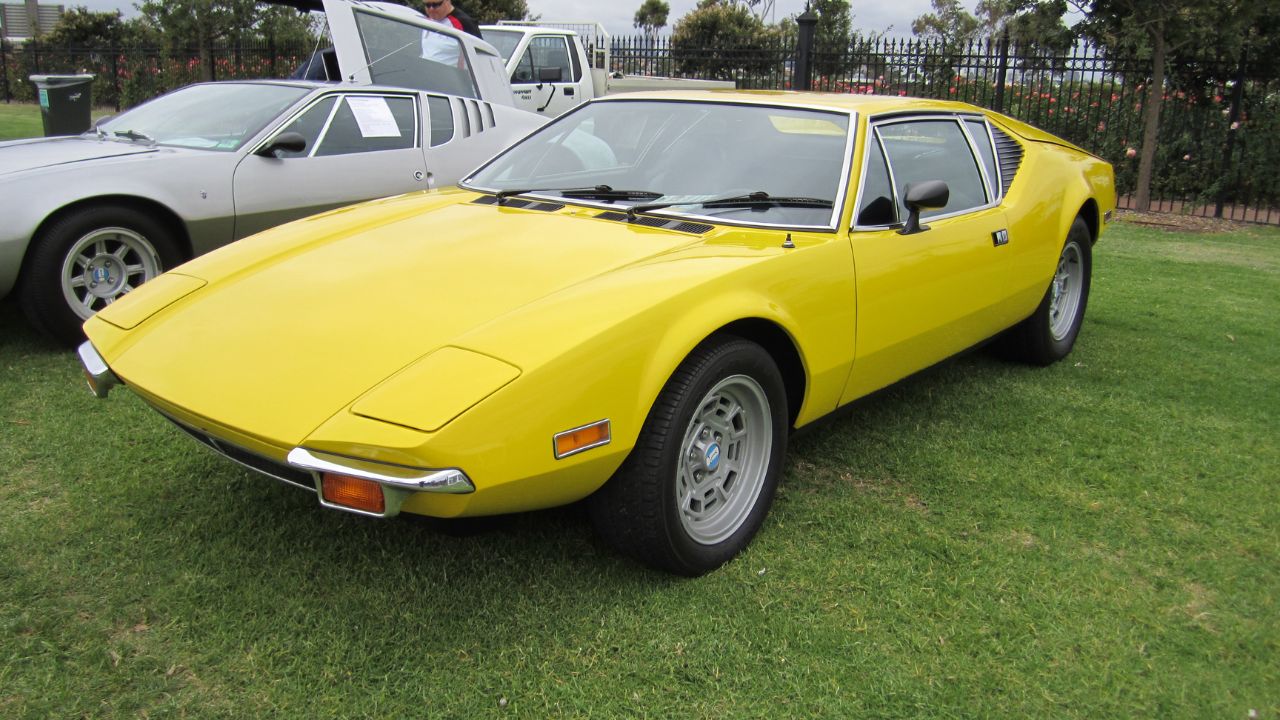
The Pantera is one of those cars that sounds almost too good to be true, Italian exotic body, American Ford V8 under the hood, priced to move.
And for a while, it was sold at Lincoln-Mercury dealerships, which has to be one of the stranger distribution stories in automotive history. The conversations around the Pantera tend to go in a few directions: the early build quality issues that frustrated buyers, the raw appeal of the mid-engine layout, and whether the whole Ford-Italy partnership was a stroke of genius or a recipe for headaches. Then there is a widely repeated anecdote that Elvis Presley shot his Pantera after it would not start, but it is often treated as lore rather than a firmly documented incident.
Love it or be baffled by it, there’s no neutral ground.
1969 Dodge Charger Daytona

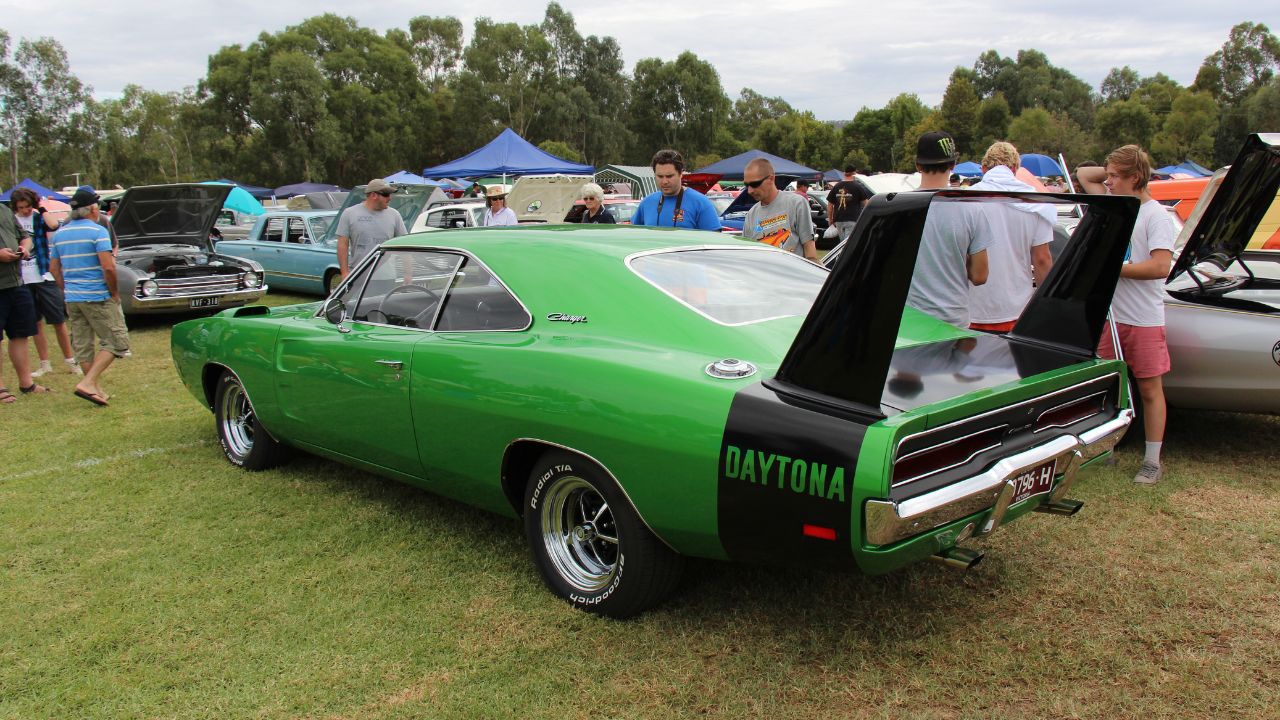
When a car has a nose cone that stretches about 18 inches in front of the grille and a rear wing mounted roughly 24 inches above the rear deck to sit in cleaner air, you’re going to get some opinions.
The Daytona was built with one goal: go fast on superspeedways. And it accomplished that mission in spectacular fashion.
But the styling was so extreme, so unapologetically functional, that it divided people immediately and has never really stopped. Some enthusiasts consider it the most purposeful and therefore most honest design Detroit ever produced. Others think it looks like an engineering exercise that forgot to check with the design team.
The debate over whether it’s beautiful or bizarre has been running about as long as the car itself has.
1970–1973 Datsun 240Z

Ask a purist about the Z car and you’ll hear reverence. It was affordable, beautiful, and performed well enough to embarrass cars that cost significantly more.
But there’s a running conversation about whether it truly belongs in the company of European sports cars it’s so often compared to, or whether part of its legend was built on price and value rather than pure driving greatness. Then you get into the later iterations and the disagreements multiply, the 260Z, the 280Z, the gradual weight gain and emissions-related detuning, and whether the original Z spirit survived the decade intact.
For a car that’s almost universally liked, it generates an unusual number of passionate disagreements about exactly what makes it special.
1958 Edsel Citation

Calling the Edsel controversial might be the understatement of the century.
Ford’s infamous market-research-driven disaster became a cultural shorthand for corporate failure so quickly that it’s easy to forget the car itself was actually… fine, more or less. It had some genuinely interesting features for its time, including a push-button automatic transmission with the buttons mounted in the center of the steering wheel hub.
But the marketing had oversold it so aggressively that no car could have lived up to the hype, and the unusual front grille styling, let’s just say reactions were not uniformly positive. Here’s where it gets interesting, though: a growing number of enthusiasts now genuinely love the Edsel for exactly what it is, quirks and all.
The car that became a punchline has quietly become a collector conversation piece.
1966–1967 Oldsmobile Toronado
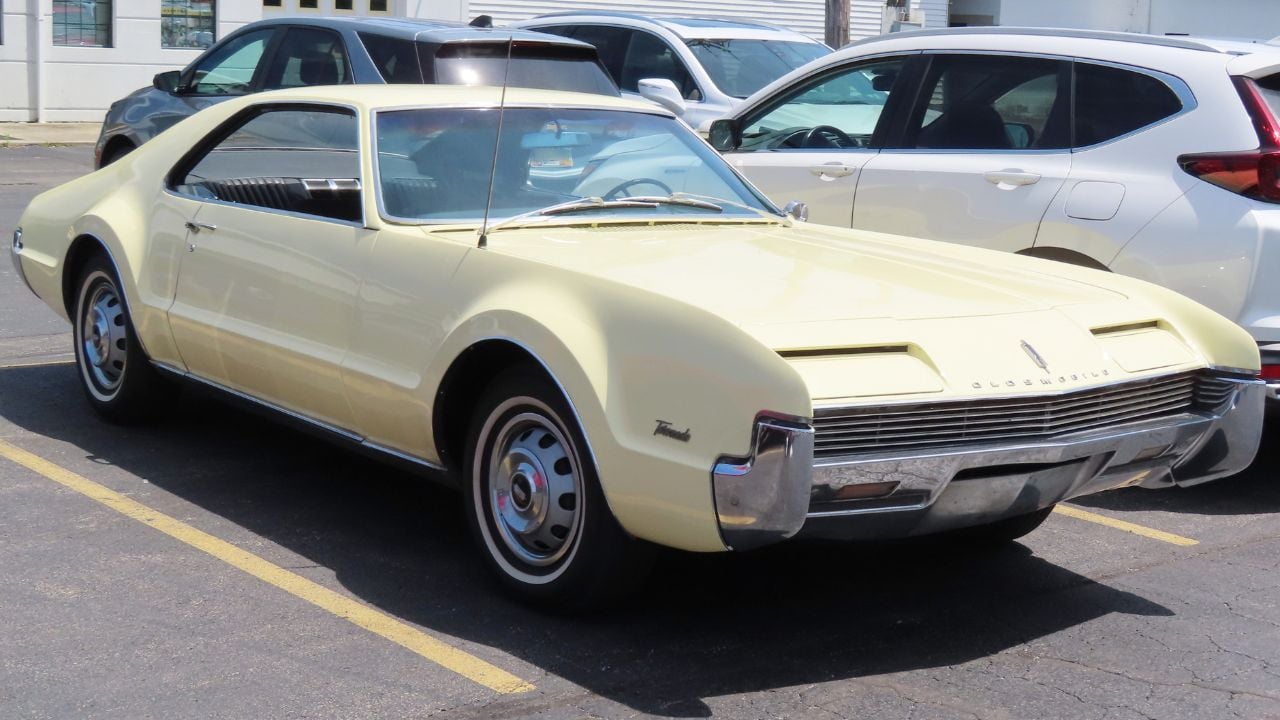
Front-wheel drive on an American personal luxury car in 1966, that was either bold innovation or a solution to a problem nobody had.
The Toronado was genuinely groundbreaking from an engineering standpoint, and the styling was dramatic enough to turn heads for all the right reasons. But the front-wheel-drive setup raised eyebrows among traditionalists, and the handling characteristics were different enough from rear-drive American cars of the era that opinions on the driving experience vary considerably.
Decades later, people are still working out how to categorize it. It’s not quite a muscle car, not quite a luxury cruiser, and its drivetrain setup was so unusual for the time that it almost feels like a car from a different timeline.
1974–1990 Lamborghini Countach
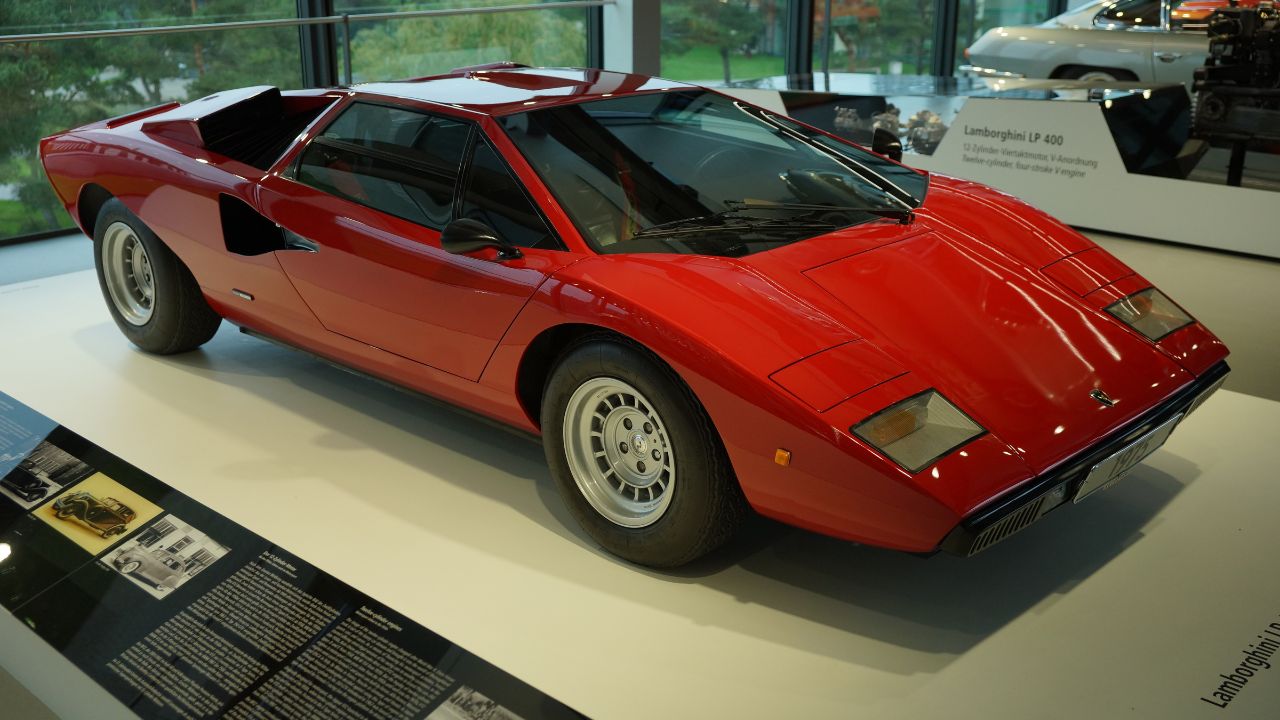
Is it the most beautiful car ever made, or is it the automotive equivalent of wearing sunglasses indoors? The Countach debate is one of the classics.
From the moment it appeared in poster form on bedroom walls around the world, it became a symbol of automotive excess, the wedge shape, the scissor doors, the outrageous proportions. Driving one is reportedly a different conversation entirely, with visibility that requires a certain amount of faith and dimensions that make modern parking garages an adventure.
But none of that has slowed down the arguing. Fans say it’s one of the few cars that actually looks like a kid drew their dream car. Critics say it’s all theater.
Both sides have been at it for decades, and neither shows signs of stopping.
1980 Chevrolet Corvette

Corvette enthusiasts have a complicated relationship with the late 1970s and the turn of the decade, and the 1980 model tends to sit at the center of that tension.
It carried forward a design that was beginning to show its age while dealing with the same emissions and fuel economy constraints that had squeezed muscle cars throughout the decade. Yet it was still a Corvette, still rear-wheel drive, still with a V8, and still capable of turning heads in a way that few American cars could. The arguments tend to orbit around whether Chevy should have moved faster to refresh the platform or whether the staying power of that C3 generation is actually a testament to how strong the original design was.
It’s a generational debate that’s still alive in Corvette circles.
1968 Shelby GT500KR

The King of the Road. Even the name invites debate. Was it really the ultimate Mustang of its era, or was it a masterfully branded version of something that was already great?
Carroll Shelby had a way of taking Ford’s work and elevating it, or at least making it feel elevated, depending on which camp you’re in. The GT500KR came with the 428 Cobra Jet engine and a reputation that has only grown over the years, but the conversations about what it actually added over a well-optioned standard Mustang continue to simmer.
Add in questions about which specific build configurations are most desirable, how numbers-matching affects value conversations, and what counts as authentic, and you’ve got a car that generates arguments even among people who agree they love it.
Final Thoughts
What these twelve cars share isn’t a single defining trait; some are beautiful, some are strange, some were ahead of their time, and some were very much of their time in ways that didn’t always work out. What they share is the ability to make people feel something, which is the whole point. A car that nobody argues about is a car that nobody really cares about, and caring is what this hobby has always been built on.
The best part about these conversations is that they’re genuinely unresolvable; there’s no authoritative verdict on whether the Countach is genius or madness, or whether the big Mustangs deserved their criticism. That’s what keeps them alive. So the next time someone at a show says something provocative about one of these cars, lean in. It’s going to be a good conversation.