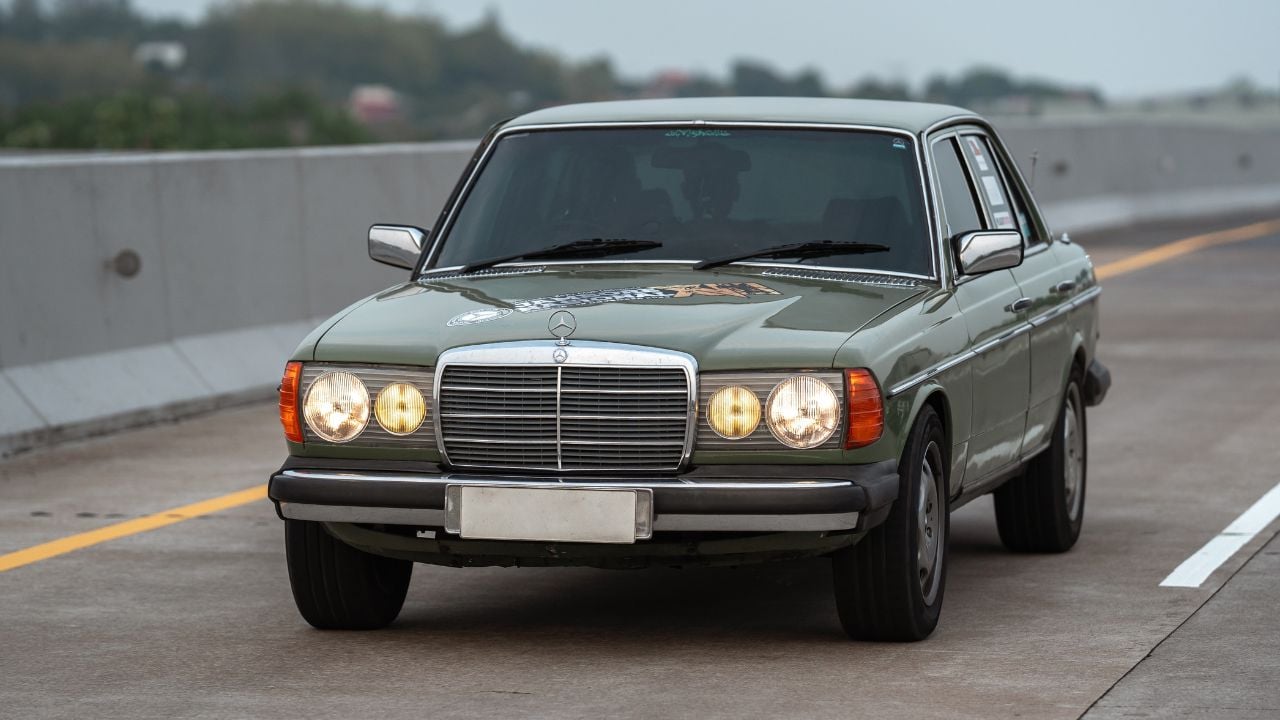
Unfortunately, most classic car owners in colder climates spend October through March staring wistfully at their covered vehicles, dreaming of spring. But here’s the thing, not every vintage ride needs to hibernate when the temperature drops.
Some classics were actually built to handle real winter conditions, whether by design or happy accident. We’re talking about cars with robust mechanicals, rust-resistant construction, and the kind of no-nonsense engineering that laughs at a little snow and salt. If you’ve ever wanted to enjoy your classic year-round without turning it into a rust sculpture, these are the machines that can actually pull it off.
Sure, you’ll still want to rinse off that road salt, but at least you won’t be relegated to browsing old photos until May.
Jeep Wagoneer
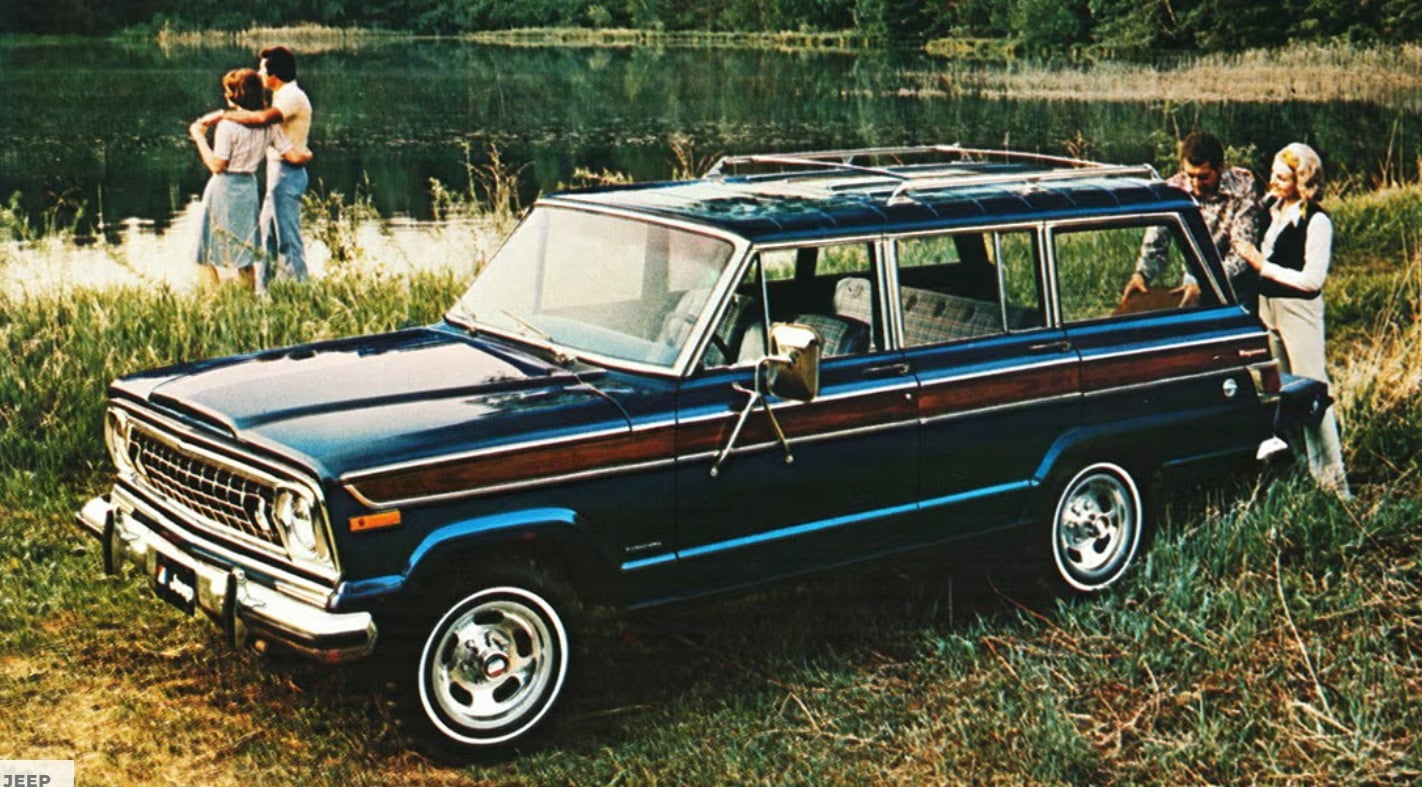
The Wagoneer practically invented the luxury SUV concept, and it did so with a body-on-frame construction that could handle anything winter threw at it.
The inline-six and V8 engine options were known for starting reliably in freezing temperatures, and the simple mechanical design meant fewer things to go wrong when the mercury plummeted. Ground clearance wasn’t just for show—it actually helped you navigate through unplowed streets and snowdrifts. While rust can still be an issue if you ignore basic maintenance, the separate frame and body panels make repairs more manageable than unibody cars.
Plus, there’s something deeply satisfying about daily-driving a wood-paneled beauty while everyone else white-knuckles it in their modern crossovers.
Volvo 240 Series

Swedish engineers understood winter driving in a way that most automakers didn’t, and the 240 series reflects that cold-weather wisdom in every bolt. Later Volvo 240s improved corrosion protection significantly, and around 1987 and 1988 Volvo began galvanizing most of the body, but they can still rust, especially in the usual problem areas if they are driven in salt.
The rear-wheel-drive layout with a near-perfect weight distribution made them surprisingly predictable in snow, especially with the right tires. Volvo’s famously robust “redblock” four-cylinder engine would fire up at temperatures that left other cars clicking sadly in parking lots. The boxy design wasn’t just a style choice, it provided excellent visibility in winter conditions when you really need to see what’s happening around you.
These wagons and sedans prove that practical doesn’t have to mean boring, and reliable doesn’t have to mean modern.
Subaru GL/DL

Before Subaru became synonymous with all-wheel drive, they were already quietly perfecting it in these unassuming little wagons and sedans.
Japanese engineering meant tight tolerances and quality control that held up better in harsh conditions than many domestic offerings of the era. Ground clearance was modest but sufficient, and the lightweight design meant you weren’t fighting momentum when things got slippery. The simple four-cylinder engines were fuel-efficient and reliable, though not particularly powerful, but who needs horsepower when you’ve got grip?
These cars developed a cult following in mountain towns and ski resorts for good reason, and finding a clean example today is like striking automotive gold.
Mercedes-Benz W123

German over-engineering has its advantages, and the W123 series represents Mercedes-Benz at peak “built to last forever” mentality. These sedans and wagons were built to a very high standard, but they are not immune to rust, so winter use still requires proactive rust prevention and regular cleaning
The diesel engines, particularly the naturally aspirated models, were legendary for their cold-weather reliability and would run seemingly forever with basic maintenance. Solid rear axles and simple suspension designs meant fewer complex components to fail when exposed to road salt and freezing temperatures. The cars were heavy, which actually helped with traction in snow, and the weight distribution kept them stable on slippery roads.
You’ll still see these cruising through Minneapolis and Montreal winters, testament to their durability and the kind of build quality that made Mercedes’ reputation in the first place.
AMC Eagle

AMC’s answer to winter driving was wonderfully straightforward: take a regular car and add four-wheel drive. The Eagle series, available as a sedan, wagon, or coupe, was essentially the first mainstream crossover, though nobody called it that at the time.
The full-time four-wheel-drive system gave these cars traction that made winter commuting genuinely manageable, not just survivable. AMC marketed the Eagle with Ziebart Factory Rust Protection, including galvanized steel in the exterior body panels and a primer bath process, backed by a multi year ‘No Rust Thru’ warranty. The raised ride height looked a bit quirky but proved incredibly practical for navigating snow-covered streets and surprise curbs.
These cars represent a unique moment in automotive history when American manufacturers were willing to try genuinely creative solutions to real-world problems, and they work remarkably well decades later.
Saab 900

Another Scandinavian entry, because when you’re engineering cars in Sweden, winter isn’t optional: it’s eight months of your product testing. The 900 featured strong factory undercoating by the standards of its era, but it can still rust in predictable places where dirt and moisture get trapped, so the body should not be described as broadly galvanized as a guarantee.
Front-wheel drive with the engine mounted backward gave excellent weight distribution over the drive wheels, providing traction that made these cars winter favorites among enthusiasts. The turbocharged models delivered surprising performance while maintaining the reliability Saab built its reputation on. Heated seats weren’t just a luxury in these cars, they were an acknowledgment that your customers would actually be driving in February.
The quirky design elements, like the ignition between the seats and the wraparound windshield, came from aircraft engineering and contributed to a distinctly functional philosophy that served cold-weather drivers well.
Toyota Land Cruiser FJ60

When Toyota set out to build the ultimate go-anywhere vehicle, they created something that happened to excel in winter conditions almost as an afterthought. The FJ60 series featured a robust inline-six engine that started reliably in arctic conditions and kept running when lesser vehicles gave up.
Body-on-frame construction and solid axles front and rear meant durability that could handle both mechanical stress and the corrosive effects of road salt. The four-wheel-drive system was simple, effective, and nearly indestructible, critical qualities when you’re miles from help in a snowstorm. Ground clearance was generous, and the approach and departure angles meant you could navigate through serious snow accumulation without getting stuck.
These Land Cruisers have achieved legendary status partly because they simply refuse to quit, regardless of temperature or conditions, making them ideal companions for anyone who can’t let winter slow them down.
Chevrolet K5 Blazer

The K5 Blazer embodied American truck simplicity: powerful V8 engines, four-wheel drive, and enough ground clearance to not care what the road conditions looked like. These full-size SUVs came with removable tops in many years, which seems counterintuitive for winter, but the fixed-roof versions became favorites in snow country.
The body-on-frame construction and simple mechanical systems meant repairs were straightforward, and parts availability remains excellent even today. Chevrolet’s small-block V8s were known for cold-weather reliability, and the trucks’ weight and power could push through snowdrifts that stopped smaller vehicles. Rust is the enemy with these trucks, particularly in the lower body panels and wheel wells, but proper maintenance and occasional repairs keep them viable.
There’s an undeniable satisfaction in driving a big, capable truck through winter weather, and the K5 delivers that experience with classic style.
Volkswagen Vanagon Syncro

VW’s decision to add all-wheel drive to their iconic van created one of the most capable winter vehicles of the 1980s, though few people realized it at the time. The Syncro system used a viscous coupling to send power to the front wheels when the rears slipped, giving these vans surprisingly good traction in snow.
The water-cooled boxer engine proved reliable in cold weather, though the water-cooled variants required more attention to cooling system maintenance. Ground clearance was modest but adequate, and the van’s shape provided excellent visibility in winter conditions. These vehicles developed a devoted following in ski towns and among winter adventure enthusiasts who appreciated the combination of capability and camping-ready practicality.
Finding a rust-free Syncro today is challenging, but they remain one of the most interesting ways to tackle winter driving with vintage character.
Ford Bronco

The early Broncos were Ford’s answer to the Jeep CJ, and they brought genuine capability wrapped in a surprisingly compact package. These first-generation trucks featured simple, durable mechanicals that could handle winter abuse and were straightforward to repair when needed.
Four-wheel drive was standard, and the short wheelbase made them maneuverable in tight spaces or deep snow. Ford’s inline-six and V8 options provided reliable power in cold weather, though the small-block V8s were more common and easier to find parts for today. The removable top seems impractical for winter, but most cold-weather Broncos wore their hardtops year-round and became beloved winter daily drivers.
Rust resistance wasn’t a strong point, so surviving examples typically come from drier climates or have received significant restoration work, but when properly maintained, these early Broncos remain capable and charming cold-weather companions.
Audi Quattro

Audi literally wrote the book on all-wheel-drive performance cars, and the original Quattro proved that sporty driving didn’t need to end when snow started falling. The permanent all-wheel-drive system distributed power intelligently, giving these cars traction that seemed almost magical compared to rear-wheel-drive sports coupes of the era.
Turbocharged five-cylinder engines provided plenty of power while maintaining reasonable reliability, though they required more attention than simpler engines. Audi improved corrosion resistance by galvanizing the body shell starting around 1985, but earlier cars can be very rust prone, and even galvanized shells can still corrode if neglected. The Quattro changed winter rallying forever and brought that capability to regular drivers who wanted performance year-round.
These cars proved expensive to maintain even when new, and that hasn’t changed with age, but the driving experience in winter conditions remains genuinely special for enthusiasts willing to invest in proper care.
International Harvester Scout II

Before International Harvester left the automotive business, they built these wonderfully straightforward 4x4s that prioritized function over fashion. The Scout II featured simple, agricultural-grade engineering that meant reliability and easy repairs, qualities that matter when you’re dealing with winter breakdowns.
Four-wheel drive, solid axles, and generous ground clearance made these vehicles genuinely capable in deep snow and ice. The available V8 engines provided ample power and were known for starting in cold weather, though fuel economy was definitely not a priority. Rust can be a significant issue with Scouts, particularly in the floors and lower body panels, but the body-on-frame construction makes repairs feasible for motivated owners.
These trucks have developed a strong enthusiast following precisely because they represent uncomplicated capability, and that simplicity translates directly to winter usefulness for drivers who want vintage character without excessive fragility.
Conclusion

Winter doesn’t have to mean parking your classic until the spring thaw, at least not if you’ve chosen the right vehicle. The cars and trucks on this list share common traits: robust construction, proven mechanical simplicity, and design philosophies that prioritized durability over disposability.
Many were explicitly engineered for harsh conditions, while others proved their winter credentials through decades of real-world use by owners who refused to let cold weather limit their driving. Regular maintenance, proper storage when possible, and addressing rust proactively will extend the life of any winter-driven classic. The trade-off for year-round enjoyment is accepting some additional wear and maintenance, but many enthusiasts find that worthwhile compared to months of forced separation from their vehicles.
Whether you’re daily-driving a Swedish sedan or adventure-seeking in a vintage 4×4, these classics prove that winter capability and timeless style aren’t mutually exclusive, they just require choosing the right machine for the job.