So you’ve spotted a classic beauty sitting in someone’s yard with a “For Sale” sign, and the price seems almost too good to be true. Here’s the thing: it probably is.
While the purchase price of many classic cars might seem reasonable, the restoration costs can quickly spiral into a financial adventure you weren’t quite prepared for. Some classics are notorious for demanding specialized parts, complex systems, or such meticulous labor that they’ll have you questioning every life choice that led to this moment.
Before you hand over that cash, let’s talk about which obtainable classics have a habit of draining bank accounts faster than you can say “just one more part.” These aren’t unobtainable exotics, but they are vehicles that will test your commitment to the restoration game in ways you might not expect.
Some of us are up for the challenge and don’t mind the cost for the right car, but we gotta go in prepared.
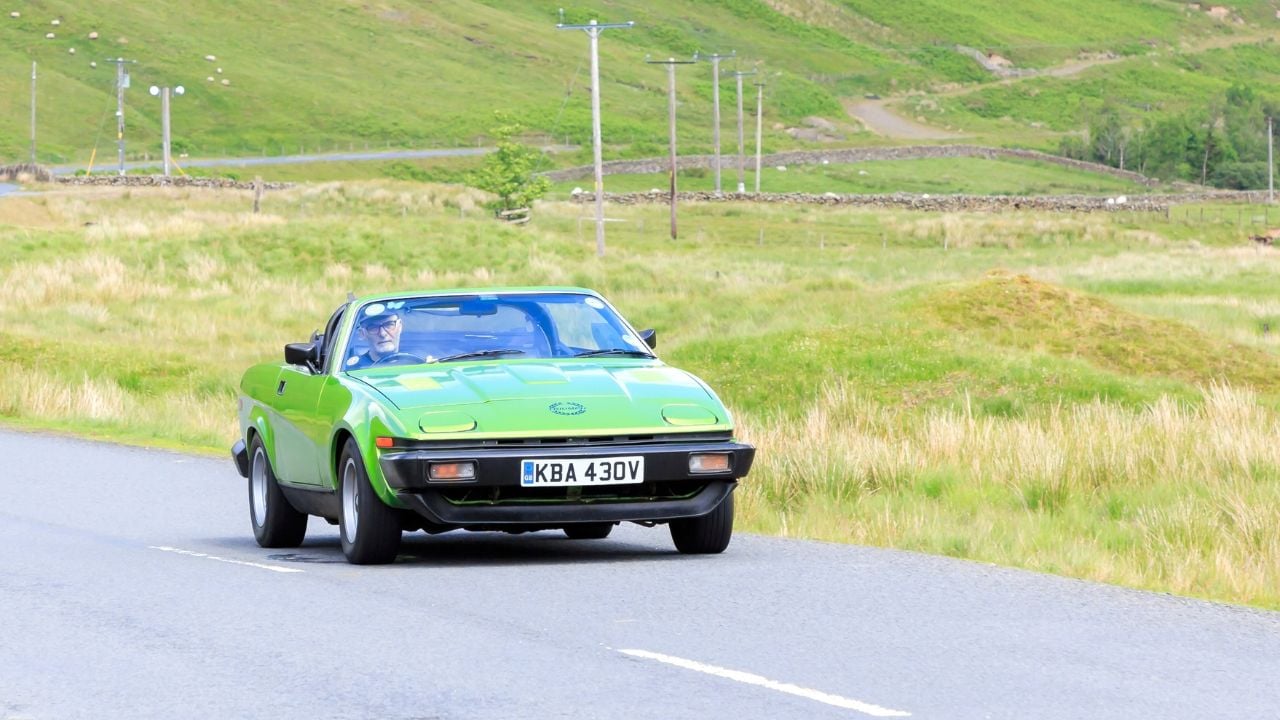
1975-1981 Triumph TR7

The wedge-shaped TR7 was supposed to be Triumph’s sports car savior, but restoring one today feels more like a rescue mission. British Leyland’s quality control during this era was famously inconsistent, which means you’re dealing with rust in places you didn’t know could rust, electrical gremlins that defy logic, and a parts supply chain that’s spotty at best.
The TR7’s unique design means body panels and trim pieces are increasingly hard to source, and when you do find them, they command premium prices. Factor in the complexity of getting that 2 -liter engine running smoothly, and you’ve got a project that’s more expensive than the car’s modest market value would suggest.
It’s a cool, quirky British sports car that will teach you patience, welding skills, and the fine art of parts hunting across multiple continents.
1970-1974 AMC Javelin

The Javelin is an underdog that’s gaining appreciation, but restoring one means dealing with American Motors’ unique parts situation.
AMC didn’t have the manufacturing scale of the Big Three, so replacement parts were limited even when these cars were new, and today the situation is considerably more challenging. Body panels, trim pieces, and interior components specific to the Javelin can require months of searching or expensive custom fabrication.
The bright side is that mechanical components shared with other AMC vehicles are more available, but anything cosmetic or model-specific will test your resourcefulness. When you add in the rust-prone unibody construction and the need for specialized knowledge to restore the car correctly, you’re looking at a restoration that’s more expensive and time-consuming than a comparable Mustang or Camaro.
1970-1973 Datsun 240Z

The 240Z is beloved for good reason, but these Japanese classics have become surprisingly expensive to restore properly.
Rust is the primary enemy, and these cars rust everywhere, floors, rockers, frame rails, battery trays, and even inside the rocker panels where you can’t see it until you start cutting. Quality replacement body panels exist but aren’t cheap, and the labor to properly repair rust damage is substantial. Original interior parts and trim are increasingly scarce and expensive, with some pieces commanding prices that seem absurd for a car that was once considered affordable.
The good news is that mechanical parts are still relatively available, but a proper frame-off restoration addressing all the rust issues will easily run $40,000 to $60,000 or more. For a car you might buy for $15,000 in rough shape, the math gets sobering quickly.
1972-1974 Jensen-Healey

If you want a conversation piece that’s also a restoration nightmare, the Jensen-Healey checks both boxes beautifully. This British roadster used a Lotus 907 engine, which is simultaneously brilliant and problematic, parts are expensive and finding someone who knows how to work on them properly is a challenge.
The hood and trunk are fiberglass, so they don’t rust, which sounds great until you discover all the ways fiberglass can crack, star, or delaminate over 50 years. Trim pieces, interior components, and electrical parts are rare enough that you’ll be haunting obscure British car forums and paying international shipping regularly. The small production numbers mean there’s no thriving aftermarket, and original parts are becoming museum pieces.
It’s a genuinely interesting car with racing pedigree, but be prepared for a restoration budget that far exceeds what you’d spend on more common British sports cars.
1974-1976 Bricklin SV-1

The Bricklin is that gullwing-door dream that turns into a fiberglass and acrylic nightmare once you commit to restoration.
These Canadian-built safety sports cars used innovative materials that haven’t aged particularly well, and finding replacement parts means joining the small community of Bricklin obsessives who trade parts like rare baseball cards. The color-impregnated acrylic body panels can’t be repainted conventionally, so damaged panels need to be replaced or extensively repaired by specialists.
The complex hydraulic door system, AMC V8 drivetrain quirks, and unique interior components all contribute to restoration costs that can exceed $50,000 for a car worth perhaps $25,000 when finished. The safety bumpers alone are engineering marvels that become expensive headaches when they need restoration.
Still, there’s nothing quite like arriving somewhere in a gullwing Bricklin, even if getting there cost more than you planned.
1965-1969 Chevrolet Corvair
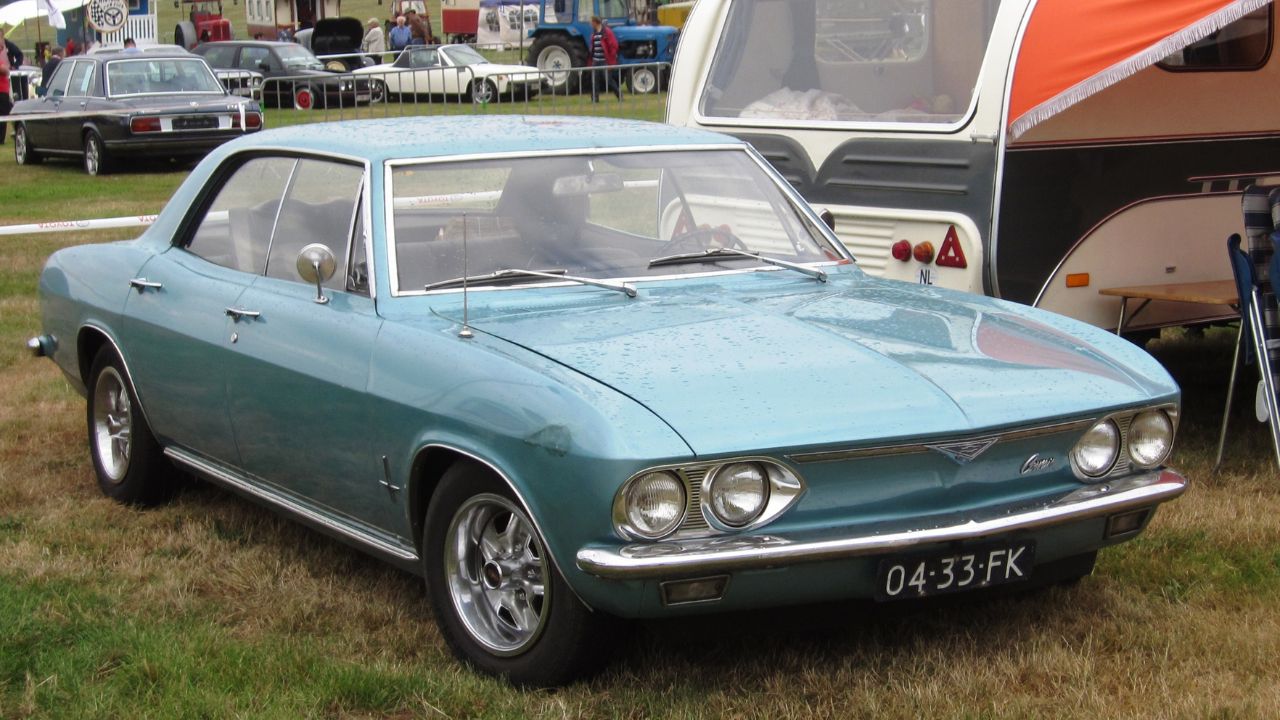
The Corvair is a fascinating piece of American automotive history, but that rear-engine, air-cooled layout creates restoration challenges that most people underestimate.
The aluminum engine is prone to corrosion and requires specialized knowledge to rebuild properly — not every machine shop wants to tackle it. Tin worm loves Corvairs, particularly in the front trunk area and around the rear suspension mounting points, and proper rust repair requires understanding the car’s unique structure.
Parts availability is mixed: some mechanical components are well-supported by the enthusiast community, while body panels and interior trim can be scarce or expensive. The independent rear suspension is sophisticated but complex, and restoration work needs to be done right for safety reasons.
Plan on spending considerably more than you would on a comparable Mustang or Falcon, with the added challenge of finding mechanics who actually understand these unique cars.
1978-1981 Triumph TR8
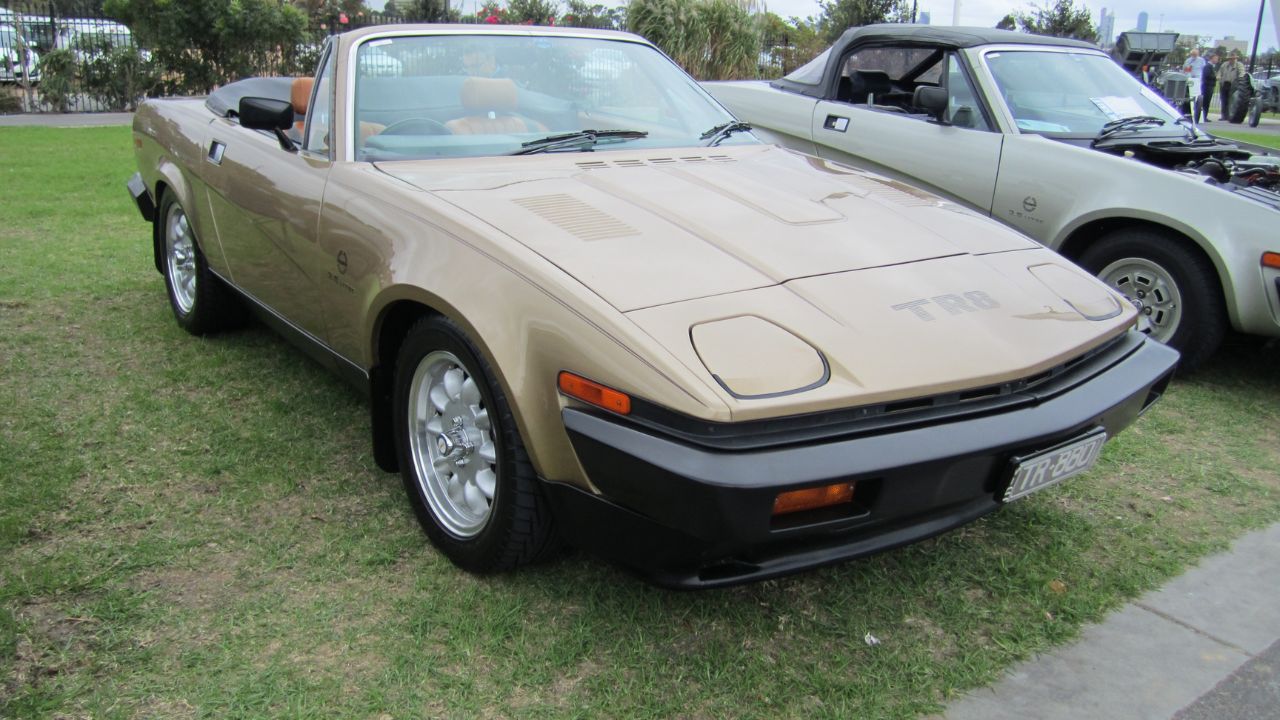
The TR8 took the TR7’s wedge shape and added a Buick-derived aluminum V8, creating an interesting formula that’s expensive to restore properly. Total TR8 production is commonly cited at about 2,497 worldwide, so parts availability is limited no matter where you are.
The aluminum V8 is a great engine but requires specialized knowledge for proper restoration, and finding someone who knows these powerplants isn’t always easy. All the TR7’s rust and electrical issues are inherited, plus you’ve got the additional complexity of the V8 installation. Interior pieces, trim, and body panels that are TR8-specific can take years to locate, and when they surface, prices reflect their rarity.
The convertible models are particularly sought after but even more challenging to restore. It’s a genuinely quick and capable sports car when sorted, but getting it sorted will test both your patience and your wallet.
1970-1976 Porsche 914

The 914 was Porsche’s affordable entry point and has developed a devoted following, but restoration costs don’t reflect its original economy-car positioning.
These mid-engine Porsches are rust magnets, with the battery tray, floorpans, and longitudinal members being particular trouble spots that require expensive repair. The targa top mechanism is complex and parts are pricey, while the distinctive bumpers and trim pieces command Porsche premiums even though the 914 was supposed to be the “cheap” Porsche. Interior components are increasingly scarce, and the quirky gauges and switches aren’t shared with other models.
If you’ve got a 914-6 with the Porsche flat-six, parts costs jump even higher. A proper restoration addressing all the rust issues and mechanical needs can easily run $35,000 to $50,000, and the market hasn’t quite caught up to those restoration costs yet.
1968-1985 Fiat 124 Spider

The 124 Spider is a charming Italian roadster with a rust problem that would make a Datsun owner sympathetic. These cars corrode aggressively and in places that are expensive to repair properly, rockers, floors, rear frame rails, and the distinctive rear panel all require careful attention.
Mechanical parts are reasonably available thanks to a strong enthusiast community, but body panels, trim, and interior components can be challenging to source and expensive when you find them. The elegant Pininfarina styling means body work needs to be done carefully to maintain the correct lines. Later fuel-injected models add complexity to the restoration process.
A thorough restoration addressing all the typical rust issues will run $30,000 to $45,000, which is sobering when you consider what these cars sell for. They’re wonderful to drive when sorted, but getting them sorted is the expensive part.
1971-1973 Buick Riviera (Boattail)

The boattail Riviera is a stunning piece of automotive sculpture, but that dramatic styling creates restoration challenges that straightforward GM products don’t face. Those distinctive rear-end pieces are complex, expensive to repair, and nearly impossible to replace if damaged beyond saving.
The hidden headlights, complex trim work, and unique interior components are all Riviera-specific and command premium prices. While it shares some mechanical components with other GM products, anything cosmetic is unique to this short production run. The size and complexity of these cars mean restoration labor hours add up quickly. Finding someone who can properly restore that boattail bodywork isn’t easy, and their expertise doesn’t come cheap.
You can buy a project boattail for reasonable money, but turning it into a show-worthy example will require a significant investment that might exceed the finished car’s market value.
1972-1973 Citroën SM

The SM is French engineering at its most ambitious and most expensive to restore. This was Citroën’s grand touring flagship combining Maserati’s V6 with Citroën’s sophisticated hydropneumatic suspension, and both systems are complex and require specialized knowledge.
Parts availability ranges from challenging to nearly impossible, with many components needing to be sourced from Europe or custom fabricated. The hydropneumatic system is brilliant when it works but demands meticulous restoration and proper understanding to get right.
Finding a mechanic who truly understands these systems is difficult and their expertise commands premium rates. Interior components, trim, and body parts are all scarce and expensive. Plan on a restoration budget that could easily reach $60,000 or more, and even then you’ll need patience for parts hunting.
The result is an incredible car that’s genuinely different from anything else on the road, but getting there requires serious commitment.
1979-1985 Mazda RX-7 (First Generation)

The first-generation RX-7 is a cult favorite that’s becoming expensive to restore properly, largely due to the rotary engine. Rebuilding a rotary isn’t impossible, but it requires specialized knowledge and parts that are increasingly scarce and expensive.
The lightweight chassis is prone to rust, particularly in the rear suspension areas, rockers, and sunroof drains. Body panels and trim specific to early RX-7s are getting harder to find, though the strong enthusiast community helps. Interior components, especially in good condition, command surprising prices for what was once an affordable sports car.
The earliest examples are now over 40 years old, and finding one that hasn’t been modified, crashed, or otherwise compromised is challenging. A proper restoration bringing an early RX-7 back to original condition can easily cost $25,000 to $40,000, and finding someone who can properly rebuild that rotary engine adds both cost and complexity to the project.
Conclusion

The classic car restoration game isn’t for the faint of heart or light of wallet, and these particular models prove that point emphatically. What makes these cars expensive to restore isn’t that they were bad vehicles originally, many are genuinely excellent cars with devoted followings.
The challenges come from limited production numbers, unique engineering, rust-prone construction, or simply the passage of time making parts scarce. Before diving into a restoration project, it’s worth doing honest math on parts availability, likely costs, and the finished car’s market value. Sometimes the smarter play is buying someone else’s completed restoration, even if it costs more upfront.
But if you’re committed to the journey, understand the challenges, and have realistic expectations about costs and timelines, these cars can still be rewarding projects that result in something genuinely special sitting in your garage.