
For decades, classic car collecting revolved around vehicles that were considered desirable from the moment they left the showroom. Corvettes, exotic sports cars, limited-production models, and other prized machines were preserved while countless ordinary sedans, hatchbacks, and wagons were driven into the ground.
According to a report from The Wall Street Journal, that definition of a collectible is beginning to change, as younger enthusiasts are increasingly preserving everyday cars from the 1990s and 2000s, including models that would have once seemed unlikely candidates for classic-car status.
Insurance data supports this change, with Hagerty seeing growing interest in vehicles such as older Honda Civics and Toyota Corollas. The number of 2000s Civics and Corollas insured by the company has doubled over the past three years.
Younger enthusiasts are playing an important role in that growth. Gen Z is now Hagerty’s fastest-growing customer group, with policies among the generation increasing by 48 percent as previously overlooked cars begin finding enthusiastic new owners.
Yesterday’s Daily Drivers Are Becoming Collectibles
Nostalgia appears to be one of the biggest forces behind the trend. Hagerty vice president of Automotive Intelligence, Brian Rabold, told The Wall Street Journal that people often gravitate toward vehicles that made an impression on them when they were younger.
That helps explain why something as ordinary as an early-2000s Corolla can now attract the attention of collectors. These were the cars sitting in family driveways, filling school parking lots and carrying millions of people through everyday life, giving them a different kind of nostalgic appeal from traditional collector cars.
Classic insurance policies provide another indication that owners aren’t simply keeping old cars around because they’re cheap transportation. Such policies generally come with mileage restrictions because the vehicles aren’t expected to serve as daily drivers, reflecting the fact that owners increasingly view these once-common models as cars worth preserving.
Corollas And Cavaliers Are Finding New Fans
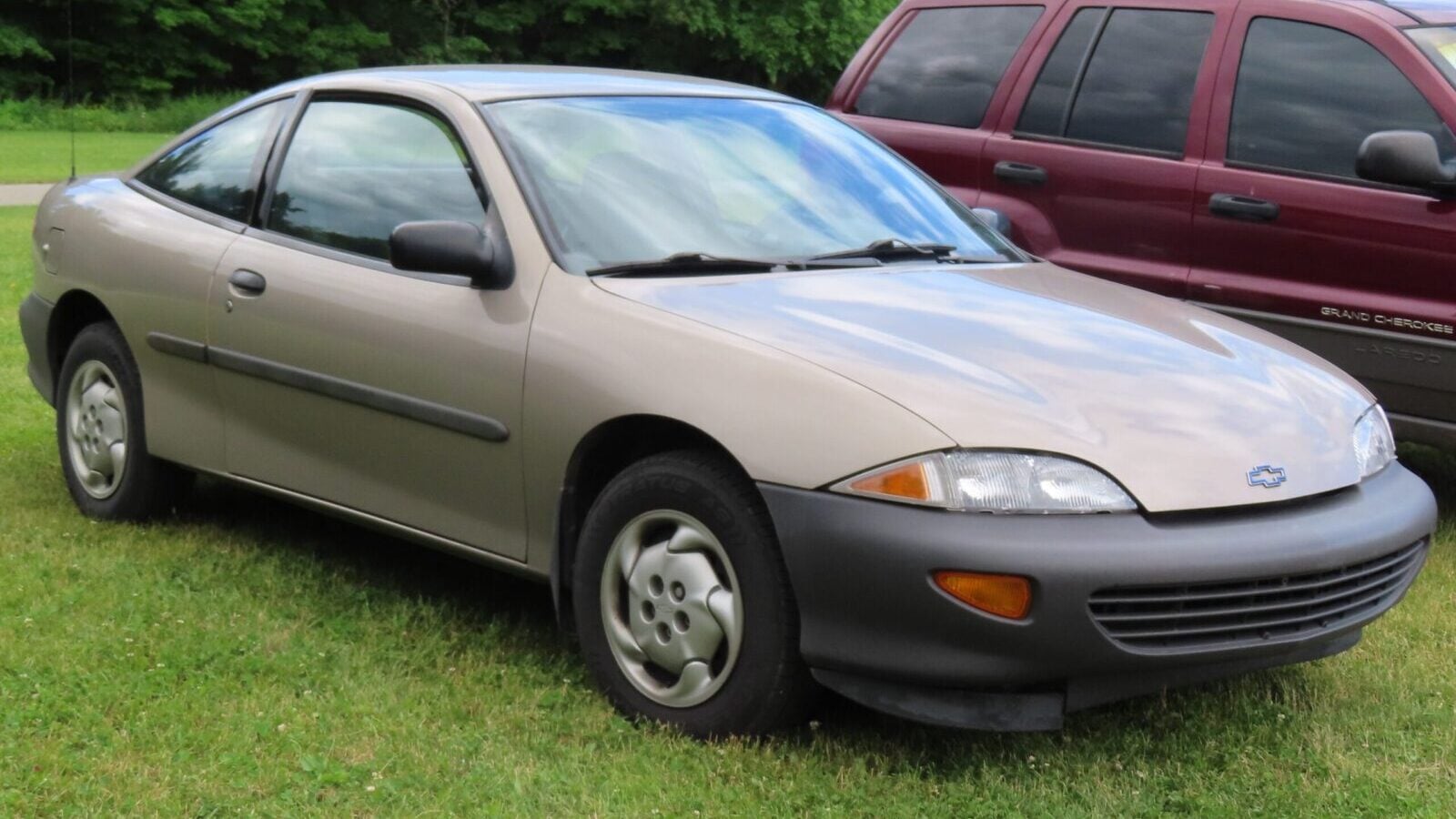
The trend extends well beyond Japanese economy cars. The Wall Street Journal highlighted 19-year-old Dominic DeLettera, who bought a Chevrolet Cavalier at 15 after saving $3,000 beginning when he was seven years old.
Another 19-year-old collector, Adam Scipione, owns a 1996 Buick Roadmaster wagon alongside a mint-condition 1984 Chevrolet Corvette. According to Scipione, it’s the big Buick wagon that attracts more attention, partly because cars like it have become unusual sights at modern shows.
That scarcity is somewhat ironic. Millions of ordinary vehicles were originally produced, yet relatively few were considered worth carefully storing or restoring, meaning clean surviving examples can now stand out far more than they did when new.
Ordinary Cars Are Getting Their Own Shows
The enthusiasm isn’t limited to the United States either, as Britain’s Festival of the Unexceptional has built an entire event around celebrating once-mundane vehicles that traditional concours events might have ignored.
This year’s event sold out with 4,500 attendees and attracted around 2,500 cars. A Volkswagen Polo E, Toyota Previa, and Ford Focus were among the vehicles taking top honors, illustrating just how broad the definition of an interesting classic has become.
None of this means Corvettes and traditional sports cars are suddenly losing their appeal. Instead, younger collectors appear to be expanding what qualifies as something worth saving, and yesterday’s disposable commuter could increasingly become tomorrow’s cherished show car.