
There’s something undeniably special about classic American cars: the rumble of a V8, the chrome that catches sunlight just right, the designs that turned heads on every street corner. While modern vehicles excel in efficiency and technology, they’ve lost some of that raw character that made driving an emotional experience.
Car enthusiasts and casual drivers alike find themselves daydreaming about models that captured a specific moment in automotive history. The industry has been bringing back nameplates with mixed results, but there are still plenty of forgotten gems sitting in the archives.
Here are 12 classic American cars that deserve another shot at glory, reimagined for today’s drivers who crave something more than just transportation.
Plymouth Road Runner

The Road Runner was muscle car minimalism at its finest, stripped down, powerful, and affordable for the everyday driver. It didn’t pretend to be luxurious; it just wanted to go fast in a straight line, and it did that job brilliantly.
A modern version could capture that same working-class hero spirit with a straightforward performance package that doesn’t break the bank.
Pontiac Firebird Trans Am

The Trans Am became a cultural icon thanks to its aggressive styling and that unforgettable ‘screaming chicken’ hood decal (famously associated with 1970s Trans Ams). While Chevrolet brought back the Camaro, Pontiac’s sportier, more theatrical cousin stayed in the past.
Reviving the Trans Am would give GM a chance to create something with more edge and personality than the last Camaro offered.
AMC Javelin

AMC always played the underdog role, and the Javelin was their swing at the pony car market with genuinely beautiful proportions. It offered something different from the Mustang-Camaro-Challenger trinity, with cleaner lines and a more refined approach.
Today’s market could use that same alternative voice, especially with retro styling that stands apart from the crowd.
Ford Thunderbird (Personal Luxury Coupe)

The original Thunderbird defined the personal luxury car segment: stylish, comfortable, and more about cruising than racing. Ford’s 2002–2005 revival missed the mark with its retro-cute styling, but the concept of an elegant, driver-focused coupe still has appeal.
Think of it as an American answer to the grand touring cars from Europe, with that distinctly relaxed American character.
Dodge Dart (Performance Version)

The Dart nameplate returned in 2013 as a compact sedan, but it never recaptured the spirit of the original muscle-era versions. A proper comeback would lean into the lightweight, performance-compact concept, something nimble and quick that doesn’t require a massive engine.
The modern tuner market would embrace a car that puts handling and driver engagement first.
Chevrolet El Camino

The El Camino brilliantly solved a problem nobody asked about: what if your muscle car could haul plywood on Saturday? Chevrolet introduced the El Camino for the 1959 model year, two years after the Ranchero. Its car-truck hybrid design has found new relevance as people realize they occasionally need utility but don’t want to daily drive a full-size pickup.
Modern engineering could make it practical for everyday use while maintaining that unmistakable profile.
Oldsmobile 442

the 4-4-2 name originally stood for a four-barrel carburetor, four-speed manual transmission, and dual exhaust, but from 1965 onward Oldsmobile literature redefined it as 400 cubic inches, four-barrel, and dual exhaust. It offered a more refined alternative to the raw muscle cars, appealing to drivers who wanted power with a touch of class.
Bringing it back under another GM brand could fill the gap between sporty and sophisticated.
Buick Grand National

The turbocharged Grand National proved you didn’t need a V8 to dominate the performance scene, becoming a legend with its menacing all-black appearance. It was a tech showcase that happened to look intimidating, and that formula translates perfectly to today’s turbocharged era.
A modern version could use current forced induction technology to create something genuinely quick and distinctive.
Mercury Cougar

The Cougar started as a more upscale Mustang cousin, offering the same performance with better interior appointments and distinctive styling. Later versions lost their way, but the original concept of a premium pony car has merit.
Lincoln could revive the nameplate as a sophisticated performance coupe that competes with European grand tourers.
Studebaker Avanti

The Avanti looked like it came from the future when it debuted in 1962, with its radical fiberglass body and aircraft-inspired design. Studebaker’s financial troubles limited its potential, but the design remains striking today.
A boutique manufacturer could create a limited-production modern interpretation that honors its forward-thinking spirit.
Chevrolet Chevelle SS

The Chevelle SS was the everyman’s muscle car, not as flashy as a GTO, not as intimidating as a Road Runner, just honest American power in a handsome package. Its mid-size dimensions would translate well to modern preferences, sitting between compact sport sedans and full-size performance cars.
Chevrolet could position it as a rear-wheel-drive alternative to the front-drive Malibu, giving enthusiasts an affordable V8 option.
Ford Ranchero
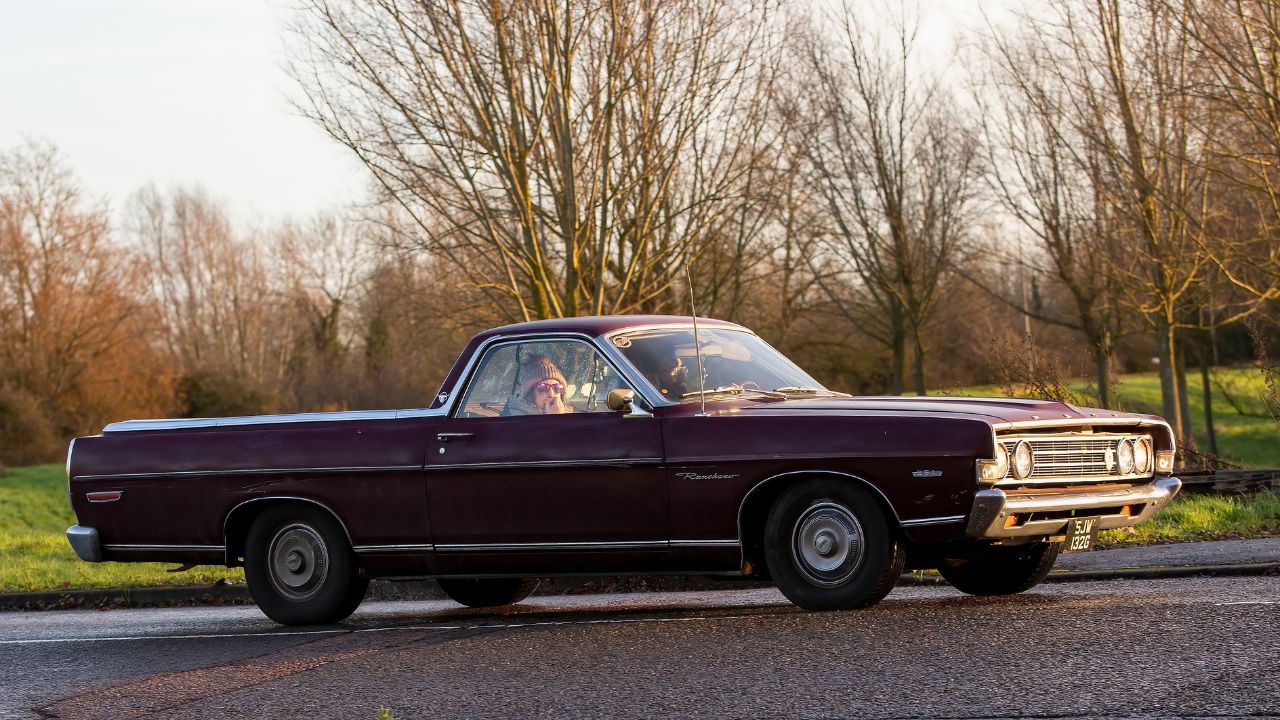
Ford created the U.S. car-based pickup segment with the Ranchero, and while the El Camino got more attention, the Ranchero had its own devoted following. Modern crossovers prove people want vehicle versatility without full truck dimensions, making this concept surprisingly relevant.
Ford could build it on the Mustang platform, creating a performance utility vehicle that actually looks good in a parking lot.
Conclusion

The beauty of these classics isn’t just nostalgia, it’s that each one represented a specific idea about what a car could be. Some prioritized straight-line speed, others focused on style, and a few tried to be genuinely practical while still being fun. Today’s automotive landscape feels a bit homogenized, with similar-looking crossovers and sedans dominating dealer lots.
Bringing back any of these nameplates would require more than just slapping vintage badges on current models, it would mean understanding what made them special and translating that character into something relevant for modern drivers. Whether any manufacturer takes that chance remains to be seen, but the appetite for distinctive, characterful vehicles certainly exists.