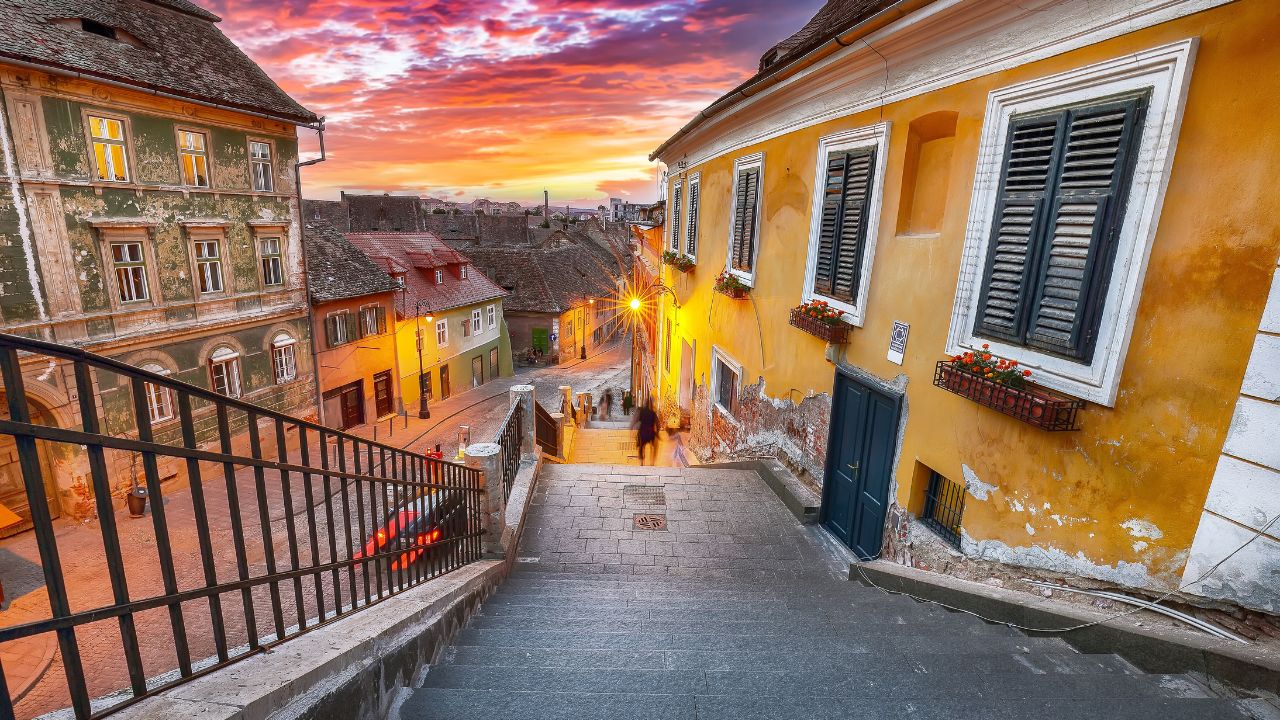
Travelers often dream of wandering through Europe’s cobblestone streets, historic squares, and café-lined boulevards, but rising costs have made many iconic destinations increasingly out of reach. Hotel prices, restaurant bills, and entrance fees in Europe’s most famous cities can quickly turn a dream trip into a financial strain. What many people do not realize is that similar architecture, culture, and atmosphere can be found elsewhere around the world at a fraction of the cost. These cities capture the European aesthetic while offering far more affordable daily expenses.
From grand old towns with medieval cores to elegant cities shaped by colonial European influence, these destinations deliver charm without the premium pricing. In many cases, food, lodging, and transportation cost half of what travelers would pay in Western Europe. Cultural experiences feel just as immersive, often with fewer crowds and a more relaxed pace of life. For travelers who want the Europe look without the Europe budget, these cities offer compelling alternatives.
Below are cities that feel unmistakably European in style, atmosphere, and history, yet remain far more accessible financially. Each destination provides walkable old towns, beautiful architecture, and café culture without draining your savings. These places prove that Europe’s magic is not limited to the continent itself. Sometimes, the best European experience is found somewhere else entirely.
Tbilisi, Georgia
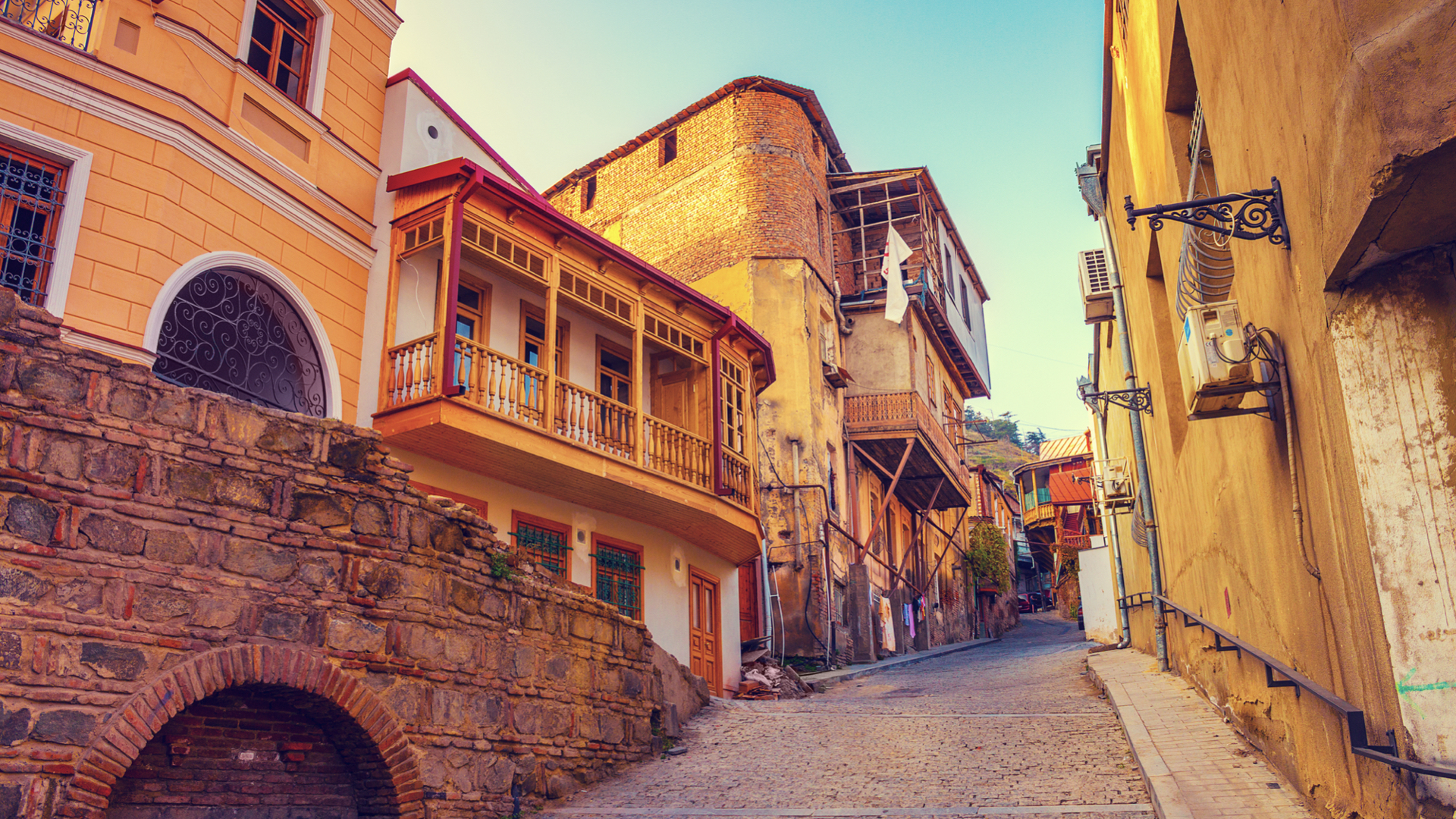
Tbilisi feels like a collision of old-world Europe and the Middle East, with ornate balconies, winding cobblestone streets, and grand historic buildings lining its hills. The city’s architecture reflects centuries of influence from Persian, Russian, and European cultures, creating a layered and visually rich urban landscape. Walking through the old town feels similar to wandering lesser-known cities in Eastern Europe, but with a warmer and more relaxed atmosphere. Cafés, wine bars, and historic bathhouses give the city an unmistakably European rhythm.
What truly sets Tbilisi apart is affordability. Hotels, apartments, and guesthouses cost a fraction of what travelers would pay in cities like Prague or Vienna. Dining out is remarkably inexpensive, even at high-quality restaurants serving traditional Georgian cuisine and European-style dishes. Wine, which is central to Georgian culture, is both excellent and extremely affordable, adding to the sense of everyday luxury.
Culturally, Tbilisi offers museums, opera houses, historic churches, and lively public squares that rival much more expensive European destinations. The city is walkable, social, and deeply rooted in tradition, making it easy for visitors to feel connected. Locals are welcoming and proud of their heritage, adding warmth to the experience. Tbilisi delivers old-world beauty without old-world prices.
Lviv, Ukraine

Lviv looks and feels like a Central European fairy tale, with pastel-colored buildings, baroque churches, and a beautifully preserved old town. The city’s architecture and layout resemble cities in Poland, Austria, and the Czech Republic, reflecting its complex European history. Outdoor cafés line the main squares, and street musicians add to the romantic atmosphere. It is a city that invites slow walks and long coffee breaks.
Despite its European elegance, Lviv remains incredibly affordable. Accommodation costs are far lower than in similar-looking cities like Kraków or Budapest. Restaurants serve hearty local dishes and European classics at prices that feel almost unreal to Western travelers. Coffee culture is deeply ingrained, yet a café visit rarely feels expensive.
Lviv’s cultural life is rich and immersive, offering theaters, museums, historic cemeteries, and vibrant nightlife. The city has a youthful energy thanks to its universities, balancing tradition with modern creativity. Events, festivals, and markets fill the calendar year-round. Lviv delivers a distinctly European experience without the financial pressure often associated with Europe.
Buenos Aires, Argentina

Buenos Aires often feels more European than many European cities, with grand boulevards, Parisian-style buildings, and elegant cafés. Neighborhoods like Recoleta and Palermo resemble parts of Paris or Madrid, complete with wide avenues and historic architecture. The city’s cultural life revolves around literature, theater, and long café conversations, echoing classic European urban traditions. Walking the streets feels like stepping into a Latin version of Europe.
The cost of living in Buenos Aires is dramatically lower than in Western Europe. Dining out, transportation, and entertainment remain highly affordable, especially given the quality and atmosphere. Steakhouses, bakeries, and wine bars offer exceptional value for money. Visitors can enjoy a high standard of living without high daily expenses.
Culturally, Buenos Aires rivals major European capitals. Opera houses, museums, bookstores, and historic neighborhoods offer endless exploration. Tango music and dance add a unique local dimension to the European feel. Buenos Aires proves that European elegance can thrive far beyond Europe itself.
Porto, Portugal

Porto feels like a classic European city frozen in time, with colorful buildings cascading toward the river and narrow streets winding through historic neighborhoods. The architecture, trams, and riverside promenades evoke old-world charm similar to Italy or southern France. Cafés and wine cellars create a social atmosphere rooted in tradition. The city’s slower pace enhances its romantic appeal.
Compared to many European capitals, Porto is surprisingly affordable. Accommodation prices remain reasonable, especially outside peak season. Dining out is inexpensive, even when enjoying fresh seafood and local wine. Public transportation and walkability further reduce daily costs.
Porto’s cultural richness comes from its history, music, and deep connection to wine production. Museums, churches, and scenic viewpoints are often free or low-cost. Locals are welcoming and proud of their city’s heritage. Porto offers Europe’s soul without Europe’s inflated prices.
Brasov, Romania

Brasov looks like a postcard from medieval Europe, surrounded by mountains and filled with Gothic churches and pastel townhouses. Its old town feels similar to small cities in Austria or Germany, complete with a central square and narrow side streets. Cafés and restaurants spill onto cobblestones, creating a relaxed and charming environment. The city feels intimate, walkable, and timeless.
Costs in Brasov are significantly lower than in Western Europe. Hotels and guesthouses offer excellent value, even near the historic center. Meals are hearty, flavorful, and inexpensive, with both local and European-style options widely available. Transportation and attractions remain budget-friendly.
Beyond architecture, Brasov offers rich history and easy access to nature. Medieval fortifications, nearby castles, and mountain trails provide diverse experiences. The city balances tourism and everyday life without feeling overwhelmed. Brasov delivers classic European charm on a modest budget.
Medellín, Colombia
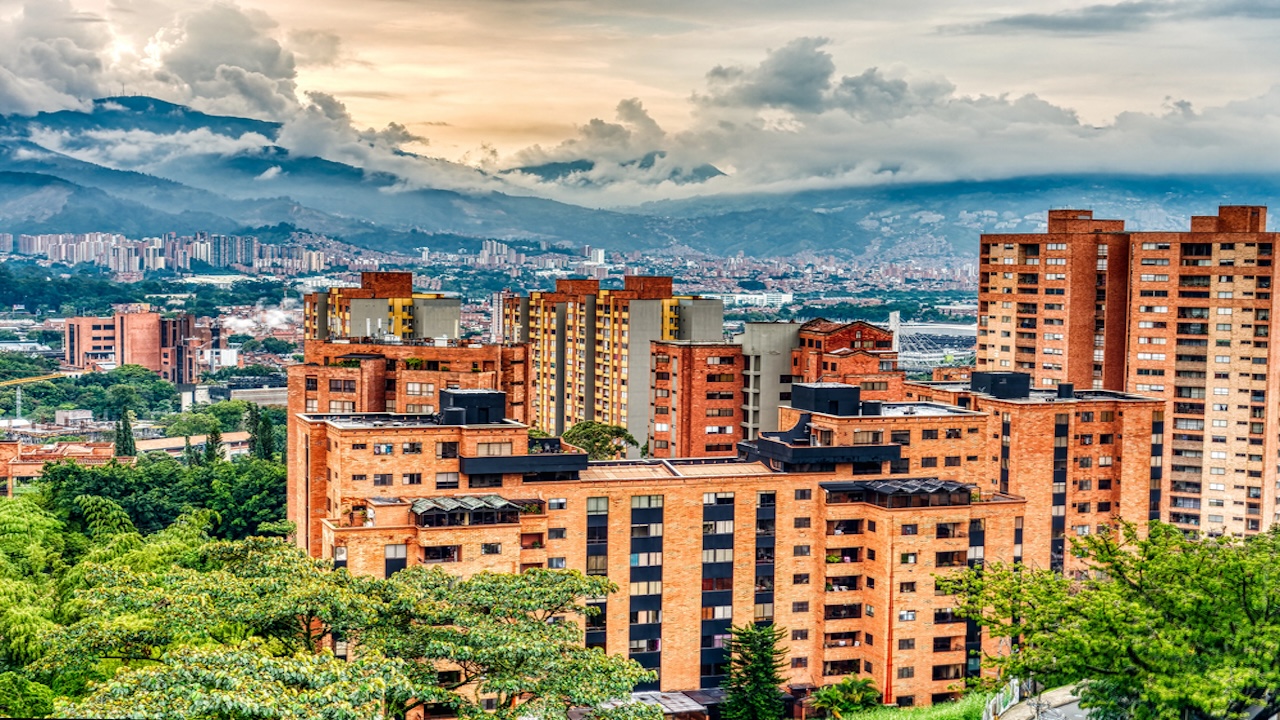
Medellín surprises many visitors with its European-style neighborhoods, public squares, and café culture. Areas like El Poblado feature leafy streets, modern architecture, and walkable districts that feel more European than Latin American. The city’s transformation has created a vibrant, livable environment. Public spaces are thoughtfully designed and widely used.
Affordability is one of Medellín’s greatest advantages. Apartments, food, and transportation are far cheaper than in European cities with similar lifestyles. Dining out is accessible, even at upscale restaurants. Everyday expenses allow visitors to live comfortably without financial stress.
Culturally, Medellín offers museums, libraries, public art, and lively neighborhoods filled with music and conversation. The city’s climate supports outdoor living year-round. Locals are friendly and socially engaged. Medellín offers European urban comfort with Latin warmth and lower costs.
Plovdiv, Bulgaria
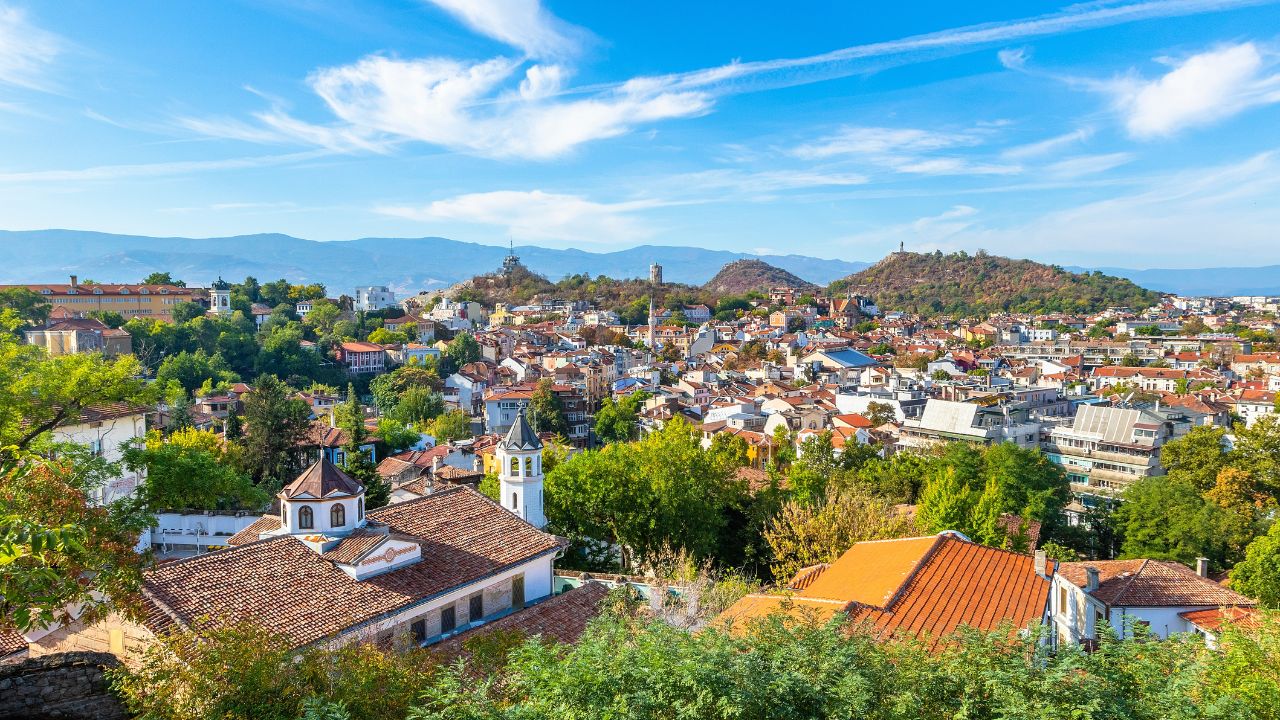
Plovdiv is one of Europe’s oldest cities, filled with Roman ruins, colorful old houses, and charming pedestrian streets. The old town sits atop hills, offering panoramic views and a strong historical presence. Its architecture rivals cities in Italy or Greece, yet remains largely undiscovered. The atmosphere feels intimate and authentic.
Plovdiv is exceptionally affordable compared to Western Europe. Accommodation, food, and entertainment come at very low prices. Dining out regularly is accessible even on a modest budget. Museums and historic sites often have minimal entrance fees.
Cultural life in Plovdiv is rich and deeply rooted in history. Festivals, art spaces, and cafés keep the city lively. Locals take pride in their heritage and welcome visitors warmly. Plovdiv delivers deep European history without modern European prices.
Cuenca, Ecuador

Cuenca feels unmistakably European, with its colonial architecture, cathedral-filled skyline, and walkable historic center. The city’s layout and design resemble Spanish towns, complete with plazas and narrow streets. Cafés, bakeries, and markets give daily life a familiar European rhythm. The atmosphere is calm and refined.
Living costs in Cuenca are significantly lower than in Europe. Rent, groceries, and dining remain affordable, even for long stays. Healthcare and public transportation are also inexpensive. Many visitors find they can live comfortably for half the cost of Europe.
Cuenca’s cultural appeal lies in its blend of tradition and modern life. Museums, music, and community events are easily accessible. The city is popular with expats yet still feels authentically local. Cuenca offers European charm with South American value.
Ljubljana, Slovenia

Ljubljana feels like a smaller, calmer version of cities such as Vienna or Zurich, with pastel buildings and a river running through its heart. The old town is pedestrian-friendly and filled with cafés, bridges, and historic landmarks. Green spaces and a relaxed pace enhance the city’s livability. The atmosphere is refined yet approachable.
Although Slovenia is in Europe, Ljubljana remains far more affordable than major European capitals. Hotels, food, and transportation cost significantly less than in Western Europe. Dining out feels accessible without sacrificing quality. The city rewards slow travel and everyday indulgence.
Culturally, Ljubljana offers museums, festivals, and a strong café culture. Locals prioritize quality of life, sustainability, and social connection. The city feels cultured without being pretentious. Ljubljana proves that Europe itself still has affordable secrets.
Timișoara, Romania

Timișoara is often called “Little Vienna,” thanks to its grand squares, pastel-colored buildings, and elegant Austro-Hungarian architecture. The city’s historic center feels refined and spacious, filled with cafés, opera houses, and pedestrian promenades that rival much more expensive European destinations. Despite its beauty, Timișoara remains remarkably affordable, with dining, lodging, and transportation costing a fraction of what travelers pay in Western Europe. Walking through the city feels like stepping into Central Europe without the financial pressure.
What makes Timișoara especially appealing is how livable and relaxed it feels. Restaurants serve generous portions of regional cuisine at modest prices, and outdoor terraces stay lively without becoming overcrowded. Cultural events, concerts, and festivals are frequent and often free or inexpensive. The city offers European elegance without the crowds or inflated costs.
Beyond aesthetics, Timișoara delivers a strong sense of authenticity. Locals go about their daily lives without catering heavily to tourists, which adds to the experience. Neighborhoods outside the historic center reveal leafy streets and classic apartment buildings that feel genuinely lived-in. Timișoara proves that beauty and affordability can coexist effortlessly.
Puebla, Mexico

Puebla feels like a European city transplanted into the heart of Mexico, with colonial architecture, grand churches, and ornate plazas dominating the landscape. The historic center is a UNESCO World Heritage Site filled with tiled buildings, fountains, and wide boulevards that echo Spanish design. Despite its visual richness, Puebla remains extremely affordable for travelers. Hotels, meals, and transportation cost far less than similar-looking cities in Europe.
The city is also one of Mexico’s culinary capitals, offering refined dishes that rival European cuisine in complexity and presentation. Dining out is both an aesthetic and cultural experience, often enjoyed in historic courtyards or elegant dining rooms. Prices remain accessible, allowing travelers to enjoy high-quality food without hesitation. Puebla feels refined without being exclusive.
Puebla’s slower pace adds to its appeal. Streets feel walkable and welcoming, and daily life unfolds calmly around historic landmarks. The city avoids the overwhelming crowds found in Europe’s most famous destinations. Puebla delivers European beauty with warmth, affordability, and authenticity.
Gdańsk, Poland

Gdańsk offers colorful facades, ornate townhouses, and a picturesque waterfront that rivals Northern Europe’s most famous cities. Its Old Town feels carefully restored, filled with cobblestone streets and historic architecture that mirrors cities like Amsterdam or Copenhagen. Despite this visual appeal, Gdańsk remains far more affordable than Western European destinations. Travelers can enjoy central accommodations and dining without stretching their budget.
The city’s food and café culture adds to its charm, with cozy interiors and outdoor seating lining the streets. Meals are hearty, well-prepared, and reasonably priced, making dining out a regular pleasure. Museums, galleries, and cultural attractions are accessible and affordable. Gdańsk combines beauty, history, and value in a way few European cities still manage.
Beyond the historic core, Gdańsk feels vibrant and lived-in. Locals fill cafés, markets, and parks, creating a welcoming atmosphere rather than a tourist-only zone. The nearby coastline adds natural beauty to the experience. Gdańsk proves that postcard-worthy Europe still exists at reasonable prices.
Hoi An, Vietnam

Hoi An feels like a European river town filtered through Southeast Asian elegance, with lantern-lit streets and historic buildings lining the old quarter. The architecture reflects centuries of trade influences, blending French, Chinese, and Japanese elements. Despite its charm, Hoi An remains extremely affordable. Lodging, food, and experiences cost far less than in Europe.
The city’s pedestrian-friendly layout enhances its appeal. Cafés, bakeries, and riverside restaurants offer beautiful settings at modest prices. Even tailored clothing and artisan goods are inexpensive compared to Europe. Hoi An allows visitors to enjoy aesthetic pleasure without financial stress.
Hoi An’s evenings are particularly magical. Lanterns glow across the river, creating an atmosphere that feels timeless. The pace slows, encouraging long walks and relaxed dining. Hoi An proves that beauty does not have to be expensive or exclusive.
Sibiu, Romania
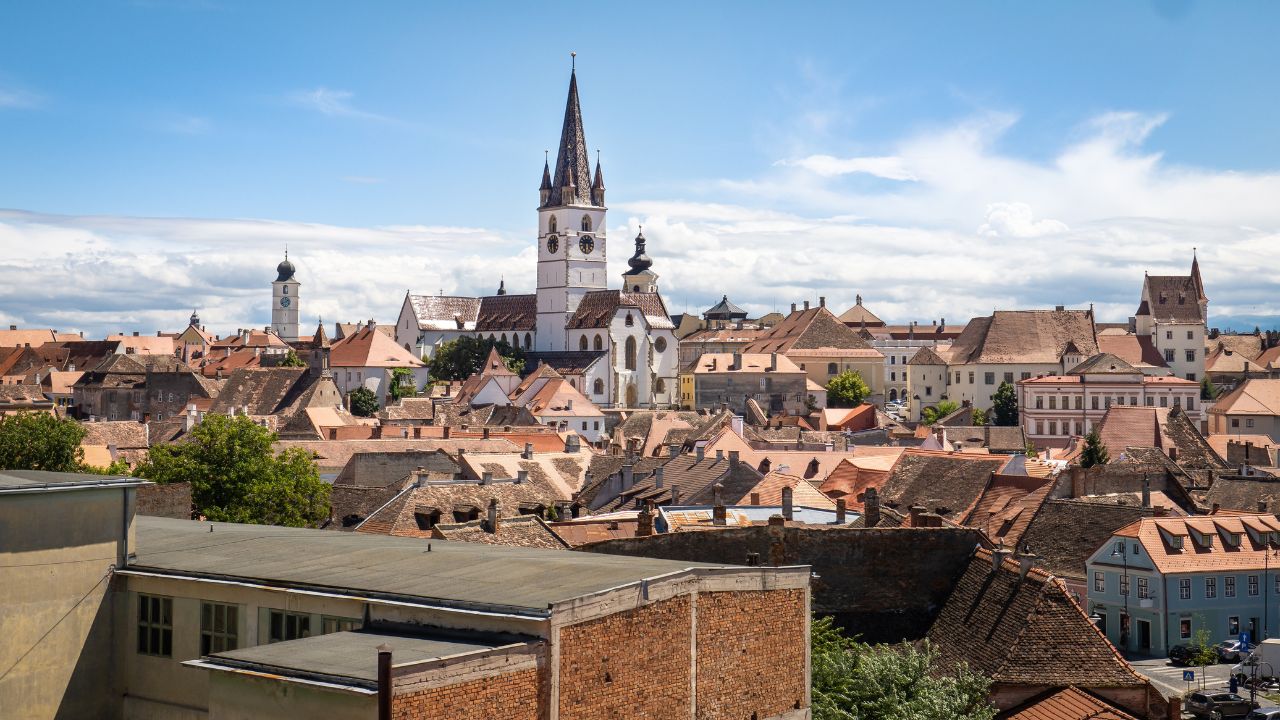
Sibiu looks like a fairy-tale European town, complete with colorful houses, fortified walls, and charming squares. Its historic center rivals cities in Germany or Austria in visual appeal. Despite this, Sibiu remains far more affordable. Hotels, meals, and attractions are accessible even for budget travelers.
The city’s compact size makes it easy to explore on foot. Cafés and restaurants spill into public squares, creating a lively yet relaxed atmosphere. Cultural events and museums add depth without high entrance fees. Sibiu feels cultured and welcoming.
Sibiu’s charm is amplified by its calm pace. The city avoids mass tourism, preserving its authentic character. Locals interact naturally with visitors rather than performing for them. Sibiu offers storybook beauty at everyday prices.
Arequipa, Peru
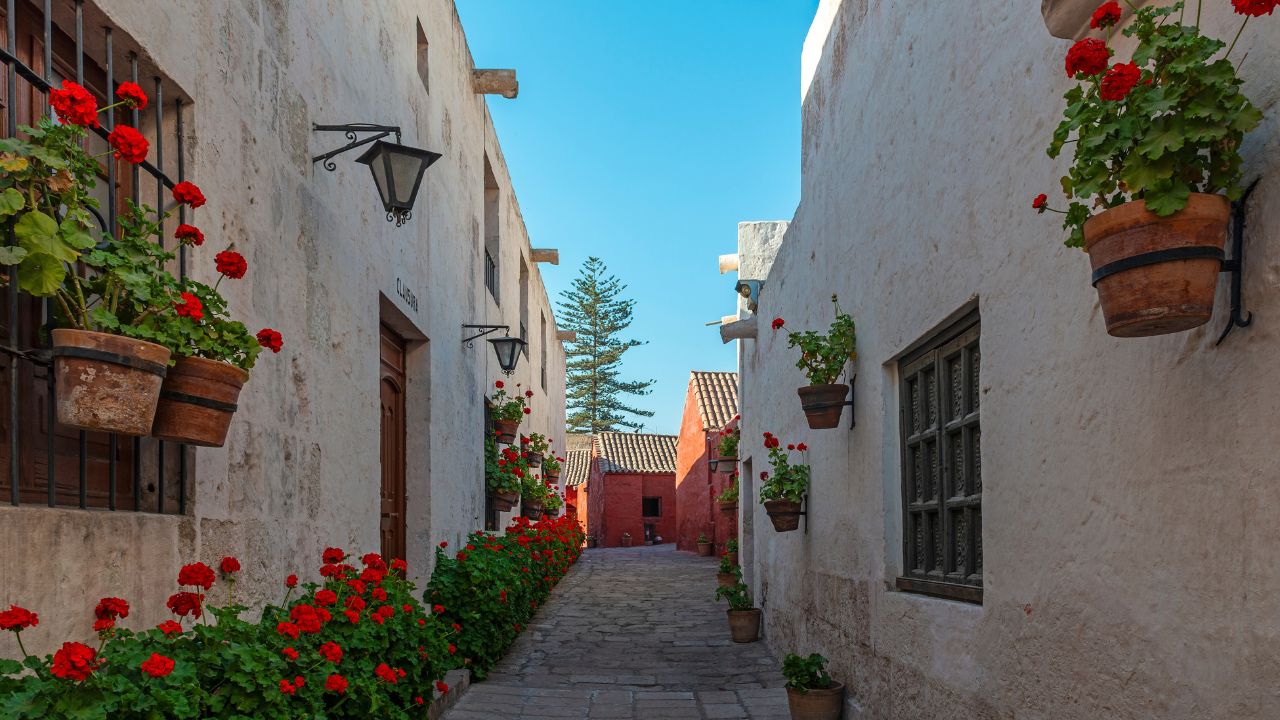
Arequipa is often called “The White City” due to its striking volcanic stone architecture. Churches, plazas, and historic buildings create a cohesive and elegant cityscape reminiscent of Southern Europe. Despite its beauty, Arequipa remains highly affordable. Dining and accommodations cost far less than in Europe.
The city’s culinary scene is refined and regional, offering rich flavors in beautiful settings. Outdoor cafés overlook plazas framed by mountains and historic facades. Prices allow visitors to dine out frequently without concern. Arequipa combines visual beauty with culinary depth.
Arequipa’s slower pace adds to its appeal. The city feels less tourist-driven than Peru’s more famous destinations. Local life unfolds naturally around historic landmarks. Arequipa delivers European aesthetics with Latin American affordability.