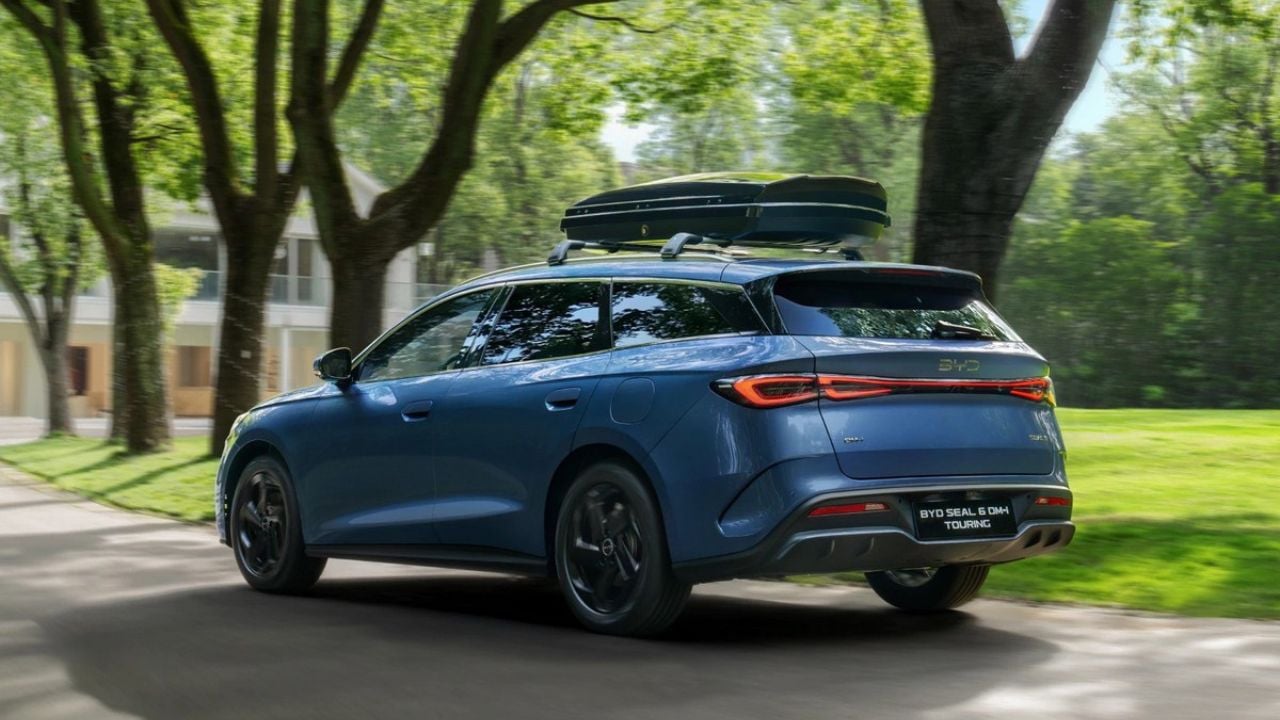
For many years, rust was a stubborn stereotype attached to Italian cars, Opels, and the fifth-generation Volkswagen Golf. Alfa Romeo, Fiat, and Lancia were often criticized in earlier decades for corrosion problems.
By 2026, however, the conversation has changed. Today, some Chinese cars are beginning to face similar criticism from owners in Europe.
In recent months, several European users of MG models have shared concerns about corrosion. The reports most often mention the MG ZS EV, MG4, and MG5.
The same sensitive areas appear repeatedly: the underbody, welds, rocker panels, and structural components.
MG Owners Report Rust In Several European Markets
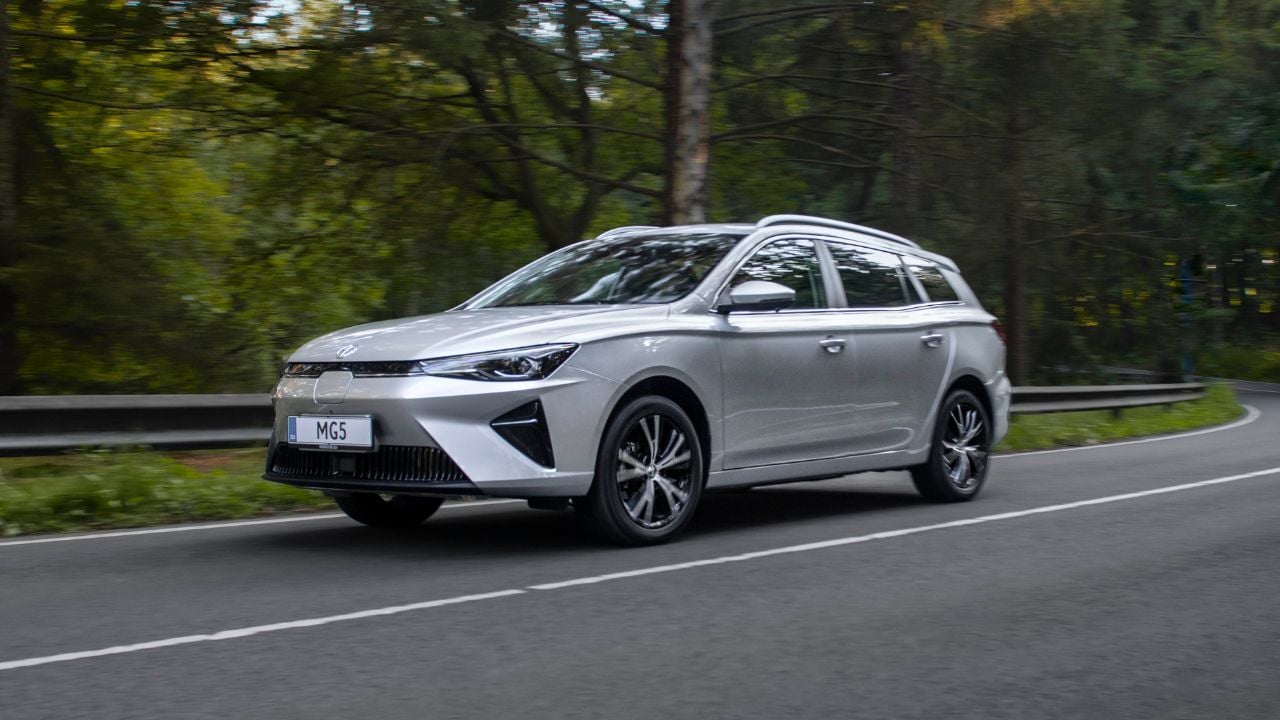
The issue appears especially visible in countries such as the United Kingdom and Germany, where moisture and winter road salt naturally accelerate corrosion. In those conditions, some owners even recommend applying additional rust protection after purchase.
One important detail should be noted. MG’s 7-year corrosion warranty generally covers body perforation, not surface rust. That distinction can be crucial for owners who discover early signs of corrosion but do not yet have structural damage.
That does not necessarily mean every MG vehicle is affected. Still, repeated owner reports in similar areas raise questions about long-term protection, especially in markets with harsh winter conditions.
BYD Has Also Faced Questions
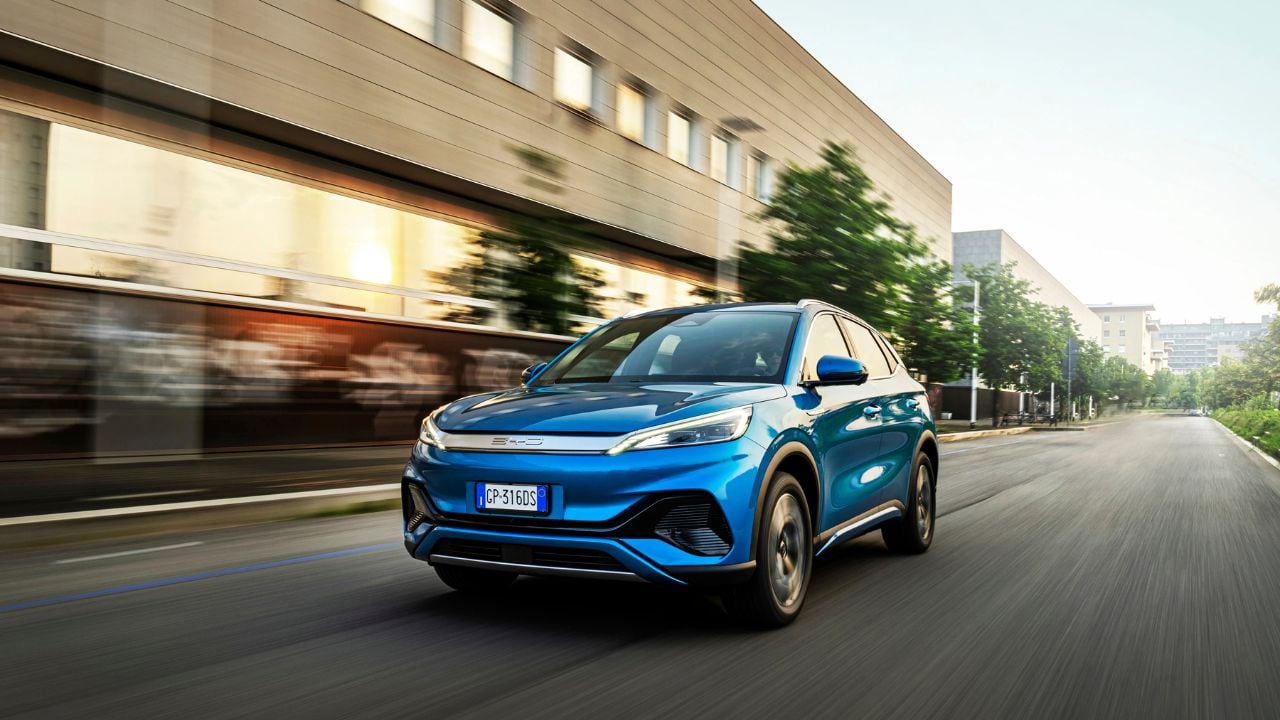
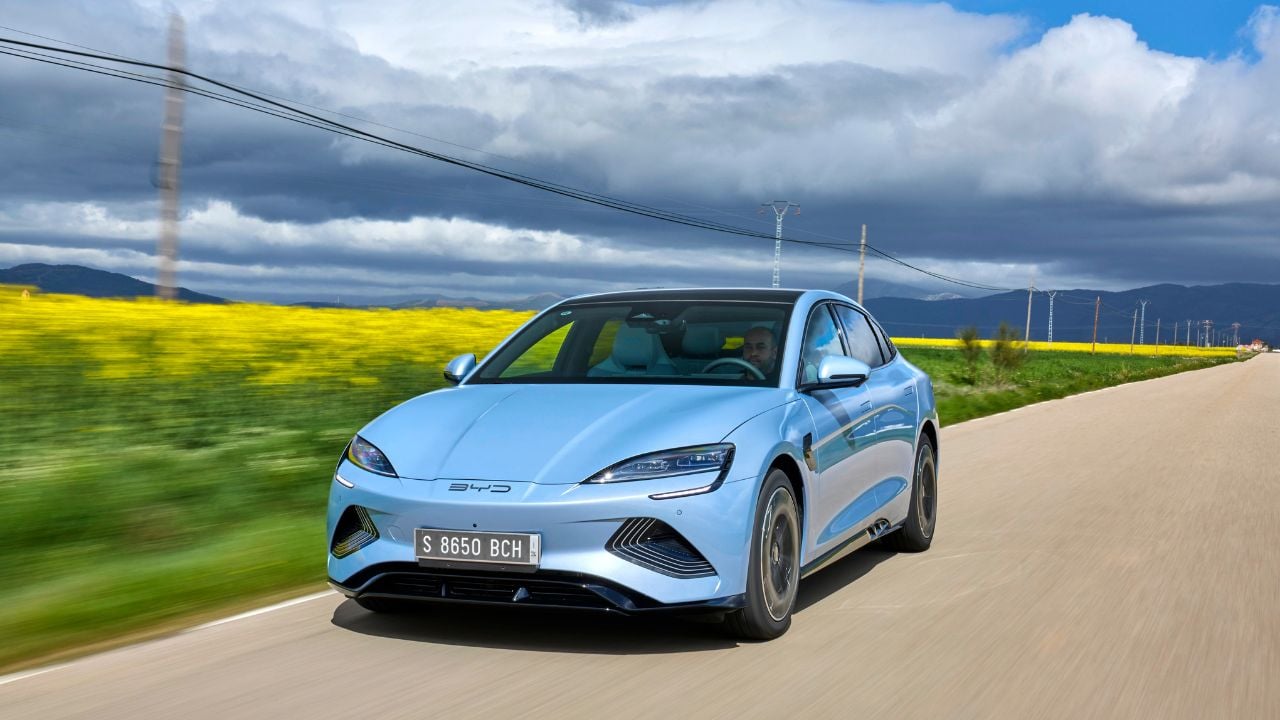
BYD has not been completely untouched by similar concerns. The BYD Atto 3 recently received media attention in Australia and New Zealand after photos showed rust marks on relatively new vehicles.
In one case, an owner in New Zealand had to repaint a large part of the vehicle. The work was estimated to cost several thousand dollars and was fully covered by the manufacturer.
User discussions suggest that one possible cause could be insufficient metal preparation before painting on some early production batches. Other possible explanations have also been mentioned, including stone chips, scratches, coastal conditions, or the way individual vehicles were used.
There are opposite examples as well. Some vehicles that are two or three years old and parked near the sea reportedly show no signs of corrosion.
BYD Responded Quickly
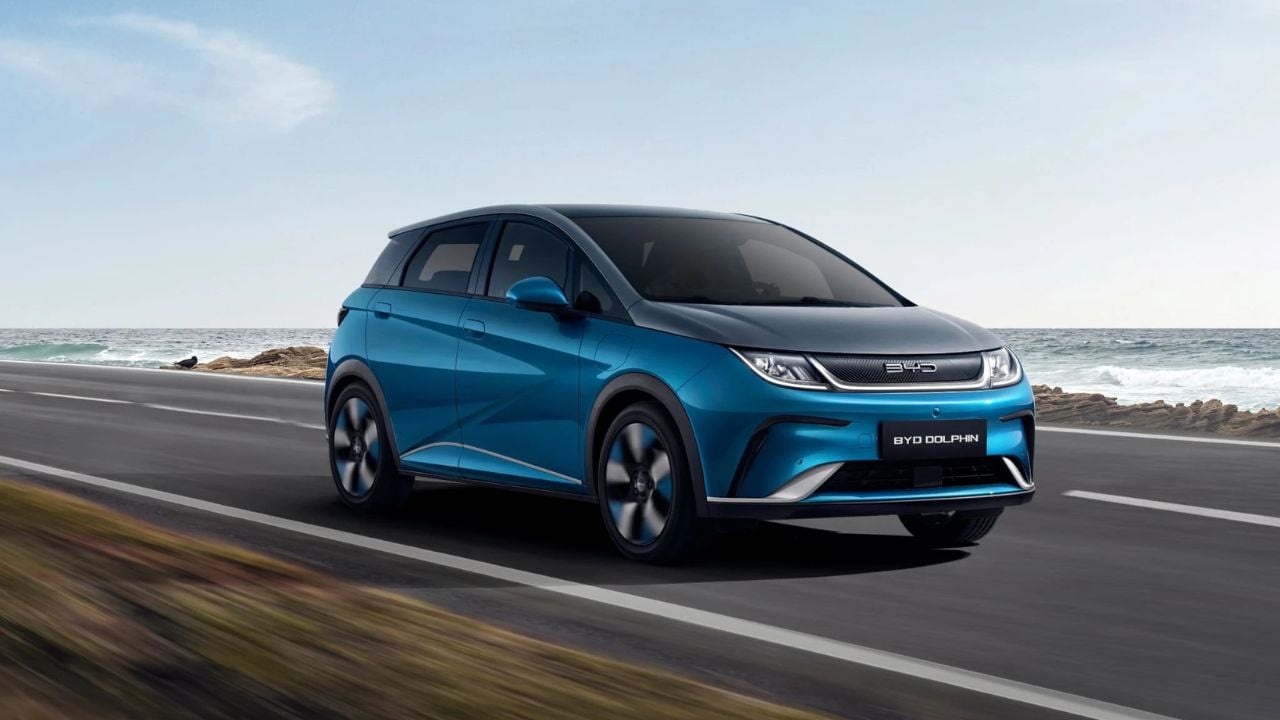
Faced with these reports, BYD reacted quickly. The company says its vehicles meet the highest international standards and use advanced protection techniques such as electrogalvanization, where a thin layer of zinc is applied to help protect the metal.
In reported cases, the brand covered repair costs under warranty and even involved local teams to monitor the situation. That response shows how important customer satisfaction is for a manufacturer expanding rapidly on the global market.
The symbolic meaning of the situation is especially interesting. Italian automakers have significantly improved build quality and corrosion resistance over the decades, while some newer global players now have to prove themselves in these basic areas.
Fast Growth Can Reveal Early Problems
This does not mean all Chinese cars are affected. These cases still appear relatively rare, and generally positive owner impressions of many BYD models support that view.
However, in an extremely competitive market, brand image depends on durability as much as price, technology, and design. Even isolated episodes can gain attention quickly if buyers begin to question long-term quality.
The meteoric rise of Chinese automakers owes a great deal to attractive pricing. But such rapid expansion can sometimes reveal early growing pains, especially in fundamental areas such as corrosion protection.
For brands trying to win trust outside China, rust is more than a cosmetic issue. It is a test of long-term credibility.
This article originally appeared on Autorepublika.com and has been republished with permission by Guessing Headlights. AI-assisted translation was used, followed by human editing and review.