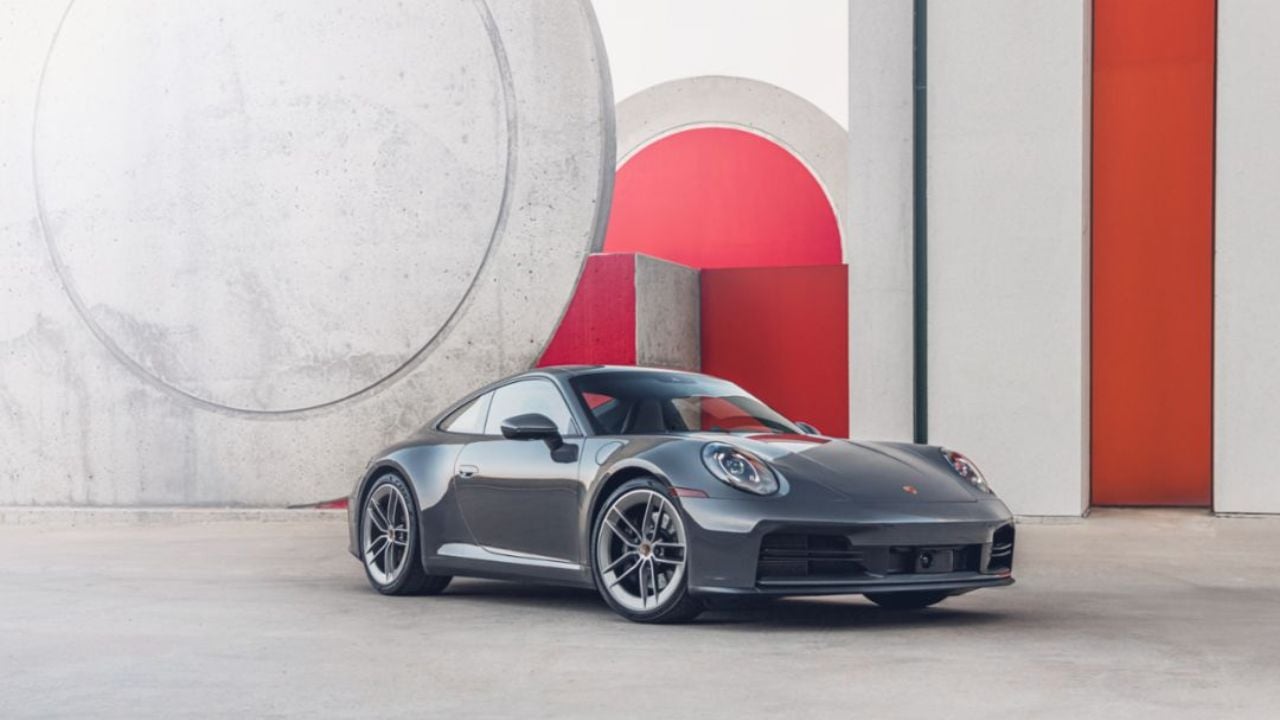
Beautiful car design is strongest when the shape explains the car. The proportions should tell you where the engine sits, how the cabin is packaged, how the air moves around the body, or what kind of driving the car was built to do.
That matters in a market full of oversized grilles, busy lighting signatures, fake vents, and complicated surfaces. Attention is easy to chase. Lasting design usually comes from cleaner decisions: good stance, honest proportions, useful packaging, and details that support the car’s purpose.
The seven models below approach that idea from very different directions. A roadster, a rear-engine sports car, a mid-engine sports car, a long-range EV sedan, a wagon, a plug-in hybrid, and an electric crossover do not need to look alike to prove the same point.
Each one earns its place here because the styling connects to something practical underneath. The shape helps explain the car’s lightness, speed, range, efficiency, cargo space, cabin room, or everyday usefulness.
The Design Standard Behind These Picks

This selection focused on new or final-inventory 2026 vehicles available to U.S. buyers. Styling alone was not enough. Each car needed a design that clearly connects to its engineering, packaging, drivetrain layout, aerodynamics, cabin use, or driving character.
The list also needed range. A small roadster proves purpose through lightness and balance. A long-range EV proves it through aerodynamic efficiency and cabin packaging. A wagon proves it through cargo space and low, usable proportions.
The strongest choices were the cars whose shapes would make less sense if the engineering underneath changed. Their designs are not just attractive surfaces. They help explain why the vehicle exists.
Mazda MX-5 Miata
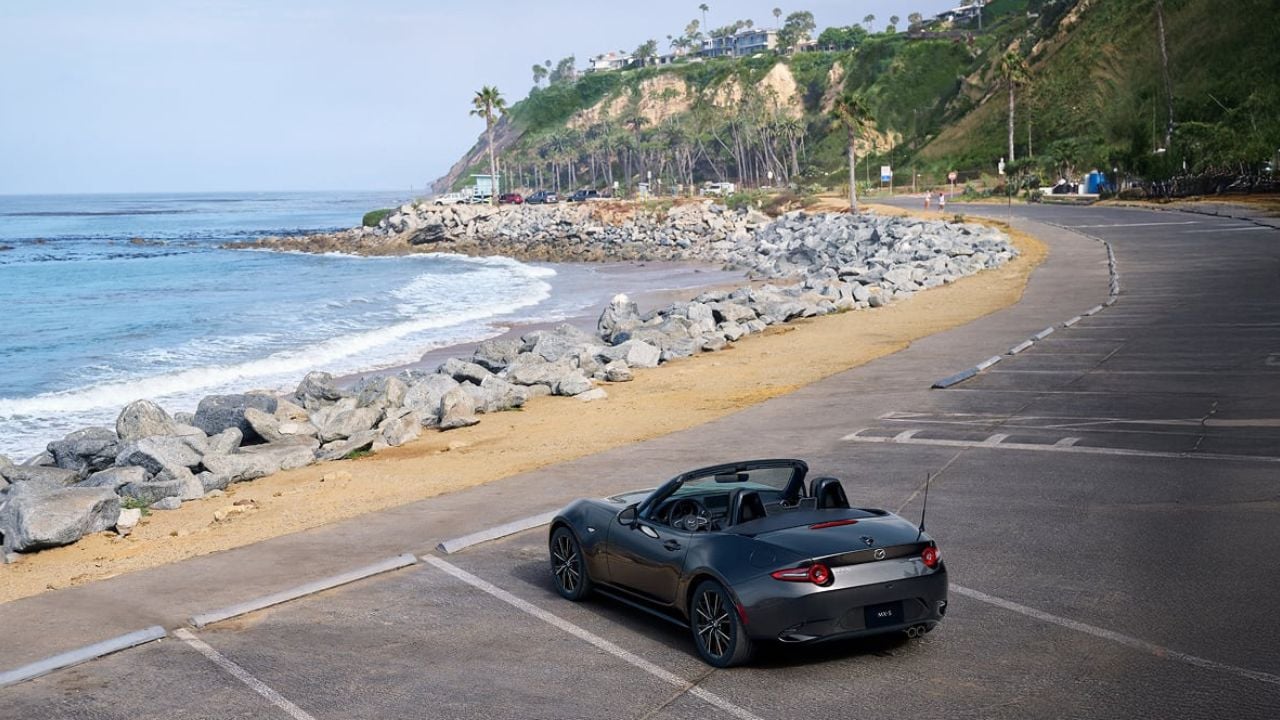
The Mazda MX-5 Miata remains one of the cleanest examples of design through restraint. Its low hood, small cabin, short overhangs, and tight roadster proportions all support the same job: keeping the car light, balanced, and easy to place on the road.
Mazda lists the 2026 MX-5 Miata from $30,430, with rear-wheel drive and near 50:50 weight distribution. Those details are visible before the car moves. The driver sits low, the body stays compact, and the stance communicates balance without extra decoration.
The Miata does not need exaggerated vents, fake aggression, or unnecessary size to look special. Its proportions come from the basic ingredients of a small front-engine, rear-wheel-drive roadster.
In a market full of heavier performance cars, the Miata still shows how much design can come from subtraction. The car looks good because there is very little on it that does not need to be there.
Porsche 911 Carrera
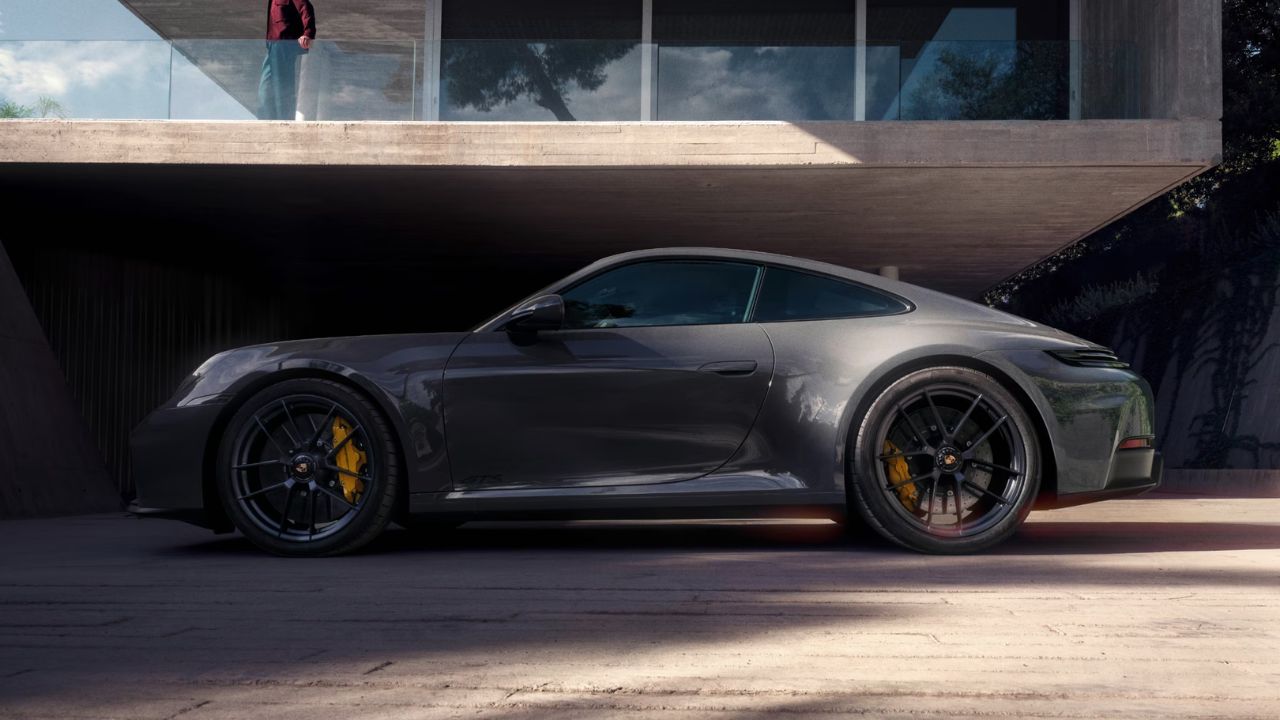
The Porsche 911 Carrera is not beautiful because Porsche keeps copying the past. It works because Porsche keeps refining one difficult layout instead of hiding from it.
The roofline, round fenders, compact cabin, and rear-engine stance all come from decades of development around the same basic idea. The 911 still carries visual weight over the rear axle, and that gives the car a silhouette few modern sports cars can imitate honestly.
Porsche lists the 2026 911 Carrera with a $135,500 base MSRP, 388 hp, a 3.9-second 0-to-60 mph time, and a 183 mph top track speed with summer tires. The numbers are modern, but the design still depends on compact packaging, low height, rear-engine traction, and careful aerodynamic development.
The 911 looks purposeful because its shape has been tested across generations. Porsche did not erase the car’s unusual proportions. It kept improving them until the silhouette became part of the engineering story.
Chevrolet Corvette Stingray

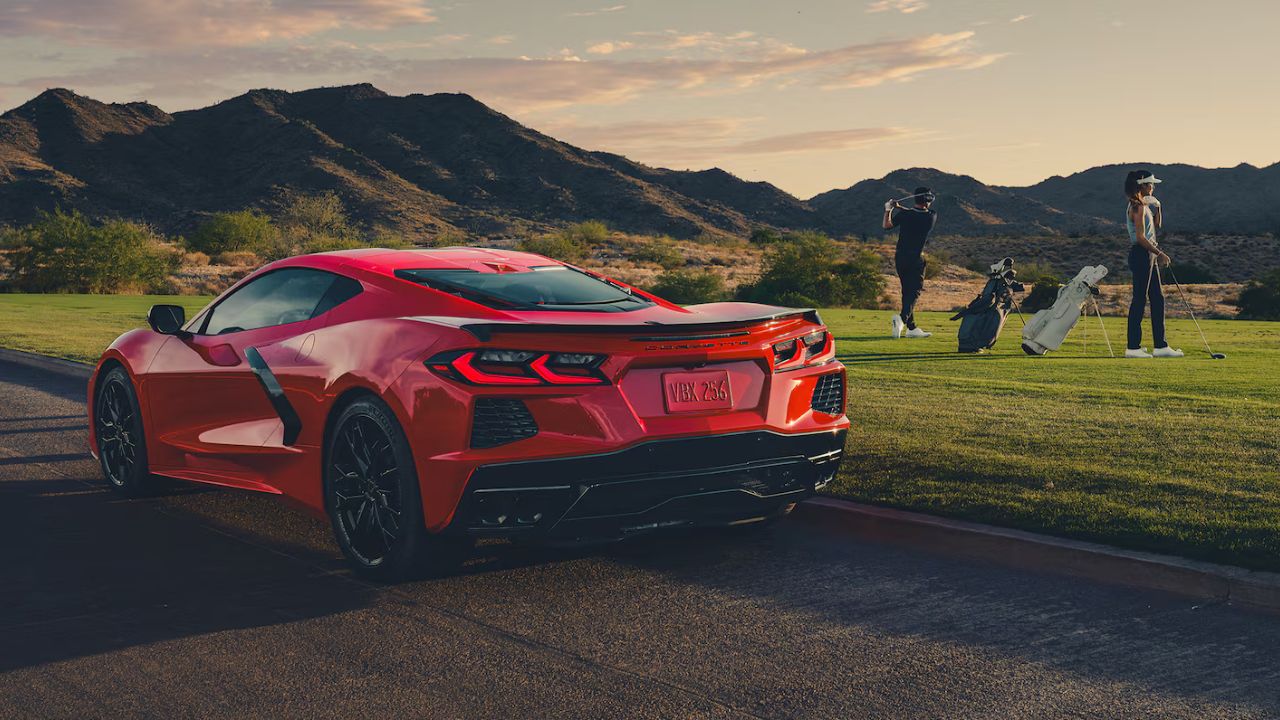
The Chevrolet Corvette Stingray changed dramatically because the engineering changed dramatically. Moving the engine behind the driver gave the Corvette a lower nose, shorter front section, cab-forward cabin, wide rear body, and a stance closer to an exotic car than any previous base Corvette.
Chevrolet lists the 2026 Stingray from $70,000. It produces 490 hp as standard, rises to 495 hp with the available performance exhaust system, and can run from 0 to 60 mph in as little as 2.9 seconds when equipped with the available Z51 Performance Package.
The design follows the layout. The rear body has to manage the engine placement, cooling needs, and traction. The side openings are tied to airflow. The front trunk and rear cargo area show how Chevrolet kept real storage space in a mid-engine package.
The modern Stingray earns its visual drama because the car’s proportions changed for a mechanical reason. It no longer looks like a traditional American sports car with extra aggression added. It looks like the mid-engine Corvette Chevrolet finally built.
Lucid Air Grand Touring
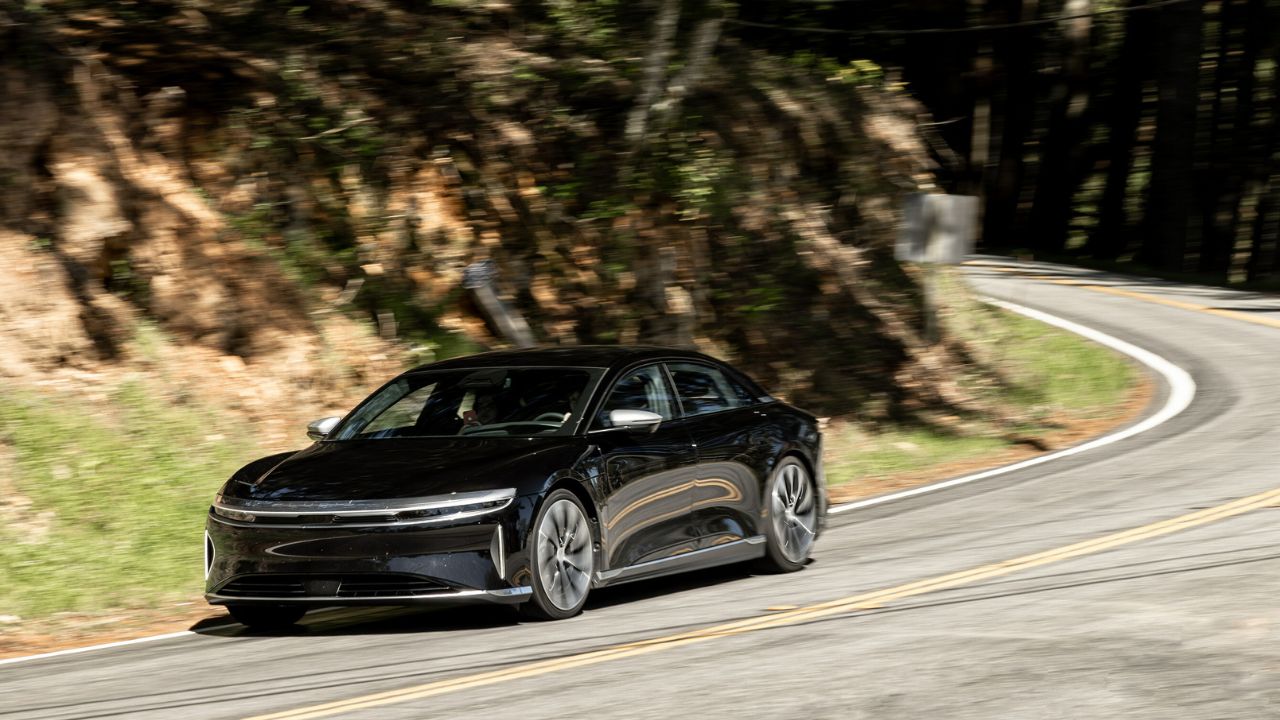
The Lucid Air Grand Touring uses design to reduce resistance and increase usable space. Its long roof arc, short front overhang, clean body sides, and low stance are tied directly to the car’s range, cabin packaging, and aerodynamic efficiency.
Lucid lists the 2026 Air Grand Touring from $114,900, with up to 512 miles of EPA-estimated range when equipped with 19-inch wheels. The same model is rated at 819 hp, can run from 0 to 60 mph in 3.0 seconds, and has a 0.197 drag coefficient when properly equipped.
The charging claim supports the same long-distance brief. Lucid says the Air Grand Touring can add up to 200 miles of range in about 12 minutes when connected to a 350-kW DC fast charger and equipped with 19-inch wheels, with real-world results depending on the charger, vehicle, temperature, and battery condition.
The design avoids the heavy ornamentation often used to make luxury cars look expensive. Lucid uses a clean exterior, a low-drag profile, a roomy cabin, and a long driving range to make the Air Grand Touring feel premium without relying on old luxury cues.
Toyota Prius Plug-In Hybrid
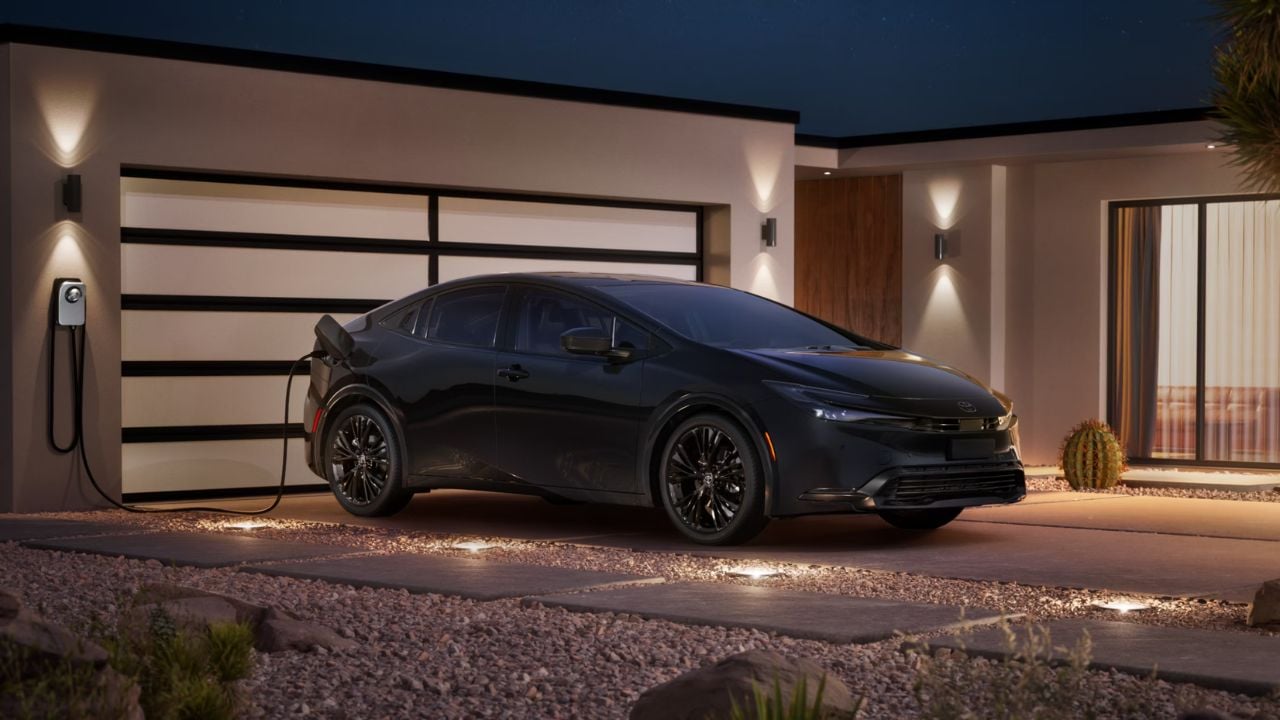
The Toyota Prius Plug-In Hybrid may be the most surprising design success here. Earlier Prius generations were easy to respect for efficiency, but they were harder to admire for style. The current car changes that with a lower roofline, cleaner surfaces, sharper stance, and a more planted profile.
Toyota lists the 2026 Prius Plug-In Hybrid with up to 44 miles of EPA-estimated all-electric driving range from a full charge. Its 220-hp plug-in hybrid system can also take the car from 0 to 60 mph in 6.6 seconds.
The design still serves the efficiency mission. The low roof and smoother body help the car look more athletic while keeping the aerodynamic logic that has always been central to the Prius formula.
The result is a plug-in hybrid that no longer looks like a compromise between economy and style. It can handle short commutes on electric power, use gasoline for longer trips, and still look sharp enough to stand on design rather than efficiency alone.
Volvo V60 Cross Country
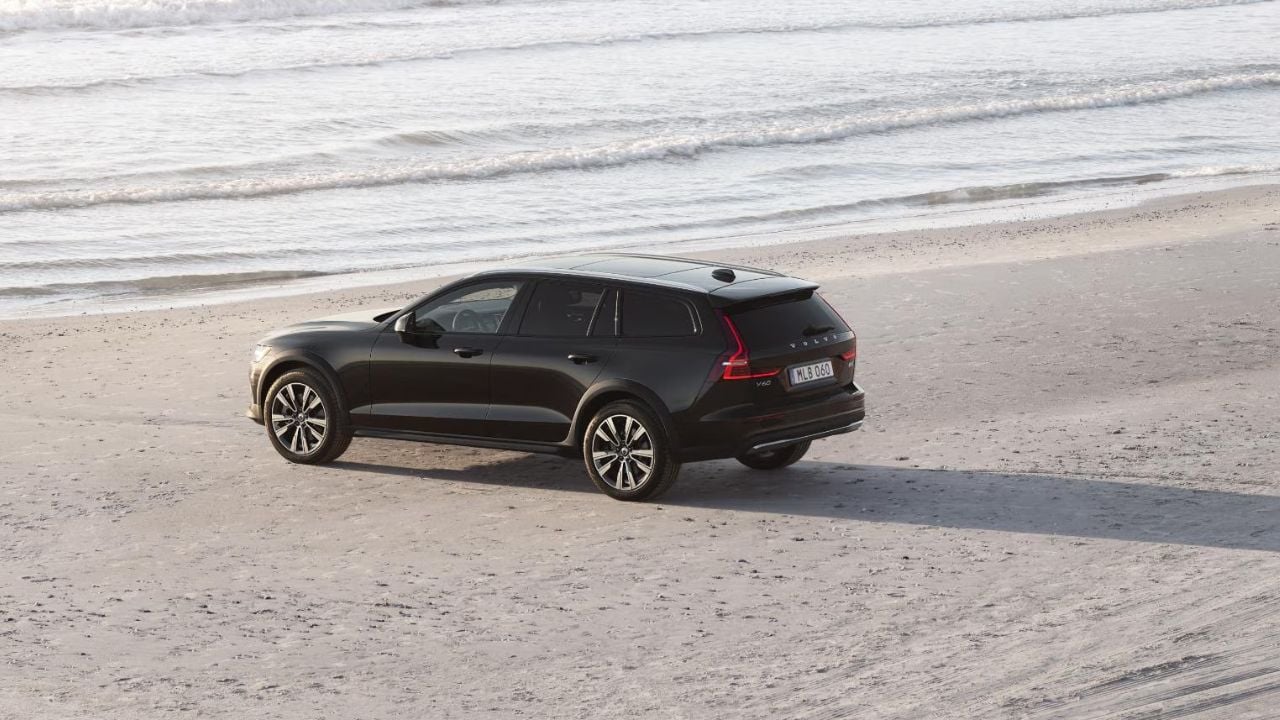
The Volvo V60 Cross Country makes a strong case for the long-roof wagon in a market dominated by SUVs. Its proportions give it a useful cargo area, a lower loading height, a cleaner roofline, and better visual balance than most tall crossovers.
The Cross Country treatment adds function without turning the car into a caricature. Volvo says the 2026 V60 Cross Country has all-wheel drive, Off Road mode, high ground clearance, Hill Descent Control, and a mild-hybrid system that recovers braking energy through a 48-volt battery.
U.S. buyers should treat it as a final-inventory choice. Volvo accepted final customer orders through late January 2026, scheduled production to end in April 2026, and expected retailer inventory to remain available for a few months afterward.
The V60 Cross Country looks mature because its design does not overstate the mission. It gives buyers cargo space, bad-weather confidence, and a more graceful profile than a conventional SUV, without pretending to be a rugged off-roader.
Hyundai Ioniq 5
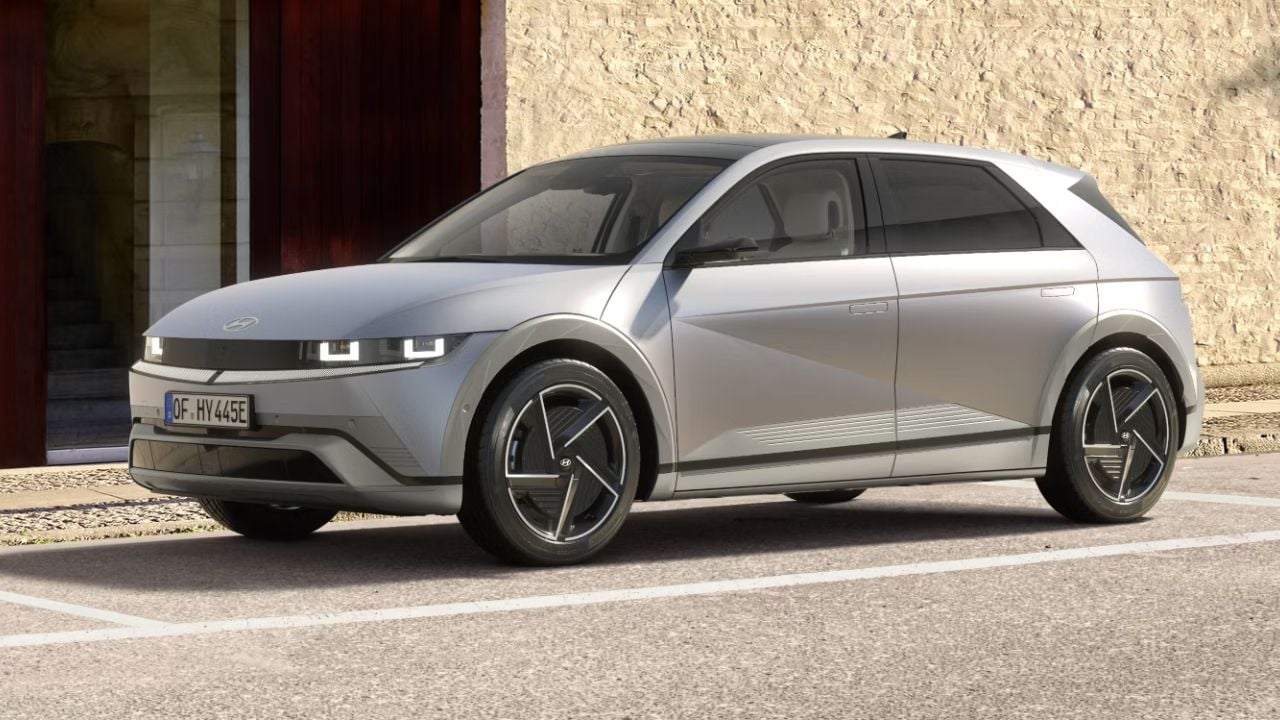
The Hyundai Ioniq 5 proves that an electric crossover can be practical without becoming anonymous. Its pixel lighting, sharp body lines, long wheelbase, and hatchback-like profile give it a clear identity in a crowded EV market.
Hyundai lists the 2026 Ioniq 5 with EPA-estimated driving range up to 318 miles, available power up to 320 hp, and approximately 20-minute charging from 10 to 80% on a 350-kW, 800V DC fast charger.
The packaging is the real design story. The flat floor and long wheelbase help create a spacious cabin, while the squared-off body gives the vehicle a useful shape without making it look like a conventional SUV.
The Ioniq 5 stands out because the exterior and interior are connected. The same EV platform that gives it cabin space also allows the short overhangs, stretched wheelbase, and distinctive stance that make the car recognizable at a glance.
When Good Design Still Has Something To Say
The best car design does not need to shout. It becomes memorable when the shape, engineering, and use case all line up.
The Miata uses smallness and balance. The 911 uses continuity and rear-engine packaging. The Corvette uses its mid-engine layout. The Lucid uses aerodynamics and range. The Prius uses efficiency. The V60 uses wagon practicality. The Ioniq 5 uses EV packaging.
None of these cars is beautiful in exactly the same way. That is the point. Good design can come from many different missions, as long as the shape is honest about what the car is built to do.
Style created only for attention usually ages quickly. Design tied to purpose has a better chance of lasting because the proportions are backed by function, not just fashion.