
A major shift in the global electric vehicle landscape is gathering momentum as Geely Holding Group, one of China’s largest automotive conglomerates, signaled at the 2026 Consumer Electronics Show (CES) that it intends to announce a formal plan to enter the United States EV market within two to three years.
Geely’s global communications head highlighted that an official announcement about timing, brands, and strategy is expected by the end of 2028, indicating a deliberate but determined push into the world’s largest auto market.
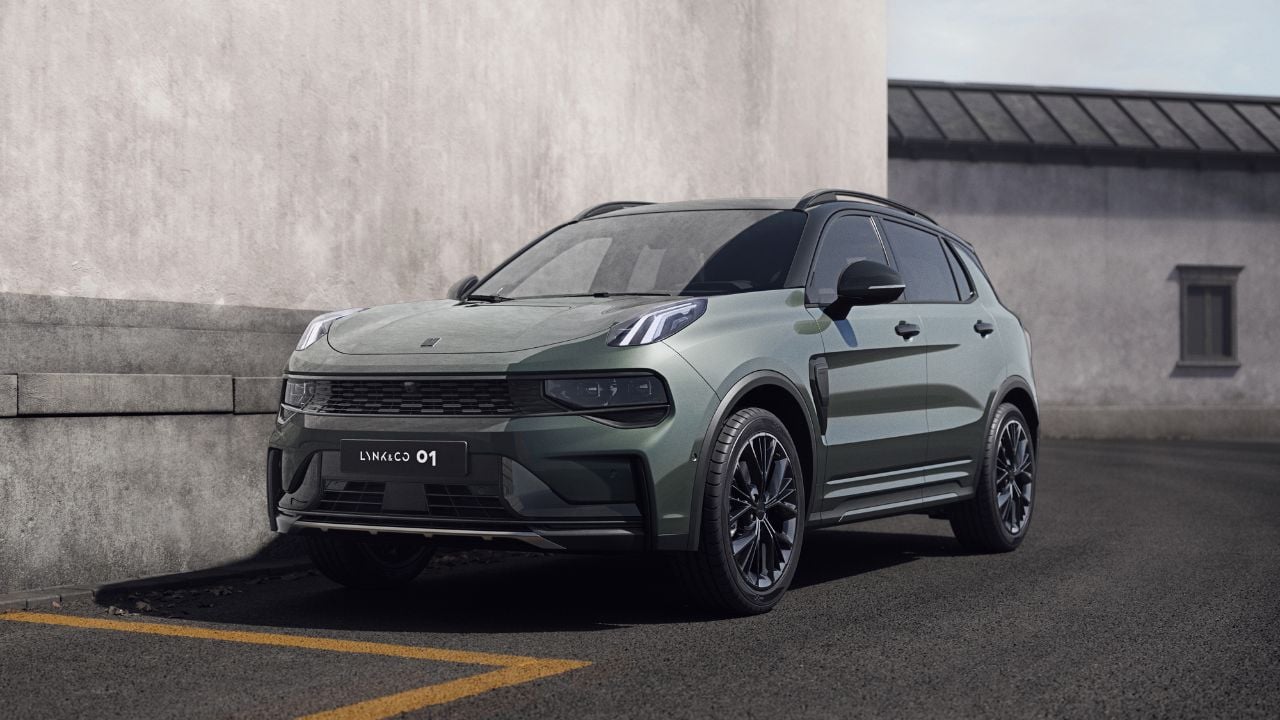
Geely is already a giant in global auto markets. The company owns a portfolio of well-known brands that include Volvo, Polestar, Smart, and Lotus, and its homegrown names Zeekr and Lynk & Co have gained traction in Europe and Asia. Geely’s presence at CES this year included test drives of models from several of these brands, demonstrating vehicles it believes could appeal to U.S. consumers.

The 2–3-year timeframe relates to when a formal business plan and perhaps a market entry announcement will arrive, not when cars will necessarily be for sale in American showrooms. Executives carefully stressed that regulatory challenges, trade policy issues, and local adaptation of vehicles remain unresolved details.
Strategic Drivers and Market Context
This announcement comes as China’s EV industry expands aggressively on multiple continents, driven by fast-growing domestic EV production and intensifying competition with Western makers. China now produces a majority of the world’s electric vehicles and battery systems, and Chinese brands have been steadily pushing into Europe and Latin America.
Geely in particular has enjoyed rapid growth. In 2025 the company recorded strong global sales across its portfolio, including significant gains for its electrified and premium brands. Its Zeekr premium EV arm sold tens of thousands of vehicles and has grown quickly since launch, while Lynk & Co has exceeded cumulative sales of over a million units. Geely also deploys advanced driver-assistance and AI-enabled systems across its product range.
At the same time, Chinese EV brands have already begun nibbling at the edges of the North American market. ZEEKR, Geely’s EV-centric brand, launched models in Mexico in 2024, which is a strategically adjacent market, selling the ZEEKR 001 sedan and ZEEKR X SUV via local distribution agreements and establishing North America as an accessible starting point.
Policy Headwinds and Structural Barriers
Despite the enthusiasm, substantial hurdles remain for Geely’s U.S. ambitions. American trade policy currently imposes 100 percent tariffs on Chinese-built passenger vehicles, making direct imports far more expensive than domestic production or vehicles made by non-Chinese brands.
Added to that is a ban on certain Chinese-developed vehicle software under current U.S. regulations, raising complex compliance and technology adaptation questions for Chinese EV systems.
Geely has signaled ways around these headwinds. One clear option is local production. Geely owns Volvo and Polestar, both of which have existing manufacturing footprints in the United States. Geely executives pointed to the Volvo plant in South Carolina as a logical place to assemble vehicles for U.S. sale, helping avoid tariffs and aligning with local content expectations.
There is also an implicit bet on shifting political winds. Comments from industry insiders suggest that the timeline for an announcement might be influenced by the future of U.S. trade policy and bilateral relations. Some analysts on social media have emphasized that a change in administration or regulatory approach could alter the calculus for market entry or impose new technical requirements for Chinese imports.
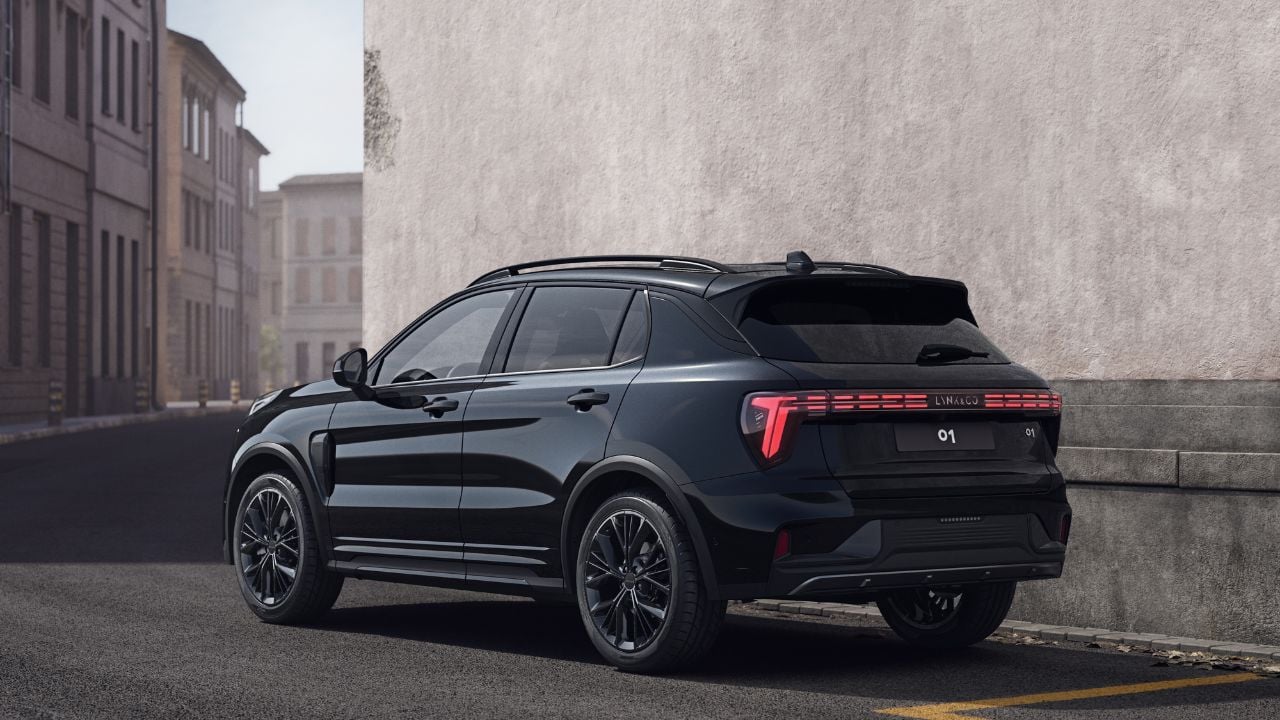
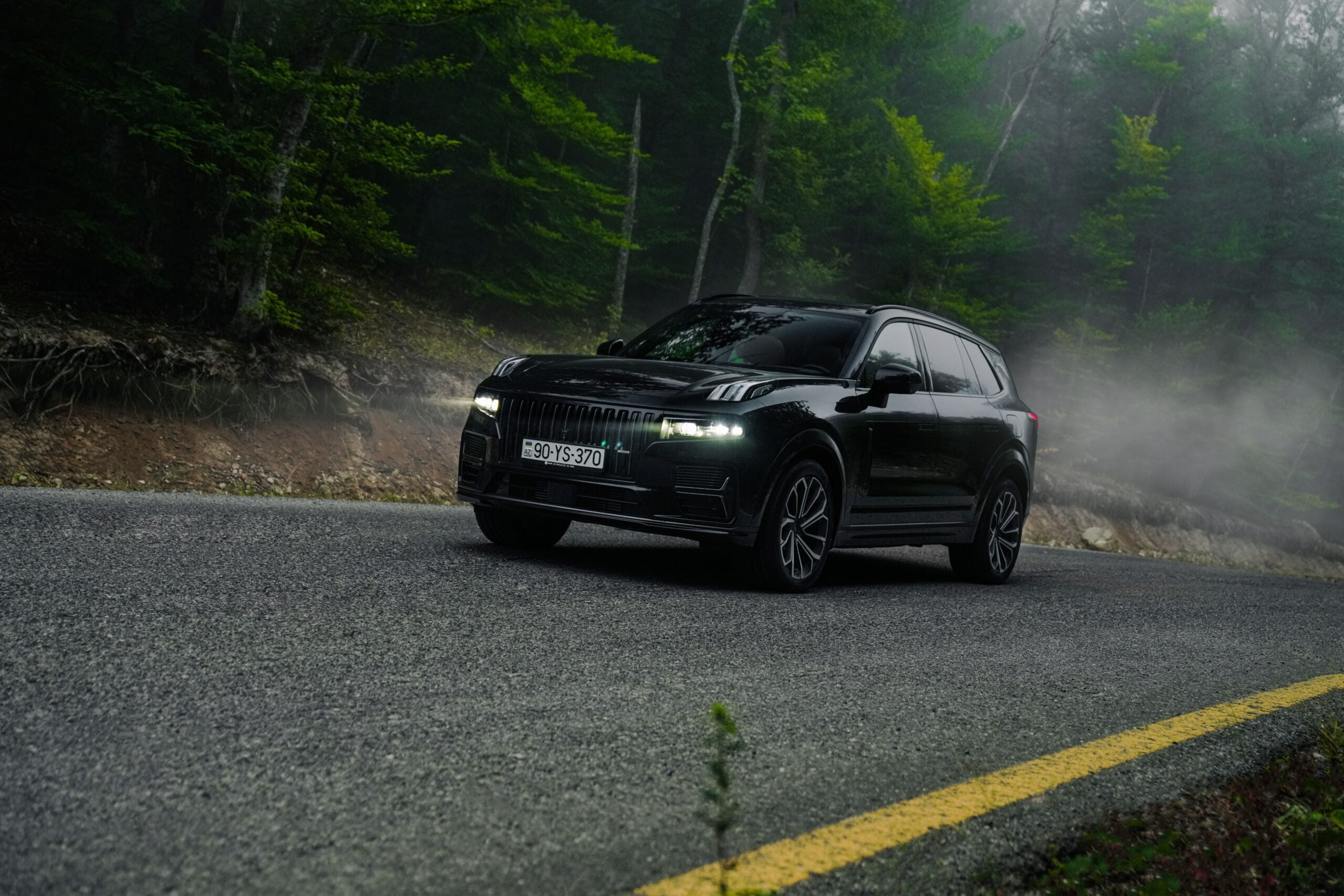
Geely’s strategy appears to prioritize premium and tech-savvy offerings for the U.S. rather than low-cost mass market segments, with Zeekr often cited as the brand best positioned for U.S. tastes due to its focus on quality, technology, and performance. Lynk & Co, with a mix of hybrid and electric vehicles and a European-oriented design approach, could follow closely. Mainstream Geely-branded models may come later or be targeted toward secondary markets.
Vehicles seen at CES included Zeekr models like the Zeekr X and 7X, as well as hybrid offerings from Lynk & Co, hinting at a multi-front product strategy that blends premium EVs with electrified crossovers.
Industry Reaction and Competitive Impact
The news of Geely’s intentions resonated across industry circles. Many analysts view China’s expanding footprint as an existential challenge to U.S. and European auto makers that have so far lagged in cost competitiveness and EV production scale. American automakers could face intensified competition if a major Chinese player makes a serious push for market share.
For consumers, Geely’s entry could translate into more choices and potentially lower prices, especially in segments where Chinese manufacturers have already demonstrated strong value propositions. Some market observers have compared this to the entry of Japanese automakers decades ago, which transformed the U.S. auto market landscape. Responses on social media reflect both excitement and skepticism about consumer acceptance of Chinese-branded vehicles.
Ultimately, Geely’s plan to enter the U.S. EV market signals a significant evolution in global automotive competition. While regulatory and trade policy barriers remain substantial, the company’s global scale, diversified brand portfolio, and statements from its leadership suggest that China’s automotive rise could soon make a direct impact on American roads. The next 24 to 36 months will reveal whether that ambition becomes a full-blown reality.
Sources: Electrek