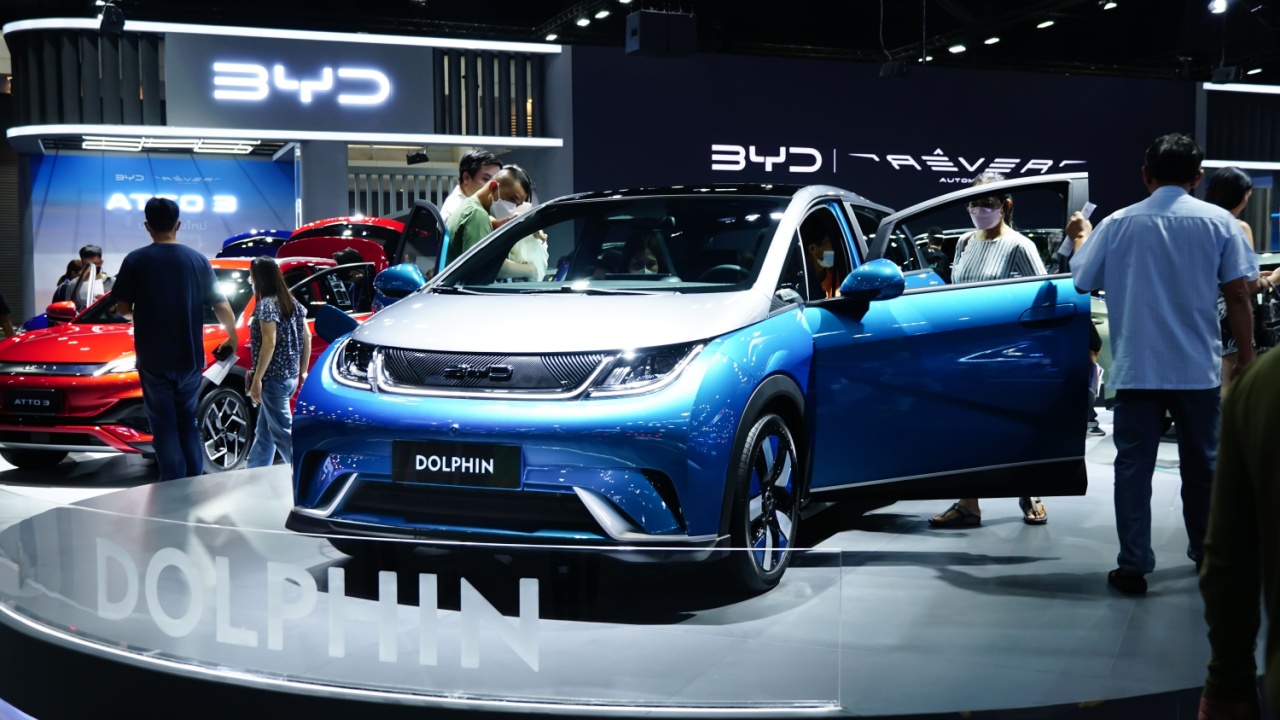
China’s electric vehicle market has hit an unexpected speed bump after years of rapid growth, with several of the country’s biggest automakers reporting weaker sales as government incentives are reduced and consumer spending softens.
New delivery figures show that brands including BYD, Geely, Xpeng, Nio, and Li Auto all faced a tougher July, while analysts warn that slowing demand could reignite the aggressive price wars that have squeezed profits across the industry in recent years.
The slowdown comes after Beijing reduced subsidies for new vehicle purchases earlier this year, making electric vehicles less affordable for many buyers. At the same time, broader economic uncertainty has made consumers more cautious about large purchases.
While exports continue to provide some relief for manufacturers with a global presence, companies that rely heavily on China’s domestic market are feeling the impact almost immediately.
July Sales Show Mixed Results
According to the South China Morning Post, premium EV manufacturers Xpeng, Nio, and Li Auto all recorded month-over-month sales declines in July.
Xpeng delivered 38,027 vehicles during the month, down 5.2 percent from June after four consecutive months of growth. Nio posted 35,934 deliveries, representing an 11.5 percent monthly decline, while Li Auto extended its downward trend with a fourth straight monthly drop, falling 1.4 percent to 30,468 vehicles.
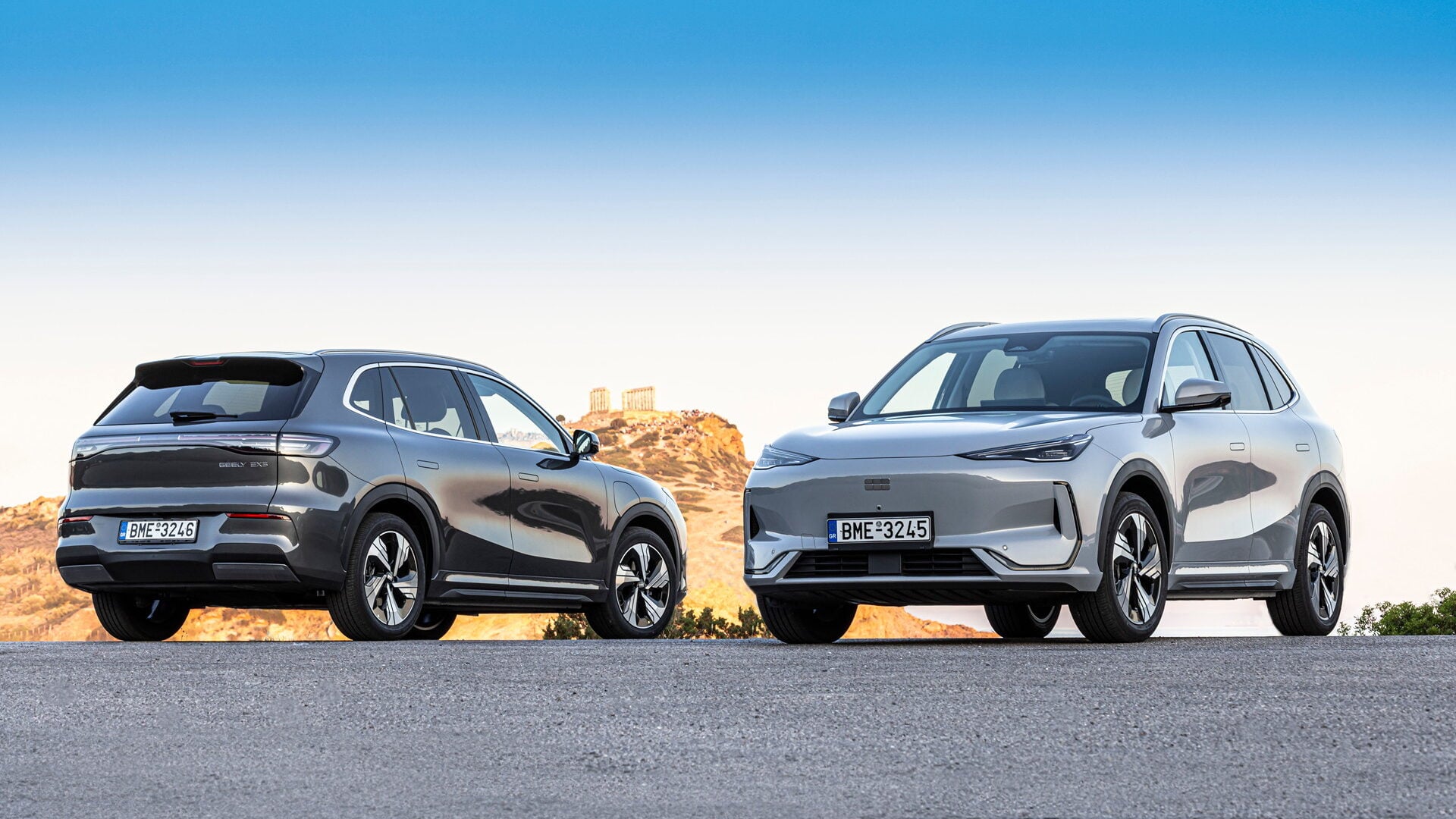
China’s largest automakers also showed signs of slowing demand despite posting modest gains over June. BYD sold 239,370 vehicles domestically in July, up 4.9 percent from June but down 9 percent compared with July 2025. Geely recorded 143,498 domestic deliveries, a 4 percent improvement over June but a significant 29.1 percent decline year-over-year.
Subsidy Reductions Have Changed The Market
Industry observers say one of the biggest factors behind the slowdown has been the government’s decision to reduce incentives for new vehicle purchases.
Earlier this year, eligible buyers could receive a subsidy of up to 15,000 yuan (approximately $2,220). That incentive has since been reduced to 10 percent of a vehicle’s purchase price, capped at 10,000 yuan (around $1,480). For many lower-priced EVs, that effectively reduced government support by as much as 5,000 yuan.
The timing of the changes has coincided with a broader slowdown in China’s economy. The country’s GDP grew 4.3 percent during the second quarter of 2026, marking its weakest pace of growth since late 2022.
Exports Help Some Automakers Offset Domestic Weakness
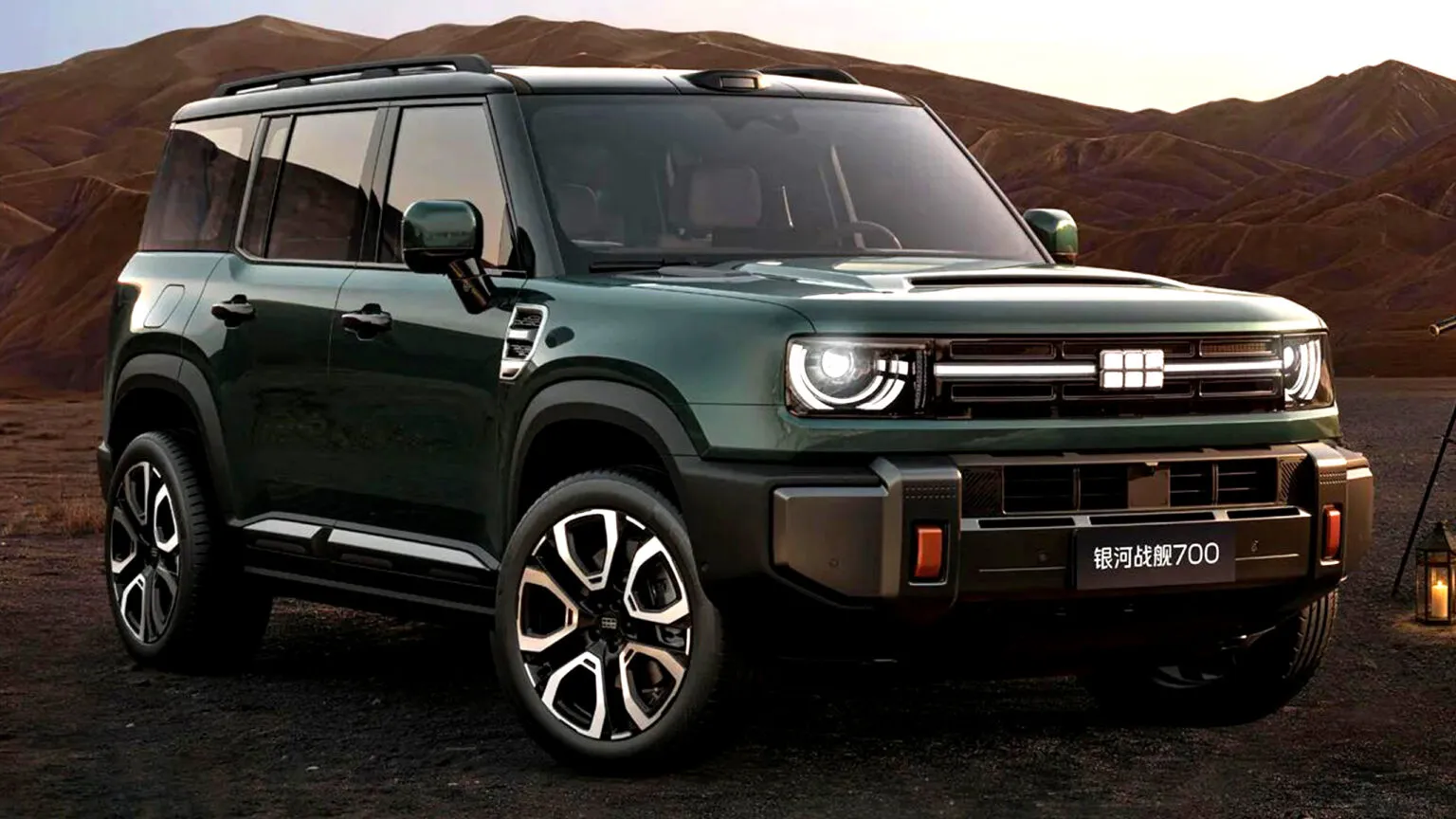
Manufacturers with expanding international operations have been better positioned to soften the impact of weaker domestic demand.
BYD and Geely have continued growing exports as they expand into Europe, Southeast Asia, Latin America, and other global markets. Those overseas sales have helped offset slower deliveries inside China.
Brands such as Xpeng, Nio, and Li Auto have also started expanding internationally, but the overwhelming majority of their sales still come from the Chinese market, making them more vulnerable to changing local demand.
Analysts Warn Another Price War Could Be Coming
The latest sales figures have renewed concerns that another round of aggressive discounting may be on the horizon. Global consulting firm AlixPartners has forecast that China’s overall vehicle market could shrink by 10 percent this year to around 24.6 million units. Analysts believe slower demand may force automakers to compete even more aggressively on price to maintain sales volumes.
Profit margins are already under significant pressure. According to industry data cited by the South China Morning Post, manufacturers selling vehicles priced around 100,000 yuan (roughly $14,800) are earning an average net profit of only 1,500 yuan per vehicle, representing a margin of just 1.5 percent.
For consumers, that could translate into larger discounts if competition intensifies. For automakers, however, another prolonged price war would make an already challenging market even more difficult.
What do you think about China’s slowing EV market? Will reduced subsidies permanently cool demand, or do you expect automakers to respond with even deeper discounts to keep sales moving? Let us know your thoughts in the comments below.