Future classics almost never arrive with a trumpet blast. They spend a few years in the used market as overlooked bargains, slightly odd survivors, or enthusiast cars that still feel too recent to be spoken about with much reverence.
That is what makes this corner of the hobby so enjoyable. You are not shopping for museum pieces yet. You are shopping for cars that still turn up in ordinary classifieds, still carry a little daily-life wear, and still leave some room in the budget for everything else.
The appeal is rarely just horsepower. It is usually something more lasting than that: a shape nobody else got right, an engine layout that disappeared, a rare transmission, a short production run, or a car that quietly closed the book on a particular way of thinking.
None of the eight cars below comes with a guaranteed investment story, and pretending otherwise would be dishonest. The real attraction is simpler. They still feel buyable now, and they already have the sort of character people tend to miss once the market catches up.
Where Value Ends And Memory Begins
Here, “cheap” does not mean disposable. It means cars that still feel broadly attainable in the U.S. used market, usually below the kind of money that turns a fun purchase into a major financial event. They are not salvage-yard long shots or fantasy bargains built around one suspicious listing.
Just as important, “future classic” is not being used as code for easy profit. No one can promise that. The better way to read this list is as a group of cars that already feel harder to replace than their current values suggest.
I also wanted some range in the choices. Future classics are not only coupes and roadsters. Sometimes the right hatchback, hybrid oddball, or orphaned V8 sedan carries a stronger long-term story than a faster but more predictable machine.
These eight still feel like cars you can enter without absurd money, but they also feel like cars that may look a lot more obvious in hindsight.
2007 To 2013 Mazda Mazdaspeed3
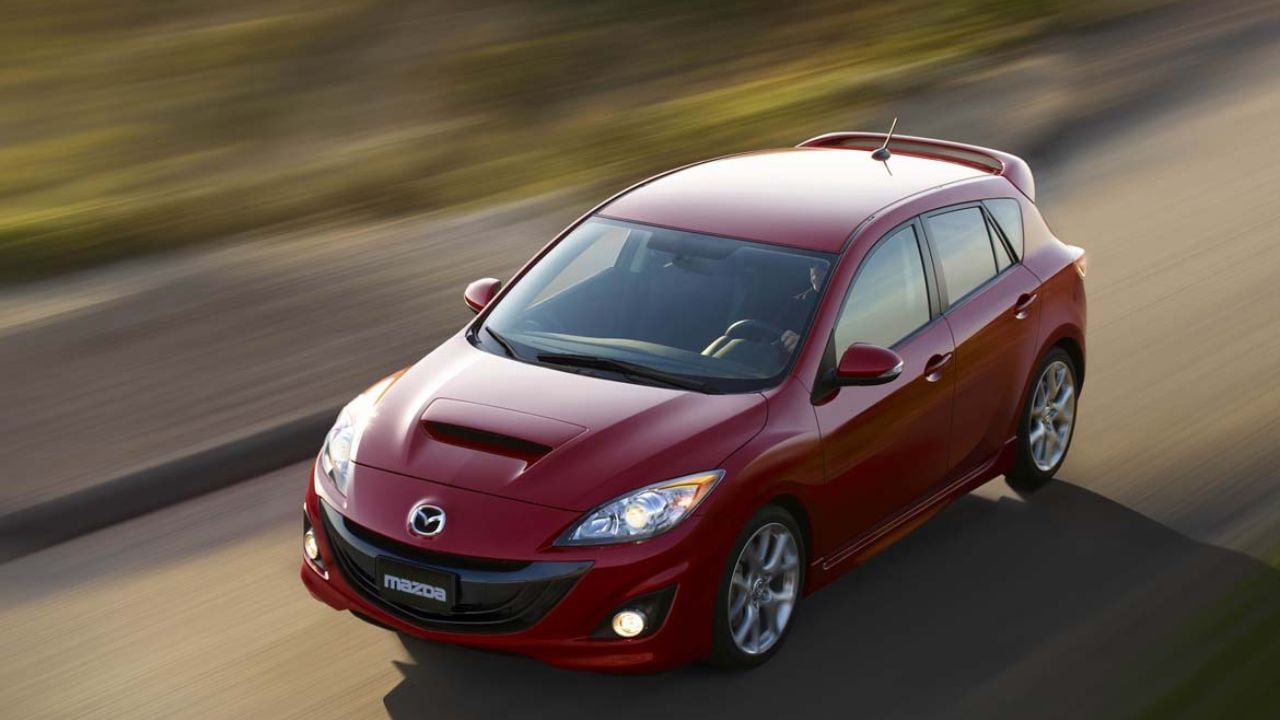
The Mazdaspeed3 came from a moment when front-wheel-drive performance still had a bit of bad behavior left in it. It was quick, loud in attitude, and gloriously uninterested in smoothing out all of its rough edges. Car and Driver praised its reflexes and its fight, and that still sounds right. The car always felt like it was trying to put on a show.
That personality gives it a much better long view than a lot of newer hot hatches with cleaner manners and less pulse. The Mazdaspeed3 still feels young, unruly, and slightly reckless in the best way. Cars like that usually spend a while being treated as used performance bargains before people start speaking about them with real affection.
2011 To 2016 Honda CR-Z

The CR-Z never fit neatly into the box people wanted to put it in. It was a hybrid, but not a pure economy appliance. It nodded toward the old CRX, but it was not a straight revival. Most importantly, it offered something that still sounds delightfully improbable now: a six-speed manual in a hybrid hatchback.
That oddness is exactly what gives it staying power. The CR-Z was never flawless, but it was specific, stylish, and just a little misunderstood. Years later, that tends to help more than it hurts. The cars people remember are often the ones that refused to behave like the rest of their class.
2008 To 2013 Volvo C30

Almost nothing from the late 2000s looks quite like a Volvo C30. The glass hatch, thick shoulders, and compact proportions gave it a look that was instantly recognizable without trying too hard. It had style, but not the needy kind. It looked cool the way some Volvos somehow manage to look cool: almost accidentally, and all the more convincing for it.
The story improved further once Volvo sent the limited 2013 C30 Polestar to the United States in tiny numbers. That did not turn every ordinary C30 into a blue-chip collectible overnight, but it helped lock the model into enthusiast memory. Even before you get to that halo version, the regular C30 already feels like the sort of handsome, slightly left-field car people will wish they had noticed when it was still easy to buy.
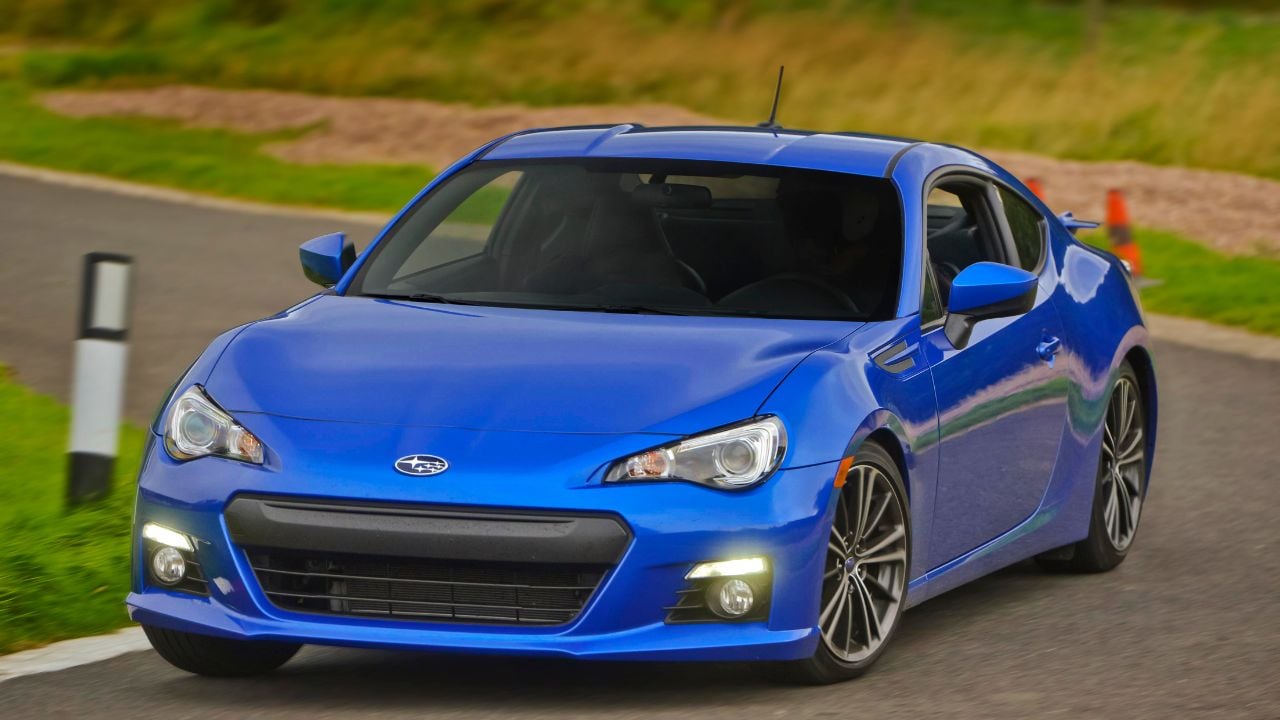
2013 To 2020 Scion FR-S, Toyota 86, And Subaru BRZ

These twins, and later siblings, already feel like cars that wrote their own future-classic argument the day they appeared. The BRZ, FR-S, and 86 never relied on brute force. Their identity came from balance, visibility, modest weight, rear-wheel-drive honesty, and a manual transmission that felt central to the whole experience rather than an optional extra.
That formula ages beautifully. As the market moves toward heavier, more filtered performance cars, the appeal of something this compact and clear-minded only gets stronger. The bargain window is not as wide open as it once was, especially on the nicest BRZs, but that only reinforces the larger point. Buyers are starting to understand what these cars are, and that usually happens before values stop looking friendly.
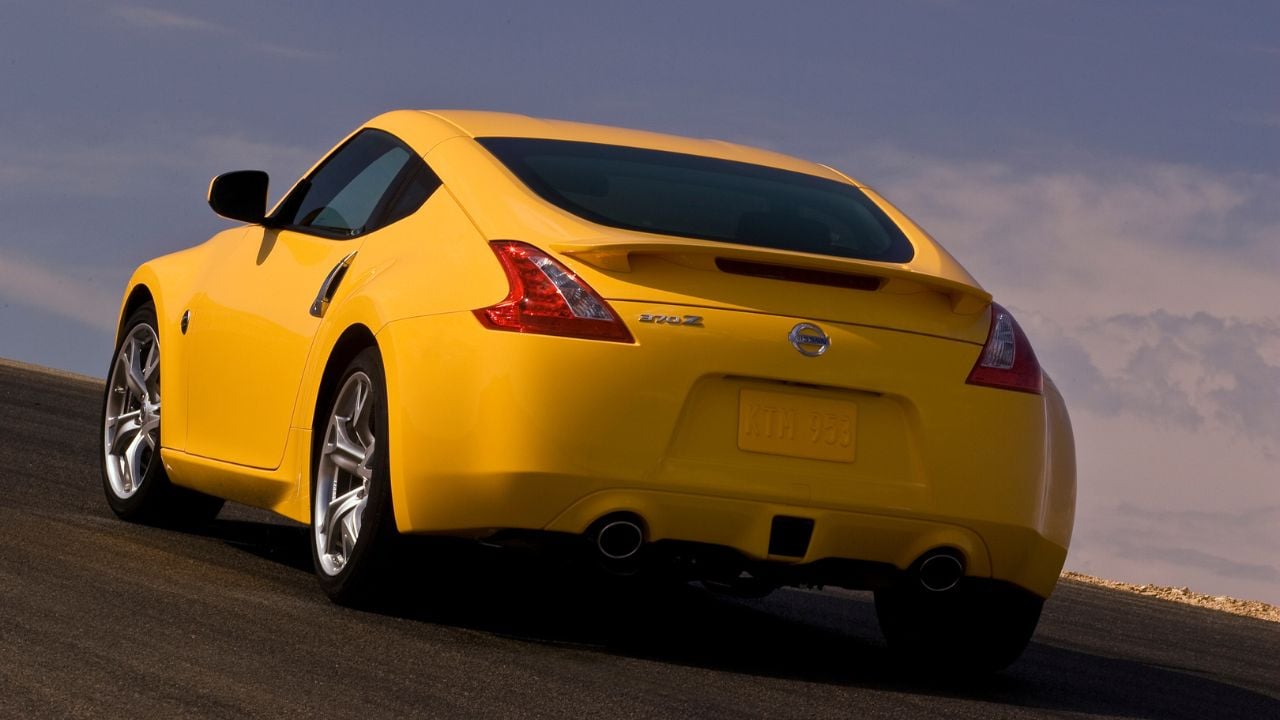
2009 To 2020 Nissan 370Z
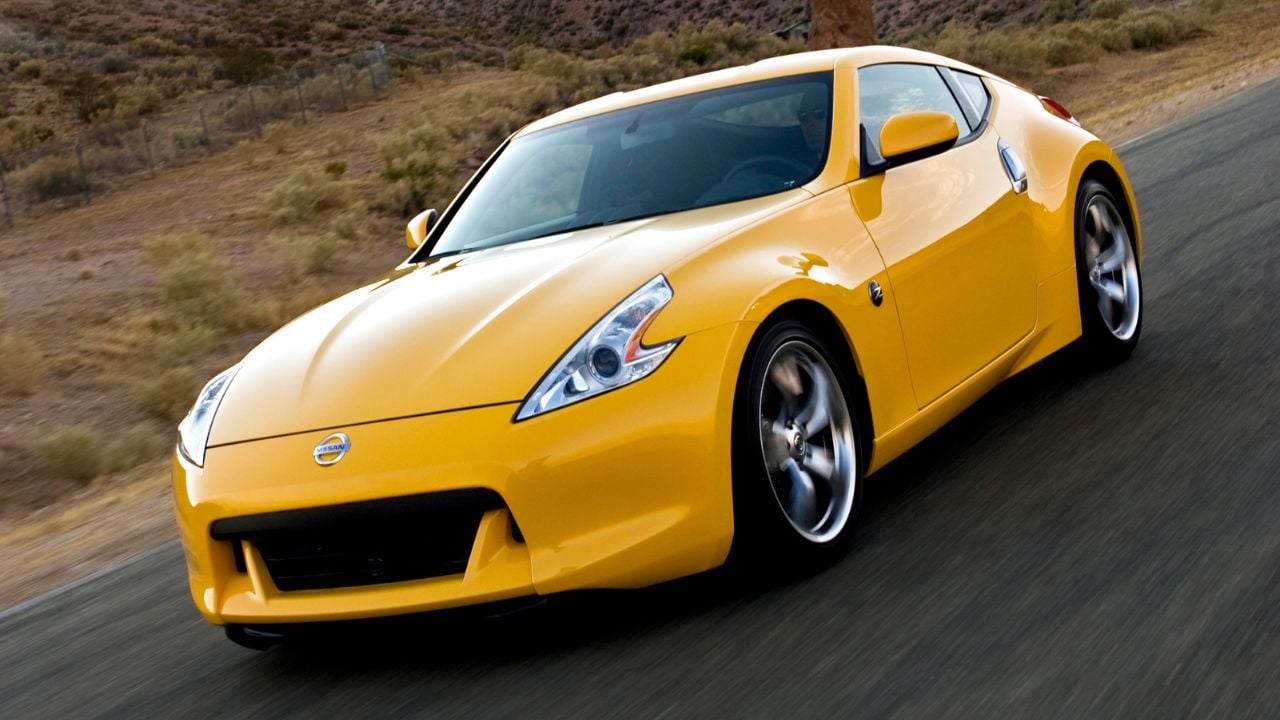
The 370Z stayed loyal to an older sports-car formula long after much of the market moved on. It remained naturally aspirated, rear-wheel drive, reasonably compact, and available with a manual while many rivals grew softer, more complicated, or more dependent on turbocharged character.
That stubbornness now looks like one of its best qualities. The 370Z was never trendy, and that may be why it has aged so well. It always understood what job it had been hired to do. In a market where simple, analog-feeling sports cars keep thinning out, that kind of consistency starts to look much more valuable than it once did.
2012 To 2013 Volkswagen Golf R
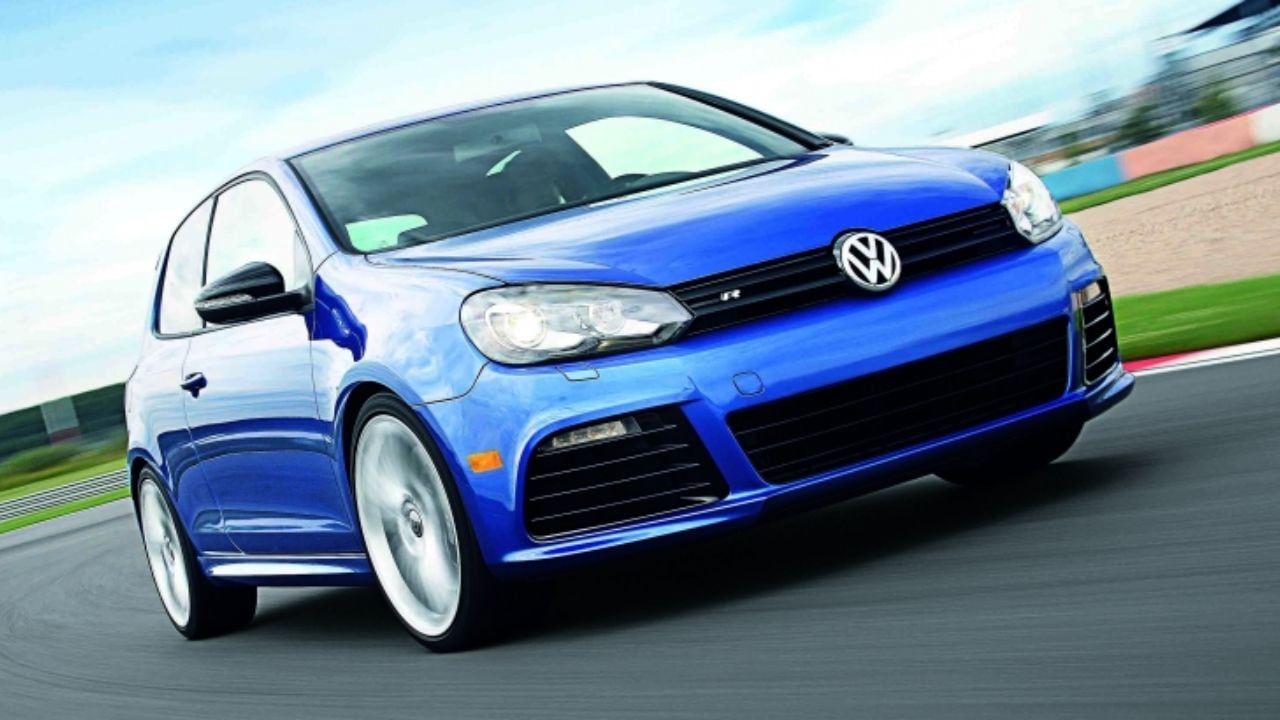
The first U.S.-spec Golf R has one of the strongest long-term cases here because it combines scarcity with real everyday appeal. It was understated, all-wheel drive, manual, practical, and quietly quick, which is a combination enthusiasts rarely stop valuing once it disappears. Volkswagen also kept the U.S. run limited enough to give the car a genuine rarity story instead of an imagined one.
Cars like this tend to age well because they satisfy two different kinds of affection at once. One comes from enthusiasts who remember what the car did. The other comes from people who miss the shape of the category itself: compact, usable, all-weather hot hatches with no need to exaggerate their personality. The Golf R already feels like part of a closing chapter.
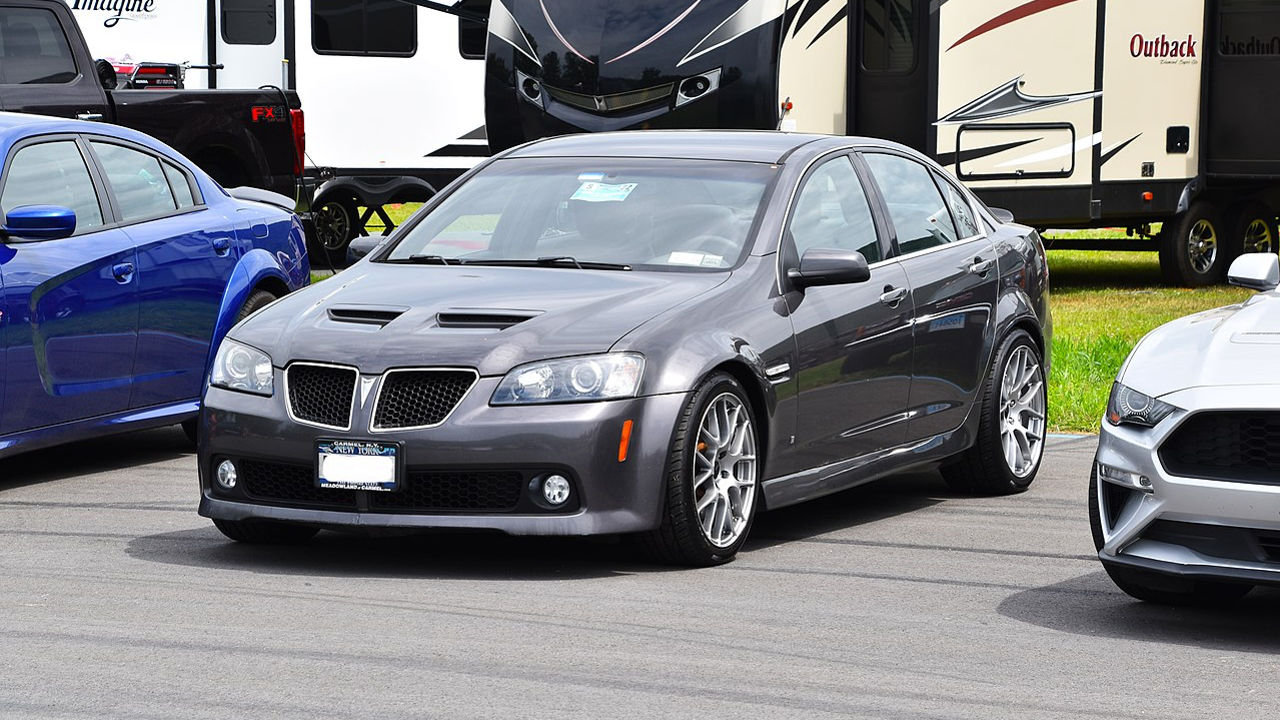
2008 To 2009 Pontiac G8 GT

The Pontiac G8 GT carries exactly the kind of unfinished story that helps a car linger in memory. It was Holden-developed, rear-wheel drive, V8-powered, and sold under a badge that vanished almost immediately after the fact. Even before nostalgia enters the picture, that is a compelling setup.
It also helps that the car itself was genuinely good. The proportions were clean, the layout was right, and the GT had enough real pace to make the whole Pontiac-ending subplot feel even more unfair. Cars like this often spend years sitting in the middle ground, appreciated but still buyable, before the market fully processes what was lost when they disappeared.
2007 To 2010 Saturn Sky Red Line
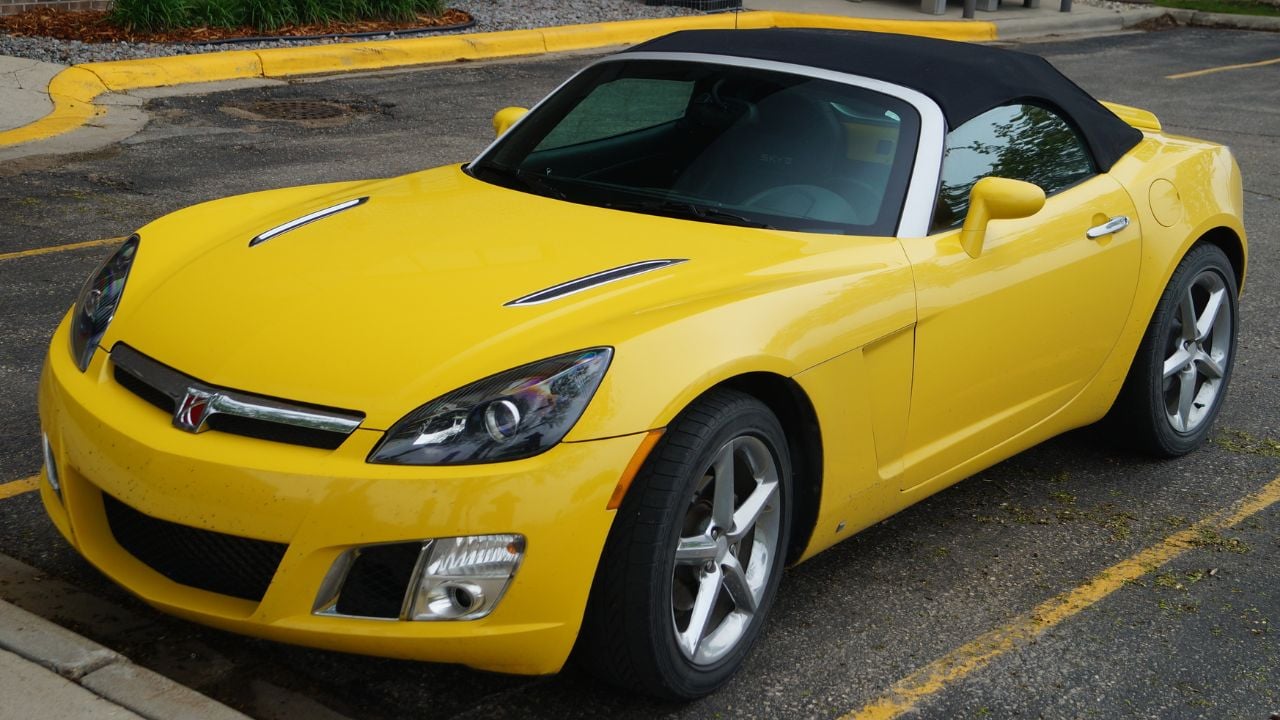
The Saturn Sky Red Line feels like a collectible from an alternate version of GM history. Saturn is gone. The brief roadster revival that made cars like this possible is gone too. Yet the Sky still looks dramatic, low, and far more expensive than the badge ever suggested.
The Red Line version gives that shape the powertrain it always wanted. A dead-brand turbo roadster with this much visual confidence is the sort of thing people tend to dismiss for a while and then circle back to later with much warmer feelings. It is not subtle, not especially rational, and not likely to be repeated. That is usually a very good start.
Before The Market Wakes Up
The most satisfying future classics are not always the ones with the loudest reputations in the present. More often, they are the cars sitting in the middle ground: liked by the right people, still attainable, and just unusual enough to feel underrated while the broader market looks elsewhere.
That is where these eight sit. They come from different corners of the automotive world, but each carries something that tends to survive changing tastes: a memorable silhouette, a disappearing drivetrain, a short run, a slightly strange charm, or a driving feel newer cars no longer deliver in quite the same way.
The best future classic is usually the one that already feels hard to replace. That is the thread running through this whole group, and it is why they feel worth noticing now rather than later.