
Chamonix has a way of making ordinary mountain towns look as though they are not fully committed to the assignment. The valley sits at the foot of Mont Blanc, and the official tourist office presents it as a place where mountain dreams turn real, with headline attractions like the Aiguille du Midi, deep mountaineering history, and a full spread of lifts, hikes, and village life packed into one dramatic setting.
What makes Chamonix worth the journey is not only the scenery. It is the range. You can go from café terraces and pedestrian streets to glaciers, high-altitude platforms, and panoramic trails in the same day, then finish with a proper Savoyard dinner instead of feeling stranded in a resort built for one single activity. The secret is pacing the valley well, because this is a place that rewards structure far more than frantic box-ticking.
1. Start With the Aiguille du Midi, but Treat It Like a Real High-Mountain Outing

If you only do one signature experience in Chamonix, this is the obvious choice. The Aiguille du Midi cable car lifts visitors from the valley to 3,842 metres in about 20 minutes, where the summit terraces open onto a 360-degree sweep of the French, Swiss, and Italian Alps, with Mont Blanc dominating the view. Up there you also get Le Pas dans le Vide, Le Tube, and Espace Vertical, which makes the visit feel like more than a quick photo platform.
The practical side matters here. Booking is compulsory, even for visitors who already hold a valid Mont Blanc Unlimited pass. The tourist office also says to bring warm clothing, sunglasses, and sun cream, and notes that children under 3 are not allowed, children under 5 are not recommended, and the average visit lasts 2 to 3 hours, though crowds can stretch that significantly. In other words, do not treat this like a casual little lift ride between breakfast and shopping.
2. Give the Mer de Glace Proper Time Instead of Squeezing It in as an Afterthought
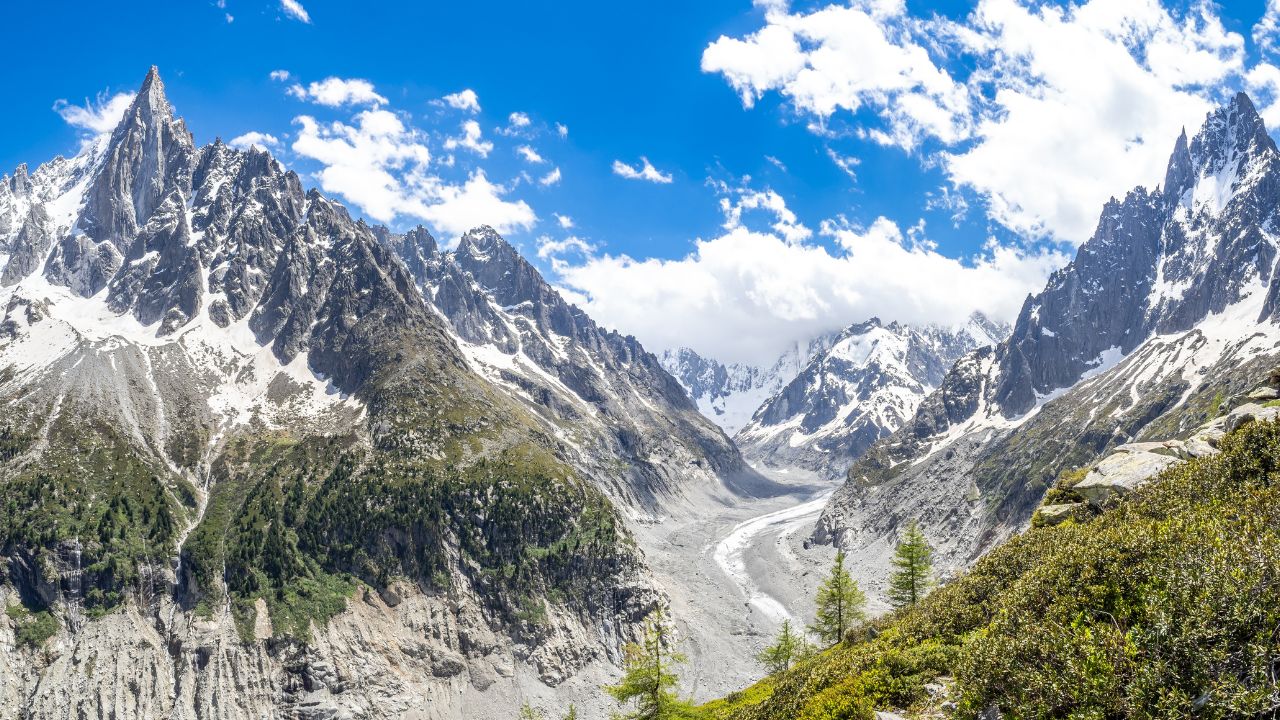
Chamonix’s other great classic is the Montenvers experience, and it deserves real space in the itinerary. The rack-and-pinion train climbs from Chamonix to the Montenvers site at 1,913 metres, where you get a broad view over the Mer de Glace, Les Drus, and the Grandes Jorasses. From there, the experience continues with the gondola toward the ice cave and the Glaciorium, which adds some welcome substance to the spectacle by explaining the glacier and its history.
This outing is at its best when you stop pretending it is a 45-minute scenic detour. The tourist office says to allow 2 to 3 hours for the complete visit, including the cave. That is time well spent. It is also one of the clearest places in the valley to feel both the grandeur of the landscape and the reality of glacier change, which gives the experience more depth than a standard mountain postcard.
3. Use Brévent for the Broad Valley Panorama and a Gentler Mountain Day
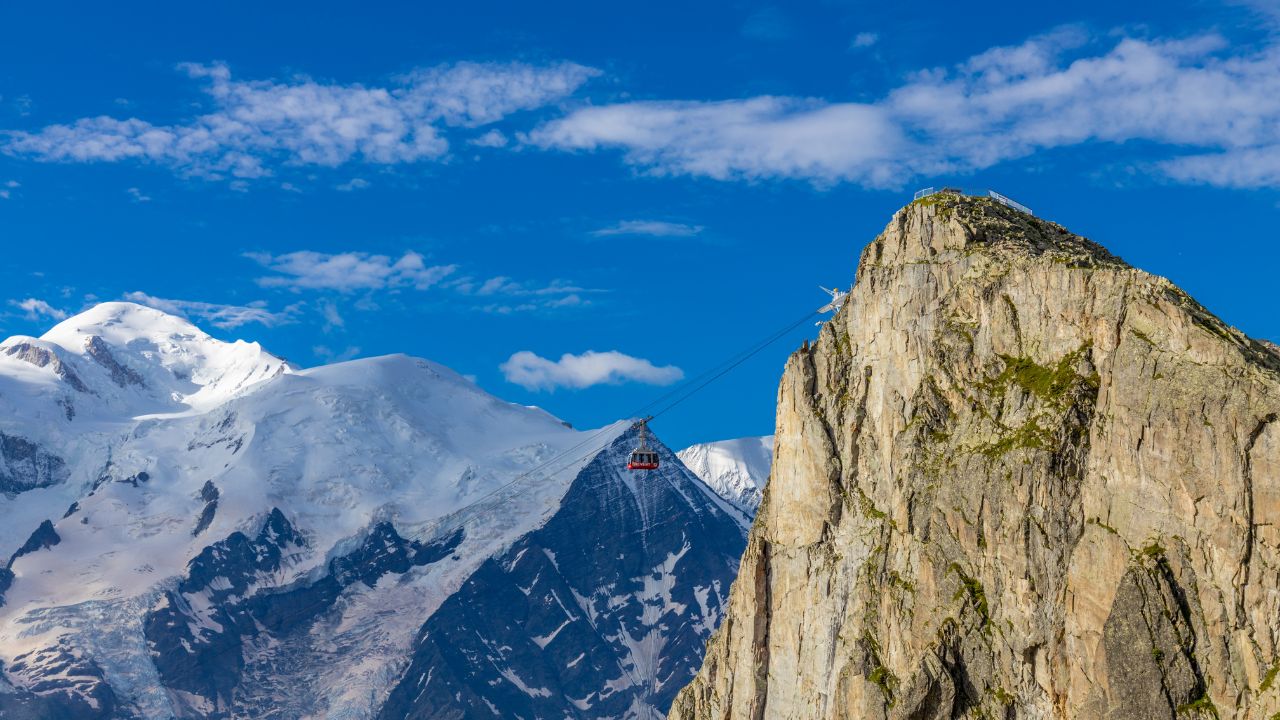
Aiguille du Midi is the dramatic star, but Brévent is often the smarter move for travelers who want a huge view without going all the way into the high-altitude deep end. From Chamonix, you first take the gondola to Planpraz at 2,000 metres, then continue to Le Brévent at 2,525 metres, where the official site promises 360-degree panoramic views of the Mont Blanc chain. It is one of the easiest ways to get that full, theatrical look back across the valley.
Brévent is also useful because it links scenery to movement. Planpraz is the starting point for summer outings such as Lac Cornu and the Grand Balcon Sud, while the terraces up top make it perfectly reasonable to do nothing more ambitious than sit, stare, and let the mountains show off. That is one of Chamonix’s great strengths. The valley can be as active as you want, but it never insists that every beautiful moment must be earned through suffering.
4. Make the Valley Transport Work for You, Because Driving Is Rarely the Smartest Plan
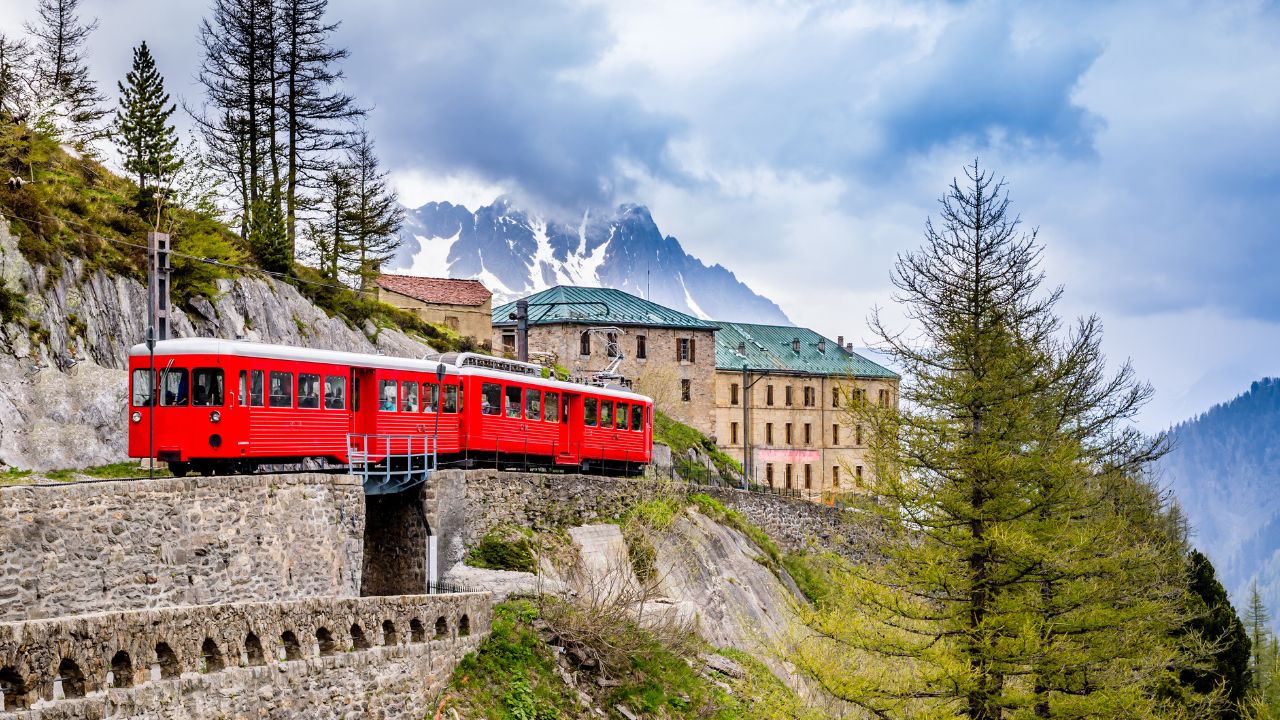
One of the best Chamonix decisions is to stop thinking like a car-dependent resort visitor. The tourist office’s public transport page says holders of the guest card, handed out by accommodation providers, get free access to the Mont Blanc Express from Servoz to Vallorcine and reduced rates on Chamonix Mobilité bus passes. The same page also notes that since June 3, 2025, bus tickets must be validated every time you board, which is exactly the sort of small local detail that can save you annoyance later.
Getting there is more straightforward than many first-timers expect. The tourist office says Geneva Airport is one of the main hubs for reaching Chamonix, with shuttle journeys taking around 1 hour and 15 minutes, traffic permitting. That makes the valley surprisingly doable for a long weekend, provided you sort the transfer before you arrive instead of assuming the mountains will organize themselves out of politeness.
5. Leave Room for the Town Itself, and Check Mountain Conditions Before Every Serious Walk
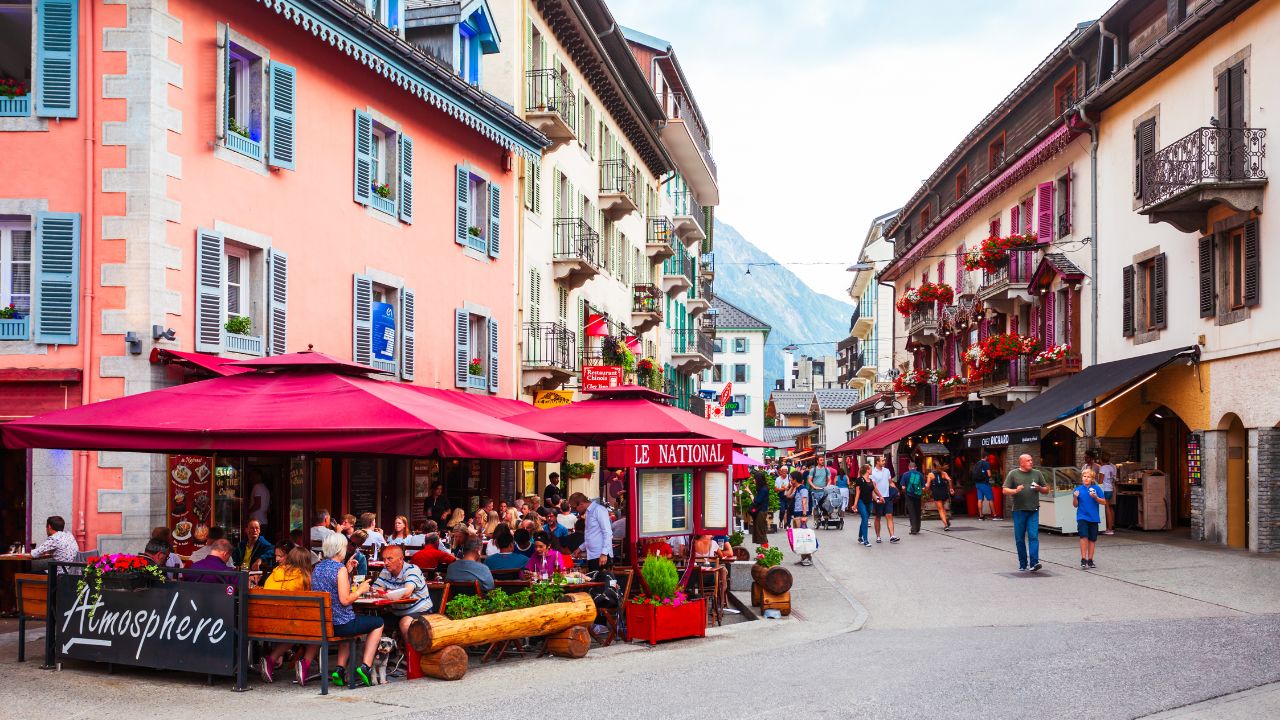
A lot of visitors make the mistake of treating Chamonix as a launchpad rather than a place with its own character. That misses part of the pleasure. The official site highlights pedestrian streets lined with sports shops, fashion, books, local produce, and mountaineering culture, which means the town can absorb a relaxed afternoon very well once you come back down from the heights. Chamonix is one of those rare alpine destinations where a village stroll still feels like part of the trip, not filler between lifts.
The other key to getting the most out of the valley is knowing when to slow down and check reality. La Chamoniarde’s Office de Haute Montagne and its weather and webcam pages are essential before any serious outing, and the same site also publishes live mountain conditions. In a place this dramatic, common sense is not boring. It is part of the skill set.
Chamonix is the French Alps at their finest because it manages to feel both legendary and usable. The icons are real, the views are absurdly good, the village has enough life to keep things grounded, and the valley gives you several different ways to experience the mountains rather than one rigid script. Do the big classics, leave breathing room between them, use the local transport, and respect the altitude and conditions. That is how Chamonix stops being a beautiful place you passed through and becomes a trip that really lands.