

I can admit that I’ve done this before. I’ve been the one standing in a parking lot, admiring someone’s ride and thinking, “Man, I wish I could afford that.” But here’s the thing: some cars have this magical ability to make you feel like a million bucks without actually costing anywhere near that much. These are the vehicles that punched above their weight class, delivering that luxury car swagger at Camry prices.
Whether it was the smooth ride, the head-turning looks, or just the way people treated you differently when you stepped out of one, these cars knew how to fake it ’til you make it. And honestly? Sometimes faking it is half the fun. Plus, you can still afford your mortgage while having a gorgeous car in the driveway.
How We Chose These Cars

These aren’t necessarily luxury cars, but they do have a certain aura that makes people turn their heads and makes you feel proud and exhilarated behind the wheel. These are the cars that make a statement when they pull up to a car meet (without needing a massive bank statement along with it).
Some of these cars were marketed as attainable luxury, while others just had that look and feel about them — minus the price tag. Over time, these cars have basically become symbols of luxury and conjure up images of success when they are mentioned. We’ll go over some specs, but this is a list about perception, feeling, and presence. These are the cars that gave ordinary drivers a taste of the good life without demanding a trust fund.
Volkswagen Passat CC
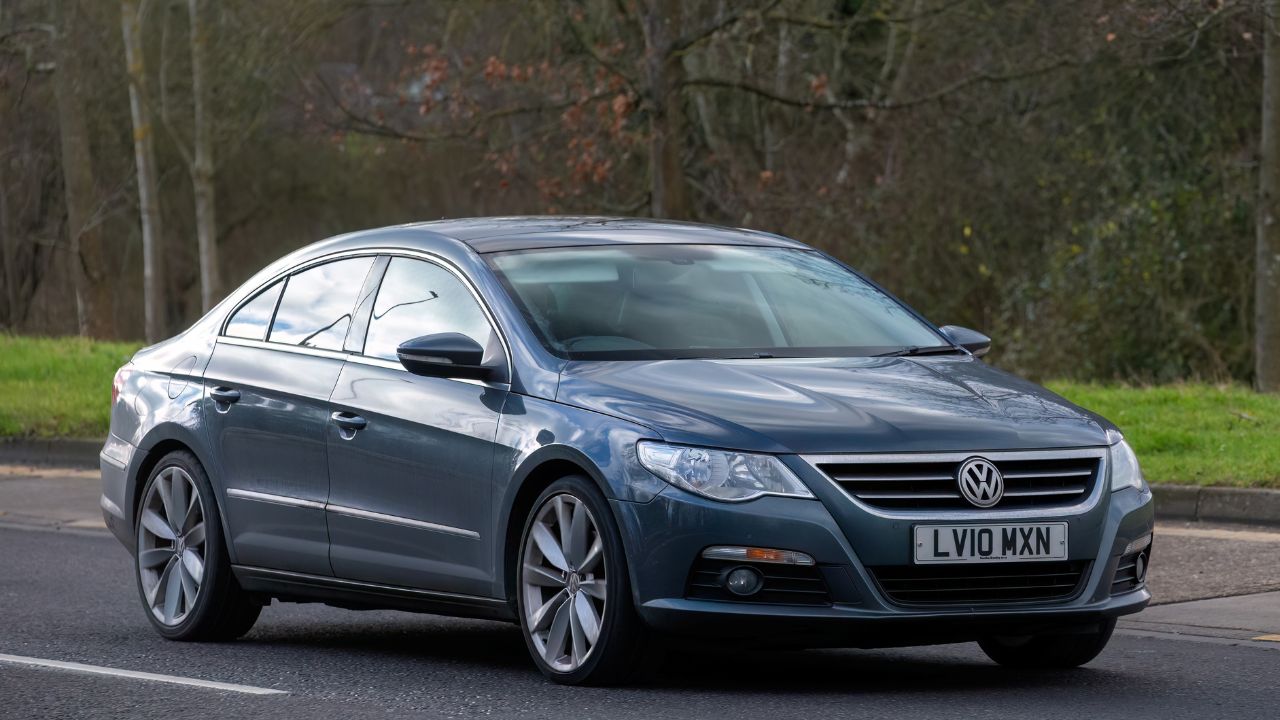
The German Imposter That Almost Got Away With It
Ah, the Passat CC: Volkswagen’s attempt to convince everyone they built an Audi A5 Sportback but forgot to change the badges. And you know what? It almost worked. This thing looked so good that people genuinely did double-takes, wondering if VW had lost their collective minds and started selling luxury cars at reasonable prices.
The Numbers That Mattered:
- Base price: Around $28,000 new (compared to $45,000+ for similar German competitors)
- Engine options: 2.0T four-cylinder (200 hp) or VR6 (280 hp)
- 0-60 mph: 6.5 seconds with the turbo four
- Cargo space: 13.2 cubic feet (not bad for a “coupe”)
The CC’s party trick was its frameless windows; because nothing says “expensive” like doors that go thunk instead of clank when you close them. The interior was genuinely nice too, with real leather (not the pleather your cousin’s Corolla tried to pass off), ambient lighting, and a dashboard that didn’t look like it was designed by someone’s nephew who “knows computers.”
Sure, it had VW reliability (translation: your wallet would get to know your mechanic personally), but when it ran, boy did it run with style. The CC made you feel like you’d cracked the code on European luxury, even if your bank account suggested otherwise.
The CC was actually based on the regular Passat platform, but VW chopped the roof, smoothed the lines, and somehow made it look like it cost twice as much. Marketing genius or automotive sleight of hand? We’ll let you decide.
Infiniti G35
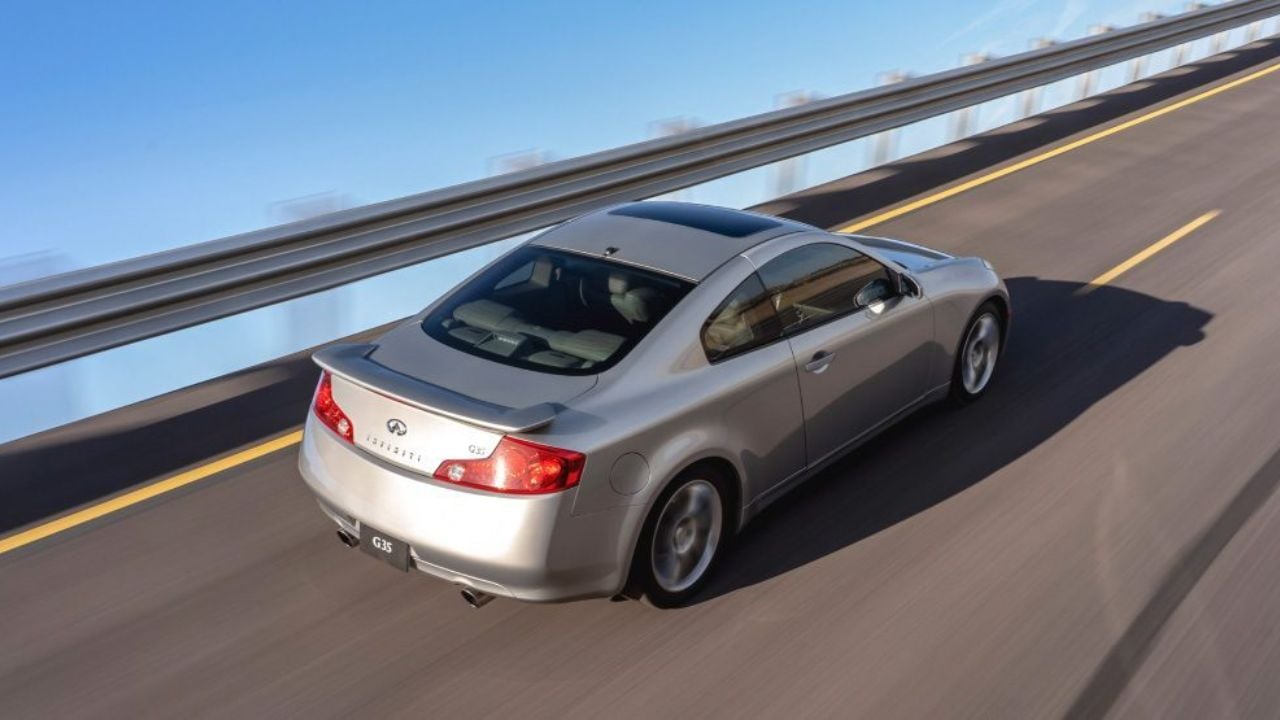
The BMW 3-Series Fighter That Actually Won Some Rounds
When Infiniti launched the G35, they weren’t messing around. This was their direct challenge to the BMW 3-Series, and for the first time in decades, a non-German sedan had the goods to back up the trash talk. Motor Trend called it “a benchmark among near-luxury sport sedans” after picking it over the Cadillac CTS, Acura TL, and Saab 9-3. That’s automotive journalist speak for “BMW should be worried.”
The Numbers That Mattered:
- 260-horsepower 3.5-liter V6 engine
- Available 6-speed manual transmission (because enthusiasts demanded it)
- 0-60 mph: 5.9 seconds (faster than most BMWs of the era)
- Starting price around $27,000 new
- Front mid-ship platform with the engine mounted behind the front axle
The G35’s secret weapon was its VQ35DE engine: the same powerplant that made the 350Z famous, just dressed up for business meetings. This wasn’t some detuned economy motor pretending to be sporty; it was a legitimate sports car engine in a four-door suit. The result was a sedan that could embarrass sports cars at traffic lights while still carrying your golf clubs and mother-in-law.
The ride wasn’t quite as luxurious as some competitors like the Cadillac CTS, with road imperfections filtering into the cabin, but that was actually a feature, not a bug. (Not that people passing by you would know!) This was a car that talked to you through the steering wheel and seat of your pants. It had the kind of rear-wheel-drive balance that made every on-ramp feel like a personal racetrack.
The interior struck the right balance between sporty and sophisticated. No fake wood grain or overstuffed leather chairs—just clean lines, supportive seats, and controls that felt like they were designed by people who actually drove cars for fun. It looked and felt expensive without trying too hard to impress your accountant.
Maintenance costs were much lower than contemporary rivals from Audi or BMW, which meant you could actually enjoy the performance without budgeting for weekly therapy sessions with your service advisor. When Germans were charging $200 for oil changes, Infiniti owners were getting theirs done at reasonable prices and actually driving their cars instead of admiring them in the driveway.
The G35 proved that luxury and performance didn’t have to come with a German accent or a trust fund. It was the car that made BMW nervous and owners confident — exactly what an affordable luxury sedan should do.
Ford Thunderbird

America’s On-Again, Off-Again Love Affair
The Thunderbird lived more lives than a cat with excellent health insurance. From sultry two-seater to luxury barge to retro darling, it reinvented itself more often than a pop star trying to stay relevant. But through all its transformations, it never forgot how to make its driver feel special.
The Golden Era Numbers (1955-1957):
- V8 engine options from 193 to 312 hp
- 0-60 mph: Around 7 seconds (impressive for the ’50s)
- Price: $2,944 in 1955 (about $33,000 today)
- Production: Only 53,166 total over three years
The early T-Birds were pure magic: just you, a V8, and enough style to make James Dean jealous. These weren’t muscle cars; they were personal luxury vehicles before that was even a category. You bought a Corvette to go fast. You bought a Thunderbird to arrive.
Ford’s retro revival in 2002 was like seeing your high school quarterback at the reunion: still handsome, but maybe trying a little too hard. The 11th-generation T-Bird looked fantastic and reminded everyone why they fell in love with the original, even if it cost $40,000 and had about as much trunk space as a pizza box.
Yes, later Thunderbirds got bloated and lost their way (looking at you, 1970s land yachts), but even the questionable years had presence. There’s something to be said for a car that commands respect just by existing, even if it needed a forklift to parallel park.
Toyota Cressida
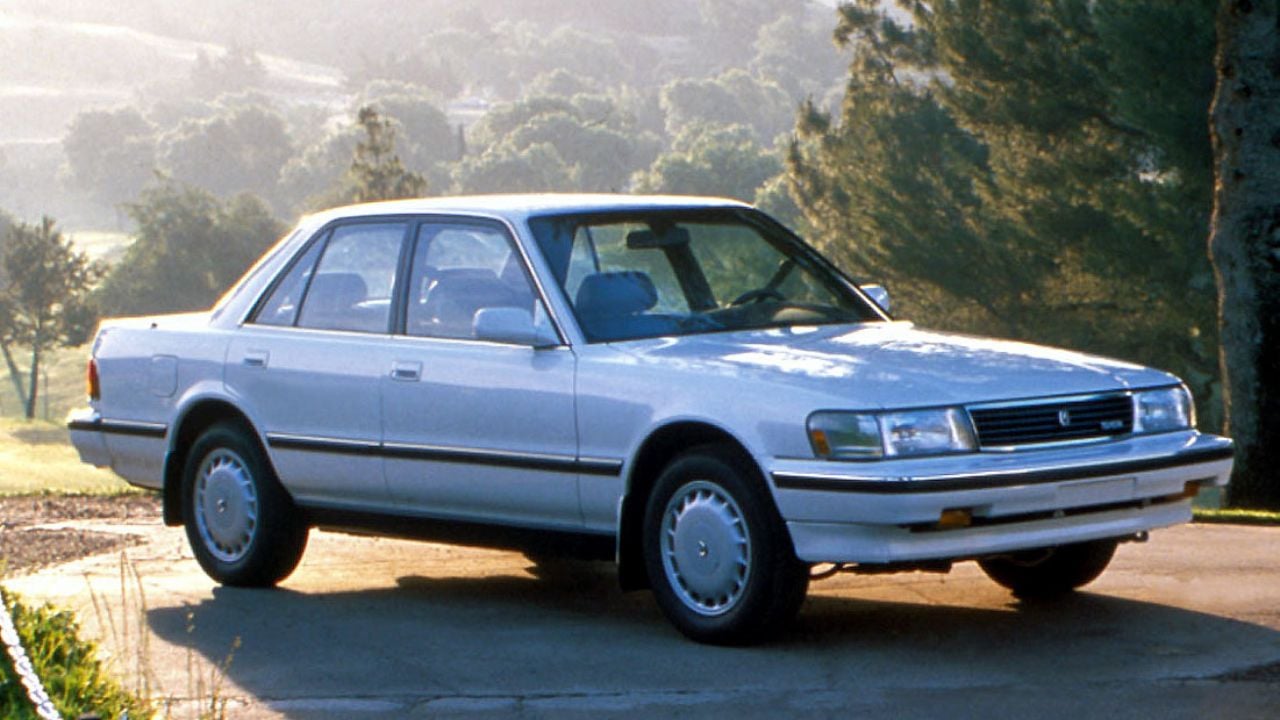
The Sleeper Hit That Nobody Saw Coming
While everyone was arguing about German luxury sedans, Toyota quietly built the Cressida and proved that you could have your cake and actually eat it, too. This was the car for people who wanted luxury but also wanted to, you know, actually make it to work the next morning.
The Final Generation Stats (1993-1996):
- 3.0-liter inline-six with 188 hp
- Real wood trim (not the stick-on stuff)
- Standard ABS and traction control
- Available air suspension
- Price: Around $26,000 new (compared to $35,000+ for German competitors)
The Cressida was the ultimate under-the-radar choice. It rode like a cloud, was quieter than a library, and came with Toyota’s legendary reliability. Your BMW-driving neighbor might have gotten more attention, but you got to work every day while he got to know his service advisor personally.
The interior was genuinely impressive: leather seats that didn’t crack after one summer, controls that worked for decades, and build quality that put some “luxury” brands to shame. It was proof that sometimes the best luxury is simply not having to worry about your car.
The performance was also nothing to scoff at, with RWD, an inline-six, and perfect weight distribution. The Cressida was basically a four-door Supra for grown-ups who needed back seats and didn’t want to explain to their insurance company why they bought a sports car.
Lexus ES300
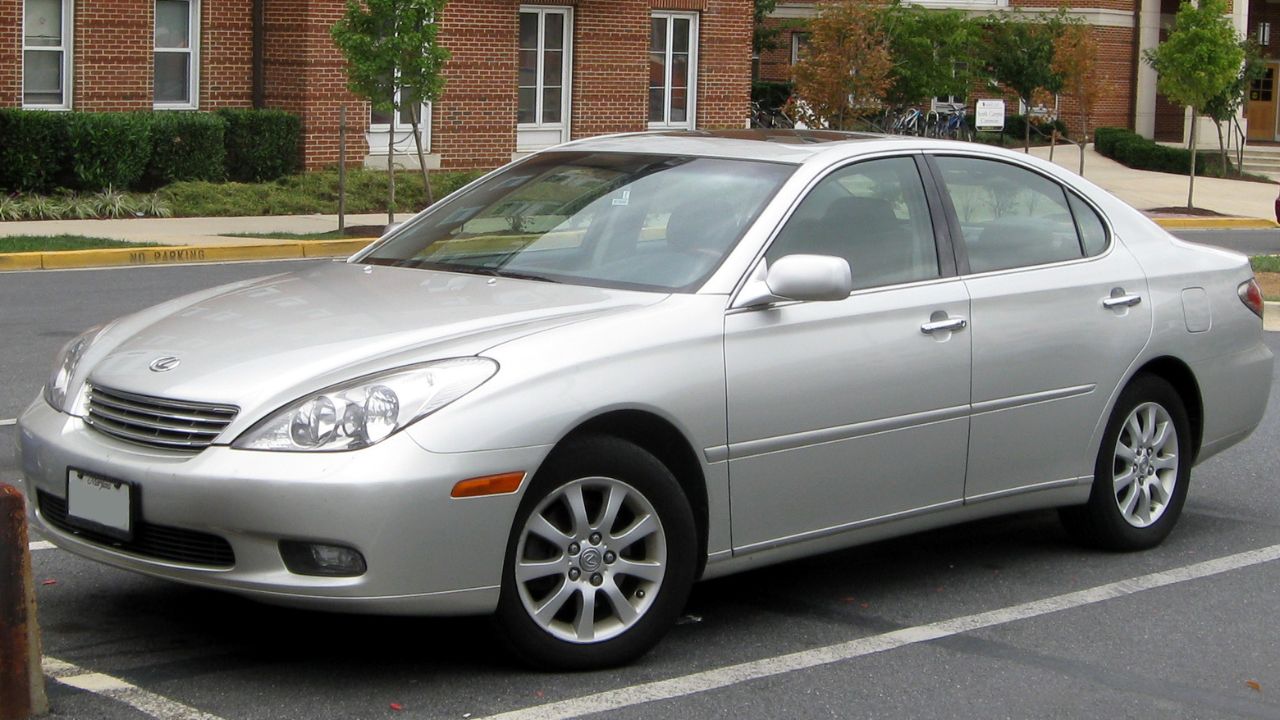
The Camry in a Tuxedo That Fooled Everyone
The Lexus ES was Lexus’s only front-wheel drive sedan for years, built on the Toyota Camry platform but transformed into something that made people think you’d joined the country club. The ES300 was Toyota’s masterclass in badge engineering: take a Camry, add some leather, throw in a V6, and suddenly you’ve got a “luxury” car that nobody questioned.
The Impressive Numbers:
- 3.0-liter V6 with 188-210 hp (depending on generation)
- 0-60 mph: Around 8.5 seconds (respectable for the era)
- Starting price: $28,000-32,000 new (vs. $40,000+ German competitors)
- Interior space: More room than most BMWs
- Reliability: Toyota-grade (translation: it ran forever)
The genius of the ES300 was that it looked and felt expensive without the European maintenance nightmares. You got real wood trim, leather seats that didn’t crack after one summer, and a ride quality that made passengers think you’d splurged on something fancy. The third-generation (1997-2001) was particularly convincing, with styling that aged gracefully and an interior that whispered “executive” rather than shouting “economy car.”
Sure, enthusiasts knew it was a dressed-up Camry, but your neighbors didn’t. And more importantly, neither did your wallet when maintenance time came around. While BMW owners were explaining to their mechanics why the cup holder cost $400 to replace, ES300 owners were quietly enjoying their luxury experience and actually making it to their destinations.
Was it as sporty as a 3 Series? Not even close. But it was more reliable than a Swiss watch and gave you 90% of the luxury experience for 60% of the price. Sometimes being smart beats being flashy.
Driving Into Prestige

Cars often serve as symbols and personal statements. They carry meaning that extends beyond transportation and offer experiences that feel elevated and rewarding. The vehicles in this list create moments where drivers feel accomplished, confident, and glamorous. Bold styling, refined interiors, and strong cultural associations give them an aura of wealth that many people crave.
These cars bring the satisfaction of luxury and prestige into the lives of drivers who may not have unlimited resources. For many, they represent milestones and reminders of progress. They strengthen identity and allow people to project success on their own terms. Each model shows how a car can shape how someone feels about themselves and how they are seen by others. Owning or driving these vehicles delivers an experience of richness that is powerful and memorable. They demonstrate that success can be felt in many forms, and these cars deliver it beautifully.