Every automaker has faced those make-or-break moments when everything rides on a single vehicle. Sometimes it’s a bold gamble, other times it’s pure desperation, but the result is the same: one car swoops in and changes everything.
These aren’t just successful vehicles, they’re lifelines that pulled entire companies back from the brink. From compact economy cars to luxury SUVs, these heroes came in all shapes and sizes, each perfectly timed to meet what buyers actually wanted.
Let’s look at the vehicles that didn’t just sell well, but literally kept the lights on at some of the world’s most iconic automakers.
Ford Taurus (1986)

The Taurus was Ford’s about $3 billion bet when the company was losing money in the early 1980s.
This aerodynamic sedan looked like nothing else on American roads, ditching the boxy designs everyone else was clinging to for something that seemed almost futuristic. The gamble paid off spectacularly, with the Taurus becoming the best-selling passenger car in the U.S. in 1992. It proved that American buyers were ready for modern design and front-wheel drive, pulling Ford back to profitability and reshaping the entire domestic sedan market.
The Taurus didn’t just save Ford, it showed Detroit that innovation could actually sell. Without this oval-shaped savior, Ford’s story might have ended very differently.
Chrysler Minivan (1984)
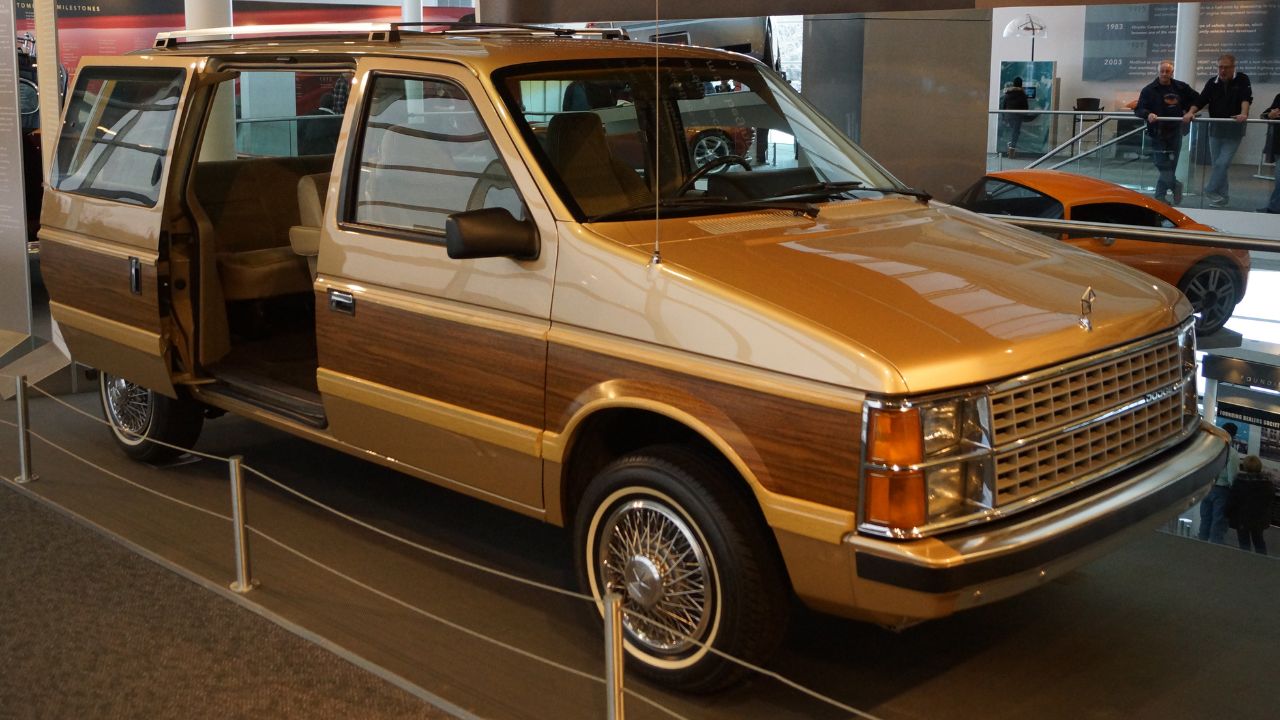
Lee Iacocca’s team invented an entirely new vehicle category when Chrysler was on life support in the early 1980s. The Dodge Caravan and Plymouth Voyager gave families something they didn’t even know they needed: car-like handling with van-like space, all without the stigma of driving an actual van.
Chrysler sold over 200,000 units in the first year alone, and they essentially owned the minivan market for decades afterward. This wasn’t just a successful product launch, it was a company resurrection, helping Chrysler repay its federally guaranteed loans in 1983, years ahead of schedule. The minivan became synonymous with suburban life and proved that understanding what families actually need beats flashy sports cars when you’re trying to survive.
Chrysler milked this cash cow for generations, and honestly, can you blame them?
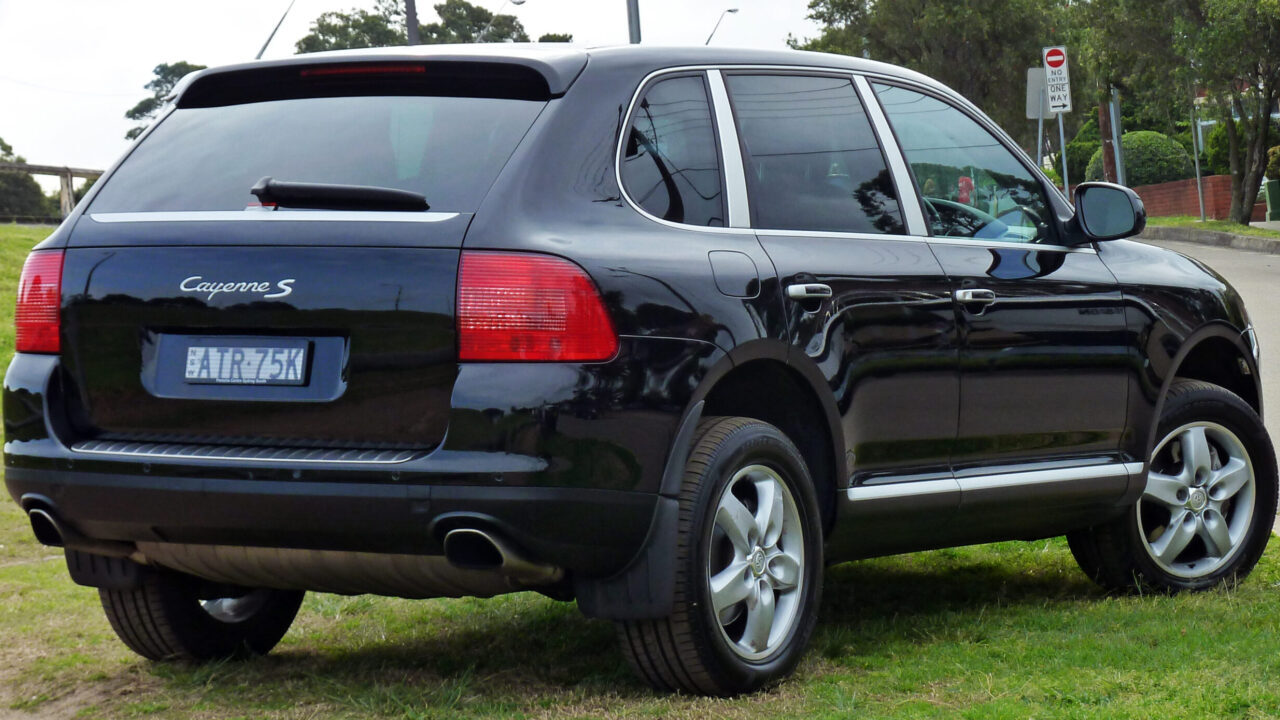
Porsche Cayenne (2003)

Porsche purists absolutely lost their minds when the company announced an SUV, but management knew the 911 alone couldn’t sustain the business long-term.
The Cayenne was a controversial pivot that seemed to betray everything Porsche stood for, yet it quickly became the brand’s best-seller and profit engine. By the late 2000s, the Cayenne had become Porsche’s top selling model and a major share of the brand’s global volume, providing crucial revenue as markets tightened. The SUV brought in entirely new customers who might never have considered a sports car but loved the idea of a performance luxury SUV.
Today, the Cayenne and its smaller sibling, the Macan, fund the development of iconic sports cars that enthusiasts actually want. Turns out selling SUVs to soccer moms and enthusiasts alike is a pretty solid business strategy.
Subaru Outback (1995)

Subaru was a small player struggling for relevance in the American market when they lifted a Legacy wagon, added some plastic cladding, and accidentally created the crossover before crossovers were cool.
The Outback hit a sweet spot that nobody else was targeting: outdoorsy people who wanted something more capable than a sedan but less obnoxious than an SUV. It became one of Subaru’s most popular models in the U.S. and transformed the brand’s image from quirky import to outdoorsy lifestyle choice, especially in markets like Colorado and the Pacific Northwest.
The formula was so successful that Subaru went from a niche manufacturer to a mainstream success story, with the Outback leading the charge for decades. This car proved you don’t need to reinvent the wheel, sometimes you just need to add some ground clearance and roof rails.
The Outback gave Subaru the stability and cash flow to expand into other segments while maintaining their unique brand identity.
Volkswagen Golf (1974)
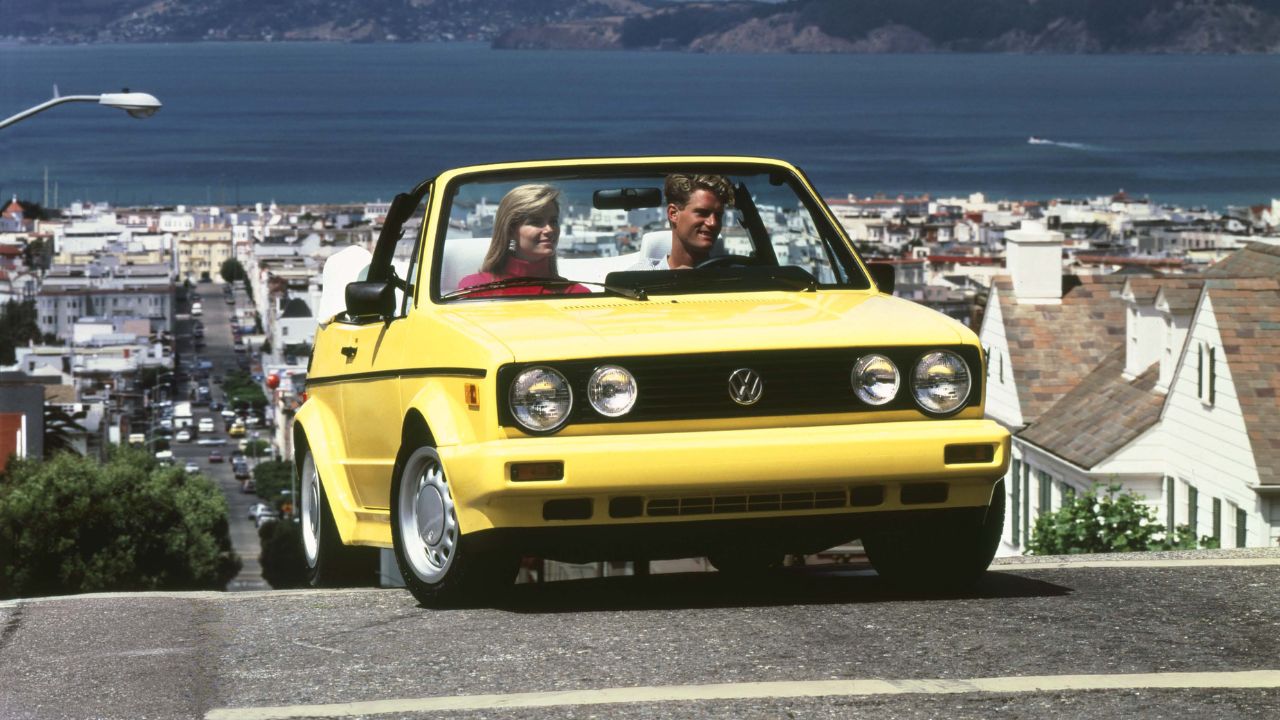
When the Beetle finally ran out of steam in the 1970s, Volkswagen needed a modern replacement before their entire business model collapsed.
The Golf (or Rabbit in early American markets) brought front-wheel drive, a hatchback design, and modern engineering to replace the aging rear-engine icon. It became Volkswagen’s bestseller and one of Europe’s most successful cars, giving VW the modern foundation it needed after the Beetle era.
The Golf’s success became a long running backbone product for Volkswagen and a key pillar of the company’s post Beetle turnaround. Eight generations later, it’s still in production and still printing money for Volkswagen. Some cars save companies, the Golf built an empire.
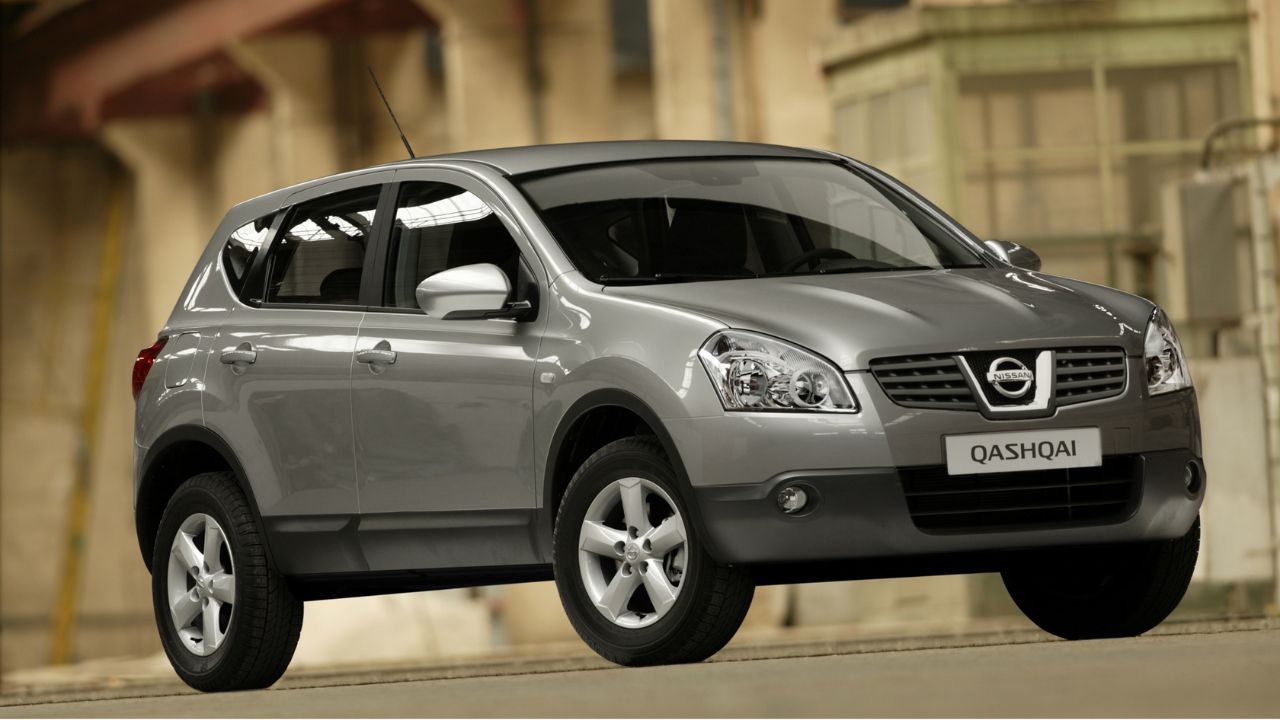
Nissan Qashqai (2007)

While Americans might not recognize this name, the Qashqai became Nissan’s breakthrough hit in Europe by popularizing the compact crossover formula early.
This jacked-up hatchback gave European buyers the practicality they wanted with the elevated seating position they didn’t know they craved, all while avoiding the gas-guzzling reputation of larger SUVs. The Qashqai became a massive hit, dominating European sales charts and giving Nissan a profitable foothold in a market where they’d been struggling. It spawned countless imitators and essentially redefined what European families drive, shifting them away from traditional hatchbacks and sedans.
The success let Nissan weather financial storms and remain competitive in the crucial European market. This unassuming crossover might not excite enthusiasts, but it kept Nissan’s European operations alive and kicking.
BMW 3 Series (1975)

BMW was a small Bavarian manufacturer known for quirky designs when they launched the 3 Series to replace the aging 2002.
This compact sports sedan defined what a “sport sedan” could be, balancing performance with everyday usability in a way that attracted an entirely new type of customer. The 3 Series became BMW’s volume seller and cash cow, funding the development of every other model line and transforming BMW from a niche player into a global luxury powerhouse. Generation after generation, it set the benchmark that every competitor tried to beat, from the Audi A4 to the Mercedes C-Class.
The 3 Series gave enthusiasts an affordable entry point into the BMW brand while maintaining enough prestige to satisfy luxury buyers. Without decades of 3 Series success, BMW’s growth into a global luxury powerhouse would have looked very different.
Fiat 500 (2007)

Fiat’s return to North America in 2011 was built entirely on the back of this retro-styled city car that captured imaginations worldwide.
The modern 500 channeled the original’s charm while adding contemporary safety and features, becoming a lifestyle statement that appealed to urban buyers who wanted something different from the usual compact options. In Europe, it helped stabilize Fiat during the financial crisis, while in America it served as the brand’s calling card for their comeback attempt.
The 500 sold over 2 million units globally in its first decade and spawned multiple variants, from the Abarth performance version to the electric model. While Fiat’s North American adventure eventually fizzled, the 500 remains a strong seller in Europe and kept the brand relevant during turbulent times.
This little Italian charmer proved that personality and style can still move metal in the modern era.
Mazda MX-5 Miata (1989)

Mazda wasn’t on the verge of bankruptcy when they launched the Miata, but this roadster became such a halo product that it fundamentally changed how people viewed the brand.
The MX-5 revived the affordable sports car segment that had been dead for years, proving there was still a market for simple, lightweight fun. It became the best-selling roadster of all time, moving over 1 million units and creating a loyal enthusiast community that elevated Mazda’s entire brand perception.
The Miata’s success gave Mazda credibility in performance circles and helped them weather the tough economic periods that wiped out other Japanese brands. Every generation has stayed true to the original formula, providing Mazda with consistent sales and immeasurable brand value.
While other models pay the bills, the Miata gives Mazda soul, and that’s worth its weight in gold.
Jeep Wrangler (1987)

Chrysler’s acquisition of Jeep in 1987 looked risky at the time, but the Wrangler’s evolution from the CJ series became one of the most valuable assets in automotive history.
This go-anywhere icon maintained its rugged appeal while slowly becoming more civilized, attracting new buyers without alienating the extreme off-road crowd. The Wrangler generates massive profit margins and has basically printed money for Chrysler, and later Stellantis, through multiple economic downturns. It’s one of the few vehicles that holds its resale value so well that dealers struggle to keep used ones in stock.
The Wrangler’s success has funded Chrysler’s operations through bankruptcies, mergers, and industry upheaval, making it arguably the most important vehicle in the company’s modern portfolio. When everything else struggled, Jeep, and especially the Wrangler, kept the lights on.
Hyundai Elantra (1990)

Hyundai was still recovering from the Excel’s quality disasters when the Elantra arrived to give the brand a second chance with American buyers.
This compact sedan offered impressive value and improving quality, and Hyundai later backed its reputation rebuild with the 10-year/100,000-mile powertrain warranty introduced for the 1999 model year. The Elantra steadily climbed sales charts and became one of America’s best-selling compact cars, proving that Korean manufacturers could compete with Japanese reliability.
It provided the steady sales volume and cash flow Hyundai needed to invest in design, technology, and the expansion into SUVs and luxury vehicles. Today’s Hyundai looks nothing like the struggling brand of the 1990s, but that transformation started with the Elantra convincing skeptical buyers to give them another shot.
Multiple generations later, it remains a cornerstone of Hyundai’s American success story.
Tesla Model 3 (2017)

Tesla burned through cash at an alarming rate during the Model 3’s troubled production ramp-up, with Elon Musk himself admitting the company was weeks away from bankruptcy in 2018.
This more affordable electric sedan was supposed to bring Tesla to the masses, but “production mayhem” nearly killed the company before it could deliver on that promise. Once Tesla solved the manufacturing challenges, the Model 3 became a game-changer, consistently ranking among America’s best-selling luxury cars and proving that electric vehicles could be mainstream.
The profits from Model 3 sales funded Tesla’s expansion into new factories, the Model Y crossover, and positioned the company as the EV market leader. Tesla went from struggling startup to the most valuable automaker in the world, and the Model 3 was the vehicle that made it happen.
Without this car surviving production mayhem, Tesla’s revolutionary vision might have died on the factory floor.
Conclusion
These vehicles prove that success in the automotive industry often comes down to perfect timing and understanding what buyers actually want.
Whether it was Ford betting the farm on aerodynamic styling, Porsche swallowing its pride to build an SUV, or Tesla grinding through production mayhem, each of these companies faced existential threats that one vehicle managed to solve. What’s fascinating is how different these solutions were, there’s no single formula for saving a car company, just smart people making bold decisions when it mattered most.
These cars didn’t just generate sales, they bought time, shifted perceptions, and gave their makers the breathing room to figure out what came next. Looking at this list, it’s clear that the automotive industry rewards those willing to take calculated risks when their backs are against the wall.
Sometimes the car that saves you isn’t the one you wanted to build, it’s the one your customers needed you to make.