Not every car with a loud exhaust and bold lines deserves the title of a muscle car. Many models look the part but carry a very different story under their sheet metal. Have you ever seen a sleek coupe and instantly thought it must pack V8 power? Appearances often mislead, especially when automakers lean on styling cues associated with true muscle machines. The 1960s and 70s were full of imitators hoping to capture the magic without matching the formula.
Even modern cars sometimes play dress-up, wearing aggressive designs that suggest more power than they deliver. This list explores the impostors that fool enthusiasts and casual onlookers alike. They look ready for drag strips but hide entirely different personalities. Would you be able to tell them apart from the real deal?
What Counts as a Muscle Car (and What Doesn’t)
To say what a muscle car isn’t, we have to set some ground rules for what a muscle car is. Let’s face it: calling a car a “muscle car” sparks debate faster than a burnout at a stoplight. That’s why this list starts with a clear definition — not based on vibes or marketing, but on history and hardware.
Here’s what we look for in a true muscle car:
- Built between 1964 and 1972, the golden era of muscle
- Big V8 engine, often part of a performance package
- Rear-wheel drive with a focus on straight-line speed
- Affordably priced, aimed at younger buyers
- Room for four, which rules out two-seaters like the Corvette and AMC AMX
- Aggressive styling, but substance mattered more than scoops and stripes.
- Not pony cars — Mustangs, Camaros, and Firebirds often get lumped in, but technically they’re a separate category. However, we are willing to let some of the bigger-engined versions slide.
- Malaise era models post-1972 generally don’t qualify.
Buick Riviera (Third Generation)

With sweeping lines and a muscular profile, the third-generation Riviera appeared ready to take on street legends. Buick, however, positioned it as an elegant personal luxury car, prioritizing comfort and prestige over quarter-mile dominance. Inside, plush materials and a focus on refinement reinforced its grand touring character.
Acceleration felt strong, but its size and tuning kept it far from muscle territory. This combination drew buyers who appreciated its bold styling without needing aggressive handling. The Riviera’s visual strength continues to make enthusiasts pause, questioning where it fits in automotive history. It remains an icon for style-first design that challenges expectations.
Mercury Cougar (Early Models)

Early Mercury Cougars often confused buyers with their long hoods and shared platform lineage with the Mustang. On the surface, it promised similar thrills, yet Mercury marketed it as a more refined alternative. Interiors featured upscale touches, giving it a clear edge in luxury over Ford’s pony car. While some performance variants existed, the Cougar overall carried a balanced, composed personality.
This made it ideal for drivers wanting muscle car looks with added comfort. It straddled the line between pony car and luxury coupe, leaving its identity open to interpretation. To this day, its striking appearance fuels the debate about its true classification.
Plymouth Satellite

Plymouth’s Satellite shared its DNA with icons like the Road Runner and GTX, which is why so many people mistake it for a muscle car. It had the same body style, long hood, and aggressive stance as its higher-performance siblings. But in base trims, it was built with modest powertrains aimed at practical, budget-conscious buyers.
These versions were more about daily driving than drag-strip glory, with interiors emphasizing simplicity over sporty character. While big engines were available as options, most Satellites left the factory with small-blocks that didnt deliver true muscle performance. This mix of shared styling and subdued power created an identity problem that still confuses enthusiasts today. Its a reminder that not every car that looks like a street bruiser packs the muscle to back it up.
Pontiac Grand Prix (Fourth Generation)

The fourth-generation Grand Prix wore its performance intentions on its sleeve, with bold lines and a confident posture. In reality, Pontiac tailored it more for luxury and personal style than track-ready performance. The interior emphasized driver comfort and upscale design, helping it appeal to a broader audience. On the road, it delivered steady cruising instead of thrilling acceleration.
However, its styling kept it in the muscle conversation, especially among casual observers. This balance helped the Grand Prix succeed as a stylish daily driver with a touch of performance flavoring. It still commands attention for its bold looks, if not its muscle credentials.
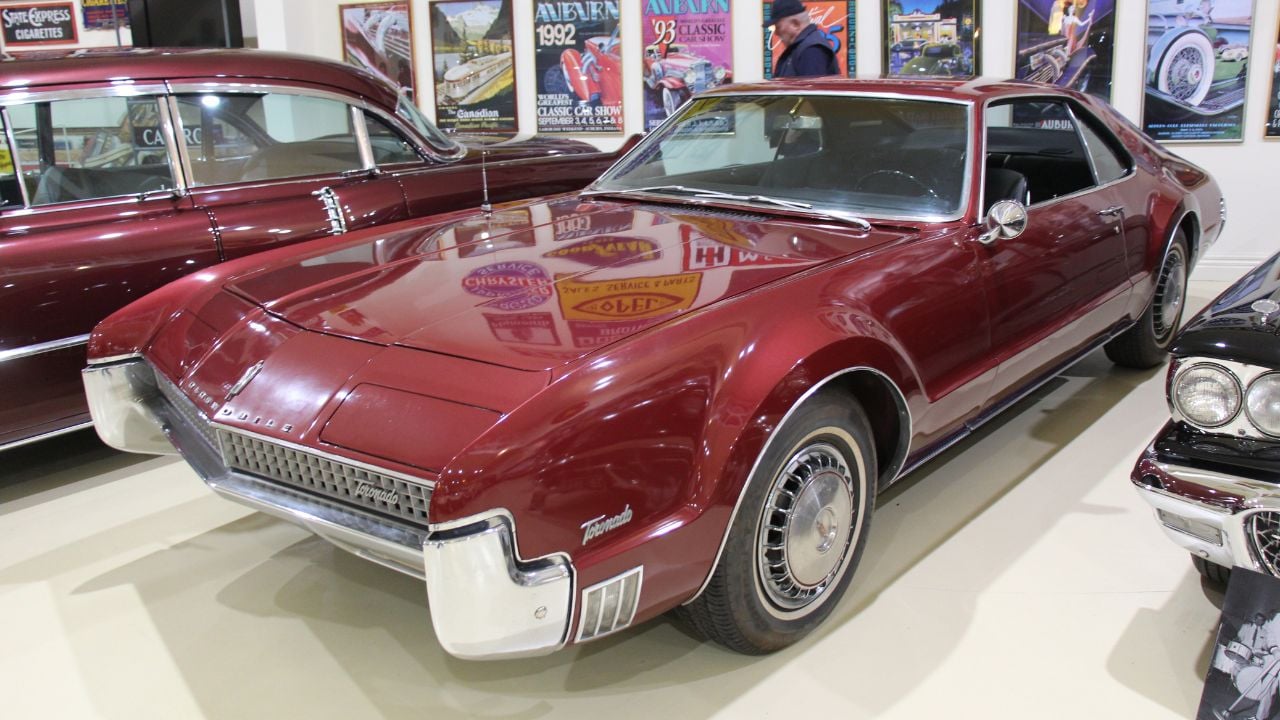
Oldsmobile Toronado

Oldsmobile’s Toronado broke molds with its front-wheel-drive setup, immediately disqualifying it from muscle car status despite its imposing appearance. Wide haunches and aggressive front-end styling gave it an undeniable presence on the road. Inside, the focus turned to comfort and technological innovation, emphasizing convenience over raw excitement.
Straight-line performance was respectable, but its drivetrain layout and mission leaned heavily toward personal luxury. Drivers seeking a commanding, stylish ride found the Toronado to be a perfect fit. Its bold design continues to trick enthusiasts into mistaking it for a true muscle competitor. It remains one of Oldsmobile’s most visually captivating creations.
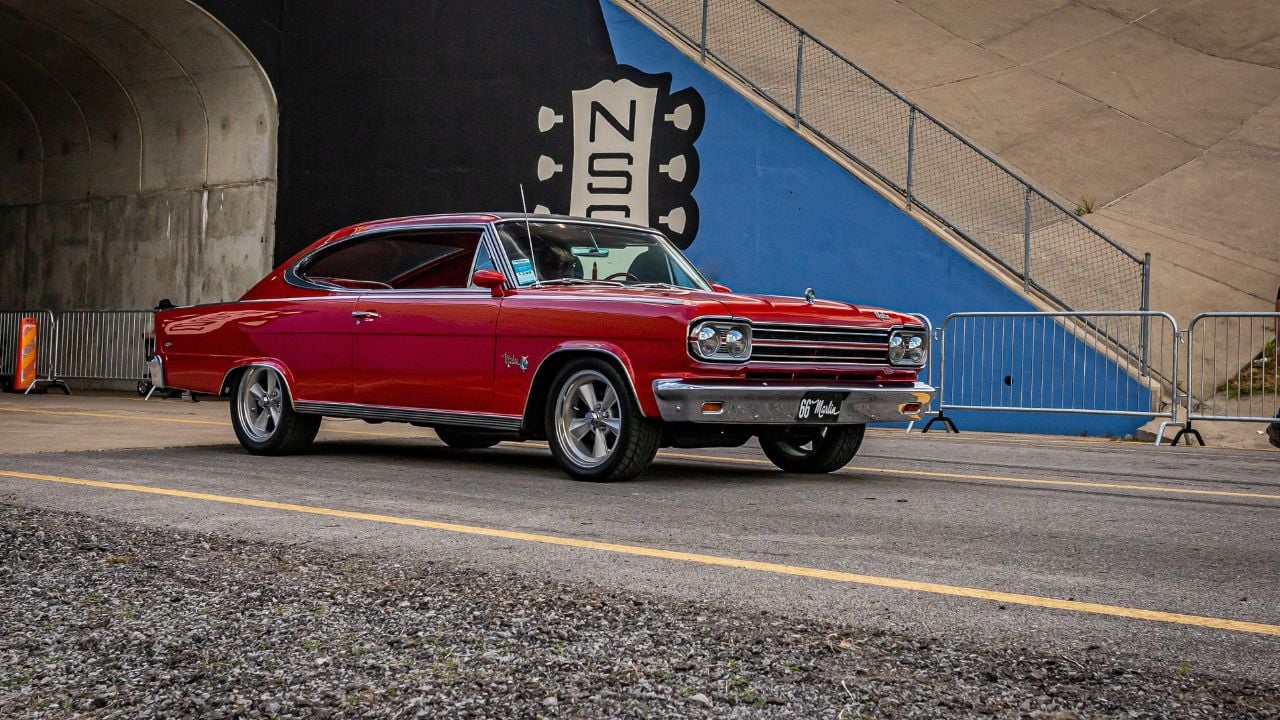
AMC Marlin

AMCs Marlin sported fastback styling that hinted at performance credentials it never fully embraced. Its design drew inspiration from sportier rivals, with a sloping roofline and wide stance that made it look athletic. Inside, it catered to comfort and practicality, making it more of a cruiser than a racer. The Marlin aimed to capture youthful buyers while offering a car that the whole family could still enjoy.
Performance played second fiddle to visual appeal, a compromise that made it unique in its class. Over time, its distinct profile helped it earn a cult following despite its lack of muscle pedigree. It remains one of AMC’s most daring experiments in style-driven design.
Ford Thunderbird (Late 1960s)

Fords Thunderbird of the late 1960s showcased a bold design that could easily pass for muscle, yet it had a very different mission. Its wide stance, sculpted bodywork, and dramatic front end gave it plenty of curb appeal. Underneath, however, it was engineered as a personal luxury coupe, prioritizing ride comfort and amenities over quarter-mile dominance. Interiors leaned toward plush seating, wood accents, and high-end features that distanced it from barebones muscle cars aimed at younger buyers.
While V8 options provided respectable power, its size, price, and tuning kept it far from the affordable, performance-focused ethos of the golden-era muscle scene. Buyers loved it for its style and presence rather than its speed. The Thunderbird remains a perfect example of design suggesting one thing while delivering something entirely different.
Pontiac LeMans

Pontiac’s LeMans are often mistaken for their high-powered sibling, the GTO, because they shared so many visual cues. The same bodylines, aggressive front fascia, and optional sporty touches made even the most modest LeMans look like a performance machine. Yet, most of these cars rolled off the line with smaller engines and suspension tuning aimed at comfortable cruising.
The LeMans was marketed as an entry-level midsize, appealing to families and buyers wanting Pontiac styling at a lower cost. While the GTO dominated headlines for its muscle credentials, the LeMans quietly served a different role. It became the car for those who wanted the look without paying for the performance. Its deceptive presence keeps it in conversations about muscle cars, even if it never fully earned the title.
Buick Regal (Early Models)

The early Buick Regal captured attention with its compact, sporty stance and chrome accents. People often mistook it for a muscle coupe, yet it leaned more toward personal luxury. Its cabin prioritized upscale materials and comfort, creating an inviting space for daily driving. Handling felt composed and predictable, reinforcing its focus on delivering a refined experience.
Buick positioned it for those who wanted sporty looks without the muscle car commitment. Over the years, it earned a place as a stylish yet approachable alternative to more aggressive models. This combination of appearances and intentions keeps the Regal part of this conversation.
Ford Torino (Base Models)

Ford’s Torino lineup wore muscle car styling with confidence, but many base versions lacked the performance to match their looks. Long hoods, sweeping lines, and aggressive front-end treatments made even the lower trims look like they belonged at the drag strip. Inside, the focus often leaned toward comfort and practicality, with interiors tailored for family use rather than spirited driving.
While high-performance trims earned their muscle credentials, the majority of Torinos prioritized cruising over racing. Buyers loved the visual punch and versatility, making it popular among those wanting a muscle car attitude without committing to full performance. That balance of style and substance still confuses enthusiasts about where the Torino truly fits.
Mercury Cyclone (Later Generations)

The Mercury Cyclone began as a performance-oriented car but gradually evolved into something more luxurious and less focused on raw power. Later generations displayed wide, aggressive stances that mimicked true muscle machines. However, their tuning and amenities made them more suited for long highway stretches than quarter-mile sprints. Interiors leaned heavily on comfort features, with premium materials that set them apart from stripped-down muscle cars.
Buyers drawn to the Cyclone appreciated its ability to blend sporty styling with upscale touches. This dual personality left its identity open to interpretation. Even today, its bold design leads many to assume it was built purely for speed.
AMC Hornet

AMC’s Hornet adopted a compact, muscular appearance that suggested more performance than it typically delivered. Its chiseled bodywork and assertive stance gave it a street-smart look that rivaled more powerful cars. In practice, many trims prioritized economy and practicality over muscle car thrills.
The Hornet appealed to buyers who wanted the appearance of a performance car without the higher costs of ownership. Inside, the car offered simplicity and ease, making it a sensible choice for everyday use. Over time, its design helped it gain a following among collectors who admired its deceptive presence. The Hornet remains a prime example of style outpacing substance in automotive identity.
Chevrolet Corvette C3

The C3 Corvette looked the part and, in its early years, absolutely backed it up. With big-block V8 options like the 427 and later the 454, it had no problem going toe-to-toe with traditional muscle cars when it came to straight-line speed. But the Corvette always aimed higher; its mission was to compete with European sports cars, not the budget bruisers tearing up Woodward Avenue.
Despite its Detroit roots and thunderous exhaust notes, the C3’s DNA was rooted in handling, prestige, and exotic appeal. That distinction kept it in the sports car lane even when its raw numbers rivaled muscle mainstays.
However, as the 1970s wore on and emissions regulations clamped down, the Corvette’s performance softened. Later models offered dramatic looks but far less punch, with some base trims struggling to clear 200 horsepower. Those versions, despite their aggressive stance, felt more like boulevard cruisers than apex predators.
So while early C3s had the muscle to match their bark, the Corvette’s identity never truly aligned with the muscle car ethos, and by the end of the decade, the power gap made the divide even clearer.
Why Knowing the Difference Matters

Cars that look like muscle machines tell an interesting story about design and perception. They show how styling alone can change the way people view a car’s purpose. Have you ever been surprised to learn that a car that looked like a street racer was actually a cruiser? That experience is exactly why these vehicles fascinate enthusiasts. They blur lines, keeping conversations alive about what truly defines a muscle car.
Appreciating these impostors also helps us understand the broader automotive culture that shaped them. They remind us that looks can inspire just as much as raw performance. Which of these would you take for a spin, knowing its true personality?