
Chrome shimmered beneath the summer sun, disco tunes crackled from single-speaker dashboards, and gas stations echoed with the rumble of V8 engines. Driveways across America were filled with steel-bodied machines that ferried families, hauled groceries, and turned heads in fast-food parking lots. The 1970s delivered some truly iconic vehicles, think Dodge Challenger, Porsche 911 Turbo, and BMW 2002, cars that still inspire admiration today.
But not every car from the decade earned a place in the automotive hall of fame. Some models fell short due to questionable design choices, underwhelming performance, or reliability issues that left owners frustrated. These aren’t the cherished barn finds fetching six figures at classic car auctions, they’re the forgotten rides that made “Cash for Clunkers” feel like a mercy mission.
Automotive Punchlines
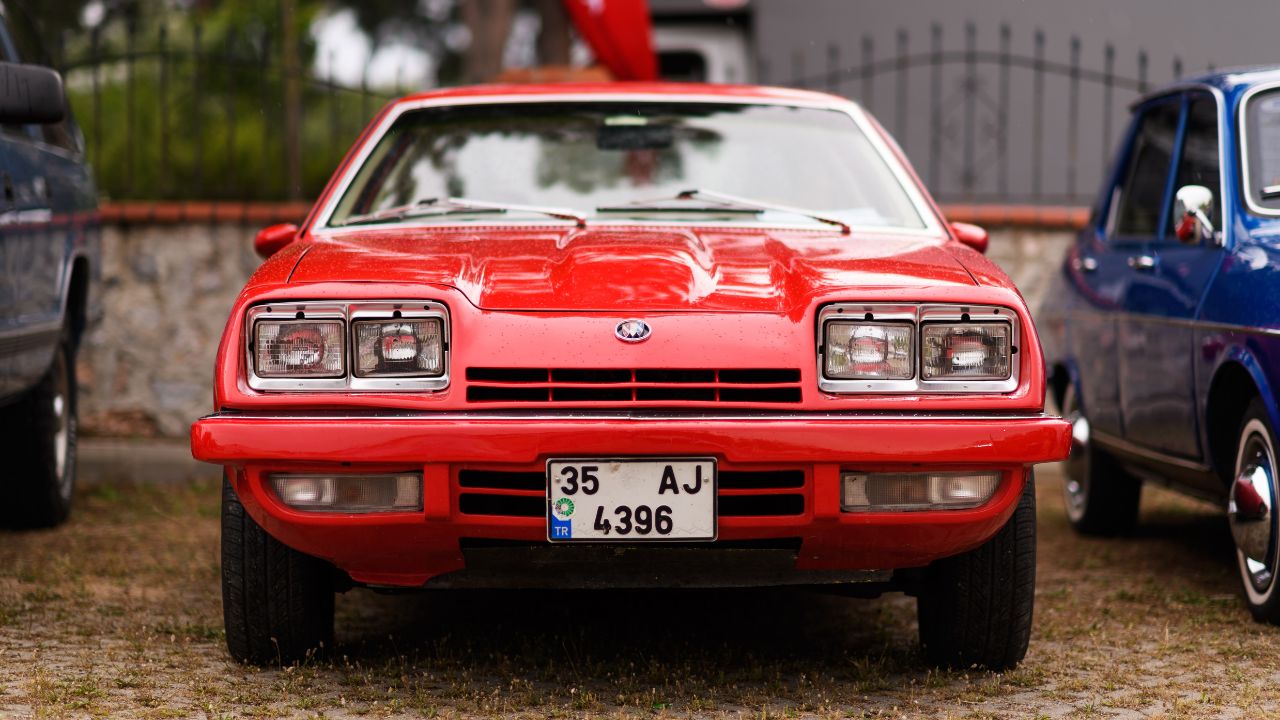
You might remember these cars if you’ve got a sharp memory, or if one of them spent time in your driveway. But for most people, these models don’t come to mind when reminiscing about the automotive icons of the 1970s. They didn’t quite reach the status of Corvettes, Mustangs, or BMWs, and they weren’t designed to.
To compile this list, we reviewed years of consumer feedback, recall data, and insights from mechanics. Our criteria focused on vehicles that experienced significant depreciation, had recurring quality concerns, and developed reputations for being less than reliable, even among brand loyalists.
Each car featured here represents a unique case of high initial sales followed by a quiet fade into obscurity. They’re more like pop culture curiosities, memorable to a few, but rarely part of the mainstream conversation.
AMC Gremlin

The AMC Gremlin wasn’t just a bold design, it was a polarizing one. Created by shortening the AMC Hornet’s platform by a foot, the Gremlin’s compact, angular profile gave it a distinctive look that sparked mixed reactions. Some praised its innovation; others found its styling unconventional, even quirky.
Driving the Gremlin was a unique experience. Its 232-cubic-inch straight-six made about 100 hp (SAE net), offering modest performance by today’s standards. The interior materials were utilitarian, and the rear hatch design, made cargo loading a bit more involved than expected.
Despite its eccentricities, the Gremlin was a commercial success during its time. Today, however, even dedicated AMC fans often favor other models from the brand’s lineup. The few remaining Gremlins serve as nostalgic reminders of an era when automakers weren’t afraid to experiment, though not every gamble became a classic.
Chevrolet Chevette
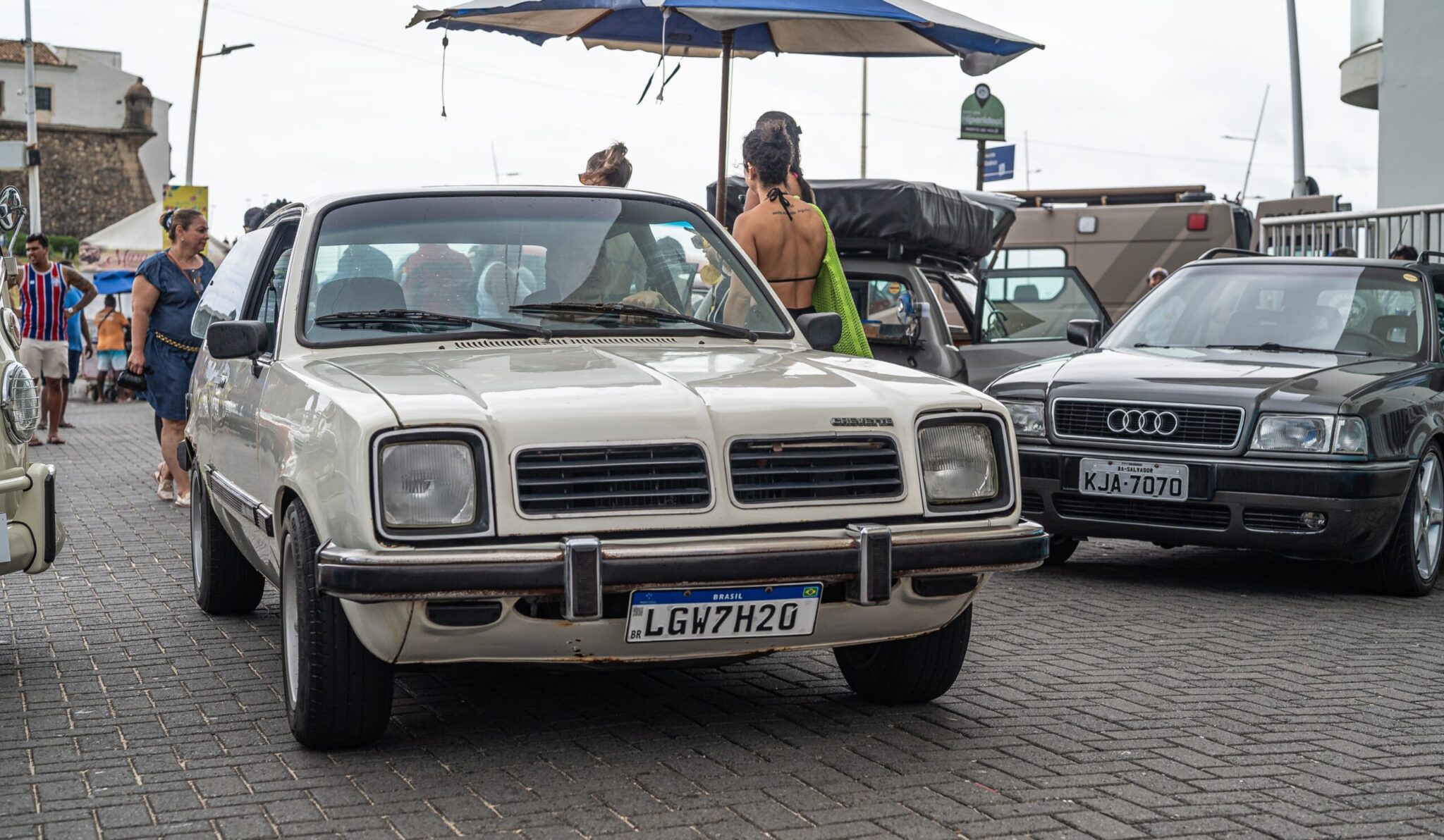
In response to the growing popularity of compact imports in the mid-1970s, General Motors introduced the Chevette, a budget-friendly, Opel-derived hatchback aimed at practicality over performance. While it met the basic needs of transportation, its execution left much to be desired.
The Chevette’s suspension struggled with rough roads, often making potholes feel more dramatic than they should. Steering was imprecise, and the 1.6-liter four-cylinder delivered around 60–63 horsepower (depending on year/trim), making highway merges a slow and calculated affair. Interior features were minimal, with comfort taking a backseat to cost-efficiency.
Road & Track once described driving a Chevette as “an exercise in lowered expectations,” a sentiment echoed by many drivers of the era. Though it sold well, the Chevette rarely inspires nostalgia today. Spotting one at a classic car show is a rare sight—more a curiosity than a collector’s gem.
Ford Pinto
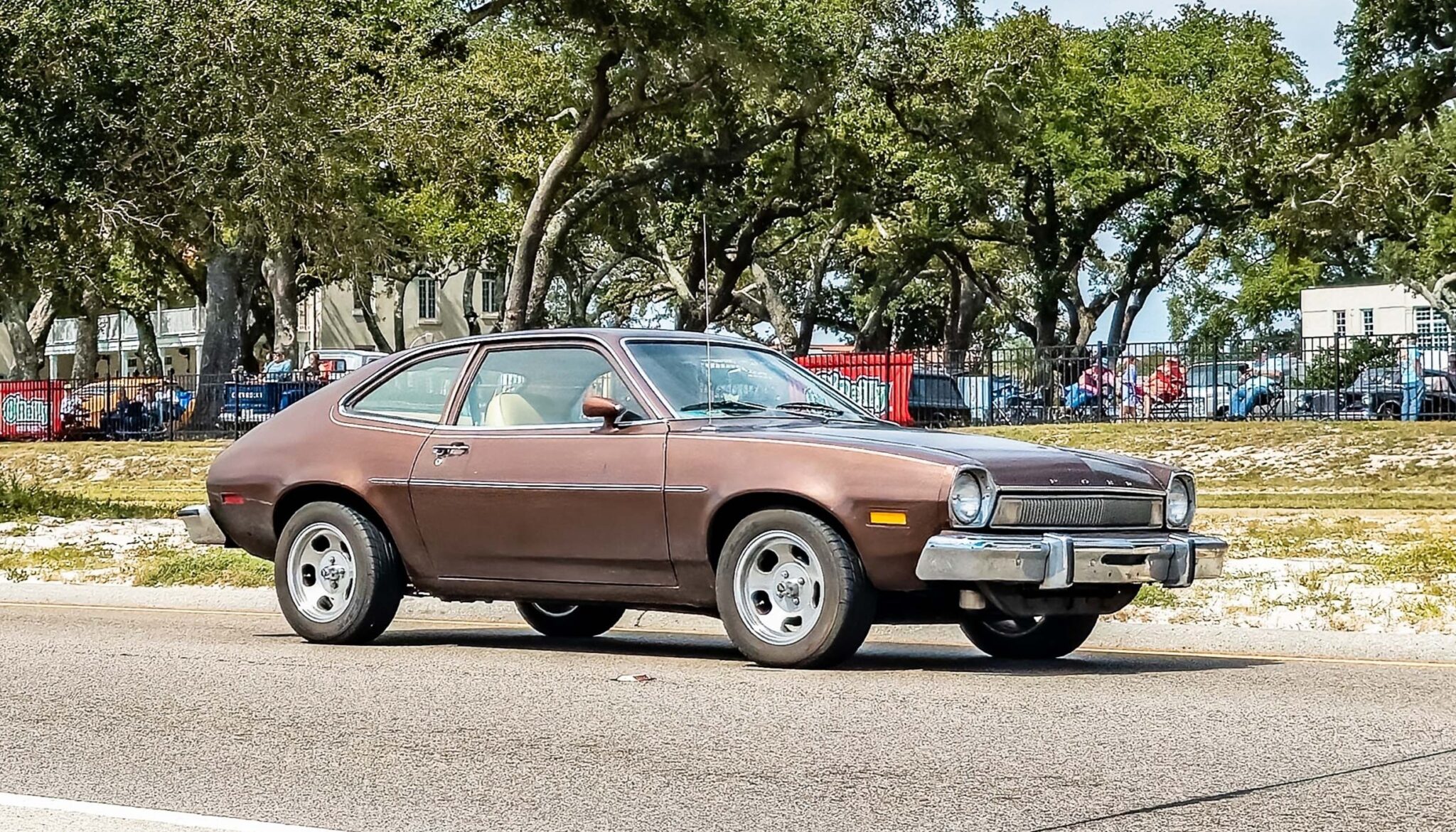
The Ford Pinto is remembered less for its performance and more for the controversy surrounding its fuel tank design. Positioned behind the rear axle, the tank was vulnerable in rear-end collisions, leading to a federal investigation and a major recall. The incident became a defining moment in automotive safety discussions.
Beyond the safety concerns, the Pinto offered a bare-bones driving experience. One common option, the 2.0-liter, was rated around 86 hp (SAE net), which was adequate for city driving but underwhelming on highways. The interior was spartan, with hard plastic surfaces and minimal comfort features. Handling was basic, and the transmission lacked refinement.
Despite its flaws, Ford sold over three million Pintos, a testament to its affordability and effective marketing. Today, surviving Pintos are rare and often owned by enthusiasts with a deep interest in automotive history. While not a collector’s favorite, the Pinto remains a symbol of an era when cost-cutting and innovation sometimes collided.
Dodge Aspen
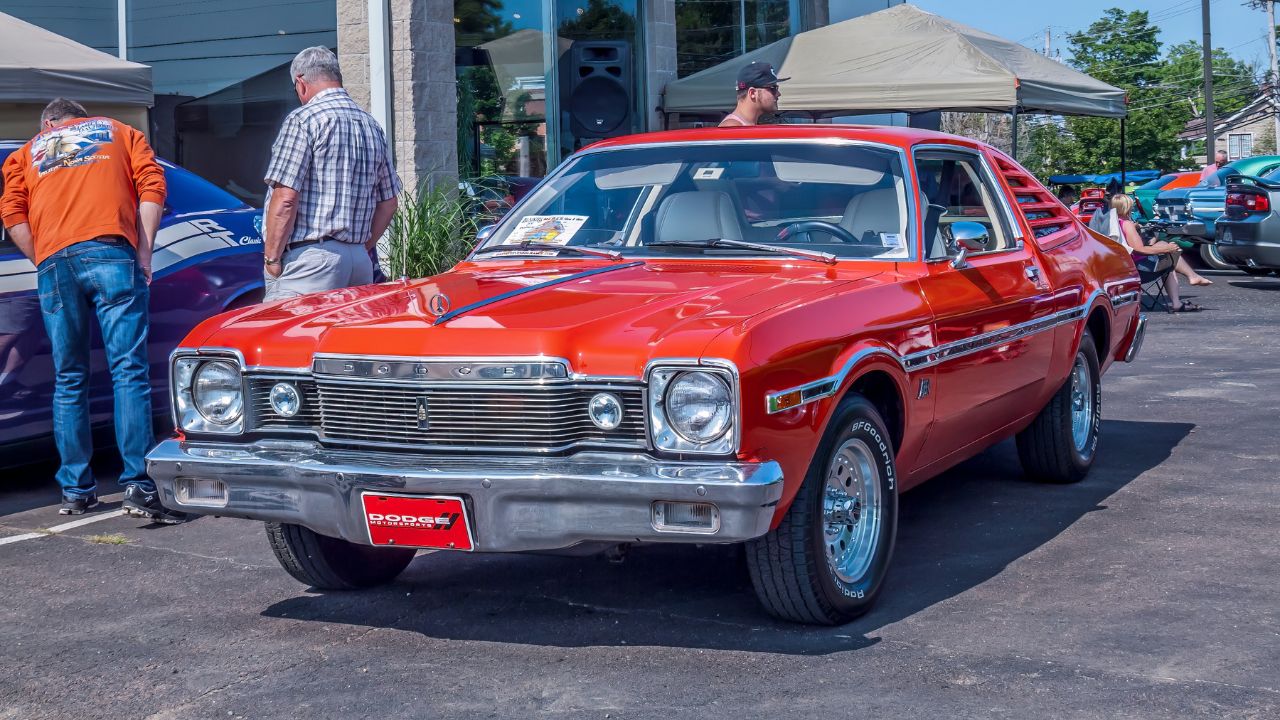
Plymouth had the Volaré, Dodge had the Aspen, and many customers had second thoughts. These F-body models represented Chrysler’s effort to deliver a mid-size car during a financially turbulent period in the late 1970s. Unfortunately, the Aspen became known more for its reliability issues than its road presence.
Straight from the factory, Aspens were plagued by premature rust, carburetor troubles, stalling issues, and electrical glitches. The stalling problem, in particular, turned everyday errands into unpredictable outings. Chrysler issued numerous recalls for the Aspen, with some owners receiving more notices than they did holiday cards.
Motor Trend named the Volaré/Aspen its Car of the Year in 1976, a decision that has been widely debated in hindsight. While the award reflected optimism at the time, the car’s long-term reputation didn’t hold up. Today, spotting an Aspen is a rare event, and for many, it serves as a reminder of an era when automakers were navigating challenging roads, both literally and figuratively.
Oldsmobile Omega
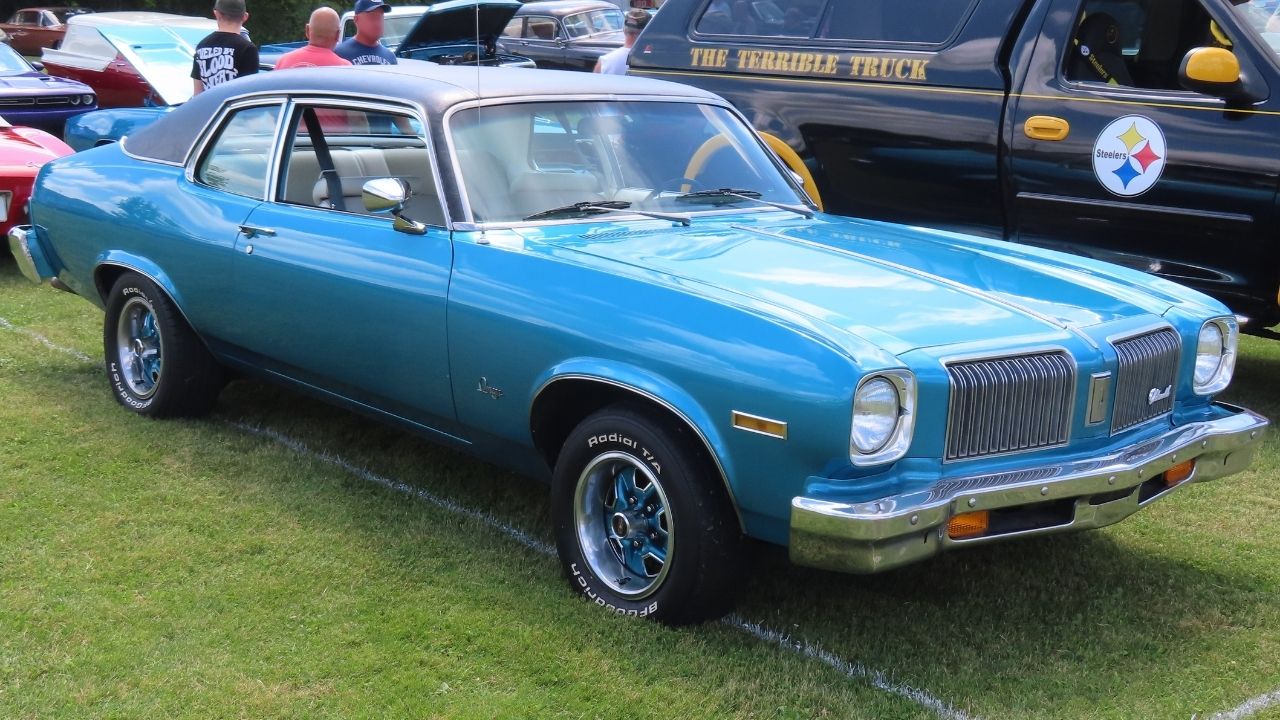
The Oldsmobile Omega was General Motors’ take on badge engineering, built on the same X-platform as the Chevy Nova, Pontiac Ventura, and Buick Apollo, but dressed up to appeal to Oldsmobile buyers. With upscale trim and a higher price tag, the Omega aimed to offer a premium experience, though many felt it didn’t quite deliver.
Under the hood, the standard 250-cubic-inch straight-six offered modest performance, while the optional V8s were hampered by emissions controls that limited their output. Inside, the Omega featured vinyl wood grain accents and other upscale touches, though they often felt more decorative than functional.
The Omega’s biggest challenge wasn’t poor performance, it was its lack of distinction. While other models embraced their quirks, the Omega struggled to stand out, offering little beyond its styling upgrades. The first generation ended in the late 1970s, and the Omega nameplate continued into the early 1980s, and the model quietly faded from the spotlight, remembered more for its role in GM’s badge-engineering era than for any lasting impact.
Renault Le Car
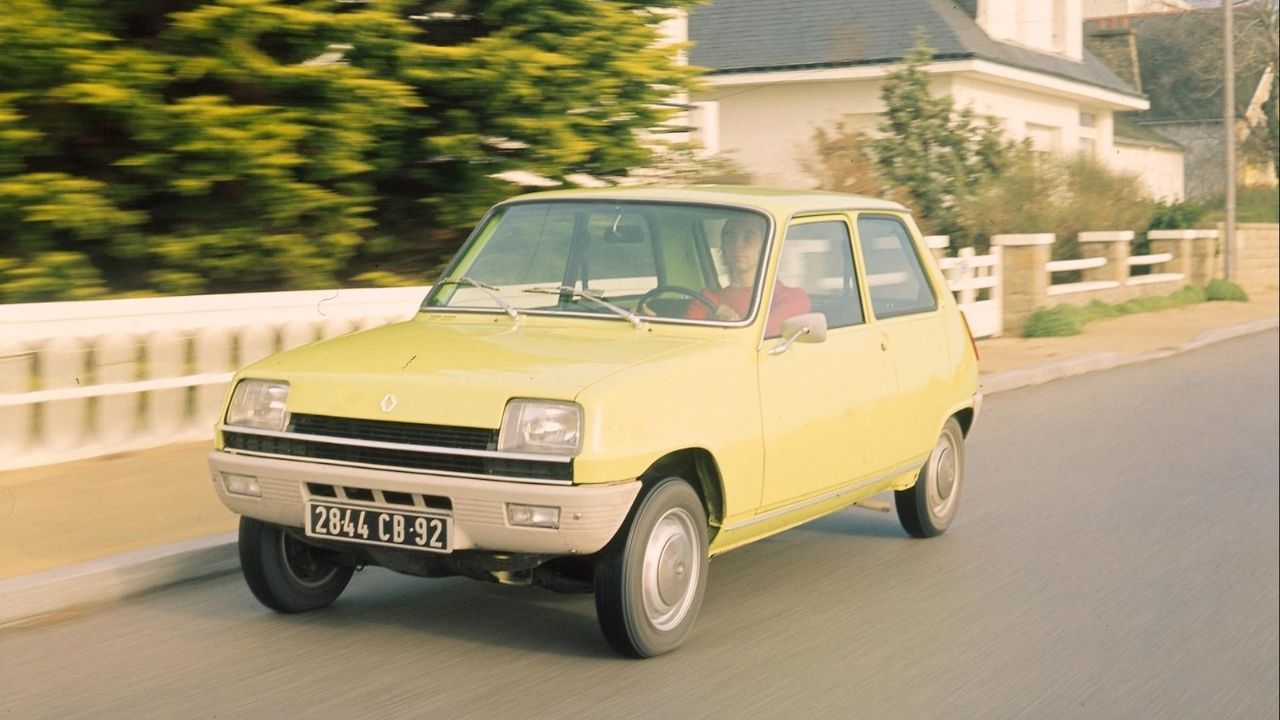
Introduced initially as the Renault 5 in Europe, the Le Car brought a dose of French automotive flair to American roads. Compact and fuel-efficient, it appealed to buyers looking for something different, though its quirks quickly became apparent.
Powered by a 1.4-liter engine producing about 58 hp (SAE net), the Le Car was well-suited for city driving but struggled on American highways. Its narrow frame and minimal interior comforts, including exposed metal and hard plastics, made it feel more utilitarian than refined. Electrical issues were common, and maintenance costs often exceeded expectations, leading to frustration among owners and busy parts departments at Renault dealerships.
While the Le Car initially attracted attention for its charm and efficiency, reliability concerns eventually overshadowed its appeal. Renault’s AMC involvement ended in 1987, and Renault-branded sales in the U.S. wound down by the late 1980s, leaving behind a legacy of mixed reviews and a handful of surviving models cherished by enthusiasts with a taste for the unconventional.
Chevrolet Monza
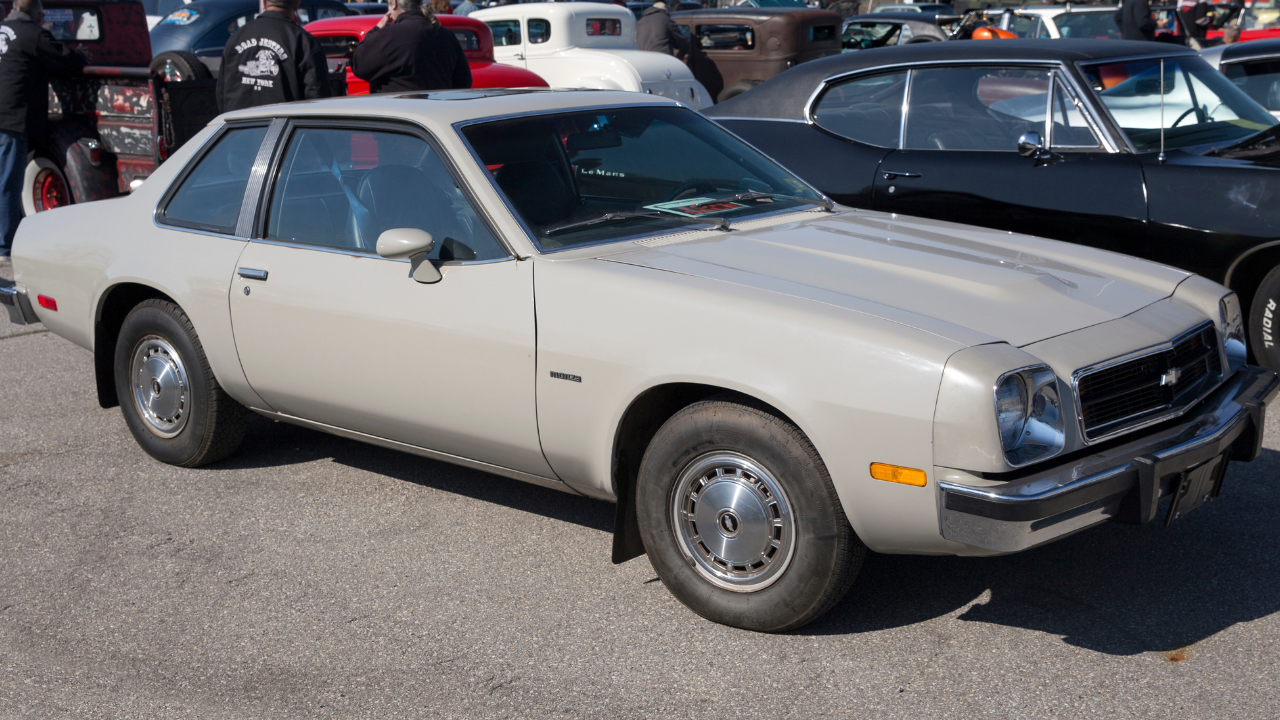
The Monza entered the market with appealing potential, a sporty compact on GM’s H-platform, offered with sleek fastback styling and optional V8 power. Unfortunately, execution fell short. Cost-cutting, quality control issues, and questionable engineering decisions undermined what could have been a competitive small performance car.
One example: fitting the available 350 V8 into an engine bay designed for a four-cylinder created a maintenance challenge that made spark plug access notoriously tight, sometimes requiring lifting the engine slightly (especially with A/C) rather than a simple plug swap. The “Spyder” package added sporty visual cues but little in the way of meaningful performance upgrades. Interior materials were typical of the malaise era, with plastics prone to cracking and upholstery that faded quickly.
Road & Track once described the Monza as “a sports car for people who don’t really want a sports car,” a line that summed up its struggle to live up to its sporty image. Today, surviving examples are rare at classic car shows, remembered more for what they could have been than what they were.
Dodge Colt
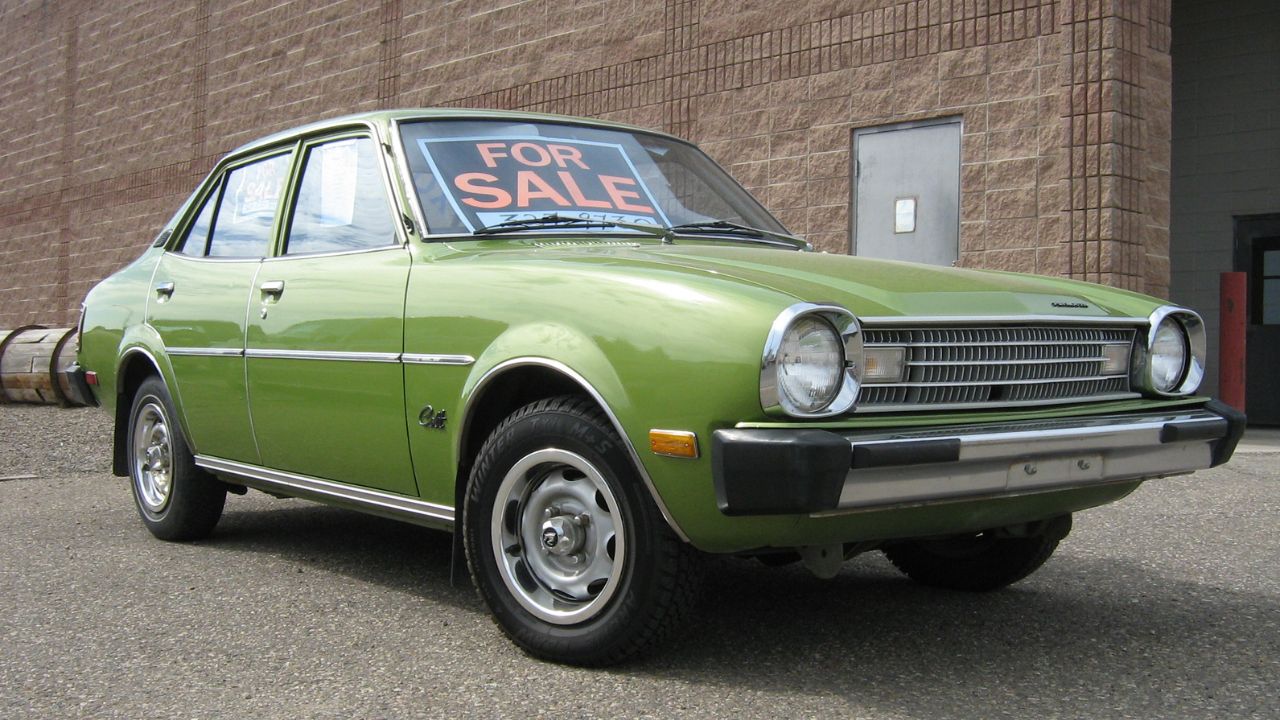
The Dodge Colt wasn’t a homegrown design, it was a rebadged Mitsubishi Lancer, part of Chrysler’s early effort to bring Japanese-built small cars into its lineup. This approach aimed to give American buyers a fuel-efficient alternative without developing an entirely new model from scratch.
While the Mitsubishi engineering provided a decent foundation, the Colt faced challenges in the U.S. market. Chrysler dealers at the time were unfamiliar with Japanese maintenance practices, which sometimes made routine service more complicated and costly. Parts could be challenging to source, and warranty support varied from dealer to dealer, leading to ownership experiences that weren’t always smooth.
The Colt also arrived at a tough moment in the competitive landscape. Honda and Toyota were rapidly building reputations for both reliability and strong dealer service, making it hard for the Colt to stand out. Although it offered reasonable efficiency for its era, the model faded from American roads as the market gravitated toward competitors with stronger support networks and higher perceived quality. Today, surviving Colts are an uncommon sight, often recognized as a curious chapter in Chrysler’s history of import collaborations.
Peugeot 504 Wagon
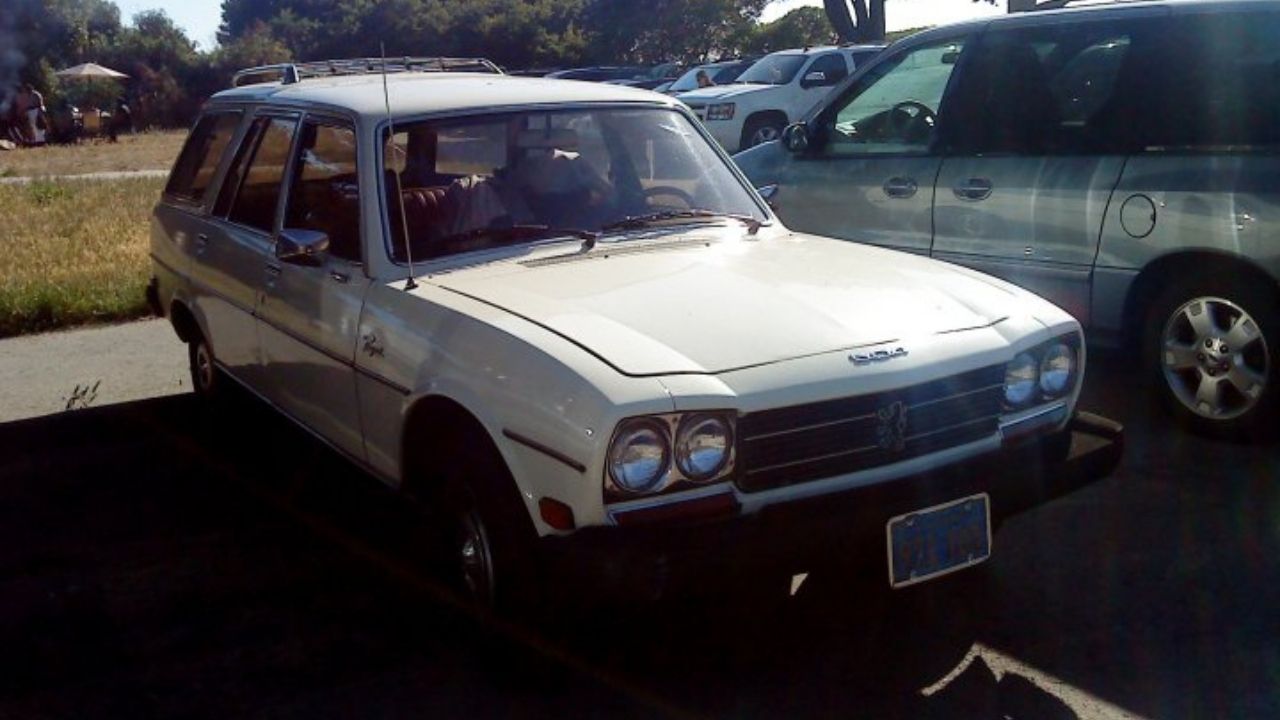
The Peugeot 504 Wagon was part of the French automaker’s effort to bring European design and engineering to American driveways. With its distinctive styling and comfortable ride, it offered a blend of practicality and refinement that stood out in the late 1970s and early 1980s.
While praised for its exceptionally comfortable seats and supple suspension, the 504 Wagon also faced challenges in meeting U.S. owner expectations for reliability and service support. On fuel-injected 504 variants (often badged Injection/TI), the system was advanced for its era, but occasional issues could leave drivers stranded without easy access to parts or trained technicians.
Peugeot’s relatively small U.S. dealer network made finding service more difficult than with domestic or larger import brands, and repair costs could be high. These factors, combined with intense competition from Japanese and European rivals, limited the model’s long-term success in the American market. Peugeot ultimately withdrew from the U.S. in 1991, but the 504 Wagon remains remembered by enthusiasts for its comfort, unique style, and place in the brand’s U.S. history.
Buick Skyhawk
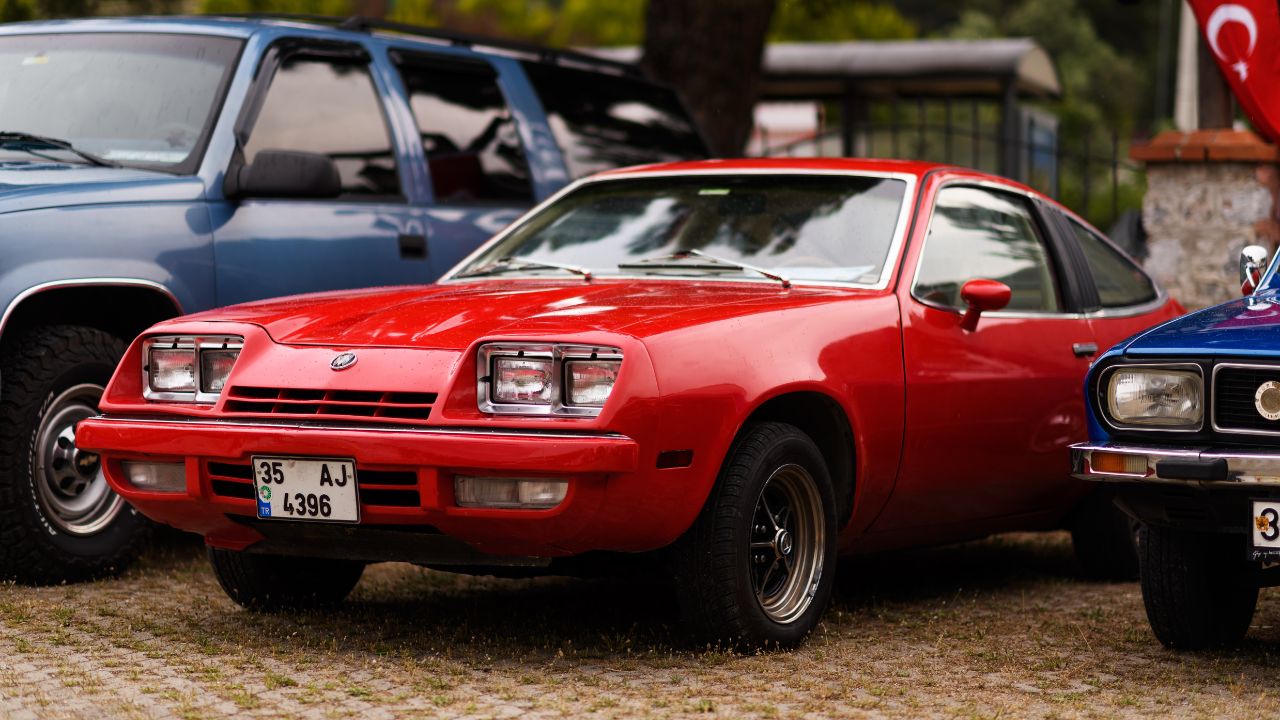
The Buick Skyhawk was GM’s attempt to attract younger buyers by rebranding the H-platform Monza with upscale styling and Buick’s signature tri-shield badge. While the intent was to blend sportiness with premium appeal, the result fell short for both traditional Buick customers and performance-minded drivers.
Sharing its underpinnings with the Monza, Starfire, and Sunbird, the Skyhawk inherited many of the same mechanical issues. Interior trim aimed for luxury but often lacked durability, and the V6 offered just enough power for daily errands but struggled on highway ramps. Handling was typical of the era, soft and imprecise, with steering that lacked responsiveness. Build quality was inconsistent, leaving many owners disappointed.
The Skyhawk’s challenge was its identity. Buick buyers expected comfort and reliability, while younger drivers wanted excitement and performance. The Skyhawk delivered only a hint of both, and by 1980, it (H-body Skyhawk) quietly exited the market. Today, it’s a rarely seen model, remembered more for its role in GM’s badge-engineering strategy than for any lasting impact.
Left in the Rearview for a Reason
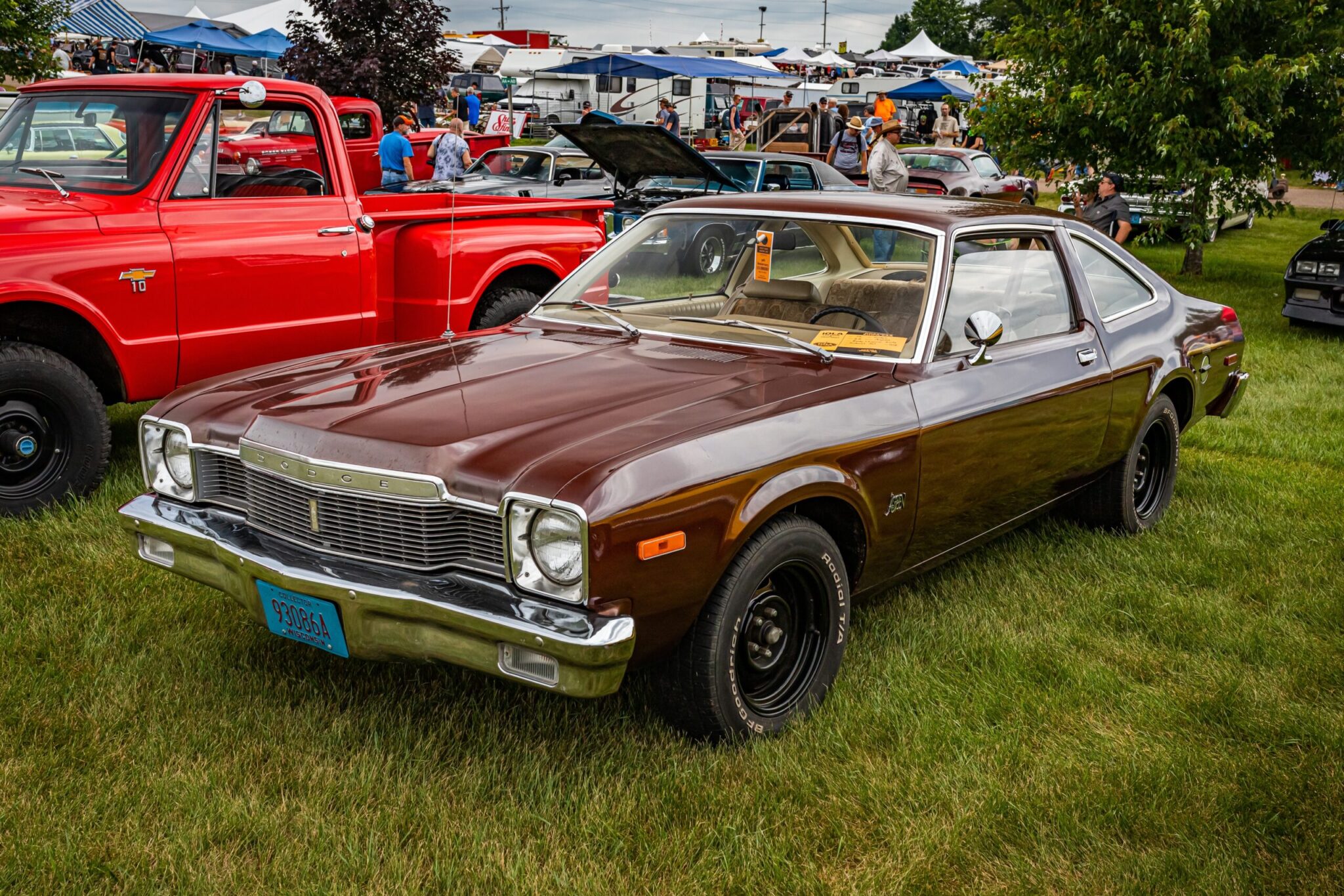
These vehicles had their moment on the road but ultimately faded into obscurity due to a mix of engineering compromises, dated designs, and market challenges. Many prioritized meeting regulatory requirements over delivering the performance or quality that drivers desired, making them less appealing over time.
Today’s classic car community tends to focus on muscle cars, sports cars, and imports from the same era, leaving these models as rare sights at shows or in private collections. Their scarcity isn’t just about age, it’s a reflection of which vehicles earned lasting enthusiast interest and which did not.
The few remaining examples often spark conversation at car meets, serving as reminders of how automotive history includes both celebrated successes and less-remembered experiments. While not every vehicle becomes a collectible, each tells part of the story of its era, even those that are remembered more for their quirks than their accolades.