
Palm trees do not cancel old-fashioned fraud. The Caribbean is a huge region, not one uniform travel zone, but official guidance keeps flagging the same trouble spots around lodging, transport, beach activities, and payments. U.S. State Department pages for destinations such as Antigua and Barbuda, the Bahamas, and Belize, along with FTC travel-scam guidance, point to one stubborn pattern: travelers are easiest to target when they are rushed, distracted, or booking from far away. That makes skepticism one of the cheapest things you can pack.
This does not mean most trips go wrong. Most vacations across the region are perfectly normal, and plenty of visitors never run into anything worse than an overpriced daiquiri. The useful takeaway is narrower and less dramatic: verify who you are paying, confirm who is picking you up, and slow down any offer that demands instant money. A surprising amount of scammy nonsense dies the moment you stop acting like the countdown clock is real.
1. Fake Villa and Apartment Listings

The prettiest scam often shows up before the trip even starts. The FTC says scammers copy real rental photos and descriptions, swap in their own contact details, and collect deposits or vacation-rental payments for places that are not actually available or do not exist at all. They may claim the owner is abroad, invent a reason you cannot see the property, and promise keys right after payment. Then they vanish, which is an impressively efficient business model if you are a ghoul.
The warning signs are gloriously repetitive. The FTC says unusually low prices, pressure to decide quickly, and demands for wire transfers, gift cards, or cryptocurrency are classic clues that the listing is crooked. It also advises checking whether the address is real and contacting the property or management company through information you found independently, not just whatever is sitting inside the ad. If the “dream beachfront bargain” needs to be paid like ransom, back away slowly.
2. “Free Getaway” Offers and Murky Package Deals
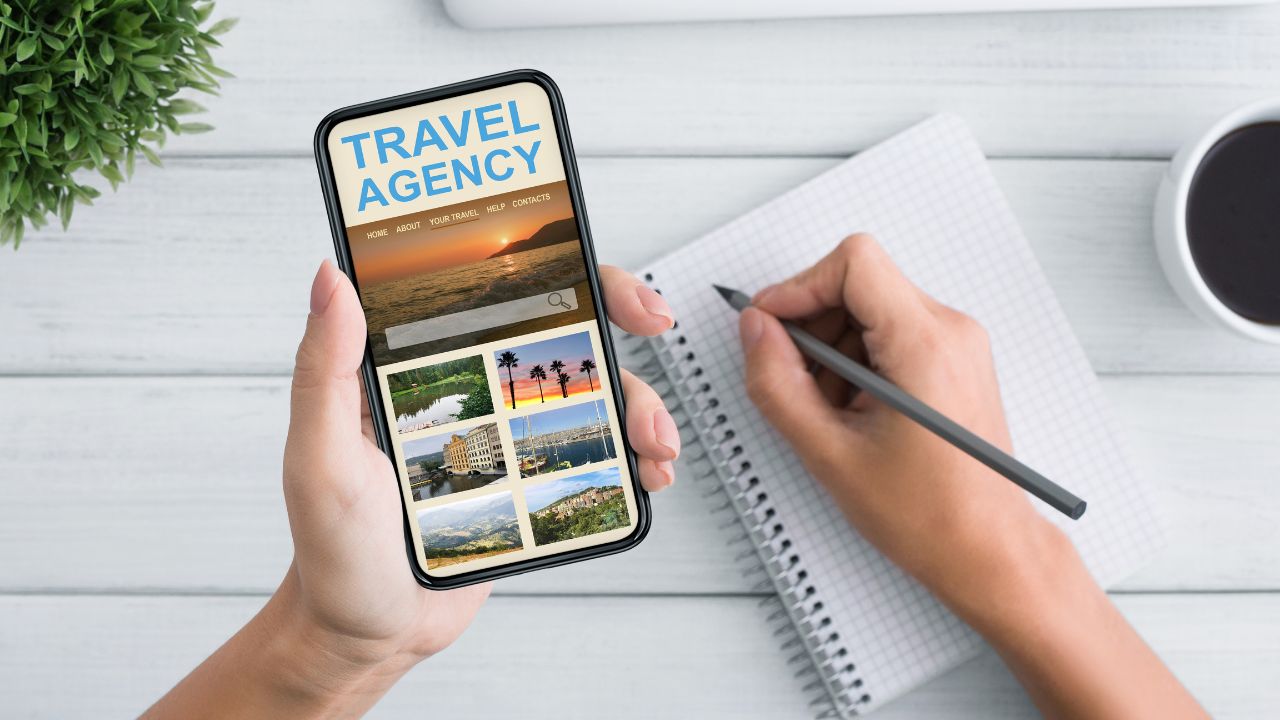
Travel scammers adore the word “free.” The FTC warns that some promotions promise a free vacation, then demand fees or taxes before anything is confirmed, which is a clean way of proving the trip was never really free in the first place. The same FTC guidance says to get the details of extra charges, taxes, and cancellation policies before you pay, because a dream deal that stays vague on basic terms is not mysterious. It is suspicious.
That same instinct applies to vacation clubs and timeshare pitches aimed at resort travelers. The FTC’s timeshare and vacation-club guidance warns about pressure-heavy presentations, unexpected charges, and booking frustrations that show up after the cheerful sales pitch ends. In other words, that “quick breakfast seminar” can become an expensive administrative barnacle attached to your holiday. Read the terms before paying anything, and treat urgency like a red flag, not a perk.
3. Unofficial Taxis and Airport Transfer Hustles
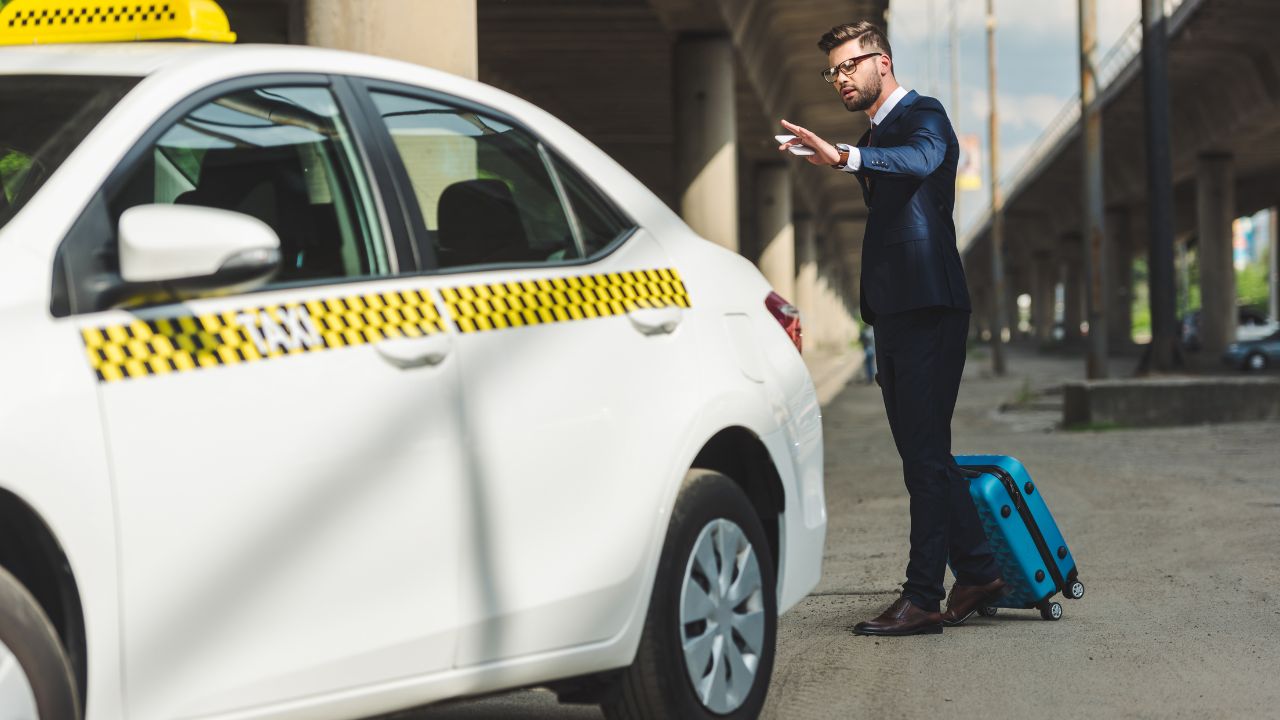
Ground transport is another place where vacation mode can make people oddly trusting. On its Antigua and Barbuda page, the U.S. State Department says unlicensed taxi operators have been known to extort passengers even after agreeing to a fare, sometimes charging double or triple the original amount. That is the kind of lesson nobody wants to learn while standing beside luggage in tropical heat.
The boring fix is the good fix. The same guidance says travelers should make sure taxi drivers are licensed and belong to the official taxi association. That is not glamorous advice, but it is useful. Do not let a persuasive stranger with a smile and an open trunk become your transport plan just because you are tired and the airport air-conditioning has ended.
4. Beachside Water-Sports Operators Who Aren’t Properly Checked
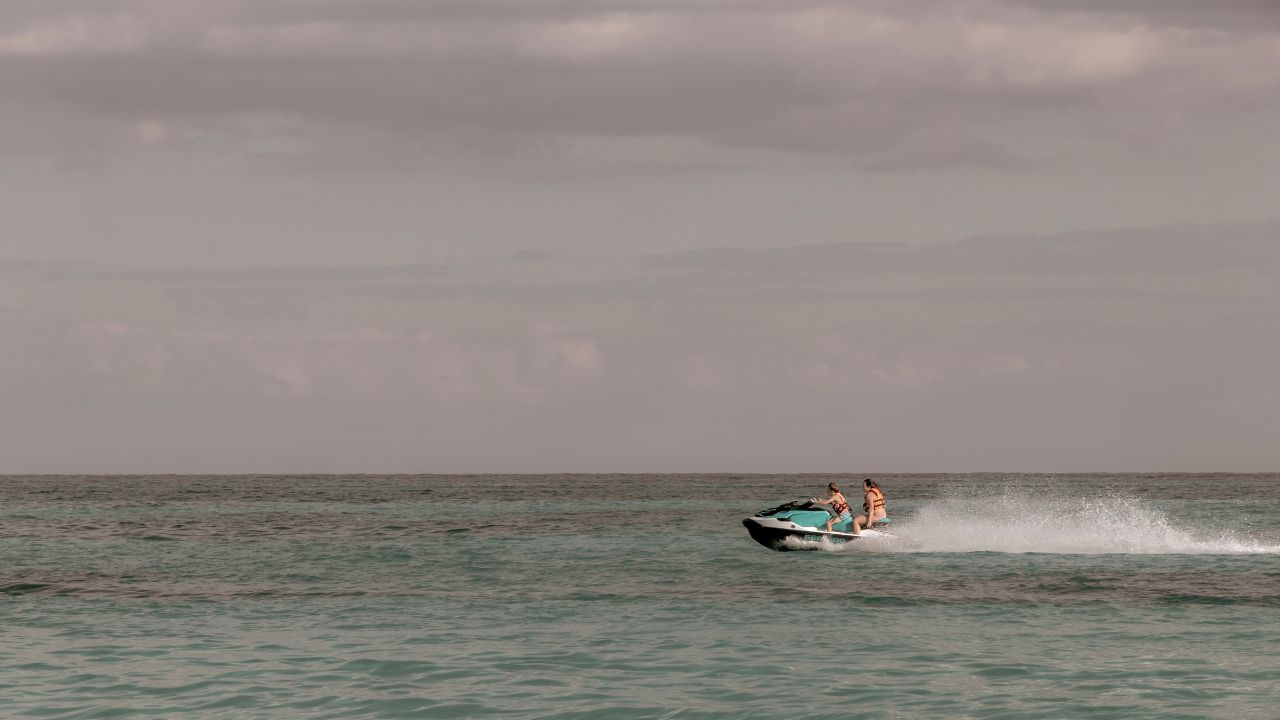
A beach can feel casual right up until the equipment is not. The State Department’s Bahamas advisory says boating there is not well regulated, injuries and deaths have occurred, and some jet ski or personal watercraft operators are not licensed or insured. It also notes reported sexual assaults by jet ski operators and says U.S. government employees are prohibited from renting jet skis and personal watercraft from independent operators on New Providence and Paradise islands. That is not a subtle hint. That is a very loud sign.
The same Bahamas guidance offers a checklist travelers should steal shamelessly. Before booking an excursion or watercraft activity, confirm the operator’s credentials, liability coverage, and safety or rescue protocols. Cheap thrills stop being cheap when the operator cannot prove they should be running the thing in the first place.
5. Card Fraud and Resort-Area Payment Trouble

Some scams are less theatrical and more annoying in a spreadsheet sort of way. The U.S. State Department’s Belize page says thefts of cash and credit cards happen frequently in some areas and that several credit card fraud rings are believed active there, particularly in San Pedro. It also says scams occur in Belize, especially in resort areas, and that tourists are particularly vulnerable to being pick-pocketed, robbed, or extorted. That does not mean every beach bar is plotting against your bank account. It does mean payment fraud is not some imaginary travel-forum hobbyhorse.
The low-drama playbook is simple. Use cards carefully, monitor statements while you are still on the trip, and treat weird duplicate or mistimed charges as a reason to lock things down fast rather than “deal with it later.” Finance is uncool enough without turning your post-vacation week into an international fraud cleanup project.