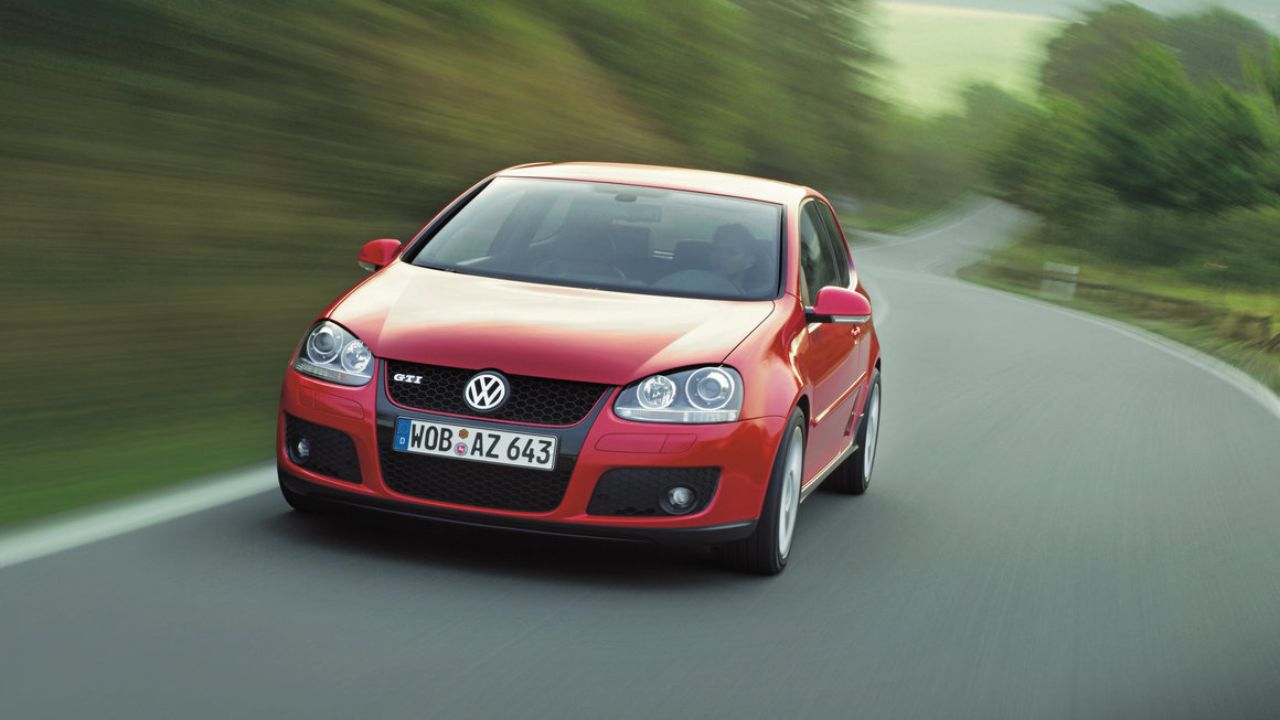
Ok, car fans—let’s be real. Most of us just want to enjoy the cars, the culture, and the conversations. But there’s always that person at the meet or in the comments who loves flexing their knowledge and gets a little over-pedantic about it. If you want to play language police, sure, you’ll find a lot of terms we don’t use “right.” But does anyone actually care?
We all know what you mean when you say, Hand me the fob or Check out that muscle car. It’s kind of like that 8th grade moment when you asked your English teacher, “Can I use the restroom?” and she hit you with, “I don’t know—can you?” Was she technically correct? Sure. Was she fun at parties? We can’t imagine it.
These are the “well actually…” terms—where some commenter loves to point out that it’s not technically accurate, but we all know what’s going on anyway.
“Key Fob” — The Button-Filled Non-Fob

Once upon a time, a fob was just the little chain or trinket attached to your key. A key fob—the accessory, not the key itself. Then came remote entry. We added buttons for lock, unlock, and trunk release. Over time, the key and the fob merged into a single, compact plastic remote. Now? Most of us drive cars where that “key” doesn’t even look like a key, but we still call it a key fob.
Technically, a fob is supposed to hang off a key, not be the key. However, if you ask someone to hand you the fob, no one is confused. Try asking for your remote transmitter module next time—you’ll get some looks.
“Muscle Car” — Let’s Just Settle This
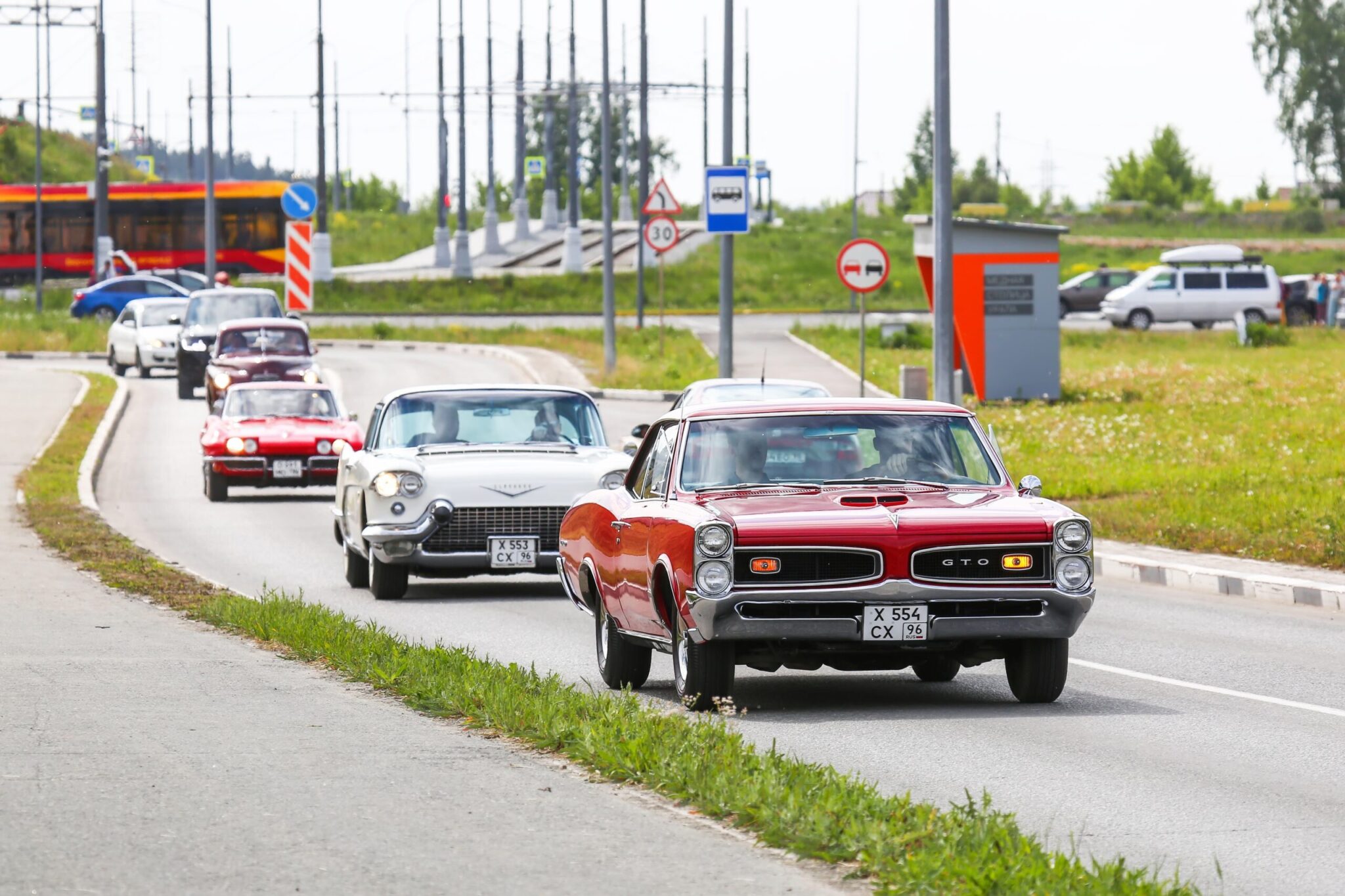
Look, let’s just settle this once and for all: the original muscle car era is long gone. But its spirit lives on in modern generations. We’re going to keep calling new cars that pay homage to the old ways, muscle cars. That includes Chargers, Challengers, Camaros—you get the idea. And if you feel the need to write us to complain about it, we’re asking Santa to bring you an EV this year.
At the end of the day, muscle car means loud, powerful, and built to make you grin. That’s good enough for us.
“Pony Car” — The Term That Started With Mustang, Then Got Fuzzy
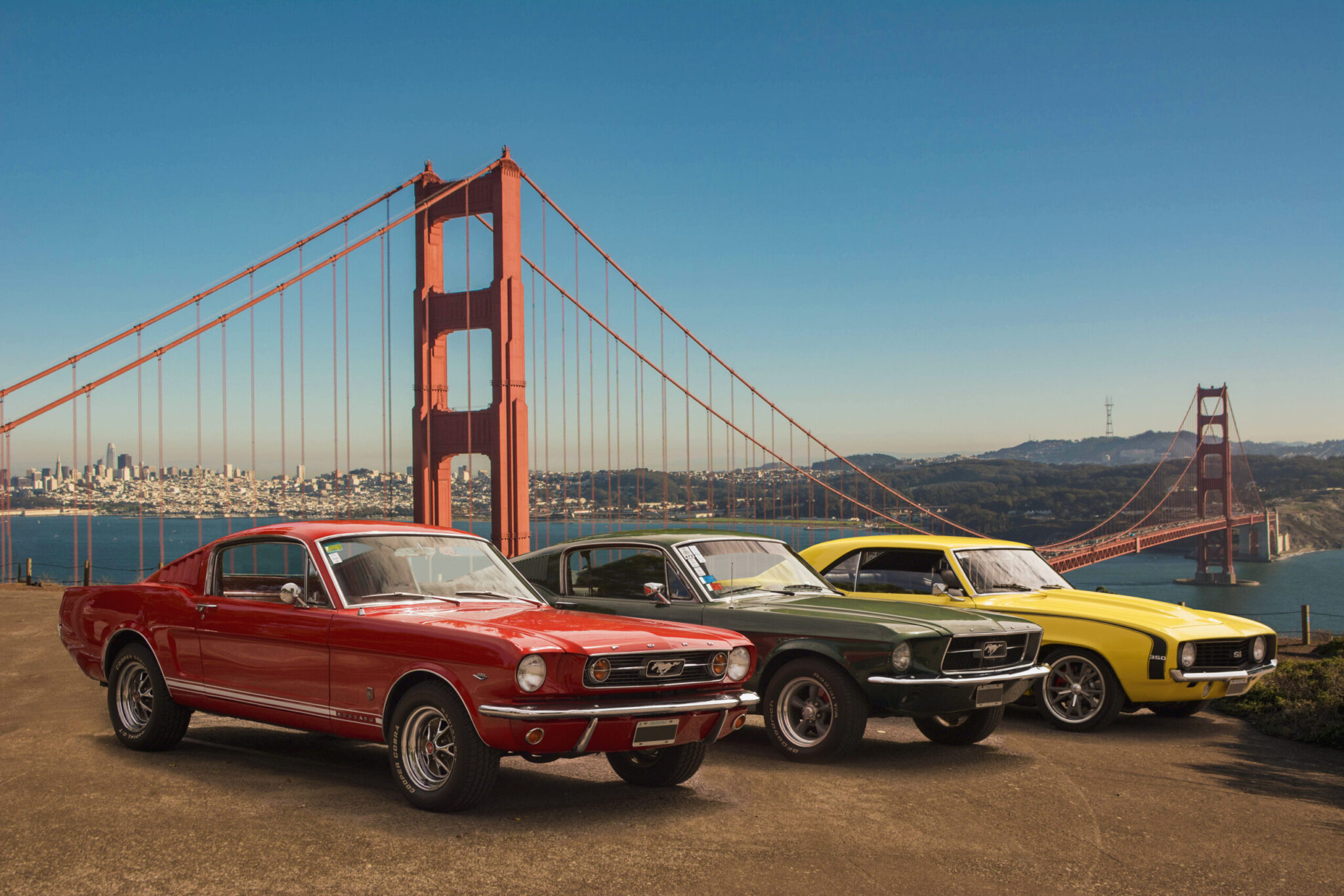
The term pony car was coined for the original Mustang: affordable, sporty, long-hood/short-deck styling. Then the Camaro, Challenger, Firebird, and Barracuda joined the club. Over time? We started using pony car interchangeably with muscle car or cool American coupe. The lines are blurry now, but say “pony car” and everyone knows what you mean.
“Fox Body Mustang” — A Platform Name That Became an Identity
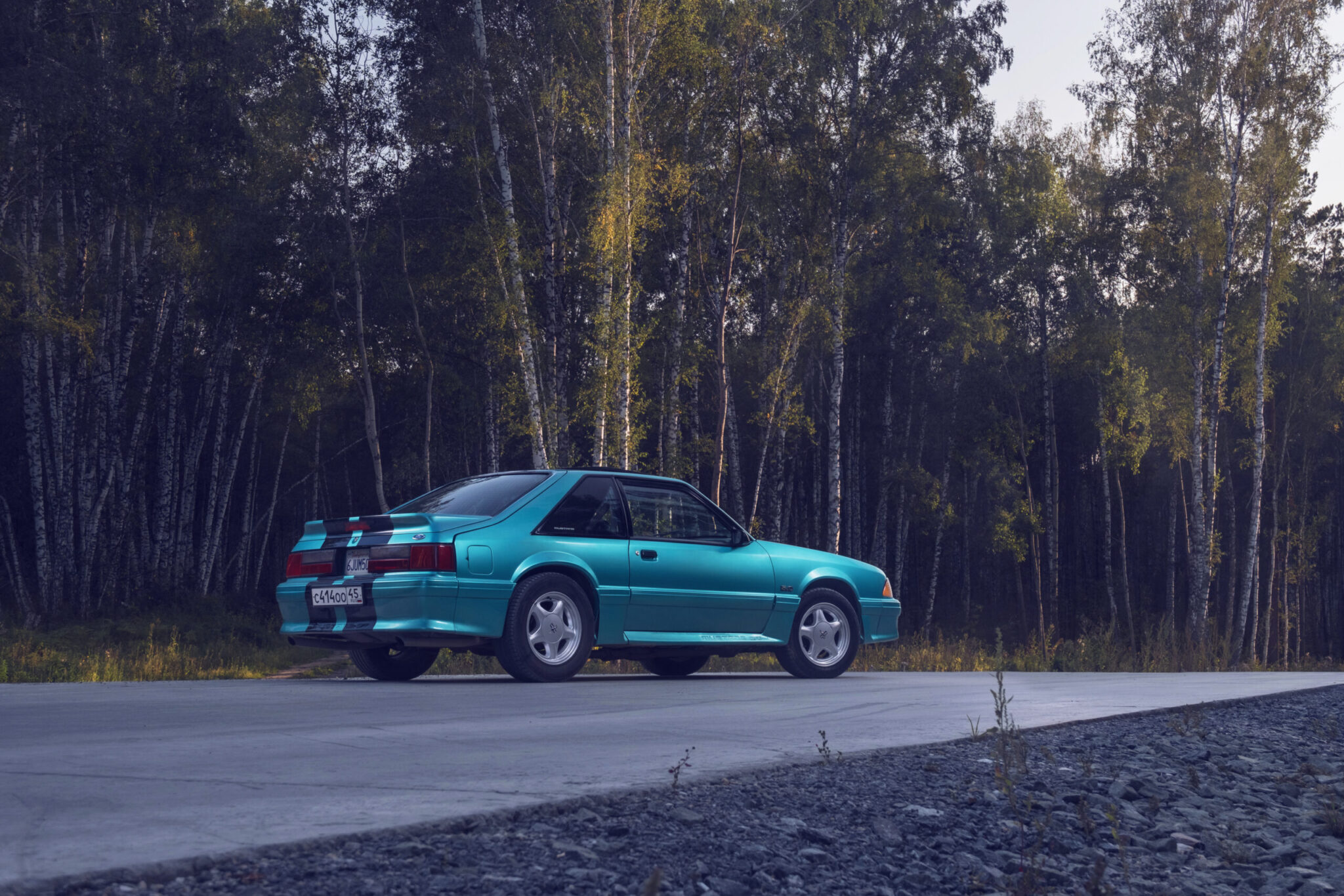
Ford’s Fox platform was a modular chassis used for several cars, including the Fairmont, Thunderbird, and even the LTD. The Fox Body Mustang just happened to ride on it from 1979 to 1993. Somewhere along the way, we stopped caring about the platform part and just made the Fox Body Mustang its own thing. Ever heard anyone brag about their Fox Body Fairmont at Cars and Coffee? Exactly.
“Classic Car” — The Moving Target

Ah, classic car. If you want to start a heated debate, just ask a group of car enthusiasts what qualifies. We get into this all the time in the Guessing Headlights writers’ Slack. For many of us, when we close our eyes and picture a classic, we see something dripping in chrome, or perhaps something with that boxy, radical ‘80s vibe. But by most definitions, a classic is any car that’s 25 years old or more. That means late ‘90s rides qualify, and early 2000s cars are also creeping up on classic status. When exactly does it happen? Honestly, no one really knows.
To avoid confusion, we typically adhere to the 25-year mark as our standard, and we’ll inform readers if we decide to take a few liberties for a story. Because hey, sometimes rules are meant to be bent. And who’s really keeping score anyway?
“Sports Car” — The One Where Back Seats Are a Point of Contention
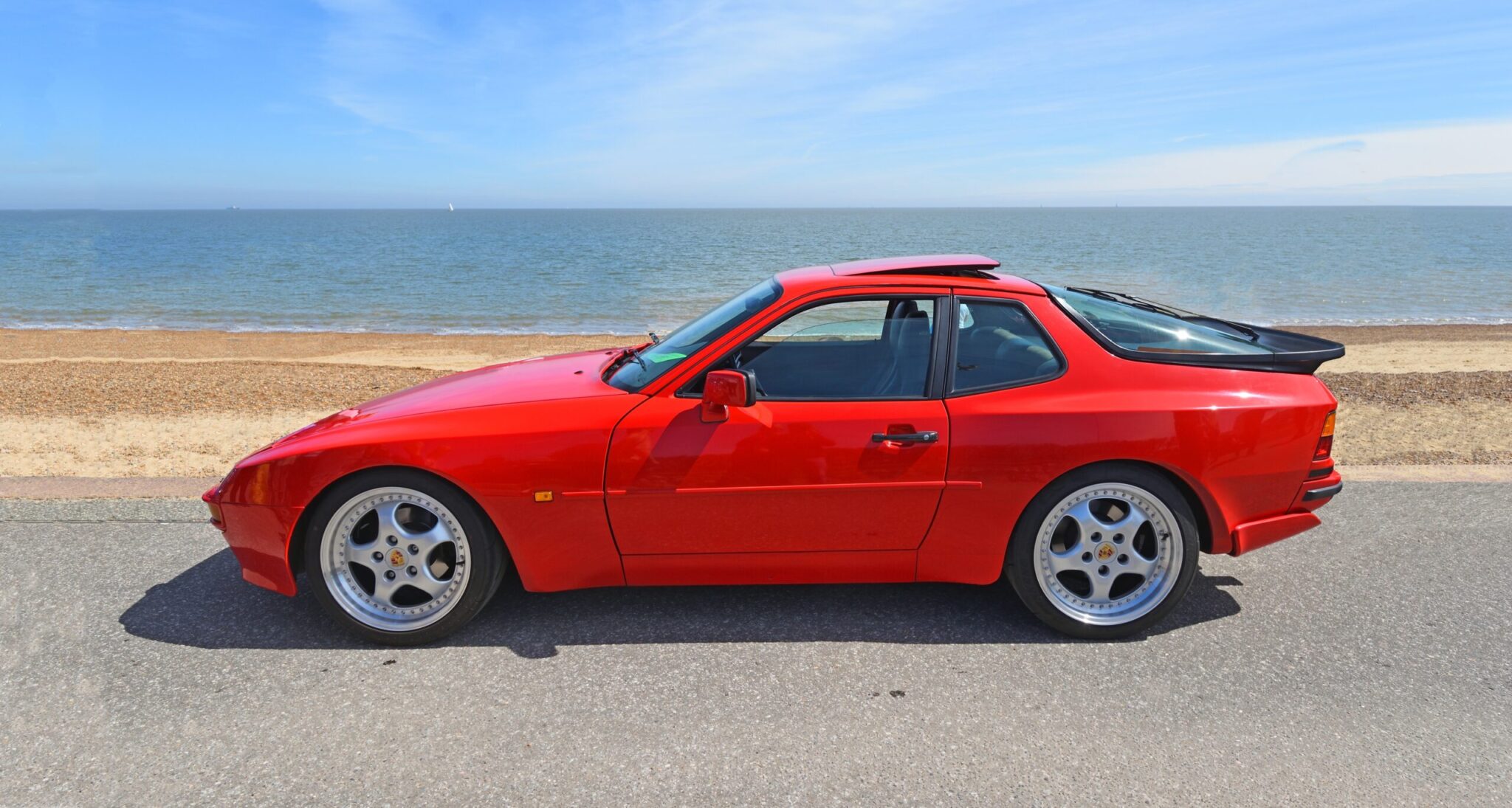
Ah, sports car. You’d think this would be simple, low, sleek, built for fun. But nope, even this sparks debate. Some folks will argue that a true sports car can’t have back seats. We and our friends, who crammed into the back of a Porsche 944, would beg to differ.
Sure, those back seats might be more symbolic than functional (ask anyone who’s tried sitting back there). But whether it’s a two-seater or a four-seater with “just in case” rear space, when someone says sports car, we all picture something that’s fun to drive first—and practical… maybe fourth.
“Supercar” — Fast, Flashy, Fuzzy Definition

Originally, the term “supercar” meant ultra-rare, exotic, high-horsepower machines—think Lamborghini Miura, Ferrari Daytona. Now? If it’s fast, flashy, and costs a lot, someone will call it a supercar. Corvette Z06? Close. McLaren? Definitely a supercar. We don’t need a checklist—we just know.
“Hypercar” — Because Super Wasn’t Enough
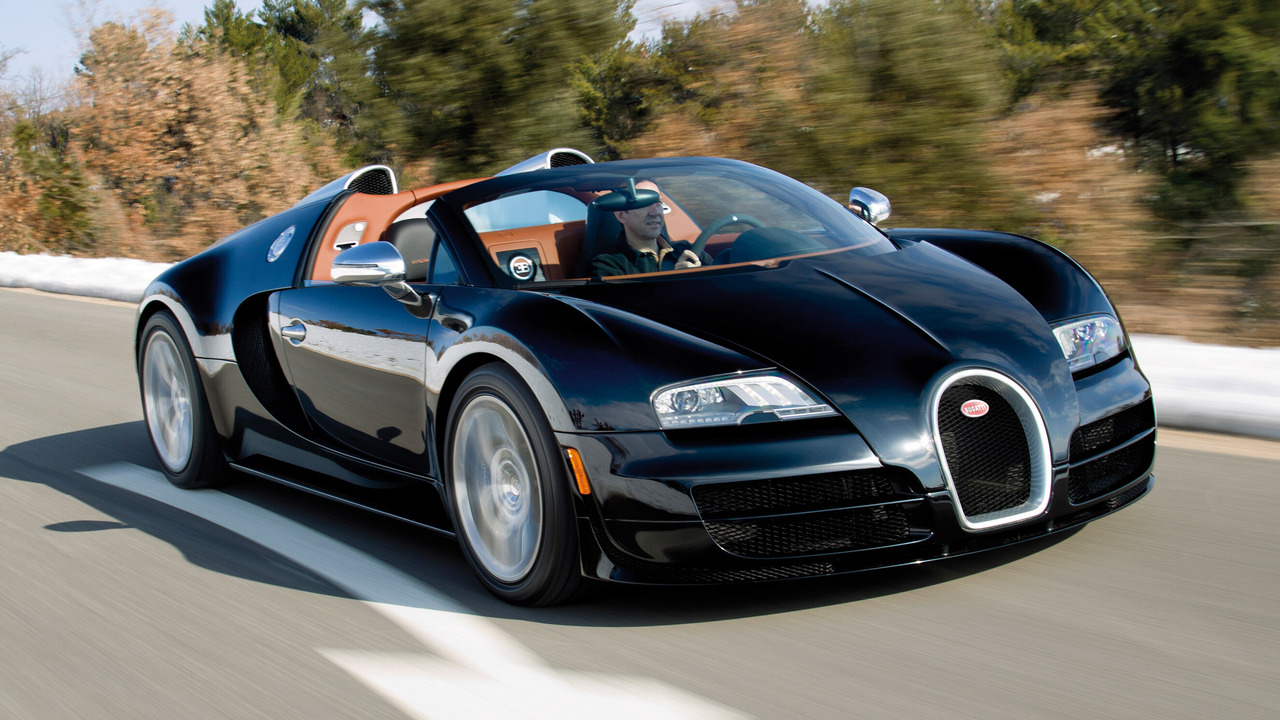
Hypercar was invented to describe machines that went beyond supercar—think Veyron, Koenigsegg Jesko, or the P1/LaFerrari/918 trio. Insane speed, price, and tech.
Is there an official cutoff? Not really. It’s just a way to say “even more bonkers than a supercar.”
“Hot Hatch” — Not Always Hot, But We Go With It

Hot hatch used to mean a small hatchback with serious performance—VW GTI, Peugeot 205 GTI, Ford Fiesta XR2. Today? We slap the term on anything with a hatch and a sport badge, even if it’s not that hot. But hey, we know what you’re talking about.
“Import” — Not Always Imported

Technically, an import is any car brought in from another country. However, in U.S. car culture, “import” usually refers to a Japanese or European sporty car, regardless of where it was actually built. That “import” Civic? Probably assembled in Ohio.
“JDM” — The Badge We Slap on Anything Cool and Japanese

JDM stands for Japanese Domestic Market—cars made for sale in Japan. However, many people use JDM to describe any Japanese car that’s a little sporty or rare, even if it was built for the U.S. market. Although not technically correct, we understand the meaning behind it.
“Coupe” — Two Doors? Four Doors? Who Cares Anymore
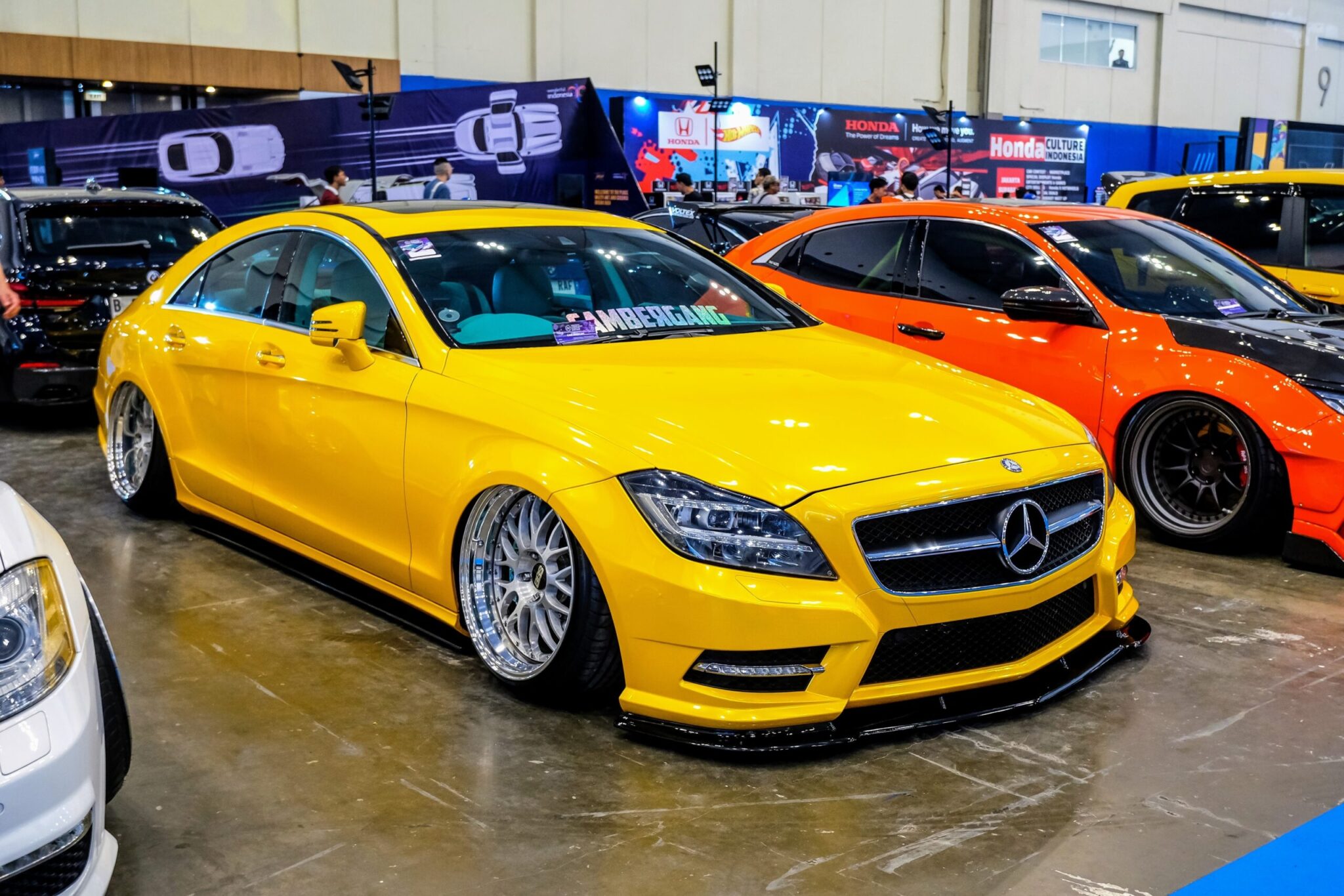
Initially, a coupe meant two doors and a fixed roof. Now? We’ve got SUV coupes, sportback coupes—it’s a marketing free-for-all. Say coupe, and people picture something with a sloped roof that looks kinda sporty. Close enough.
“Convertible” vs. “Roadster” — We Use Them the Same Anyway
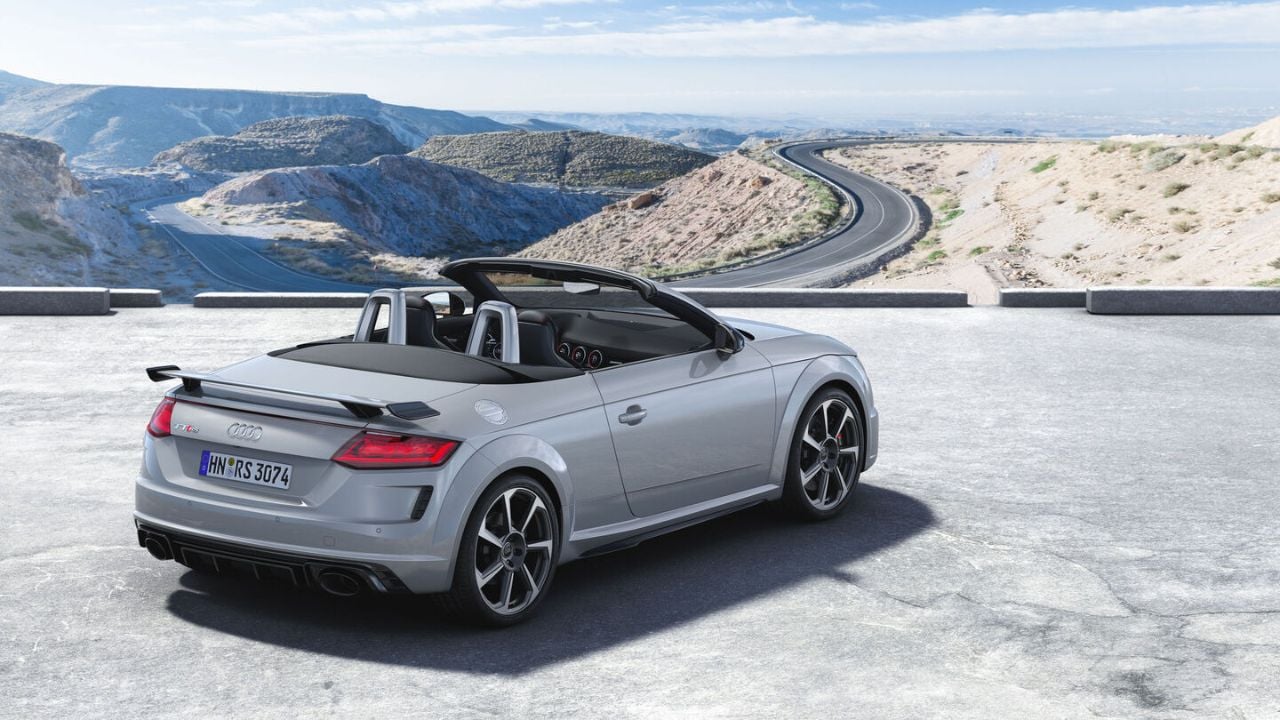
A roadster was traditionally a two-seat open car with no fixed roof. A convertible could have two or four seats, a soft top, or a hardtop. Today? We use the words interchangeably at shows. Nobody’s pulling out a rulebook.
“SUV” vs. “Crossover” — All the Same to Most People
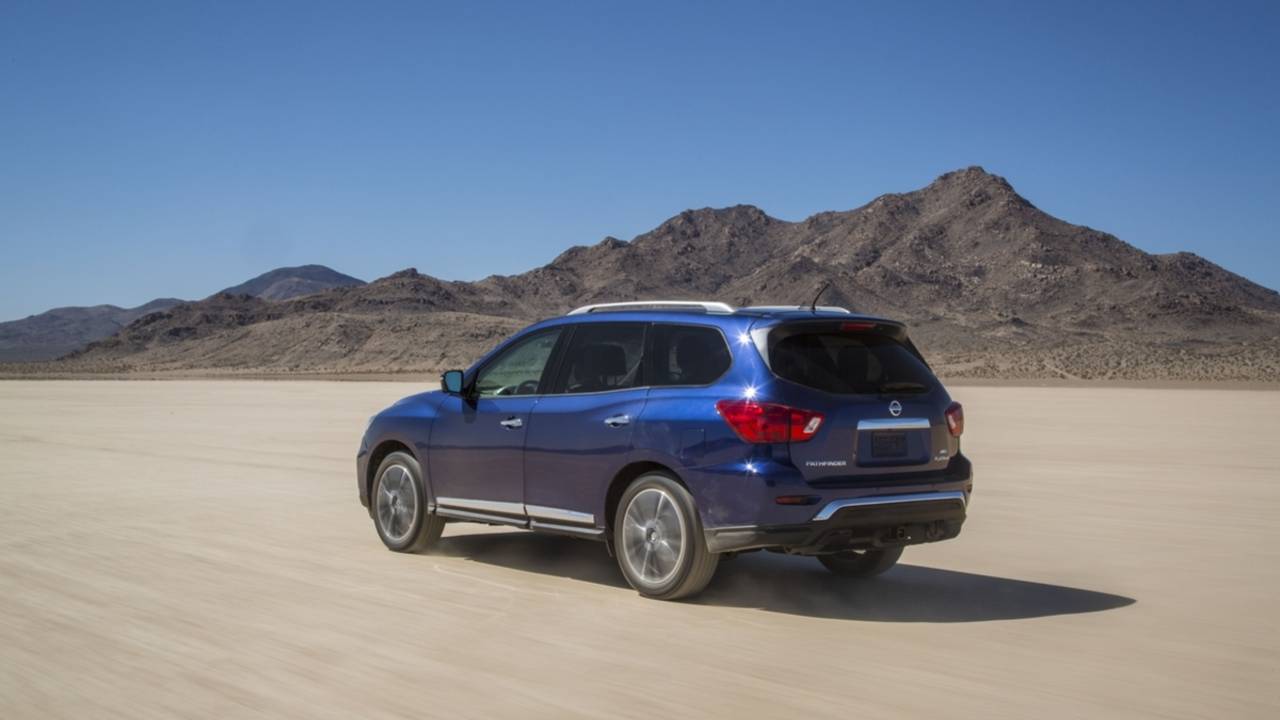
Technically, an SUV is truck-based, and a crossover is car-based. In practice? People use the terms interchangeably. That family hauler in the driveway? SUV, crossover—whatever. It parks the same.
Embrace the Imperfection

We don’t need to get overly fussy about these terms. What matters most is that we’re all speaking the same language and we know what we mean—and honestly, half the fun is arguing about the definitions anyway. The most interesting and engaging cars are typically those that defy categorization.
What’s your favorite car term that everyone uses just a little bit wrong? Or the funniest argument you’ve ever seen about one of these? Drop a comment—we’ll bring the popcorn.