Alright, here we go again, another car myth roundup. But this time, we’re not just recycling half-baked internet takes. We dug straight into the real discussions you see in forums, comment sections, and those “ask a mechanic” threads where myths live on for years.
These legends have stuck around far too long, so we’re here to break them down once and for all, with a good dose of humor along the way. Let’s dive in.
How We Sorted the Truth From the Trash
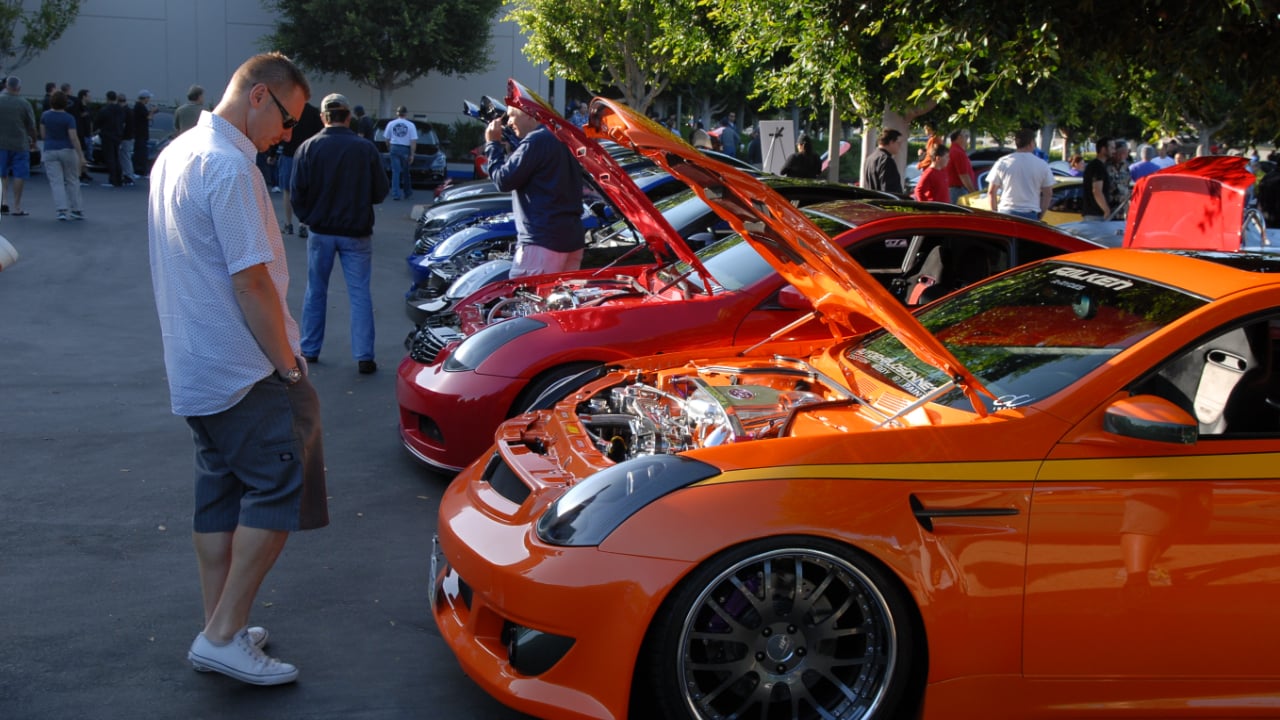
We didn’t just read another warmed-over AI listicle and call it a day. We sifted through a mountain of auto myth articles, some published by highly suspect websites with no regard for grammar or shame, and then cross-referenced them with old-school “ask a mechanic” forum threads to see what people actually believed.
Finally, we checked in on more recent discussions to see which myths still refuse to die. The result? Some of the most persistent, head-scratching, and downright hilarious car myths people were confused about five years ago — and are still confused about today. Buckle up.
The 90-Mpg Carburetor “Big Oil” Conspiracy

Legend says there was once a magic carburetor that could give any car 90 miles per gallon — until the oil companies bought the patent and buried it. Great campfire story, but physics says otherwise. Carburetors just aren’t that precise, period.
Even the best couldn’t defy the basic energy density of gasoline, nor overcome weight, drag, or rolling resistance. Fuel injection replaced carburetors because it meters fuel far more efficiently. If a simple bolt-on box truly delivered 90 mpg in a 4,000-pound car, you’d see it, not buried in some dusty vault.
The Water-Powered Car
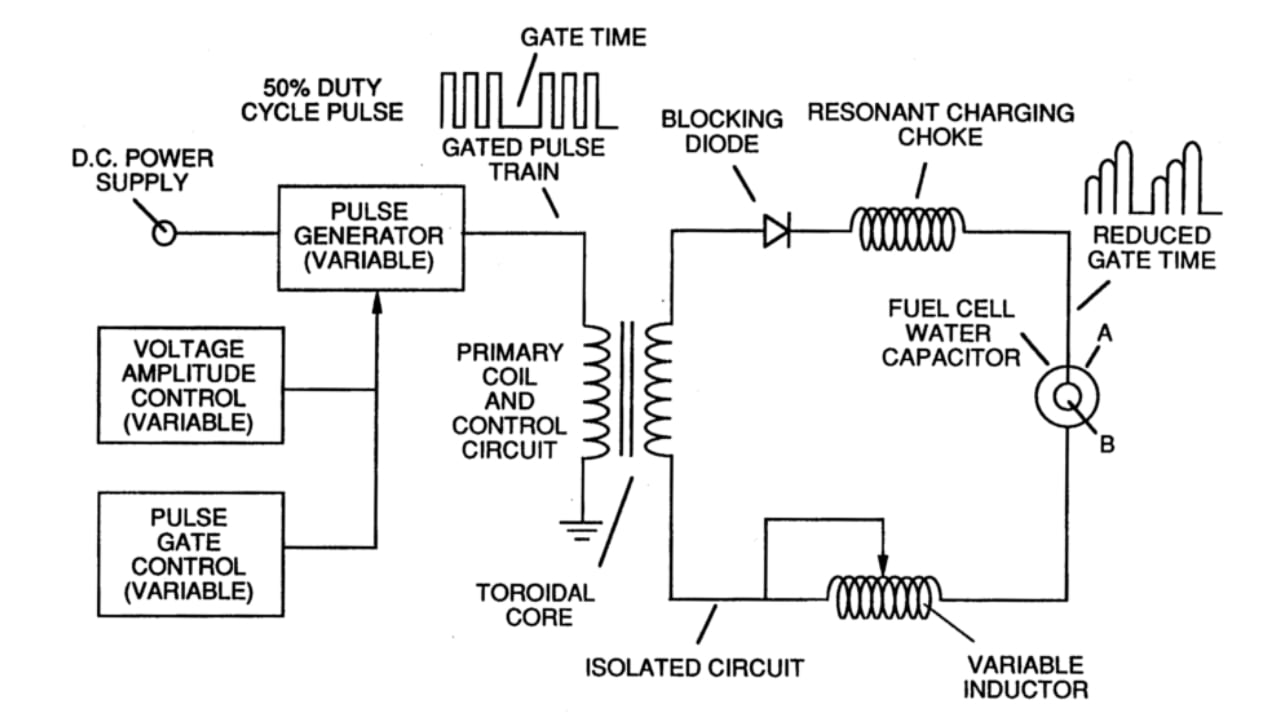
This is basically the cousin of the 90-mpg carburetor myth — a story that reappears every few years, inspired by Stanley Meyer’s famous “water-fueled” dune buggy. Meyer claimed he could split water on board into hydrogen and burn it, but courts later found no credible evidence, and he died soon after, adding fuel to conspiracy theories.
These days, you’ll still see AI-generated clickbait articles or YouTube videos claiming automakers are developing “water-powered cars.” Still, those are typically inaccurate representations of actual hydrogen-fuel-cell technology. Hydrogen fuel cells utilize hydrogen, but they don’t operate on plain water; you can’t simply pour tap water into your fuel tank.
Water is not a fuel — it’s already the end product of combustion. To separate water into hydrogen and oxygen takes more energy than you get back by burning that hydrogen, every time. That’s thermodynamics, no matter what a grainy 1980s news clip claims. A car running purely on water would break the laws of physics, and if someone really managed that, they’d be richer than every oil sheikh on earth.
Red Cars Are More Expensive To Insure

This one is a two-for-one myth. Some folks swear red cars cost more to insure, others claim they get more tickets. The truth? Insurance companies don’t really care what color you choose — they care about driver history, vehicle type, repair costs, and theft rates.
Statistically, red might stand out on the road, but there’s no consistent evidence that police automatically laser-lock a red Corvette versus a silver one. Besides, if red cars truly crushed your wallet, they wouldn’t be the most popular Corvette color around.
You know what actually keeps your rates low? Not driving like a jerk. Take your hot-dogging to a track day, on public roads, an extra five or ten miles per hour over the limit isn’t getting you to work any faster, but it does massively increase the risk to yourself and everyone around you.
AWD/4WD Helps You Stop Faster on Snow and Ice

This one sparks endless debate in car communities, but here’s the simple truth: AWD and 4WD systems are built to keep all four wheels moving, not to help them stop. They help you launch more confidently and maintain traction through slippery corners, but do almost nothing to shorten braking distance.
Some enthusiasts argue that lower gearing in 4WD low can help slow a vehicle, or that drivetrain drag might marginally reduce speed. However, these effects are tiny and easily outweighed by the extra mass of AWD or 4WD systems compared to their 2WD counterparts. In reality, braking depends on your tires, road conditions, and brakes, rather than the number of powered wheels.
To stop safely on ice or snow, high-quality winter tires, lower speeds, and a generous following distance are your best defenses. AWD might help you go when the weather is bad, but it is no miracle cure for stopping — and even if you could stop a hair faster, it won’t matter if everyone around you can’t. In winter driving, an ounce of prevention is worth far more than pounds of tech.
Modern Cars Require Too Much Maintenance
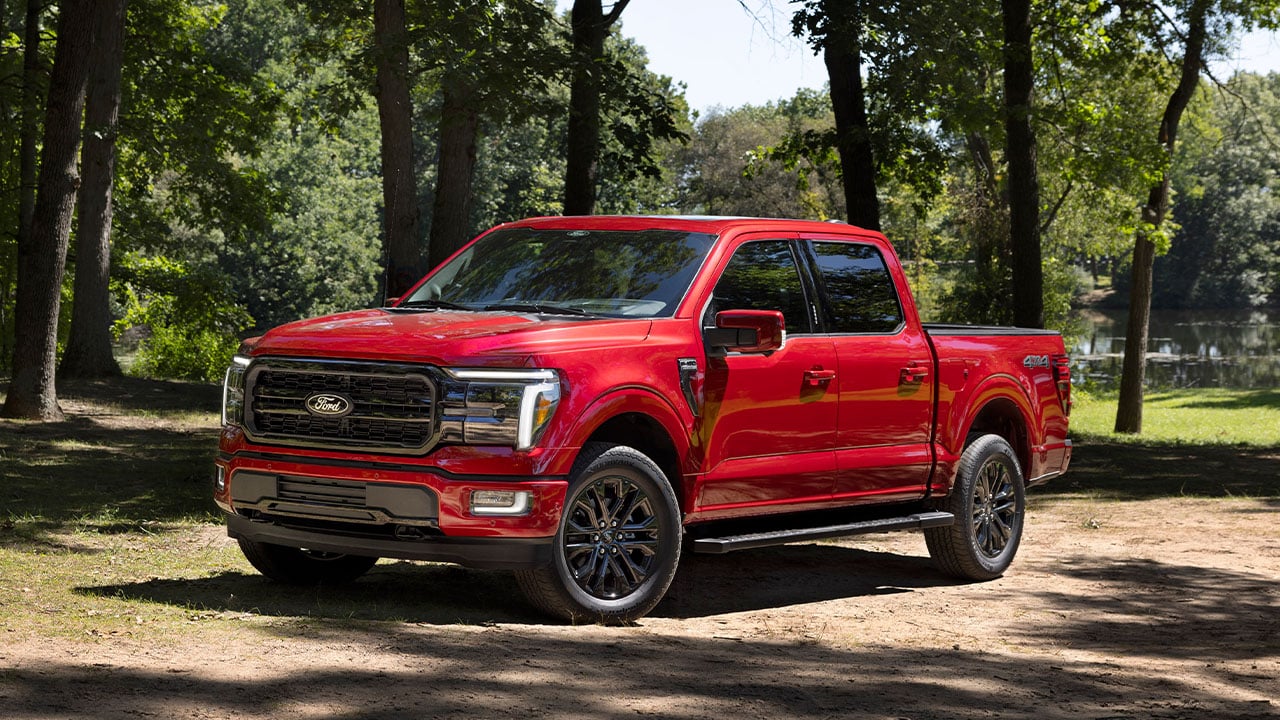
It’s easy to hear someone complain that modern cars are “too complicated” or “break too often,” but in reality, they need far less routine upkeep than older models ever did. Spark plugs now last 100,000 miles or more thanks to durable platinum and iridium tips, while synthetic oils can often go 7,500–10,000 miles between changes. Timing chains are typically engineered to last the life of the engine, provided you maintain reasonable oil-change intervals.
Yes, you’ll still need to replace brakes, tires, and wear items, but those are common wear-and-tear items that would need replacement on any vehicle. Some folks remember Grandpa’s old pickup running forever, but they forget it needed constant tune-ups, valve lash checks, ignition point adjustments, carburetor adjustments, and frequent oil changes. Today’s vehicles eliminate much of that work, saving time and money in the long run.
Plastic parts might feel “cheap” to some drivers, but they help reduce weight, improve safety, and resist corrosion better than steel in many cases. If anything, modern cars have made reliable, low-maintenance motoring easier than ever, as long as you don’t ignore the basics altogether.
Modern Cars Are Plastic Junk

Some people love to claim that modern cars are “flimsy plastic junk” compared to the classics, but the truth is they’re better in nearly every meaningful way. Today’s vehicles are far safer thanks to carefully engineered crumple zones, advanced airbags, and high-strength steel designed to manage crash energy. They’re also more reliable than the so-called “good old days,” with engines regularly lasting well past 200,000 miles if properly maintained — something rare for many older models.
More plastic is indeed used today, but that’s not automatically a negative. Plastics help save weight, resist corrosion, improve crash safety, and even reduce fuel consumption. Modern brake systems, electronic controls, fuel injection, and rust-proofing have made cars dramatically easier to own and maintain compared to the finicky carburetors and heavy iron of decades past.
While a 1980s Volvo might have shrugged off a fender-bender with barely a dent, you would have taken the full force of that impact. Modern cars are built to protect people, not just survive collisions, and that’s a tradeoff worth making.
Premium Gas Makes Every Car Run Better

High-octane fuel isn’t some magic performance booster; it simply resists knock in high-compression or turbocharged engines. If your car was engineered for 87 octane, putting 93 in the tank won’t give you extra horsepower, better mileage, or a “cleaner” burn. Modern engine computers are already optimized for the octane rating they were designed for and can’t advance timing enough to benefit from higher octane if it is not needed.
Plenty of drivers swear they “feel” a difference with premium, but that’s usually a placebo. Unless your owner’s manual specifically recommends higher octane, you’re just spending more money for no measurable gain.
You Have To Warm up Your Car for 10 Minutes
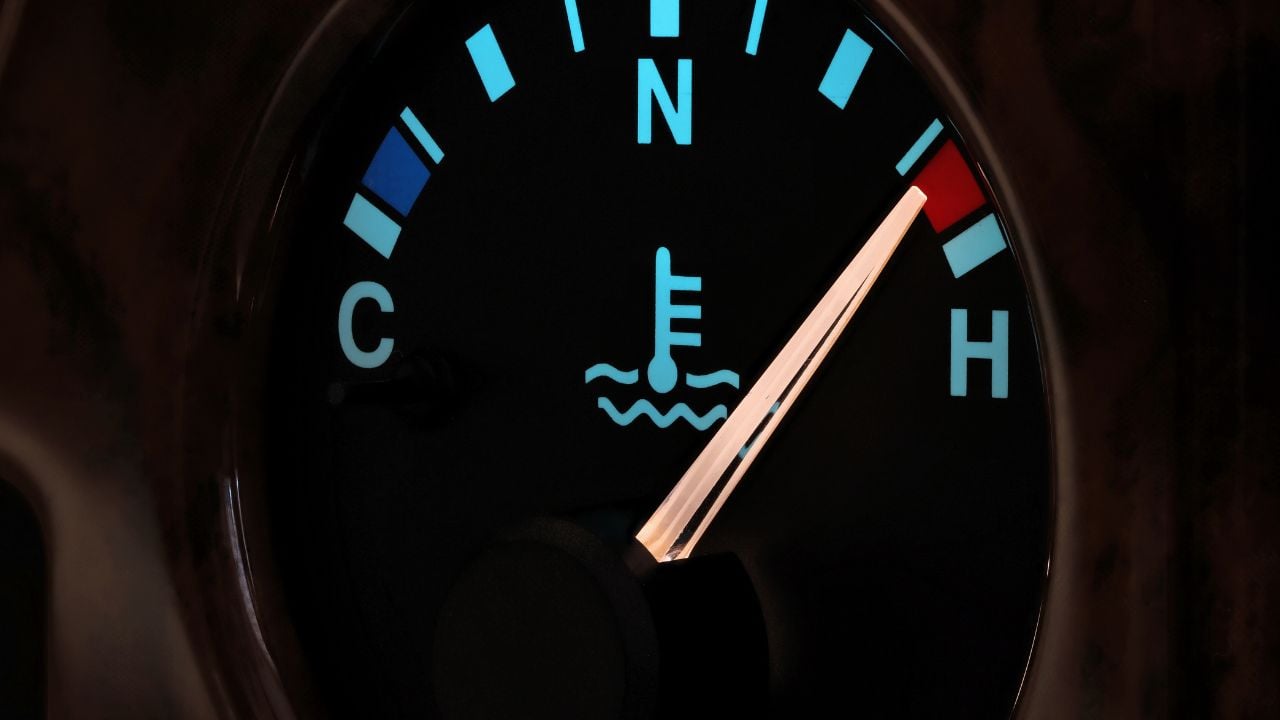
Modern engines warm up fastest and safest under light driving, not long idling. Once you start the engine, give it a few seconds for the oil to circulate, then gently drive away. Idling for 10 or 15 minutes wastes fuel, increases emissions, and can even foul spark plugs or cause carbon buildup.
Some drivers argue they need a warm cabin or to defrost in subzero conditions, which is fair — in truly extreme cold, a few minutes of idle time to clear the windshield makes sense. But for normal winter days, modern fuel injection and lubricants handle cold starts just fine. Short, gentle driving is the best way to warm up.
CVTs are Universally Garbage
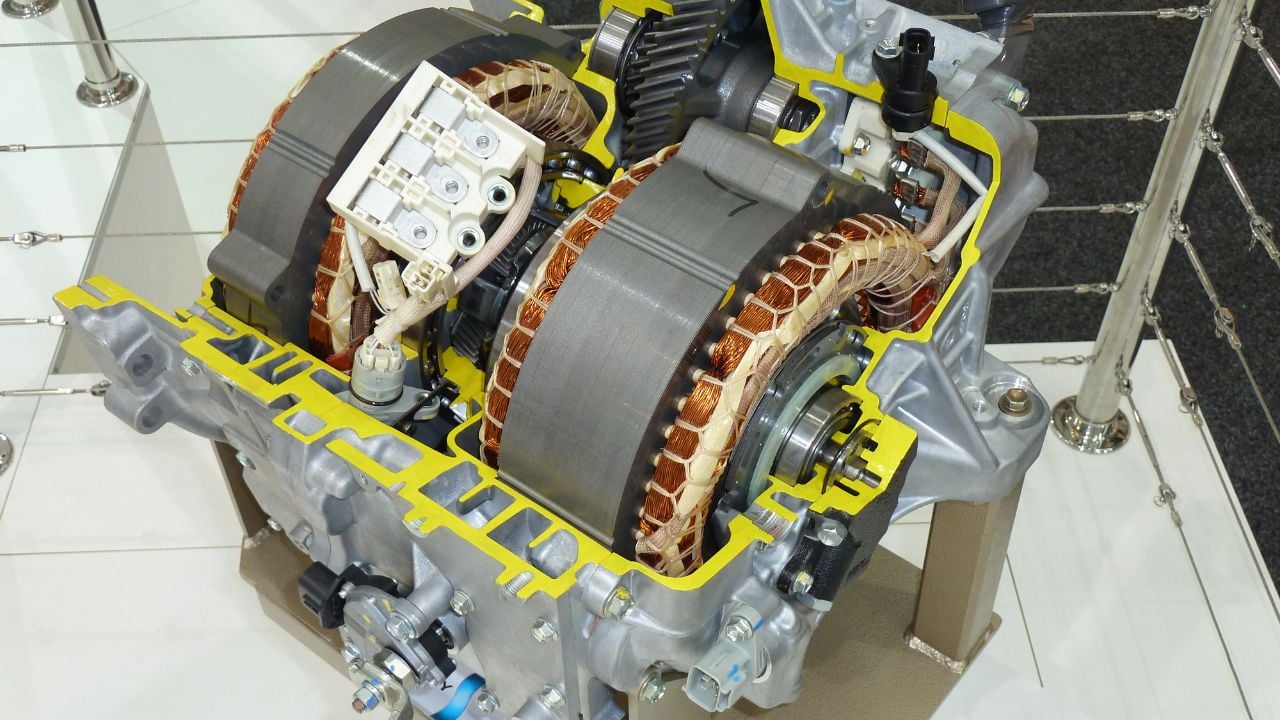
Okay, let’s be honest, busting this myth is tricky because none of us has exactly fallen in love with a CVT. That droning rubber-band feel? Not inspiring. But the hate they get is a little overblown.
Continuously variable transmissions are built to keep the engine in its most efficient power band, which makes them great for fuel economy and smoothness in day-to-day driving. They aren’t designed to thrill enthusiasts, and that’s fine, because most people just want a smooth, reliable commute.
Many CVT horror stories can be traced back to poorly designed early models (hello, Nissan) or owners skipping fluid changes and then blaming the transmission when it malfunctions. Modern, well-maintained CVTs from Toyota, Honda, or Subaru, for example, can easily match the lifespan of a regular automatic.
They’ll probably never win over enthusiasts, but for average daily use, a properly maintained CVT shouldn’t be any more problematic than any other transmission.
Diesels Are Always More Reliable

Okay, if the apocalypse comes, my pick is absolutely a mechanical 4BT with an Allison transmission, Dana 60 axles, and maybe a portal kit… sorry, got distracted. We love old diesels around here. They’re basically farm equipment with a title: tough, simple, and happy to run on the worst fuel you can find.
But modern diesels? That’s a different story. High-pressure common-rail injection, exhaust after-treatment systems, and diesel particulate filters all this technology makes them cleaner and more powerful, but also more complicated and fragile. Skip a maintenance item or crank up the power with a tuner, and you’ll be paying for it, fast.
Sure, diesels are still built stout, but today’s models can have just as many problems as modern gas engines. The reputation for bulletproof reliability belongs to those old, simple mechanical diesels, not the tech-heavy rigs rolling off dealer lots today.
American Cars Can’t Corner

Modern Corvettes, Camaros, and Mustangs handle incredibly well — we’re talking Nürburgring-tested, sports-car-baiting levels of grip. Sure, a 1970s land yacht might have cornered like a half-inflated waterbed, but that was then.
Today’s American performance cars benefit from world-class suspension design, advanced stability control, and serious tire technology. If you still think Detroit iron can’t turn, you probably haven’t driven anything built in the last 20 years.
German Cars Are Unreliable

German cars are best described as high-maintenance, not inherently unreliable. These vehicles are engineered to tight tolerances and packed with sophisticated tech, which means they demand diligent upkeep. Ignore maintenance schedules, and they’ll punish you with wallet-busting repairs — but stick to the book, and many German cars easily cross 200,000 miles.
They cost more to repair than simpler Japanese or domestic cars, sure, but that’s the price of complexity. It doesn’t make them “bad,” just demanding.
Change Your Oil Every 3,000 Miles
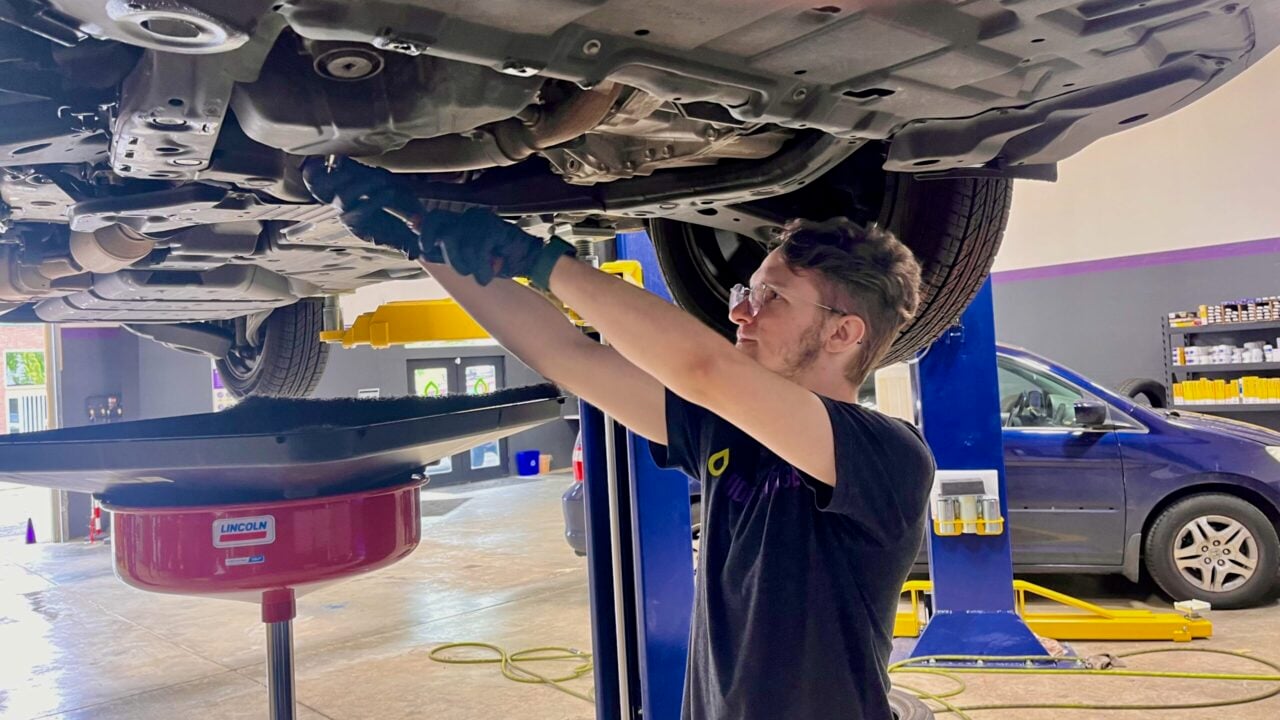
That advice is way outdated. Thanks to synthetic oils, improved filters, and tighter manufacturing tolerances, modern engines typically last 5,000–7,500 miles between oil changes, and some can safely go even further.
Quick-lube shops more often pushed the old 3,000-mile rule than by actual engineering. If you follow your owner’s manual, you’ll be fine and probably save a fair bit of money.
Big Cars Are Always Safer

This one shows up in nearly every AI-generated myth-busting list, making it practically a myth of a myth. Articles often cite lab crash tests favoring smaller cars or highlight the higher rollover risk of SUVs, then conclude, “big vehicles aren’t really safer.”
But let’s be honest: in real-world crashes, the numbers still favor larger, heavier vehicles. In multi-vehicle collisions, bigger vehicles generally absorb less crash energy and transfer less force to their occupants. Their ride height also helps protect against side impacts. While rollovers are a legitimate concern, they’re far less common than T-bone or head-on crashes caused by distracted drivers.
Homer Simpson put it best:
“Aw, you can come up with statistics to prove anything, Kent. Forty percent of all people know that.”
Sure, in a controlled crash test, a midsize sedan might ace the numbers, but out in the wild, where people run stop signs or text through intersections, we’d rather trust a modern, well-designed big vehicle with our loved ones.
“Lifetime” Transmission Fluid Means Never Changing It
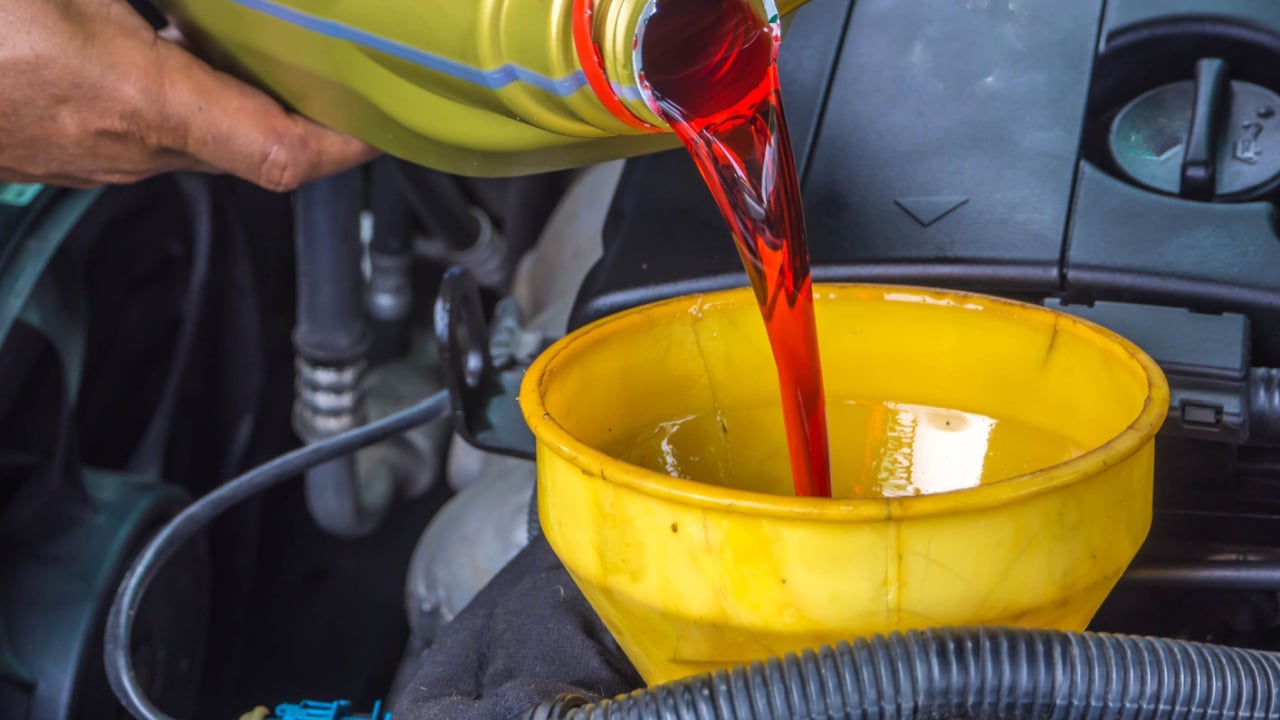
“Lifetime” typically refers to the warranty’s duration, not an indefinite period. Transmission fluid still breaks down over time due to heat, shear, and contamination. Automakers market it as lifetime partly to reduce perceived maintenance costs, but if you want your transmission to last beyond 100,000 miles, a fluid change every 30,000–60,000 miles is cheap insurance.
You’ll find plenty of horror stories from owners who trusted the lifetime claim and ended up with a lifetime of regret instead.
Changing Transmission Fluid Kills Transmissions

Mention a transmission fluid change in the comments, and you might as well be drawing a six-shooter — it’s fighting words. This myth is murky because many people ignore their transmission fluid until a problem arises. Then, desperate, they change or flush it, and the trans promptly dies. Naturally, they blame the fresh fluid, not the fact that they drove 150,000 miles on sludge.
This has ironically led some folks to avoid changing well-worn transmission fluid, thinking it somehow keeps their transmission alive longer. But all fluids break down, collect particles, and lose protective qualities. Gambling with old fluid won’t buy you more life; it’ll just shorten what little time your transmission has left.
If your transmission fails right after a fluid change, it was already on borrowed time. Regular service is the best prevention.
Best Tires Go on the Front of FWD Cars

Nope. The best tires should always go on the rear, even for front-wheel-drive cars. If the rear tires lose grip first, you risk a spin, and that’s far harder to control than front-end understeer. With worn rear tires, a front-heavy car can easily fishtail in the wet or snow, sending you sideways before you can react.
If the front tires let go, you can usually steer or slow down to recover — but if the rear steps out, you’re just a passenger. That’s why tire shops, engineers, and safety testers all agree: keep your best tires on the back, no matter which wheels drive the car.
You Need Back Pressure in the Exhaust
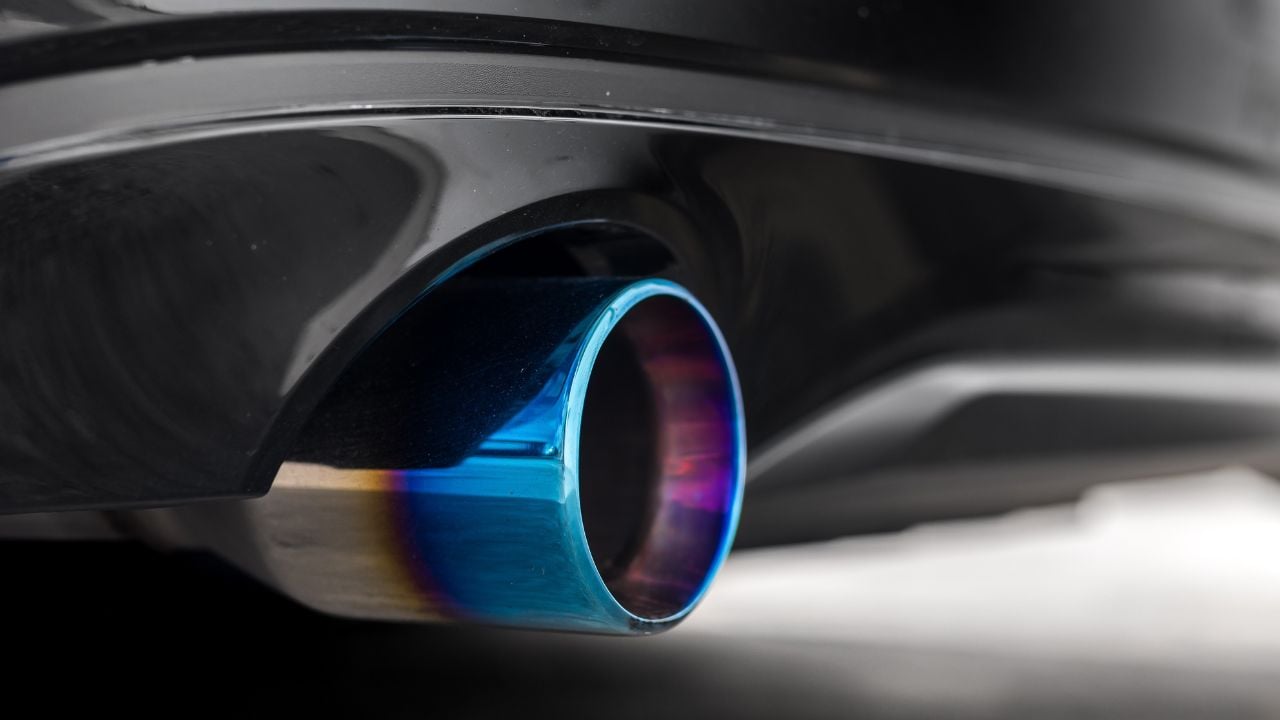
Not exactly. What really matters is proper exhaust scavenging — the controlled movement of gases that helps clear cylinders for the next intake charge. Back pressure is merely a side effect, not a goal to aim for.
A well-designed exhaust system balances pipe size, flow speed, and pulse timing to maintain good scavenging with minimal restriction. If you just chase “zero back pressure” with huge pipes, you can hurt performance. But no, engines don’t need back pressure; they need smartly tuned flow.
Additives Will Fix Mechanical Problems
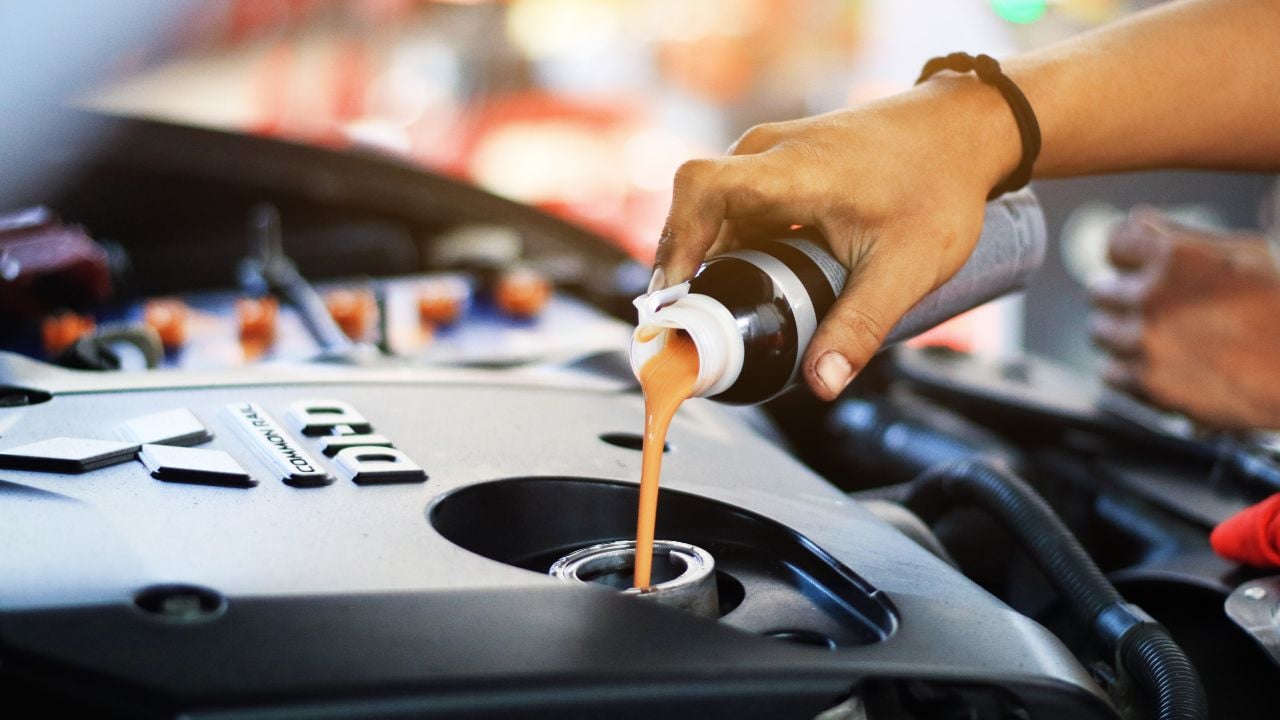
A $10 “miracle in a can” won’t rebuild worn piston rings, replace transmission clutches, or fix serious internal damage. Additives can sometimes clean deposits or condition seals, but they can’t reverse mechanical wear. If your engine or transmission is on its way out, a proper repair or rebuild is the only real fix, no matter what the label promises
You Don’t Need a Parking Brake in an Automatic

Yes, even with an automatic.
The parking brake helps keep the cables and linkages from seizing up and takes strain off the tiny steel park pawl inside your transmission, which was never designed to hold a two-ton vehicle on a slope alone. It’s cheap insurance, and building the habit now might save you a big repair bill later, no matter how modern your transmission is.
Old Tires With Good Tread Are Fine
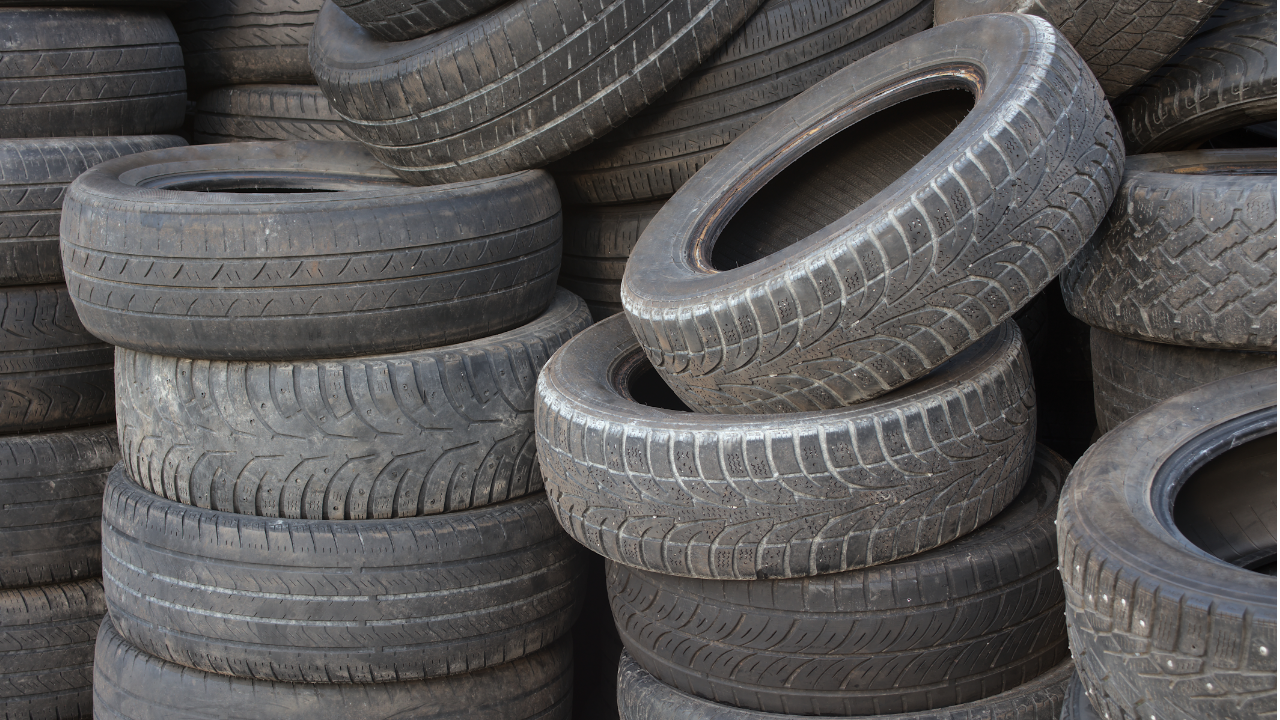
Even if those tires look perfect, the rubber can age, harden, and develop internal cracks that you can’t see. That means they lose grip and can fail suddenly. Always check the tire date code, and if they’re past their lifespan, replace them, regardless of how deep the tread appears. Your tires only keep you safe if the rubber still works.
Idling a Diesel To Cool the Turbo Is Essential
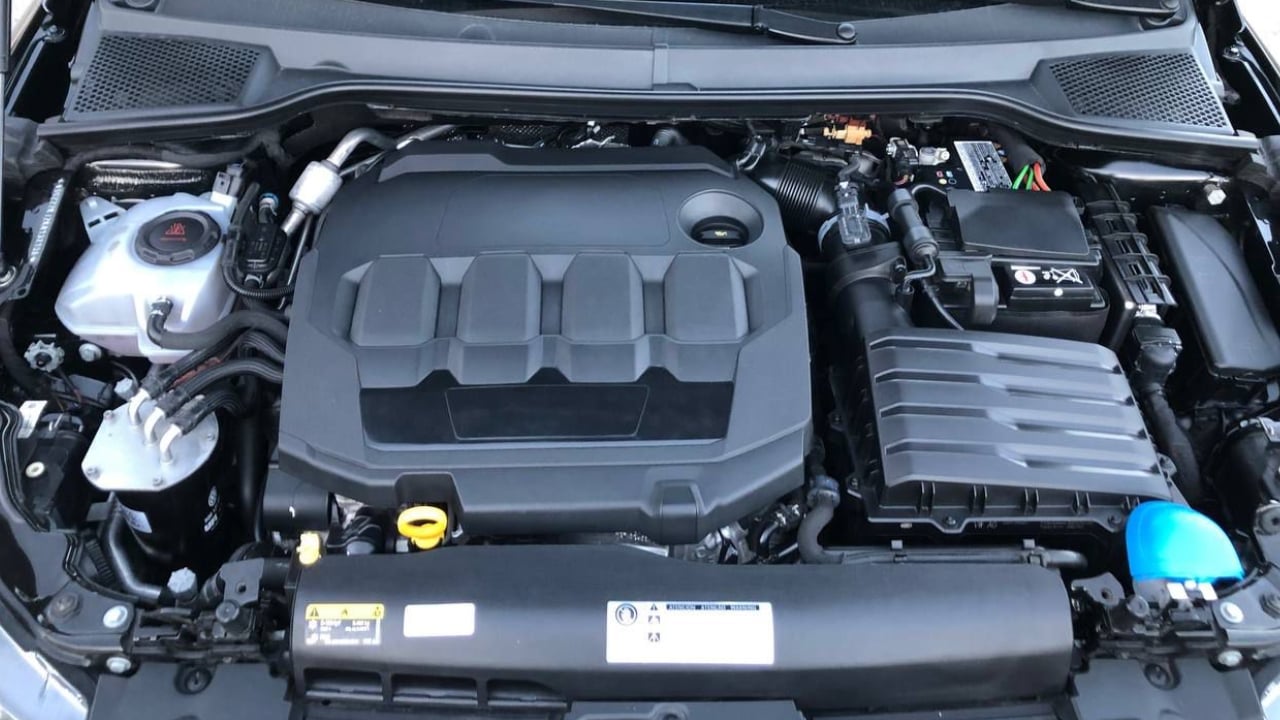
That was once true for old-school diesels with minimal turbo protection. Modern diesels, however, handle cooldown automatically with improved materials and more advanced programming. Unless you’re in severe conditions, extended idling just wastes fuel and can cause carbon buildup. Trust your owner’s manual; it was written with modern turbos in mind.
Pure Water in a Radiator Is Fine

Straight water might cool for a short while, but it’s a terrible long-term idea. Antifreeze protects against corrosion, raises the boiling point, and prevents freezing.
Skipping it means rust, overheating, or a cracked block. Always use the proper coolant mix — your engine depends on it.
AC Is Worse Than Open Windows

It depends. Yes, air conditioning uses engine power, but driving with the windows down at highway speeds creates aerodynamic drag that can actually cost you more fuel. Around town, windows down is fine — but on the interstate, AC might be the thriftier option after all.
You Can’t Mix Synthetic and Conventional Oil

Look, we’d never choose to mix them. We’re firm believers in running full synthetic oil in all our engines and changing it regularly, because we work our vehicles hard and pile on the miles – that’s the whole point of owning them.
However, if you’re in a pinch and have to top off with conventional oil, or even switch back and forth, it won’t be the end of the world. Unless, of course, the world actually ends — in that case, you’ll probably wish you’d put fresh synthetic in the truck before you bugged out.
Modern oils are designed to be compatible, so as long as you stick with the correct viscosity and quality ratings, mixing them won’t harm anything.
Pumping Brakes Beats ABS
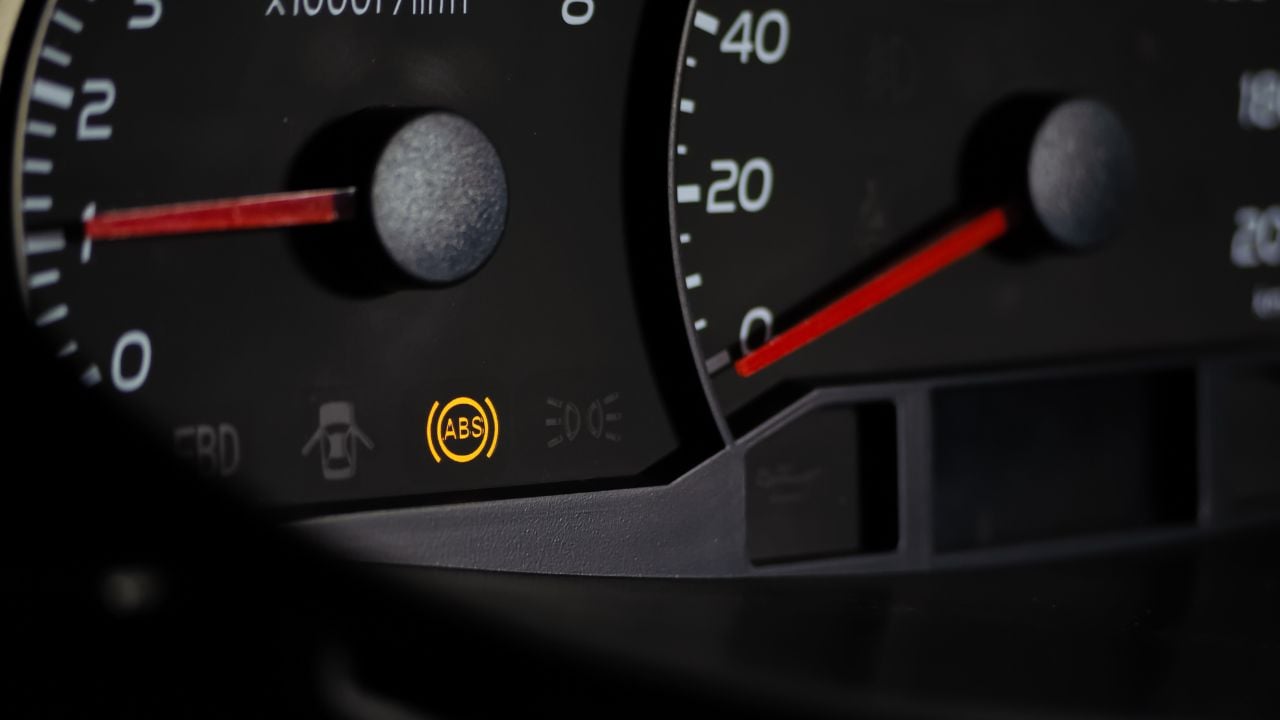
Maybe once upon a time. But today’s anti-lock braking systems pulse the brakes faster and more precisely than you ever could, letting you steer and brake at the same time. In certain conditions, such as deep snow, a skilled driver might still prefer manual modulation; however, for emergencies, ABS is vastly superior to old-school pumping.
Coasting Downhill in Neutral Saves Fuel

Nope. Modern fuel-injection systems actually shut off fuel during engine braking, so staying in gear uses less fuel than idling in neutral, while also maintaining engine braking to help you stay safe. Coasting in neutral might feel efficient, but it can increase brake wear and remove an important layer of control.
Tailgate Down Saves Truck Gas
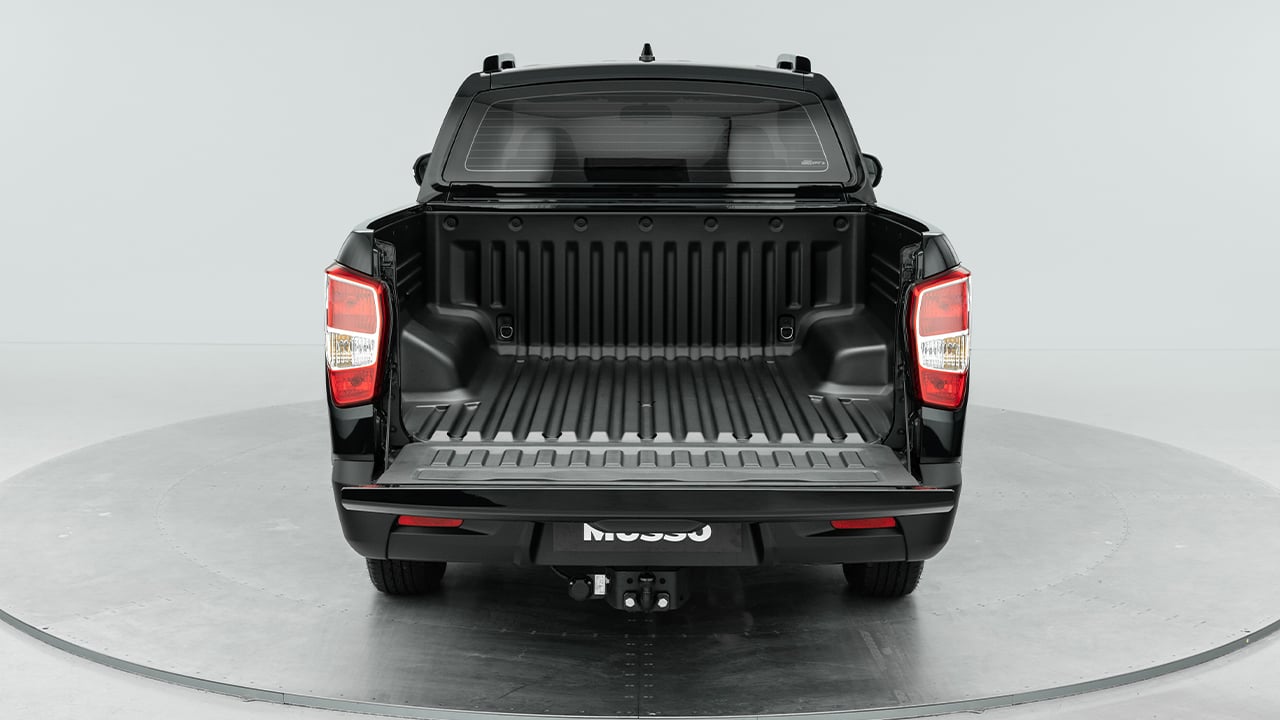
It seems logical, but in most cases, tailgate up is better. With the tailgate up, air forms a swirling bubble inside the bed, smoothing airflow over the truck. Dropping the tailgate wrecks that vortex and increases drag. If you care about highway mileage, leave it closed.
That’s a Wrap

So there you have it: 29 of the most stubborn car myths finally put in their place. Whether these half-truths spread through comment-section arguments, group chats, or a random “I heard once…” at the coffee shop, they deserve to be parked for good. Cars are complicated, but understanding them doesn’t have to be.
Stick to the science, trust actual engineering, and double-check the owner’s manual before believing the next tall tale you see online. Now, go enjoy your car. If someone tries to sell you a water-powered Civic, politely suggest they brush up on thermodynamics first.