
The truck market has exploded over the past decade, with pickups accounting for three of the five best-selling vehicles in America. While traditional players like Ford, Chevrolet, and Ram dominate the segment, some automakers have stayed firmly in their lane, focusing on sedans, SUVs, and sports cars.
Yet as we watch brands like Hyundai enter the pickup game with the Santa Cruz and even Rivian shake things up with electric offerings, it’s hard not to wonder what some of our favorite truck-less brands could bring to the table. These companies have the engineering expertise, the brand loyalty, and the manufacturing capability, so why not a truck?
Let’s explore the manufacturers we’d love to see take a swing at America’s favorite vehicle segment.
Porsche

Hear us out on this one: Porsche has already proven it can build compelling SUVs with the Cayenne and Macan, so why not a truck? The Stuttgart brand has a history of surprising everyone, from the controversial introduction of the Cayenne in 2002 to developing hybrid technology.
A Porsche truck would likely be positioned as a luxury performance vehicle rather than a work truck, similar to how the Cayenne redefined what a performance SUV could be. Imagine the bed space for your track day gear, Porsche’s legendary handling, and enough towing capacity to haul your vintage 911 to shows.
It sounds wild, but remember that people said the same thing about a Porsche SUV, and the Cayenne became one of the brand’s best-selling and most profitable models.
BMW

BMW has built just about everything else — sedans, coupes, SUVs, sports cars, even a supercar — but never a pickup truck. The German luxury brand has shown it’s not afraid to experiment, from the quirky i3 electric car to the imposing X7 three-row SUV.
A BMW truck could tap into the growing luxury truck market where buyers are already spending $70,000 or more on high-end Ram, F-150, and Silverado trims. With BMW’s reputation for driving dynamics, a truck with the brand’s signature 50/50 weight distribution and precision steering could change what people expect from the segment.
The M division could even get involved, creating a performance truck that would make even the Ford Raptor take notice.
Alfa Romeo

Alfa Romeo is known for gorgeous designs and passionate driving experiences, not exactly qualities associated with pickups, but that’s precisely what makes this idea intriguing. The Italian brand has always done things differently, and a truck from Alfa would likely prioritize style and emotion over pure utility.
Picture a midsize truck with Alfa’s distinctive styling cues, that intoxicating exhaust note, and just enough bed space for weekend getaways and Home Depot runs. It wouldn’t be for contractors or ranchers, but for the buyers who want their vehicle to stir something inside them every time they walk up to it.
In a segment where many trucks are starting to look alike, an Alfa Romeo pickup would certainly stand out in any parking lot.
Mazda

Mazda gave us the beloved B-Series pickup until 2009, but that was essentially a rebadged Ford Ranger, so it doesn’t quite count as a true Mazda creation.
What makes the thought of a modern Mazda truck so appealing is the brand’s “Jinba Ittai” philosophy of driver-machine unity that makes even their CX-5 crossover feel engaging. Imagine that same attention to handling dynamics and premium interior quality applied to a midsize pickup. With the truck market increasingly attracting buyers who want refinement alongside capability, a Mazda truck could carve out a unique niche for enthusiasts who actually want to enjoy the drive to the job site.
Given Mazda’s recent upmarket push and their knack for making practical vehicles feel special, the timing has never been better.
Audi

Audi is no stranger to over-the-top concepts, like its massive Activesphere monstrosity. However, they’ve never revealed any type of truck.
The brand’s Quattro all-wheel-drive system is legendary, and their expertise in building premium vehicles with cutting-edge technology seems like a natural fit for the luxury truck segment. An Audi truck could offer the sophistication and tech-forward cabins the brand is known for while providing genuine capability for buyers who want versatility.
With the electric truck market heating up, an e-tron pickup could give Rivian and the electric F-150 Lightning some serious competition. Audi has the resources, the technology, and the brand cachet to make it work if they commit.
Volvo

Volvo stopped making trucks for the U.S. consumer market decades ago, focusing instead on their commercial truck division and their core passenger car lineup. But today’s Volvo is all about Scandinavian design, safety innovation, and increasingly, electrification — all things that could translate beautifully to a pickup. Imagine a truck with Volvo’s minimalist, premium interior, packed with the latest safety technology and available as a plug-in hybrid or full EV.
The brand’s reputation for durability and longevity would appeal to truck buyers who plan to keep their vehicles for years. A Volvo truck could attract buyers who want capability without the aggressive styling that dominates the current market, offering something refreshingly different.
Lamborghini

This might seem like the wildest suggestion yet, but Lamborghini has never been about playing it safe. The brand’s LM002 from the 1980s showed they could build an off-road vehicle, and it’s become one of the most collectible SUVs ever made.
A modern Lamborghini truck would be pure excess and theatre, with a naturally aspirated V10 or V12, dramatic styling, and performance that defies logic. It would cost a fortune, be utterly impractical for actual work, and sell out immediately because some buyers just want the most outrageous vehicle possible.
In an automotive landscape where even supercars are moving toward hybridization and practicality, a Lamborghini truck would be the ultimate rebellion against sensibility, and we’d love to see it.
Jaguar
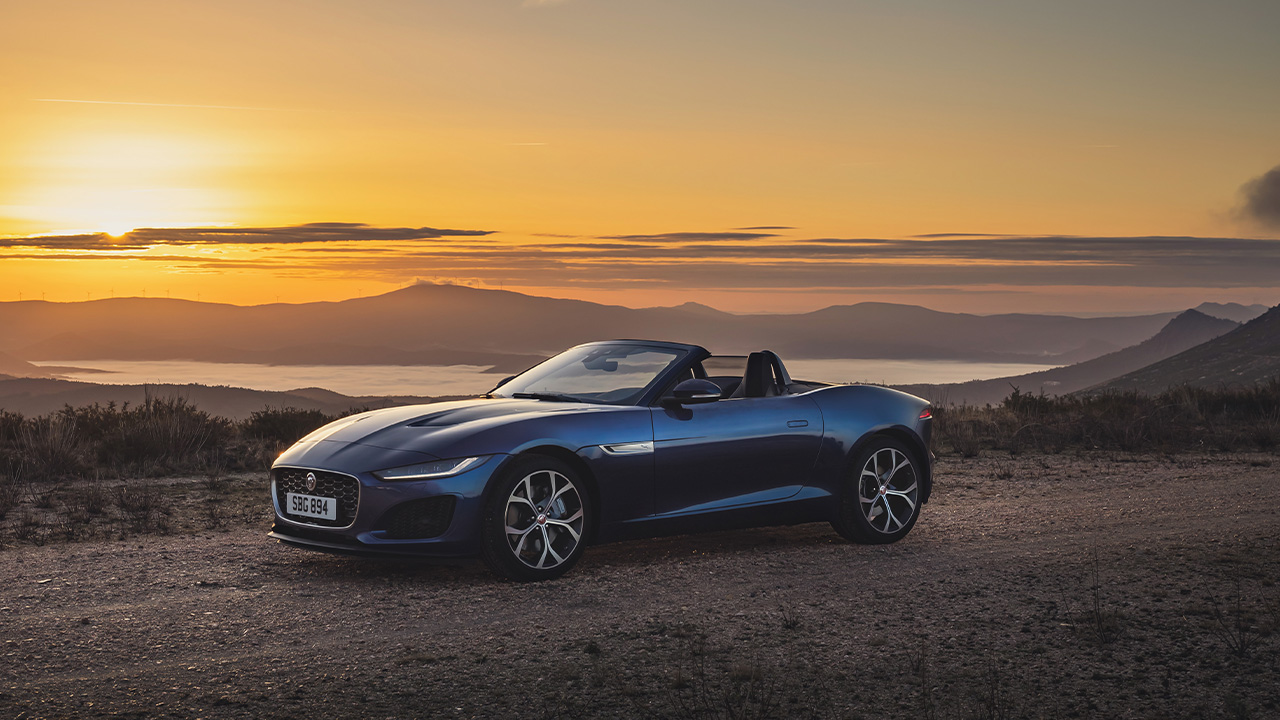
Jaguar has luxury credentials, British heritage, and a growing lineup of SUVs, but they’ve never ventured into truck territory. The brand is in the midst of a transformation, moving toward becoming an all-electric luxury marque, which could be the perfect time to try something bold.
An electric Jaguar truck could combine Range Rover’s off-road capability with Jaguar’s performance DNA and sleek design language. The luxury truck market has proven there’s demand for premium pickups, and Jaguar needs to differentiate itself in an increasingly crowded luxury EV space.
A truck could give the brand the attention and market presence it’s been seeking, especially if it offered something genuinely different from American luxury trucks.
Ferrari

Let’s be clear: Ferrari will almost certainly never build a truck, and that’s probably for the best. But the mere thought experiment is fascinating because Ferrari has expanded its lineup in recent years with the Purosangue SUV, breaking one of its own long-standing rules.
A Ferrari truck would be completely impractical, impossibly expensive, and entirely focused on performance over utility, but it would generate more buzz than almost any vehicle announcement imaginable. The engineering challenge of building a truck with Ferrari’s performance standards and mid-engine layout would be immense, possibly even impossible.
Still, in a world where Ferrari now builds an SUV and Lamborghini is considering more “practical” models, never say never when it comes to what these Italian brands might do next.
Subaru

Subaru built the quirky Baja from 2003 to 2006, and while it developed a cult following, it was more of a lifestyle vehicle than a true truck. What’s interesting is that Subaru’s core strengths — all-wheel drive, rugged capability, and outdoorsy credibility — align perfectly with what modern truck buyers want.
The brand has a fiercely loyal customer base that already uses Outbacks and Foresters for adventures that many people would consider truck territory. A Subaru truck with boxer-engine reliability, genuine off-road chops, and that characteristic Subaru practicality could attract buyers who find traditional trucks too large or too aggressive.
Plus, in an era where compact and midsize trucks are seeing renewed interest, Subaru’s expertise in that size range could be a perfect match.
Maserati

Maserati is Stellantis’s Italian luxury brand, and with corporate siblings like Ram already dominating the truck world, the resources are certainly there. What would make a Maserati truck interesting is the brand’s GT character — these are cars built for eating up highway miles in style and comfort rather than carving canyons. A Maserati truck could be the ultimate long-distance hauler, with sumptuous interiors, a glorious-sounding engine, and enough capability for weekend adventures.
The brand is trying to find its footing in the modern luxury market, and a unique offering like a truck could help differentiate it from German rivals. With Ram already building increasingly luxurious trucks, adapting one of those platforms with Italian flair and Maserati’s trademark trident could be easier than you’d think.
Conclusion

The truck market continues to evolve beyond its traditional work-vehicle roots, with buyers increasingly treating pickups as lifestyle vehicles, daily drivers, and status symbols. This shift has created space for brands that have never built trucks to potentially succeed with the right approach, whether that’s emphasizing luxury, performance, efficiency, or design.
While some of these ideas might seem far-fetched, the automotive industry has surprised us before—few predicted the luxury SUV boom or that electric trucks would become viable so quickly. Whether any of these manufacturers actually takes the plunge remains to be seen, but the thought of what they could bring to the segment is undeniably exciting.
After all, competition breeds innovation, and the truck market could certainly benefit from some fresh perspectives and approaches.