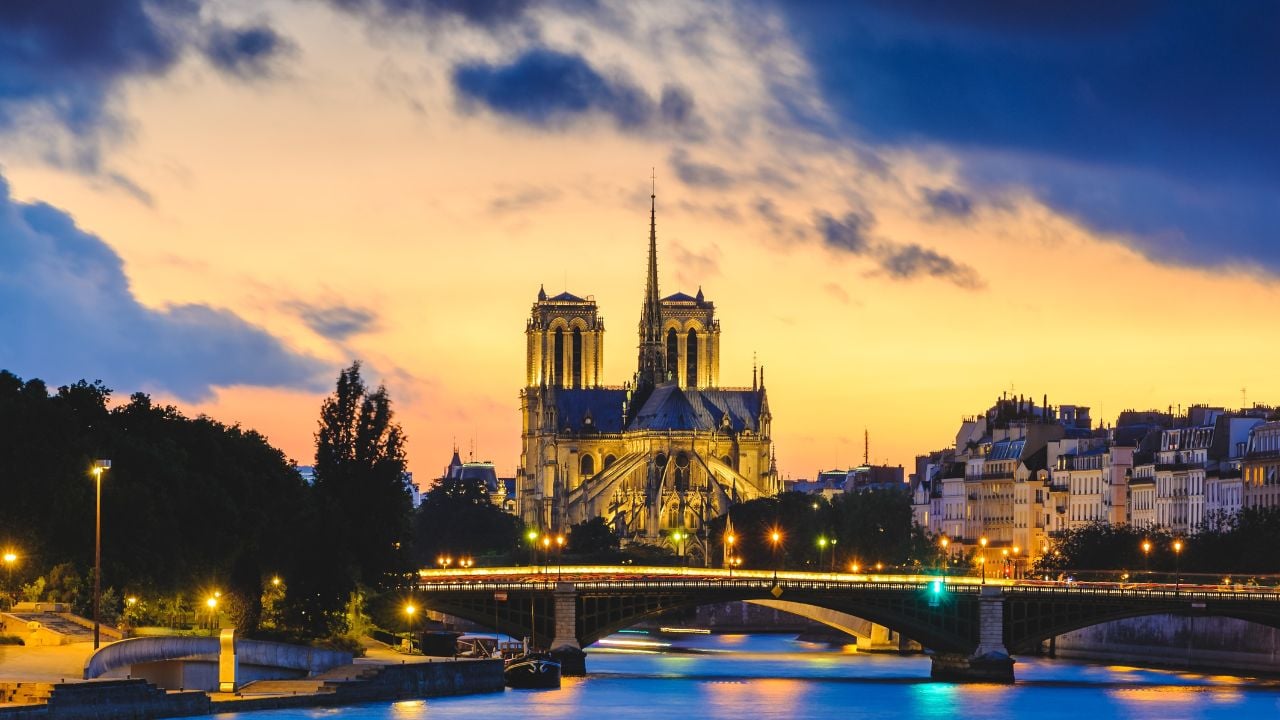
Paris is one of those cities that punishes lazy planning. You can absolutely wander into something beautiful by accident, but the trip becomes much richer when you know which experiences truly deserve your time. The official Paris tourist office still builds a huge part of its visitor offering around the classics for a reason. The Eiffel Tower, major museums, Seine cruises, and neighborhood walks remain some of the city’s best first-timer experiences.
What makes Paris so addictive is its rhythm. One hour brings a grand monument. The next gives you a quiet square, a warm pastry, or a bridge view that suddenly makes the whole trip click. A good visit is not about racing through a checklist. It is about mixing headline sights with slower moments that let the city feel elegant, lived-in, and unforgettable.
1. See the Eiffel Tower in More Than One Mood
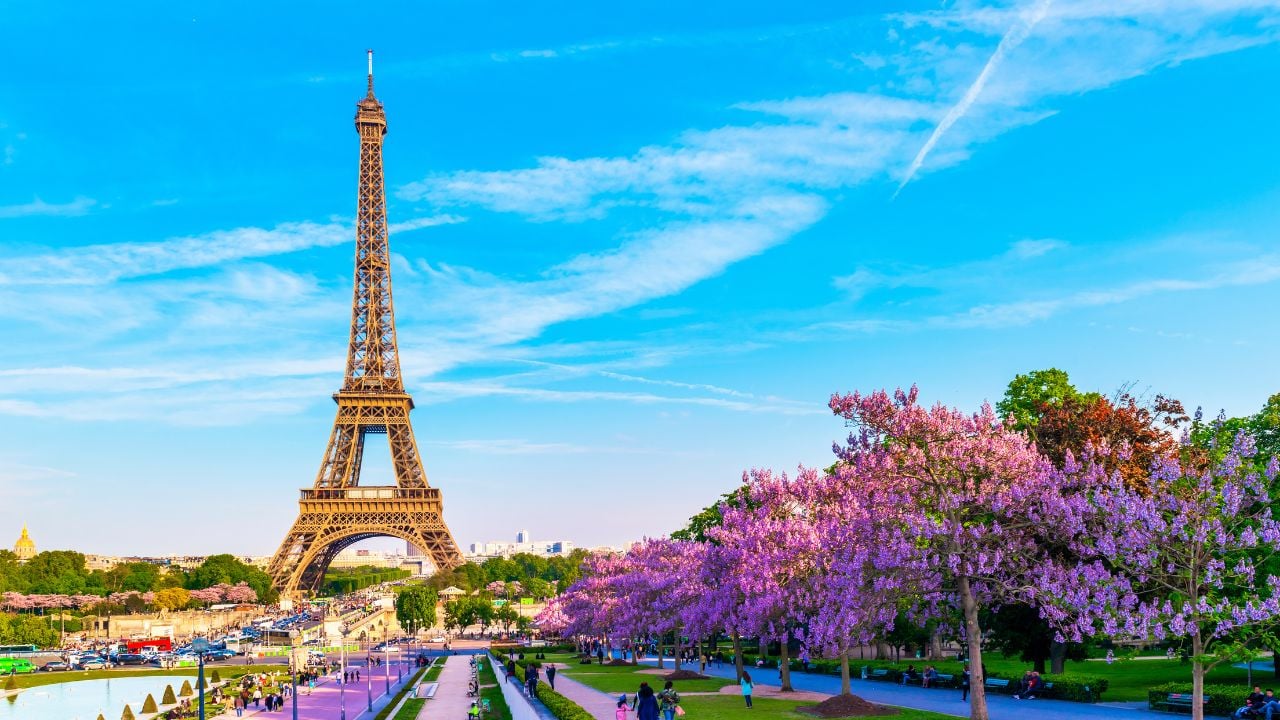
The Eiffel Tower deserves better than a rushed photo and a quick exit. Its official site recommends both daytime and nighttime visits because they feel completely different, and that is the smartest way to approach it. In daylight, the ironwork looks sharper and more architectural. After dark, the whole structure feels theatrical.
It also helps to plan ahead instead of improvising at the last second. Hours and summit access can vary depending on conditions, so a little preparation goes a long way. The best way to experience the tower is to treat it like a recurring character rather than a one-time stop. See it first from Trocadéro for the dramatic reveal, then catch it again from the Seine or from a random avenue where it suddenly rises above the rooftops. Paris’s tourist office still packages Eiffel Tower visits as one of the city’s central must-book experiences, which says a lot about how strongly it still defines a first trip.
2. Give the Louvre a Real Block of Time, Not a Hurried Hour
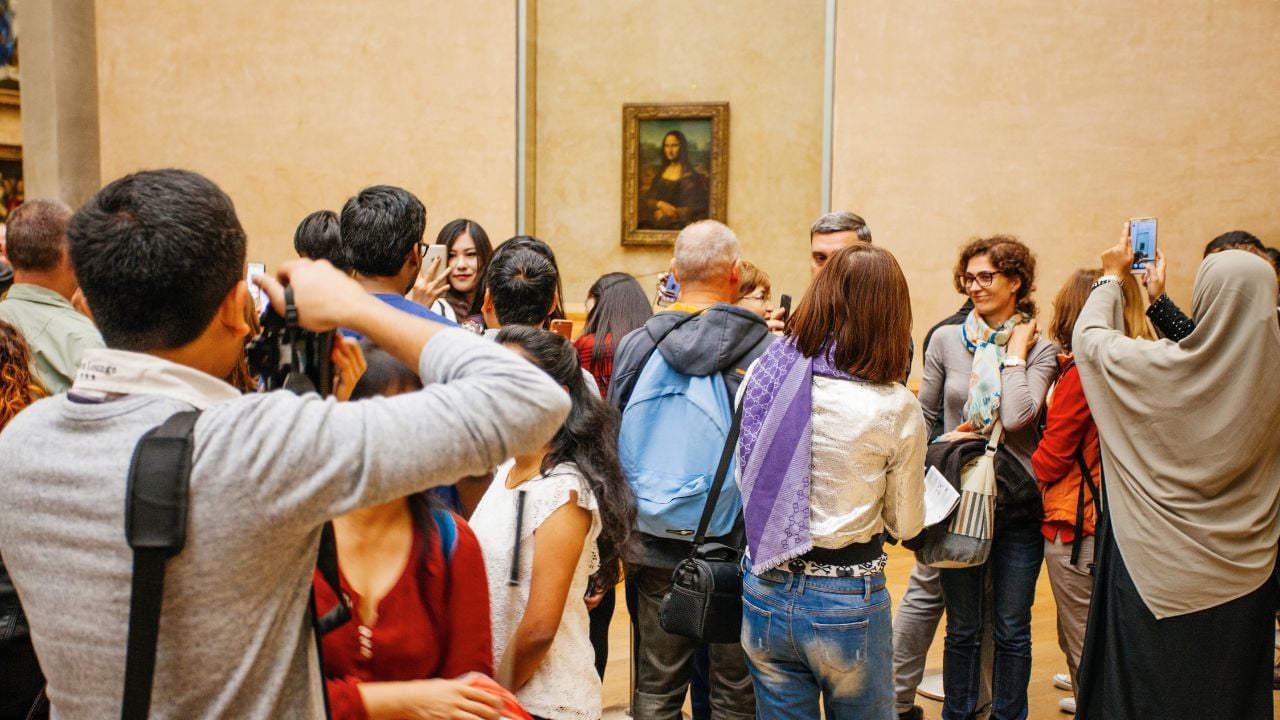
The Louvre is not the kind of place you can see properly in a quick stop. The museum’s official site emphasizes preparing your visit, and its current visitor information makes clear just how much ground there is to cover. The Louvre is not simply a room with famous paintings. It is a sprawling palace museum where the mood shifts from gallery to gallery.
The visit gets much better the moment you stop trying to conquer all of it. A smarter approach is to choose a few anchor works, then leave room for surprise. The museum’s own highlights still point visitors toward the Mona Lisa and Winged Victory, but some of the best moments happen in quieter rooms where the crowds thin out and the scale of the place finally sinks in. It also helps that the Louvre has cafés and rest areas in the palace and gardens. That makes a long visit feel manageable instead of exhausting. Paris is full of masterpieces, but nowhere else presents them with this much grandeur.
3. Spend a Slow Afternoon Climbing Through Montmartre
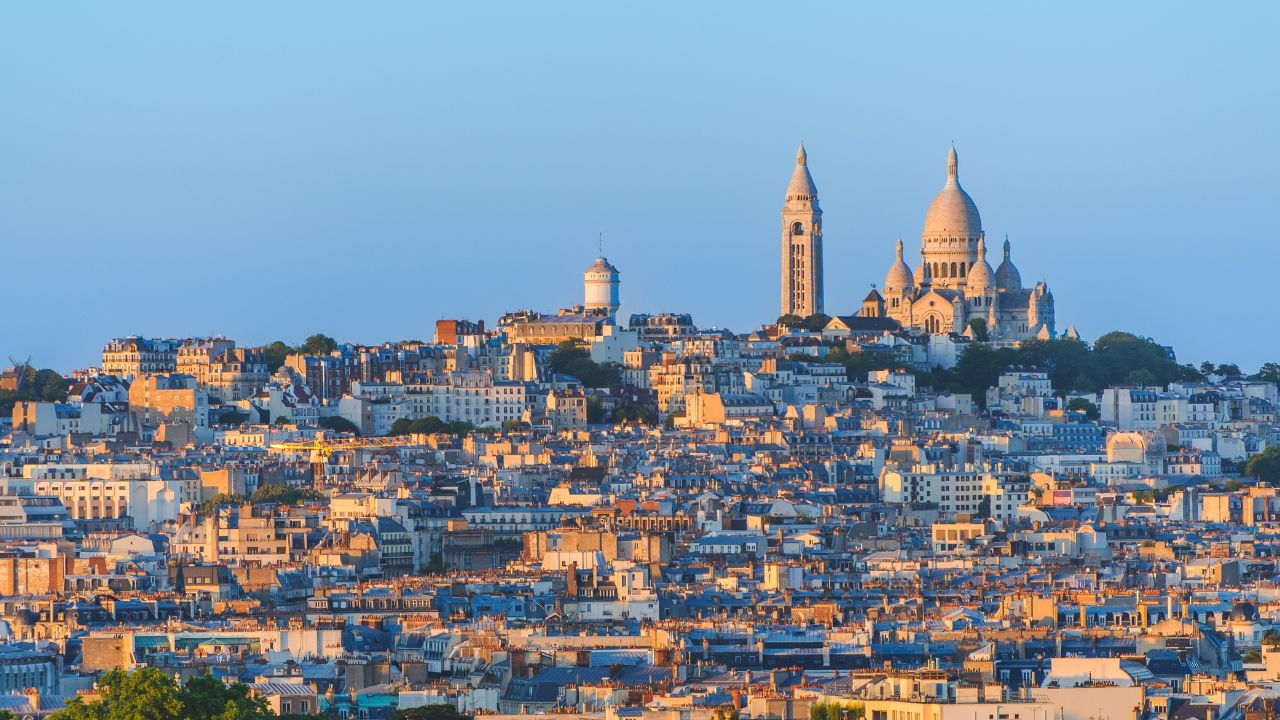
Montmartre is where Paris stops trying to impress you and simply charms you into staying longer. At the top sits Sacré-Cœur, one of the city’s most emblematic monuments, and Paris’s tourist office notes that the hill rises to about 130 meters and offers one of the finest panoramic views in the capital. That sense of height changes the mood completely. You make your way up through streets that still feel cinematic, and then suddenly the city opens beneath you.
The best way to experience Montmartre is slowly and with a little room for wandering. The basilica is open every day from morning until late evening, so you can choose a quieter time and avoid the rushed midday crush. Around it, the real appeal is not only the white domes or the view. It is the pleasure of lingering on side streets, noticing staircases, peeking into small shops, and letting the district’s old artistic personality shape the afternoon.
4. Take a Seine Cruise When the Light Starts To Soften
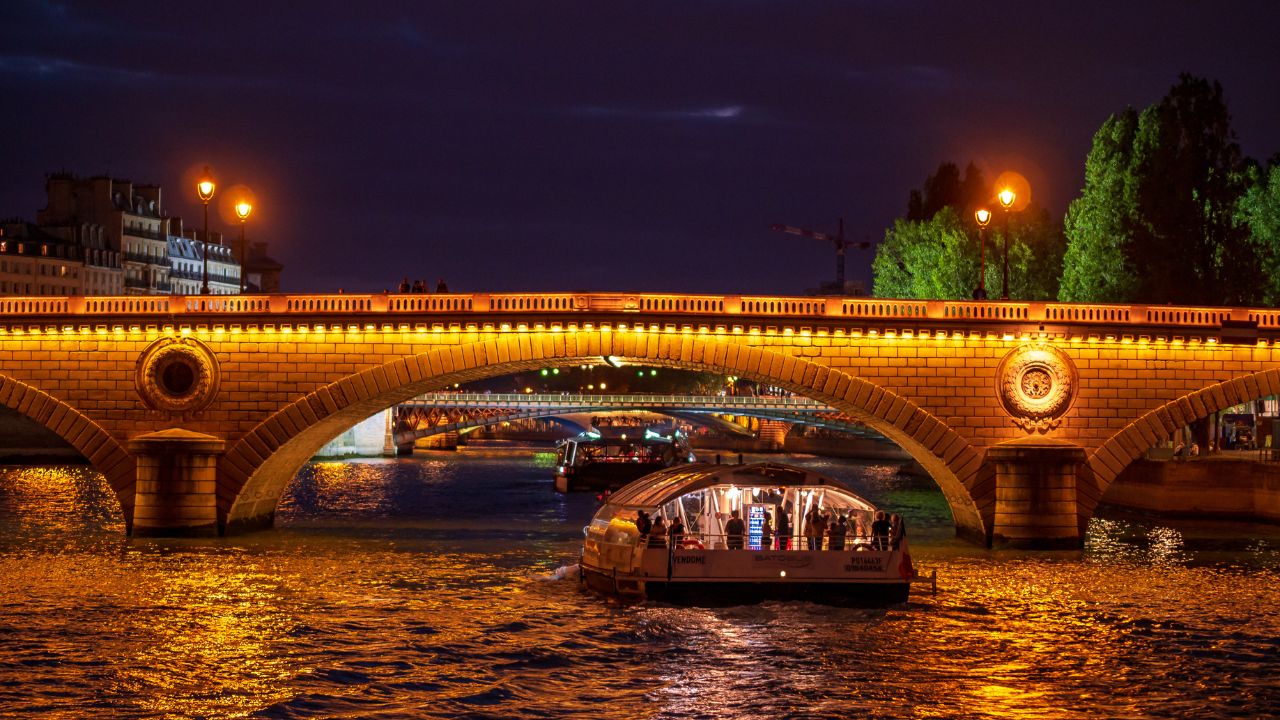
A Seine cruise sounds obvious until you actually do it and realize how much of Paris is meant to be admired from the water. The official Paris tourist office still places river cruises among the city’s core bookable experiences, right alongside museums and monuments. That makes sense because the Seine pulls the city together visually. Bridges, façades, domes, and embankments begin to read as one continuous scene instead of separate stops on a map.
The prettiest time is usually later in the day, when the light turns warm and the buildings begin to soften. From the river, Paris looks less hectic and more composed, as if it has settled into its most flattering angle. A cruise also gives your feet a break, which matters in a city where long walking days happen naturally. After hours of museums and neighborhoods, floating past the city feels wonderfully indulgent.
5. Build Time for Cafés, Pastries, and Long, Unhurried Pauses
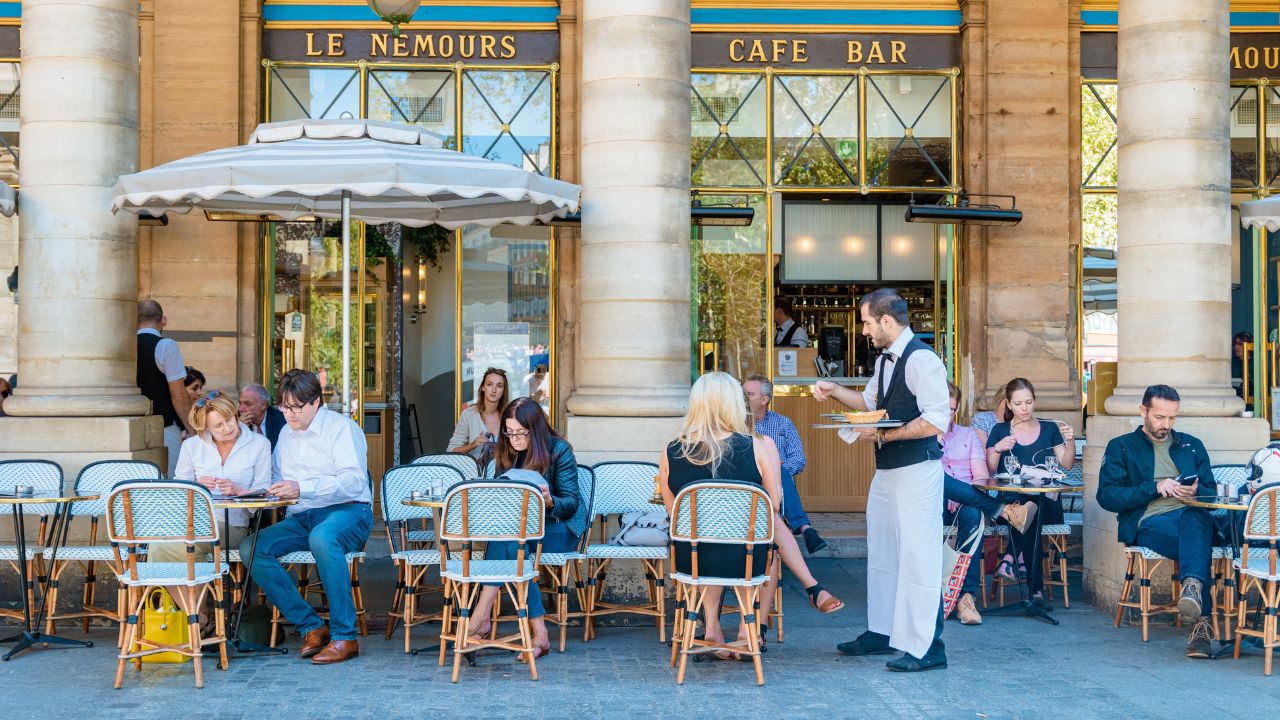
Paris falls apart as an idea if you reduce it to monuments alone. Part of the city’s pleasure lies in stopping before you are completely tired, ordering something simple, and watching the street carry on around you. Even the Louvre, which could easily focus only on art, makes space in its visitor planning for restaurants and cafés in the palace and gardens. That detail captures something essential about Paris. Breaks are part of the experience, not a distraction from it.
So leave room for the small rituals. Grab a pastry in the morning, claim a café table when your legs start complaining, and let lunch stretch beyond whatever timetable you thought you had. Paris’s official tourism materials constantly package walks, museums, shopping, and food into the same city experience because that is how the place is actually enjoyed. The most memorable version of Paris is rarely the one where you saw the most. It is the one where you had time to savor it.