
Ottawa has taken a significant step in its unraveling relationship with two of North America’s largest automakers.
On Tuesday Canada formally signaled its intention to recover hundreds of millions of dollars from Stellantis and General Motors after both companies scaled back production in the country despite receiving substantial federal funding.
The announcement marks a more assertive Canadian industrial policy that is likely to escalate tensions with Detroit’s established auto players.
Industry Minister Mélanie Joly told reporters that the federal government is calculating exactly how much it will seek from the companies, but the total will run into the “hundreds of millions.”

The sums in question are tied to previous agreements in which Stellantis and GM received sizeable taxpayer support intended to sustain and grow automobile production within Canada.
Both companies have subsequently reduced output or canceled certain projects, leading Ottawa to question whether the original commitments have been fulfilled.
A Tale of Two Auto Giants and Broken Promises
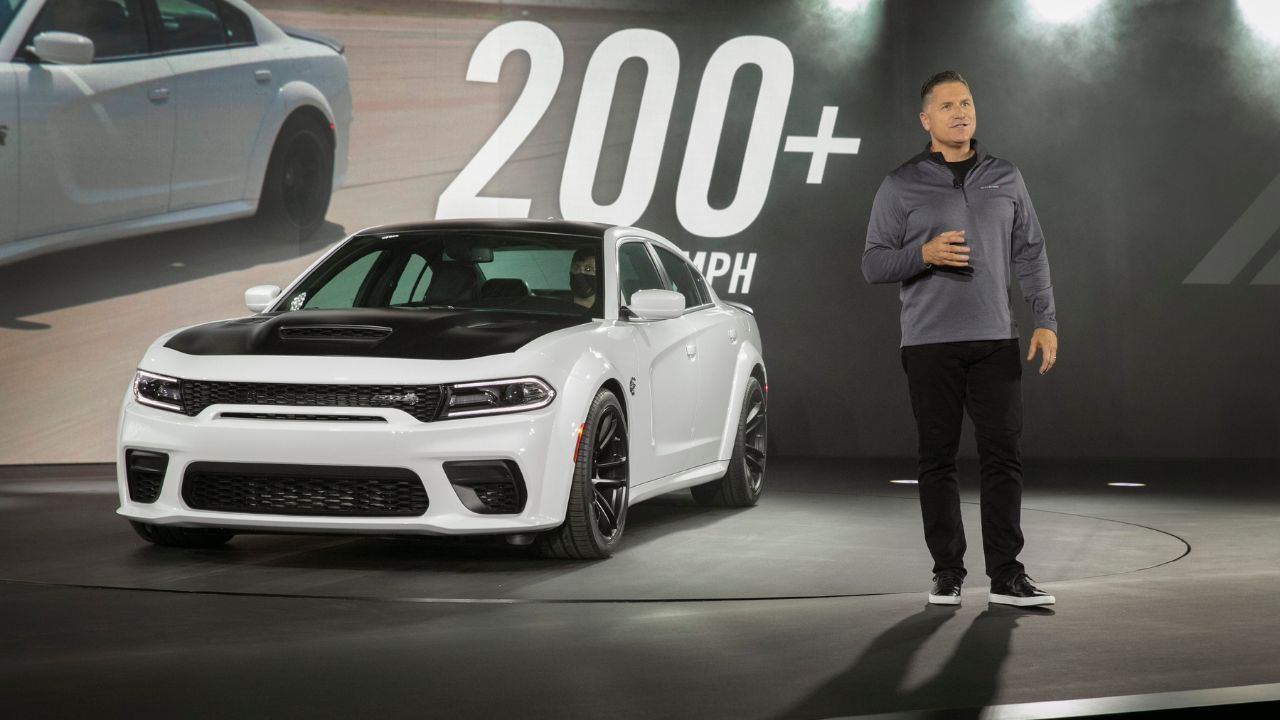
For Stellantis, the dispute centers on the company’s decision to relocate the planned production of the Jeep Compass from its Brampton, Ontario, facility to the United States. Canada provided roughly $470 million (around C$1 billion) in federal support to retool the Brampton plant for that production.
After Stellantis scaled back those plans and shifted activity south of the border, Ottawa served the company a notice of default because contractual obligations tied to job creation and sustained investment had been violated.
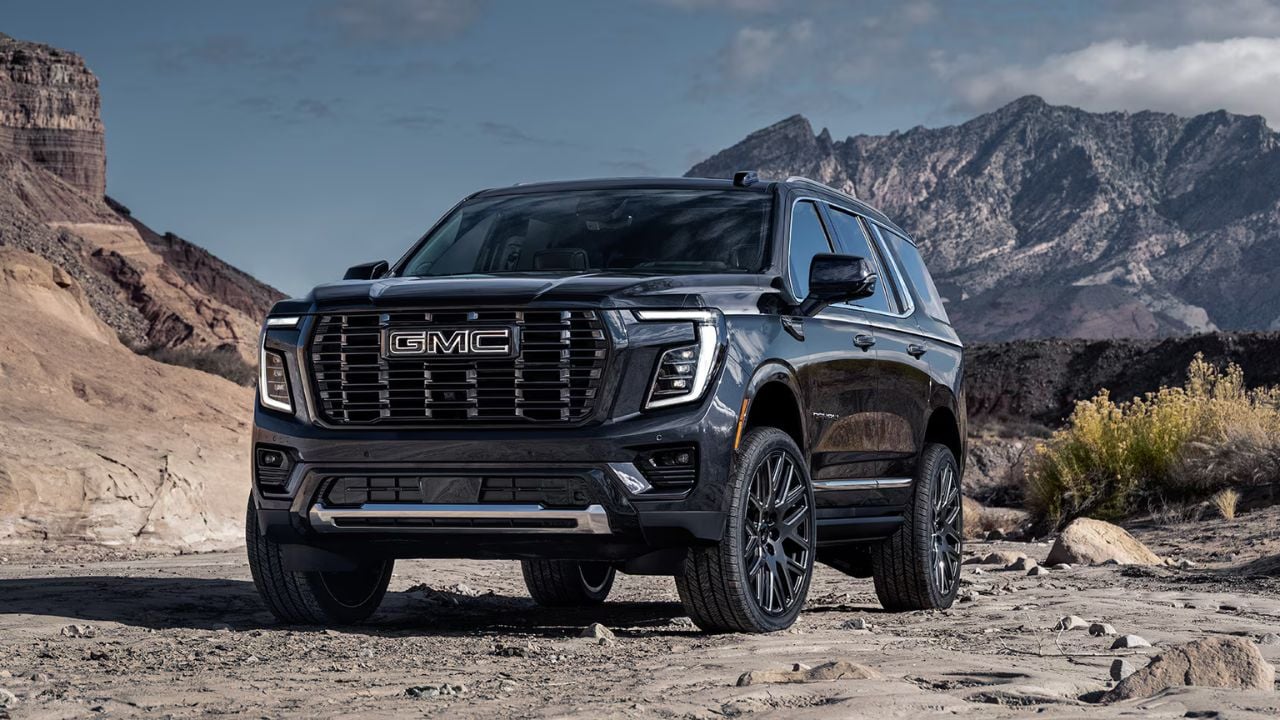
GM’s situation is similar but distinct. The company had received roughly $190 million (C$260 million) in federal funding to support manufacturing improvements at its Canadian sites, including energy transition work for electric vehicles at Ingersoll and support for a third shift at its Oshawa plant.
GM recently eliminated that third shift and ended the planned production of its BrightDrop electric vans at Ingersoll. Canadian officials see this move as undercutting the intent of the funding and frustrating domestic production goals.
Ottawa’s demand for repayment from GM is directly linked to the reduced scope of these projects.
The government’s approach is unambiguous. Ottawa says it will pursue repayment of funds tied to unfulfilled commitments rather than allow these incentives to be treated as unconditional subsidies. Minister Joly emphasized the need to defend Canadian taxpayers and domestic jobs.
She has also signaled that Canada may shift its investment focus toward automakers that maintain or expand operations in Canada, including international players such as Toyota, Honda, Volkswagen, and South Korean manufacturers.
Legal Hurdles and a Shifting Auto Landscape
Business lawyers and industry analysts are skeptical about Ottawa’s legal footing, however. They point out that the enforceability of many financial assistance agreements depends on the presence of clear penalty or clawback provisions.
Some of the contracts have not been made public, and trade lawyer Mark Warner told reporters that the specific structure of those deals may limit Canada’s ability to recover funds. Nevertheless, Ottawa has initiated formal dispute resolution processes where those procedures exist.
This conflict unfolds against a backdrop of broader shifts in Canada’s auto sector. The combined market share of Stellantis, GM and Ford in Canada has dropped sharply, from roughly 56 percent in 2016 to about 23 percent in 2025.

Japanese manufacturers like Honda and Toyota have increased their presence, while the federal government has actively courted foreign battery and EV production projects, including significant new investments from Volkswagen and others.
Trade tensions with the United States compound the challenge. Canada has already curtailed tariff-free quotas for U.S.-made vehicles from Stellantis and GM after production cuts, further straining relations with both companies and signaling Ottawa’s intent to protect its domestic industrial base.
Those adjustments came amid a broader dispute triggered by U.S. automotive trade policy and retaliatory Canadian tariffs on selected imports.
Economic and Political Stakes Are High
The dispute carries real consequences for workers and local economies in Ontario and beyond. Tens of thousands of jobs are tied directly to auto assembly and the broader parts supply chain, and continued uncertainty could dampen investment and hiring.
At the same time, Ottawa’s tougher line may appeal politically with voters concerned about job losses and corporate accountability.
Stellantis and GM have so far responded with guarded statements emphasizing their ongoing investment in North America and their need to adapt operations to changing market realities.
Both companies point to external pressures including demand fluctuations, electric vehicle transition costs, and broader global supply chain dynamics.
Ottawa’s next steps will depend on negotiations, dispute resolution outcomes, and whether legal mechanisms can compel repayment where Canadian officials believe commitments were broken.
Sources: The Wall Street Journal