
Fall trip planning is getting more practical, and that is exactly why Canada keeps climbing Americans’ wish lists. Expedia says U.S. search interest rose for several scenic Canadian destinations, led by Whistler at 40% year over year, with Banff up 20% and Nova Scotia up 15%. Those are search signals, not guarantees, but they show where curiosity is building.
Timing helps, too. The same Expedia release points to a more affordable window for flying to Canada between September 22 and October 3, which lines up neatly with early foliage and milder weather. For travelers hoping to squeeze in one more trip before winter routines take over, this is the kind of getaway that feels substantial without becoming complicated.
The Search Data Shows a Clear Fall Pull

Expedia’s numbers are straightforward: Americans are looking up mountain-and-lake destinations across the border more than they did the year before. Whistler, Banff, and Nova Scotia all posted double-digit growth in U.S. search volume in that fall snapshot.
That kind of lift usually means people are building shortlists, comparing prices, and saving options for later. It is not a booking guarantee, but it is a very useful early signal.
One detail matters for planning. The same report calls out late September into early October as a sweet spot for lower airfares.
For travelers juggling school calendars and work deadlines, that window can be the difference between “maybe next year” and “booked.” Treat the search surge as a hint to move earlier rather than later.
Fall Color Season Feels Like a Free Upgrade

Autumn in Canada rewards travelers who like scenery that changes from day to day. Expedia’s broader Fall Travel Outlook highlighted leaf-season interest in places such as Newfoundland, Halifax, and Gaspésie–Îles-de-la-Madeleine, which suggests strong demand for coastal color trips rather than only big-city breaks.
Cooler air also makes long walks easier and takes away the sticky heat that can drain energy in midsummer. That alone can make a fall trip feel like better value.
The smartest approach is to build your days around simple wins: one scenic drive, one waterfront stroll, and one cozy meal. When the landscape is doing so much of the work, your itinerary can stay light and still feel satisfying.
Mountains Deliver Peak Drama With Fewer Peak Crowds

Alpine regions are the headline-makers in that Expedia dataset, and the appeal is easy to understand. Search growth for Whistler and Banff suggests travelers want crisp air, big views, and outdoor days that do not require extreme fitness.
In early fall, trails and viewpoints can feel more comfortable than they do in mid-summer heat or mid-winter snow. That makes even a short break feel bigger than it is.
This is also where a two-night trip can feel surprisingly substantial. One gondola ride, one lake walk, and one good dinner can create that “I really got away” feeling very quickly.
For budget control, it helps to choose one signature experience and spend the rest of the time on free overlooks and easy hikes. Your camera roll will still look expensive.
Coastal Provinces Are Quietly Winning the Season
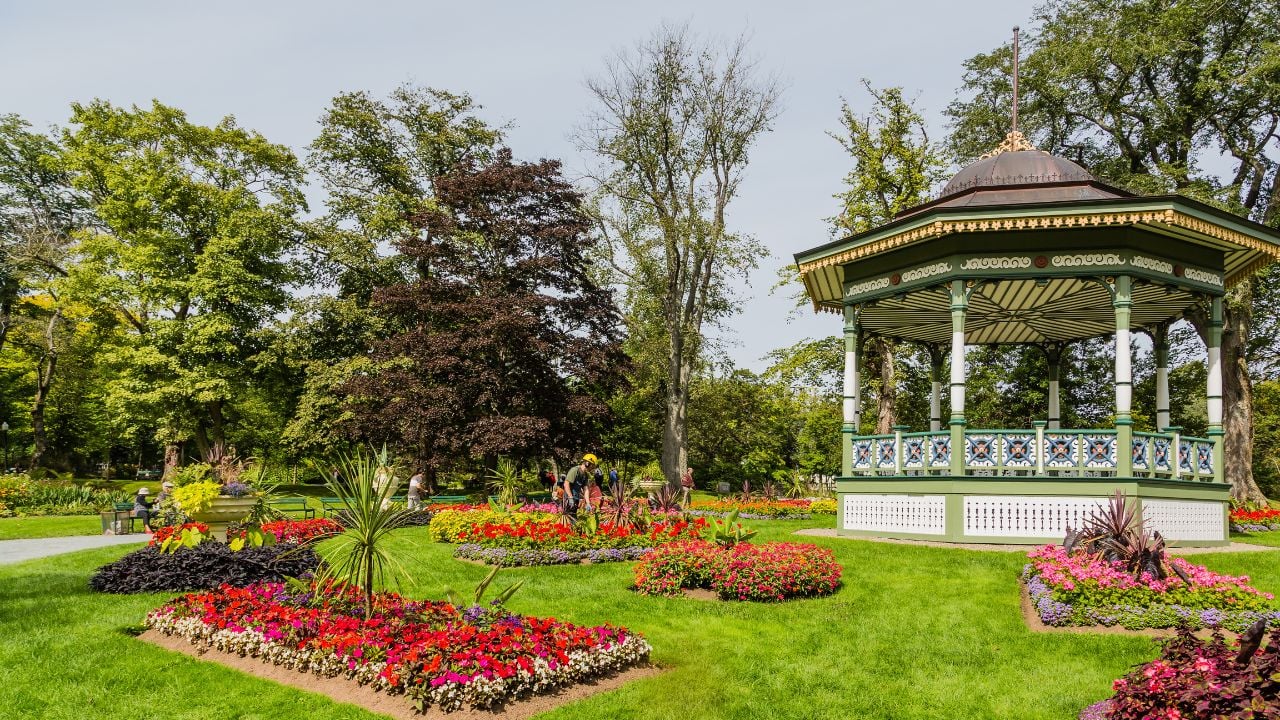
Nova Scotia’s 15% jump in U.S. search volume is not a random fluke. Maritime trips check a lot of boxes at once: seafood, harbors, lighthouse scenery, and brisk evenings that make a simple hoodie feel like the uniform of the season.
For travelers who want atmosphere without nonstop crowds, that mix is hard to ignore. It feels distinctive without requiring a complicated plan.
A fall visit also nudges you toward an easy rhythm. Mornings suit scenic drives and short walks, afternoons work well for museums or cafés, and dinners feel earned by the end of the day.
If you like places with personality rather than mega-attractions, coastal routes tend to land well. The pace is slower, but the trip still leaves a strong impression.
Border Basics Are Simpler Than Many People Assume
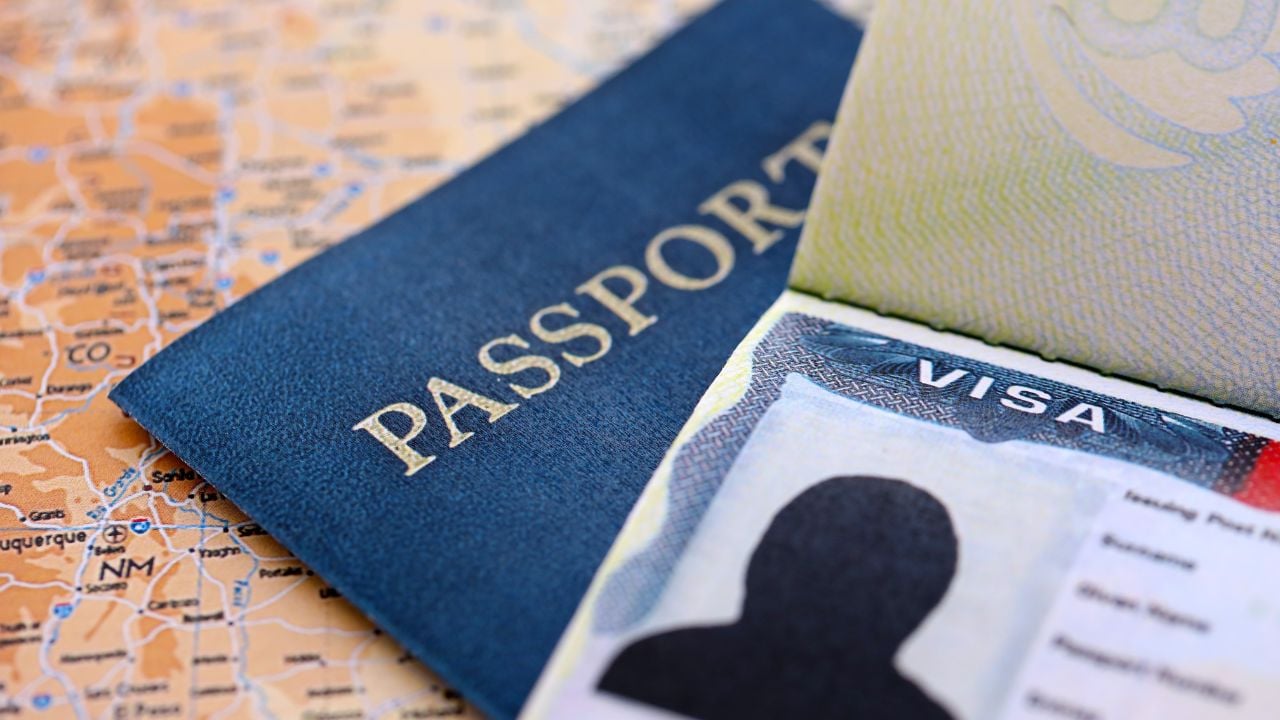
For U.S. passport holders, the entry rules are refreshingly direct. The Government of Canada says American citizens do not need a Canadian visa or an eTA if they are travelling with a valid U.S. passport.
That clarity removes a major planning hurdle. It is one reason Canada stays attractive for spontaneous planners.
You can also speed up the arrival process in some cases. Canada’s travel guidance says air travelers at participating airports can submit an Advance Declaration in ArriveCAN up to 72 hours before arrival.
Small administrative steps like that help the trip feel smooth from the first hour. For a short fall getaway, that ease matters.
How to Book Smarter for the Final Stretch of the Year

Start with the calendar, not the mood board. Expedia’s Canada fall release points to September 22 through October 3 as a more deal-friendly flying window, so shaping your plan around those dates can lower costs right away.
Midweek departures can help as well, especially when weekend demand starts pushing fares higher. A little flexibility still goes a long way.
Then keep the plan simple once you land. Choose one base, limit hotel changes, and focus on experiences that do not require reservations.
If flexibility matters to you, that approach also fits a broader industry shift. Travel Weekly’s March 2026 advisor survey found shorter booking windows gaining share, with 4-to-6-month bookings overtaking the old 7-to-12-month pattern and 1-to-3-month bookings also rising. The result is a trip that feels spontaneous without turning into a scramble.