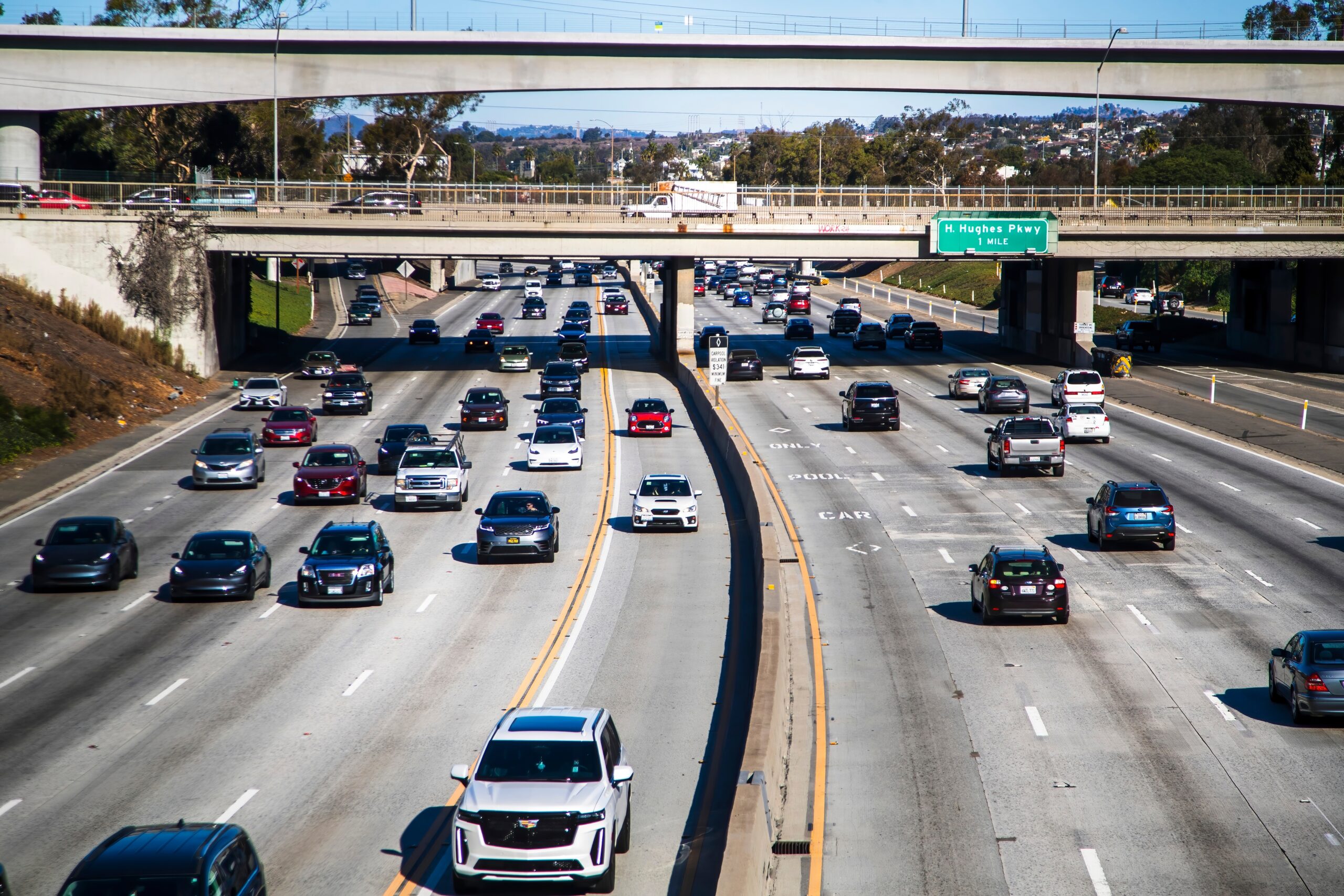
Every state has its share of drunk driving tragedies, but California is facing a crisis that goes deeper than bad luck or individual bad decisions.
A troubling pattern has emerged across the state: repeat offenders cycle through the justice system for years — sometimes collecting half a dozen DUI arrests — before something catastrophic finally brings their driving to a halt. By then, it’s often too late for someone else.
Alcohol-related roadway fatalities in California have climbed more than 50% over the past decade, a rate of increase that is more than double the national average, according to federal traffic safety data. That translates to more than 1,300 deaths annually, and thousands more injuries — many of them entirely preventable.
A System That Lets Repeat Offenders Slide
One of the central problems investigators and prosecutors point to is how California classifies DUI offenses. In many other states, a second or third DUI conviction can be elevated to a felony charge, carrying stiffer penalties and longer oversight periods. In California, a driver typically cannot face felony DUI charges until their fourth offense within a 10-year window — unless someone was physically harmed in the process.
That 10-year lookback window creates its own complications, reported CalMatters. If a driver’s earlier DUI convictions fall outside that timeframe, they effectively start with a clean slate in the eyes of the law. Someone who collected two or three drunk driving convictions years ago can be treated as a first-time offender the next time they’re pulled over.
There’s also the matter of licenses. California reinstates driving privileges faster than most comparable states. After a third DUI, drivers typically lose their license for three years — compared to eight years in New Jersey or even permanent revocation in Connecticut. Prosecutors and safety advocates say the window of license suspension often isn’t long enough to change behavior, and many drivers continue getting behind the wheel even when they’re not legally supposed to.
The Human Cost Behind the Statistics
The data points to real families who’ve lost people they loved. In San Benito County, a young woman named Sarah Villar was walking her dog with her fiancé when a drunk driver veered off the road and struck her. The driver had three prior DUI convictions — all misdemeanors — and had spent only a few weeks behind bars before that night. Villar’s family buried her in her wedding dress.
Her father’s words at her funeral captured what many victims’ families struggle to articulate: at what point does someone become a danger to the community? For too many Californians, the answer seems to come one crash too late.
There are also cases where the system had every opportunity to intervene and simply didn’t. Drivers with open warrants for skipping court on DUI charges, drivers who continued racking up tickets and arrests while supposed to have a suspended license, and drivers who moved from county to county in ways that made it difficult for any single jurisdiction to see the full picture of their record.
A Technology Fix That Keeps Getting Shelved
One of the more frustrating aspects of the discussion is that a proven technological solution already exists and is widely used elsewhere in the country. Ignition interlock devices — small breathalyzers wired into a vehicle’s ignition — require a driver to pass a sobriety test before the car will start. The CDC has found they can reduce repeat drunk driving offenses by as much as 70% while installed. California reported more than 30,000 prevented drunk driving attempts from these devices in 2023 alone.
Most states require the devices for first-time DUI offenders. California does not. A legislative proposal this year that would have expanded their use was ultimately shelved after the Department of Motor Vehicles indicated it lacked the capacity to implement the change.
Even where the devices are technically required under existing state law, enforcement is inconsistent. A state DMV report found that in many California counties, judges ordered ignition interlocks for fewer than 10% of drivers convicted of a second DUI. In Los Angeles County, that figure dropped to less than 1%.
What Comes Next
None of this is to suggest that drunk driving is a problem unique to California, or that the people navigating its roads and court system aren’t trying. Prosecutors, law enforcement officers, and judges are working within the rules they have. Some victims’ families have spoken with remarkable grace, saying they understand the limitations of what any system can prevent.
But advocates and legal experts argue that California hasn’t kept pace with what the evidence says actually works — stricter interlock requirements, longer license suspensions, faster felony thresholds for repeat offenders, and more consistent penalties across counties.
The state made real progress on this issue decades ago, when a concerted policy push in the 1980s cut alcohol-related roadway deaths by more than half. The question now is whether it takes another wave of public attention — and more preventable deaths — to find that political will again.