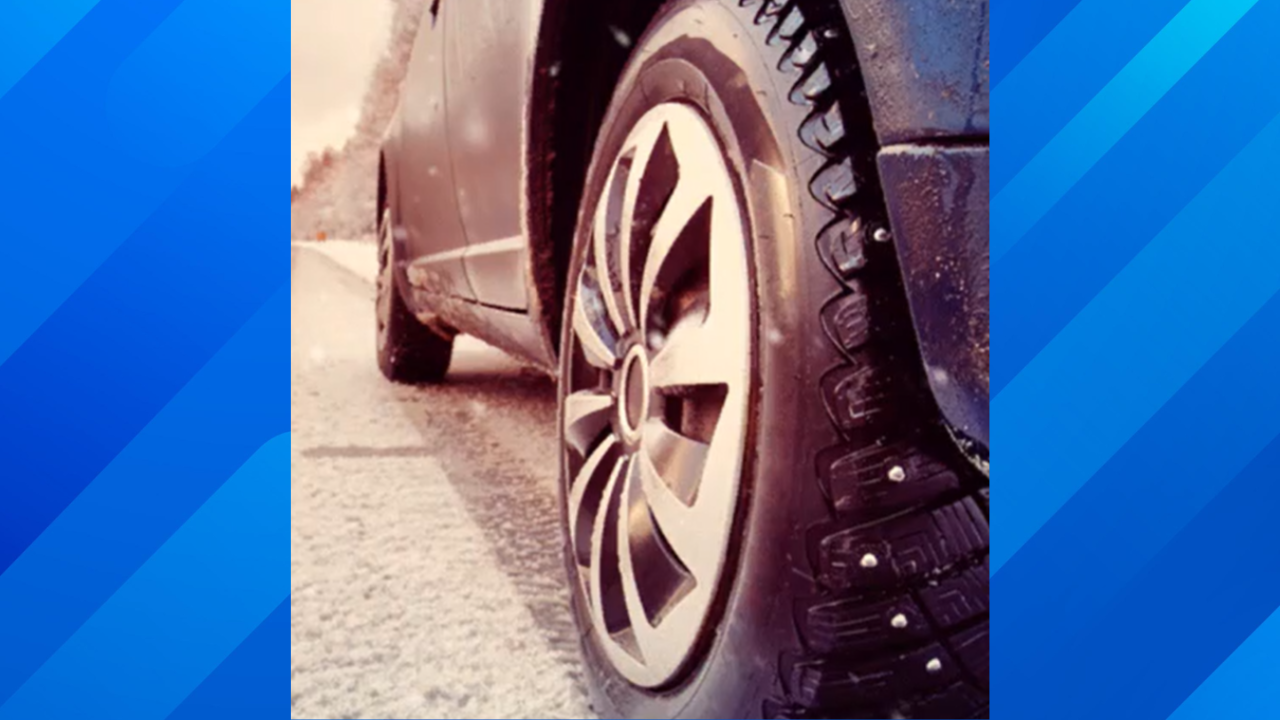
California regulators have approved a first-of-its-kind rule that will limit which tires you can buy for your car, and it’s already got people arguing. The new standard targets rolling resistance, the drag a tire creates as it rolls across the road, in an effort to squeeze more range out of every gallon of gas or charge of electricity.
According to KCRA, the California Energy Commission voted unanimously on Monday to phase out the sale of replacement tires that don’t meet new energy-efficiency standards. Commission chairman David Hochschild framed the move as consumer protection, saying it’s meant to shelter drivers from higher costs down the road.
Tire manufacturers and the commission don’t agree on much else, though both sides acknowledge the rule will eliminate a large share of tires currently sold in the state. Commissioner Nancy Skinner said the goal is simple: save Californians money using tools already within the commission’s authority.
Not everyone’s convinced that math checks out, and the online reaction has been a mix of confusion, jokes, and genuine concern about what “energy-efficient” tires mean for real-world driving conditions.
The Rule Rolls Out in Two Phases
The first phase begins in 2029 and caps rolling resistance at 9.1, tightening to 7.2 in 2033 for phase two. The commission arrived at those numbers after testing 537 tire types.
According to commission staff, the goal is to make sure replacement tires sold in California are, on average, as efficient as the tires that came with the vehicle when it was new. The CEC estimates drivers could save $79 in gas or electricity costs within four months under phase one and $153 within seven months once phase two kicks in.
Goodyear Says the Real Cost Will Be Higher
Bret Gladfelty, representing Goodyear, told the commission the rule will drive up costs for consumers and argued that technical and legal issues with the regulation still haven’t been resolved. He disputed the commission’s own cost estimate, which puts the average price increase at $6.50 per tire under phase two, warning that real-world costs could run into the hundreds of dollars instead.
Gladfelty also told KCRA the rule will wipe out an estimated 70% of tires currently sold in California by 2033, a number the commission has since acknowledged without disputing. Other manufacturers, including Bridgestone and Michelin, raised separate concerns about how the CEC plans to enforce the standard and whether it could create an uneven playing field favoring larger manufacturers.
Not Every Tire Is Affected
The new rule doesn’t apply across the board. Exemptions include snow tires, motorcycle tires, ATV and off-road tires, spare tires, competition tires built for motorsports, and several other niche categories.
The rule traces back to a 2003 state law, AB 844, that directed the commission to study tire-efficiency regulation, though it took over two decades for the rule to be adopted. Skinner, a longtime environmentalist, said she couldn’t say for certain whether cost pressures were the reason it took this long, only that “there may not have been those cost pressures” back when the law first passed.
The Comments Aren’t Fully Sold
Reactions to the new rule have ranged from genuine questions to straight-up jokes. One commenter asked how a tire designed to reduce friction would perform during a sudden stop or on wet roads, and wondered whether fuel efficiency was being prioritized over safety.
Other comments went for a punchline instead. One person joked that shoelaces might be next on the chopping block, while another predicted that by 2050, drivers would be back to pedaling their own version of a Flintstones car, sharing a clip of the cartoon family’s foot-powered vehicle to make the point.
For now, the rule is the first of its kind in the country, and other states will likely be watching closely to see whether California’s bet on efficiency actually pays off as regulators promise. Drivers have a few years to get ready for fewer choices at the tire shop, ready or not.