If you thought the fight over California’s right to set its own emissions standards was settled, think again.
The Trump administration filed a new federal lawsuit Thursday targeting California’s clean car regulations — and not just the shiny new ones, but rules that have been on the books since 2012. That’s right: standards that have survived over a decade, three presidents, and roughly forty-seven different takes on what the future of the American automobile should look like.
The lawsuit, filed in the U.S. District Court for the Eastern District of California on behalf of the Department of Transportation, targets a wide range of California’s clean air rules. This includes long-standing regulations that set declining caps on smog-forming emissions and required automakers to steadily increase their sales of electric and hybrid vehicles through 2025. In other words: standards that the auto industry has already been building cars to meet for years.
The federal argument, courtesy of the Justice Department, is that California’s rules run afoul of the Energy Policy and Conservation Act, which assigns the National Highway Traffic Safety Administration the task of setting uniform, nationwide fuel-economy standards. The feds say California is effectively freelancing on fuel policy — and that it’s driving up car prices for everyone.
“Gavin Newsom is determined to continue pushing Democrats’ radical EV fantasy — even if doing so is illegal.” — Transportation Secretary Sean P. Duffy
Transportation Secretary Sean P. Duffy offered that colorful quote Thursday, reported the Los Angeles Times, adding that President Trump cares about lowering costs — a claim California’s office wasted no time firing back on. Governor Gavin Newsom’s spokesperson, Anthony Martinez, pointed out that gas prices are surging nationally in the wake of recent U.S. and Israeli military activity in Iran, arguing that California’s clean car policies are actually about giving drivers cheaper, more flexible options — not forcing them into anything.
It’s a fair reframe. EVs do cost more upfront — nobody’s pretending otherwise — but studies consistently show they cost less to operate over time, since plugging in beats stopping at a gas station that’s currently charging more per gallon than a fancy cocktail in downtown Los Angeles.
This Isn’t the First Rodeo For California
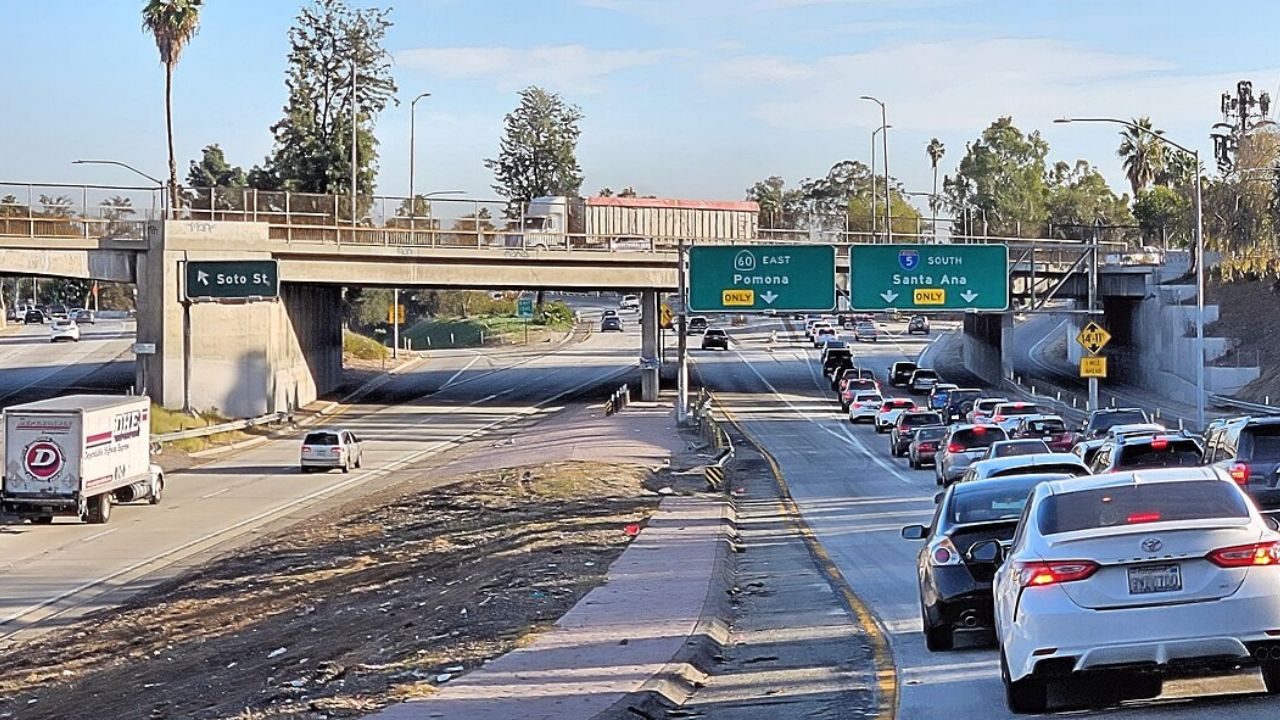
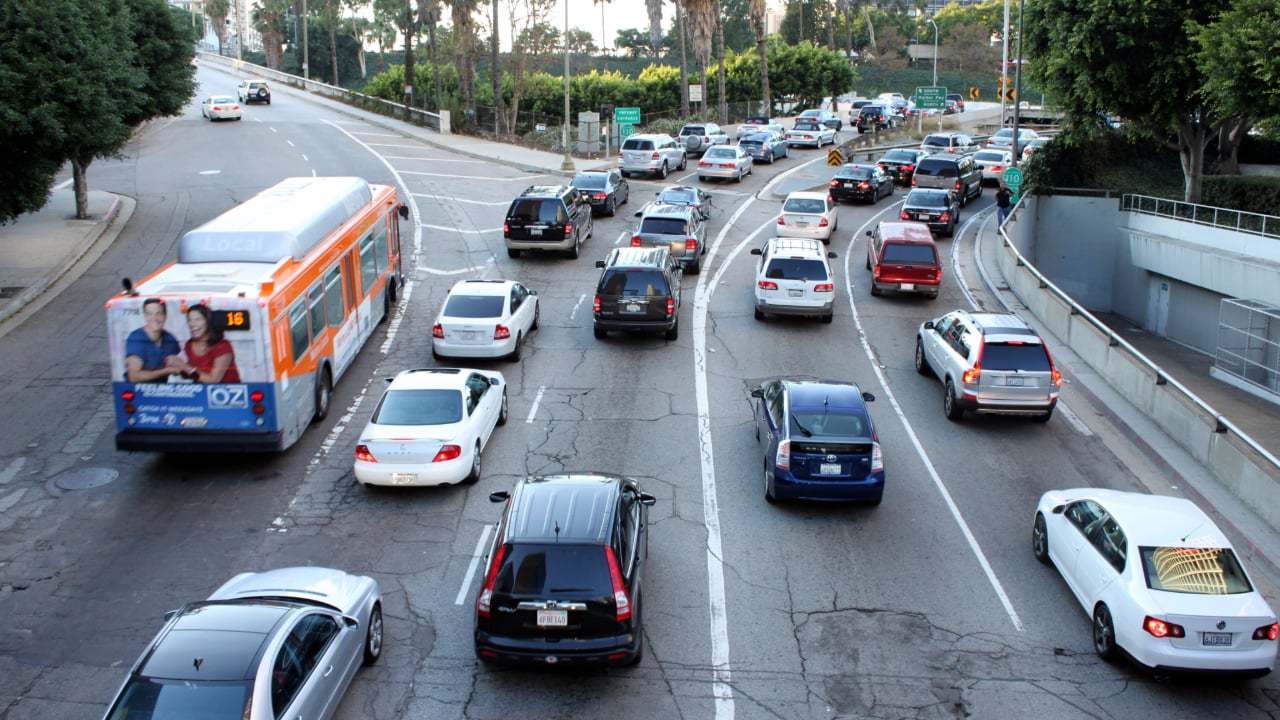
California has held special authority to set its own air quality standards since the 1960s — a carve-out born from the state’s unique and historically terrible smog problem. Anyone who’s driven into Los Angeles on a hot day and watched the city disappear into a brown haze understands the stakes. For decades, those stricter California standards pushed automakers toward more fuel-efficient designs, and more recently, toward hybrids and electric vehicles.
In 2022, the California Air Resources Board went further, passing a rule to phase out the sale of new gas-only cars by 2035. But Congress voted last summer to strip the federal Clean Air Act waiver that made that rule possible, along with two other Biden-era clean truck waivers. California sued over that and issued an emergency order to keep enforcing its older standards in the meantime. The Trump administration says that the emergency order itself violates the law.
Sound familiar? It should. Trump’s first administration tried almost exactly the same move — targeting California’s clean car authority — and it spent years tied up in courts before the Biden administration came in and restored the state’s permissions. Now the playbook is back, just slightly updated. Five major automakers had previously pledged to follow California’s standards regardless of how the legal fights played out, but those agreements are set to expire this year. Convenient timing.
Critics Say the Cars Already Meet the Standards
Bill Magavern, policy director with the Coalition for Clean Air, didn’t mince words. He noted that automakers are already building to these standards — meaning the lawsuit isn’t actually saving anyone from burdensome new requirements. It’s more like pulling the rug out from under the rules that the industry has spent years adapting to.
Which raises an interesting question: if carmakers are already hitting these benchmarks, who exactly is this lawsuit helping? Definitely not Californians breathing Los Angeles air. Probably not consumers worried about gas prices. And if Ford and friends have already retooled their lineups to comply — well, you can draw your own conclusions about who benefits when the goalposts disappear.
The California Attorney General’s office called the move “federal overreach” and vowed to fight it vigorously, with spokesperson Christine Lee calling it part of a broader unlawful assault on the state’s clean car framework. California has made clear it plans to defend these rules, just as it has every time this particular battle has come around.
Meanwhile, the Trump administration has been busy on multiple fronts: rolling back federal mileage requirements and cutting federal rebates for electric vehicles. So whether you like EVs, hate EVs, or just want to get to work without spending forty dollars on gas, the rules governing what ends up in your driveway are very much up for debate.
I can’t say I’m rooting for continued smog testing to further line the state’s pockets, but I’m also not too sure I like the U.S. government stepping in where it doesn’t belong. The case will play out in the Eastern District of California. Expect it to take a while.