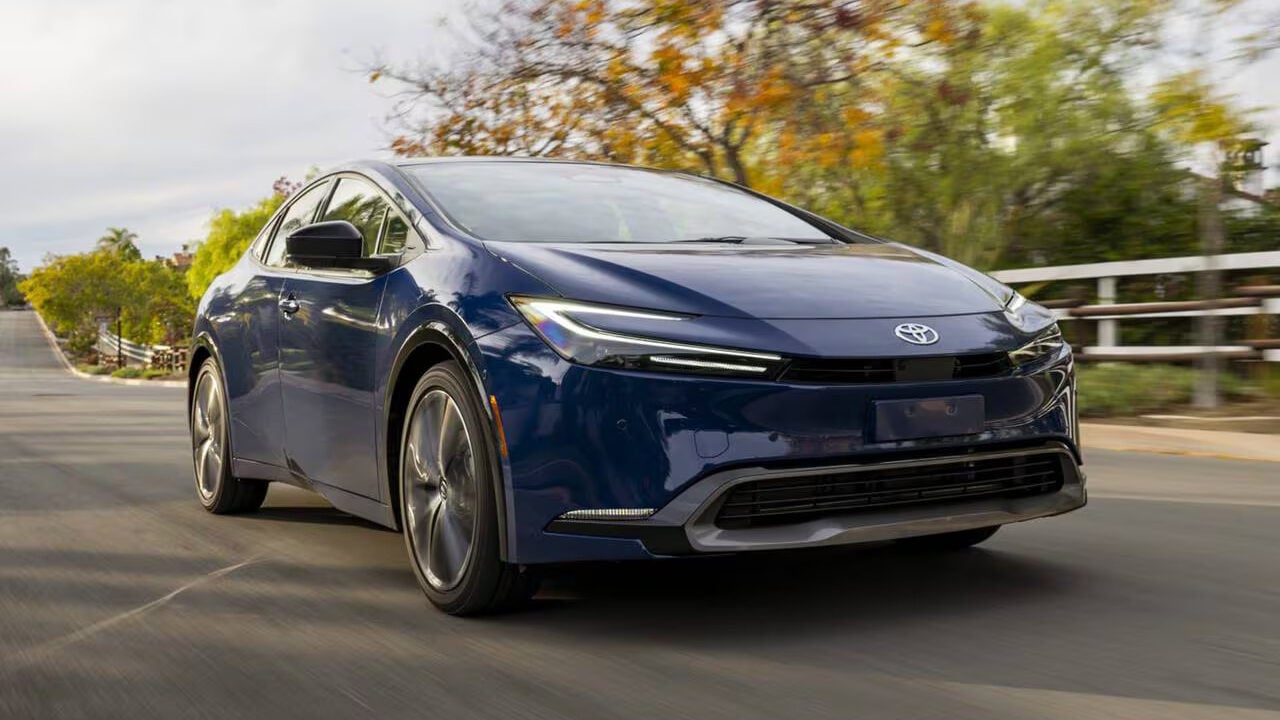
California has long been considered the heart of America’s electric vehicle market, but new registration data suggests buyers are increasingly choosing hybrids instead. While battery-electric vehicles remain popular across the state, hybrids have taken the lead during the first half of 2026.
The figures come from the California New Car Dealers Association (CNCDA), whose latest market report shows hybrid vehicles accounted for a larger share of new registrations than fully electric models between January and June.
The shift does not mean Californians are abandoning EVs altogether. Rather, it reflects growing demand for vehicles that deliver better fuel economy without requiring owners to change their driving habits or rely on public charging infrastructure.
Even in a state that has championed electrification for years, buyers appear to be placing greater value on flexibility, affordability, and convenience.
Hybrids Pull Ahead In New Registrations
According to CNCDA data, hybrids represented 22.1 percent of all new vehicle registrations in California during the first half of 2026. Fully electric vehicles accounted for 15.9 percent over the same period.
A year earlier, the gap between the two technologies had been much narrower, with EVs slightly ahead. The latest figures indicate that hybrids have widened their advantage as consumer preferences continue to evolve.
Several factors are likely contributing to the trend. Hybrid models generally cost less than comparable electric vehicles, eliminate concerns about charging availability, and still offer meaningful reductions in fuel consumption.
For many buyers, they provide an easier transition toward lower-emission driving without changing established routines.
Toyota And Honda Benefit From Growing Demand
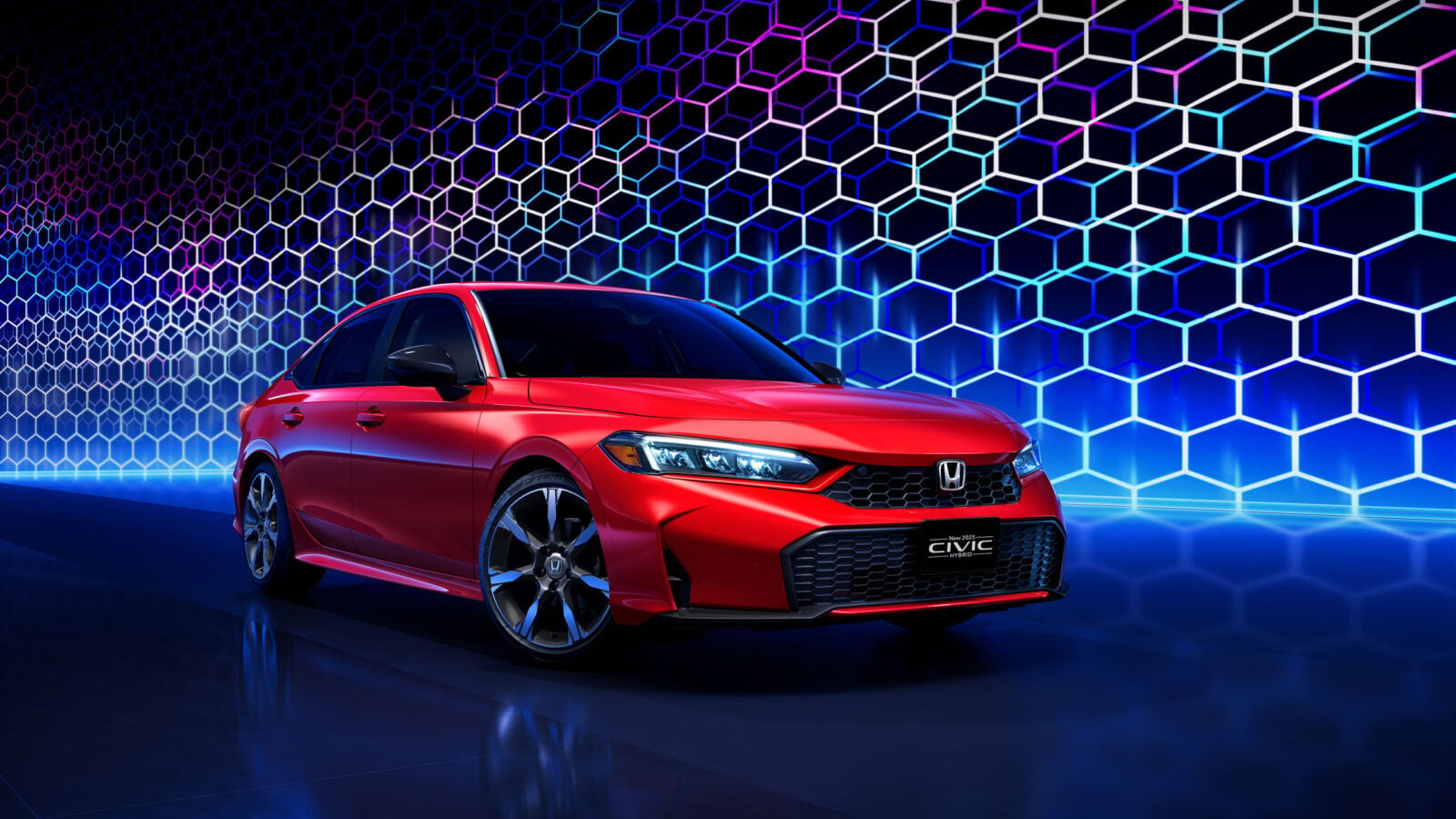
The popularity of hybrids is reflected in California’s best-selling passenger cars. The Toyota Camry, now sold exclusively as a hybrid, ranked second overall in statewide sales and captured 15.5 percent of the passenger car segment.
Other top-selling cars also benefit from hybrid availability. The Honda Civic, Toyota Corolla, and Honda Accord all offer hybrid versions that account for a significant share of their sales.
The Tesla Model 3 remained the only fully electric vehicle among the five best-selling passenger cars, holding 7.7 percent of the segment.
In the SUV and truck category, the Tesla Model Y continued to lead with 54,327 registrations, making it California’s best-selling vehicle overall. However, the remainder of the top-selling models included vehicles such as the Toyota RAV4, Honda CR-V, Toyota Tacoma, and Ford F-Series, all of which offer hybrid powertrains.
EV Sales Remain Strong Despite Market Changes
California remains the largest electric vehicle market in the United States, and EV sales continue to represent a substantial portion of new registrations.
However, individual manufacturers experienced mixed results during the first half of the year. Tesla registrations declined by 6.5 percent compared with the same period in 2025, while Rivian recorded a larger 28.3 percent drop.
Lucid moved in the opposite direction, posting the strongest growth among major EV manufacturers with registrations increasing by 22.7 percent.
Toyota, Honda, and Tesla collectively accounted for nearly 40 percent of all new vehicle registrations in California, demonstrating the importance of offering a broad range of electrified options rather than relying on a single technology.
Buyers Are Looking For Practical Electrification
The latest registration figures suggest many Californians are taking a gradual approach to reducing fuel consumption. Rather than making the jump directly to battery-electric vehicles, increasing numbers are choosing hybrids that combine improved efficiency with the familiarity of gasoline refueling.
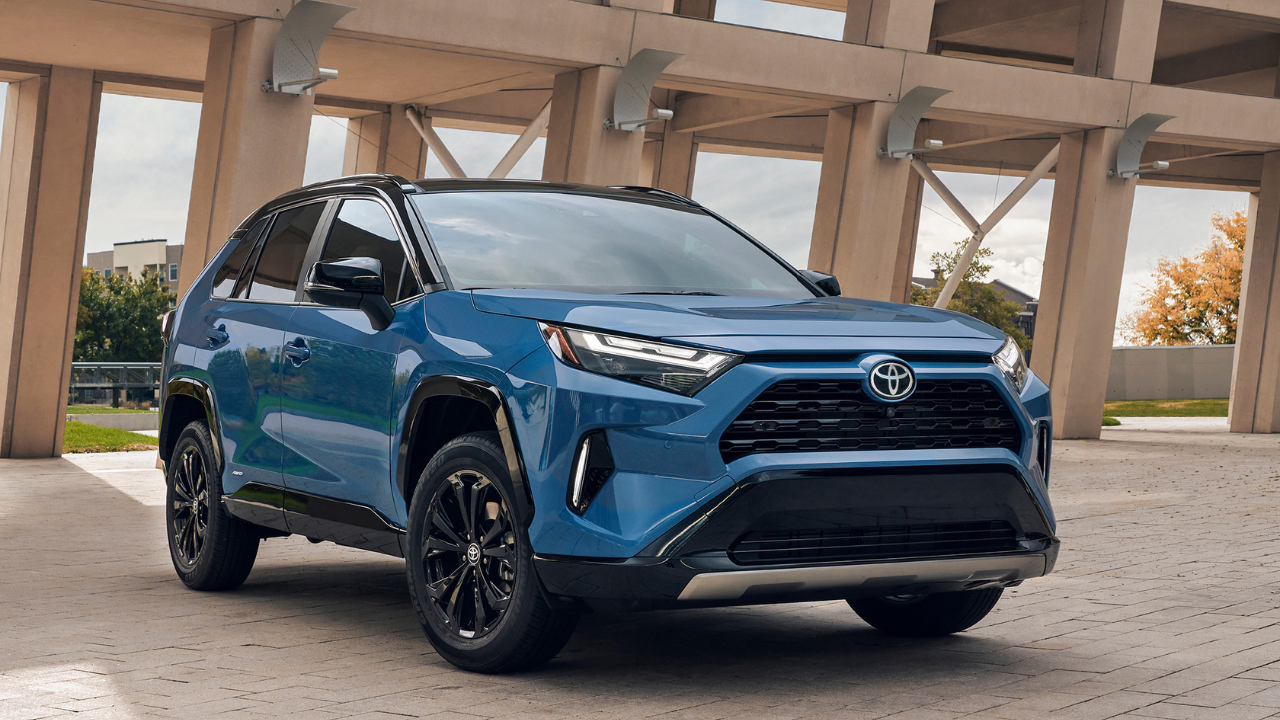
Modern hybrid systems also offer performance and fuel economy that were difficult to achieve only a few years ago. Automakers such as Toyota have become increasingly confident in the technology, with models like the Camry and RAV4 now offered exclusively with hybrid powertrains.
Charging infrastructure, purchase prices, and concerns about long-distance travel continue to influence buying decisions, even in a state with one of the country’s most developed EV networks. Hybrids largely avoid those issues while still delivering lower emissions than conventional gasoline vehicles.
The California market remains one of the clearest indicators of broader automotive trends across the United States. While electric vehicles continue to play a major role in the state’s automotive landscape, the first half of 2026 shows that many buyers currently see hybrids as the more practical path toward electrification.