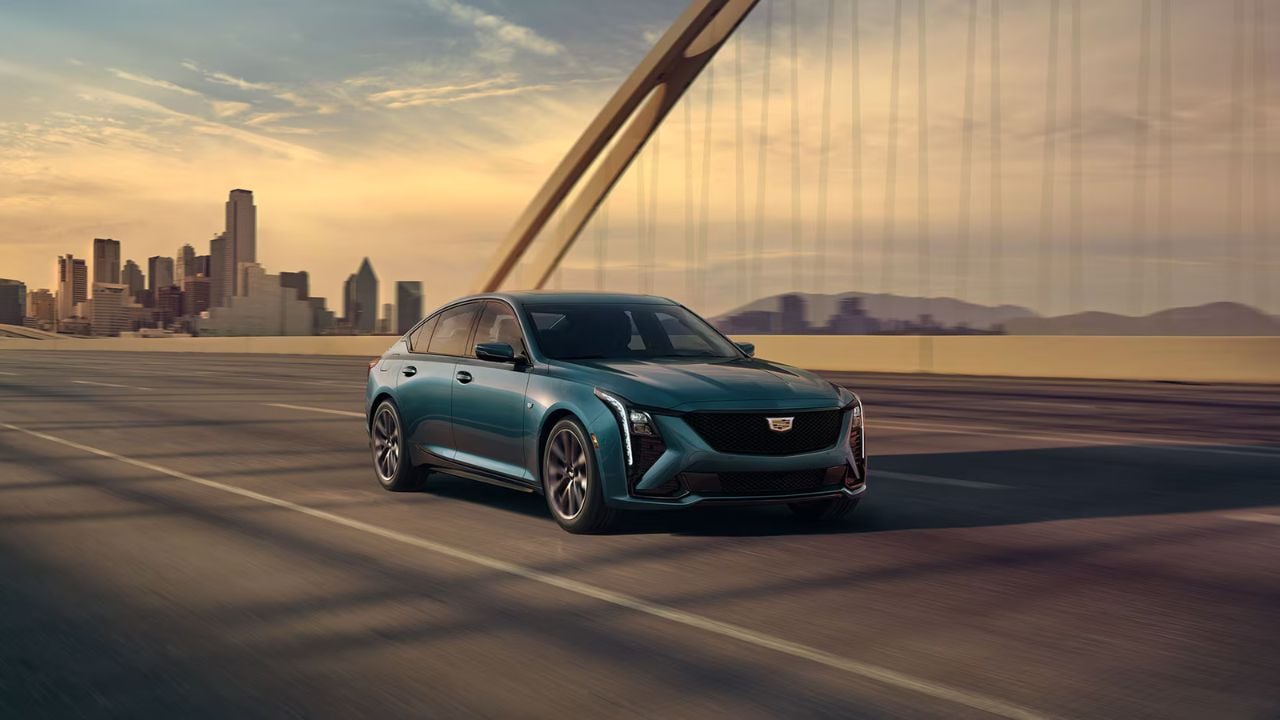
Cadillac has always played in the premium lane, but a fresh set of numbers from Cox Automotive confirms the brand is not just keeping pace with the luxury market. It is outrunning it. In March 2026, the average transaction price for a new Cadillac hit $84,139. That is an 11.6% increase compared to the same time last year, and a 3% jump from February alone. To put that in perspective, that is nearly a five-figure climb in just 12 months.
For a brand that already sits comfortably in the upper tier of the American auto market, that kind of growth is striking. It suggests that whatever Cadillac is doing, and whatever buyers are willing to spend, both are accelerating at the same time. That does not happen by accident.
What makes this even more interesting is the broader context it sits inside. The U.S. new car market as a whole has been drifting upmarket for years, with the average price for any new vehicle now hovering above $50,000. Cadillac is not leading a trend so much as riding a wave that the entire industry helped build. But at $84,139, it is riding it harder than most.
So what is actually driving this? The answer involves a mix of shifting buyer demographics, creative financing, and a luxury segment that has quietly become the engine of the whole market. None of it is simple, but all of it is worth understanding if you plan to buy a car anytime soon, or if you just want to know where things are headed.
The New Car Market Is Starting to Look Like a Members-Only Club
Here is something that does not get talked about enough. The profile of who buys a new car in America has changed significantly. Higher-income households now make up a much larger share of new vehicle buyers than they did a decade ago. Lower-income buyers have largely been priced out, and many of them have shifted to the used car market entirely.
This is not a coincidence. It is the natural result of prices climbing faster than wages, loan terms getting longer, and monthly payments creeping up to the point where a new car becomes a luxury decision even when it is not a luxury vehicle. For brands like Cadillac, this demographic shift is actually good news. Their core buyers are wealthier, less sensitive to rising prices, and more likely to view a vehicle as a lifestyle statement rather than a transportation tool.
The ripple effect of this is a market where luxury brands are thriving while budget-friendly options quietly disappear from dealership lots. Cadillac sits right in the sweet spot of that dynamic, and the $84,139 average price tag reflects exactly that.
Buyers Are Stretching Financially to Stay in the Market

One of the most revealing statistics hiding behind all of this is what everyday buyers are doing to keep up. Studies show that 70% of car buyers are now cutting back on other spending categories just to afford a vehicle. Groceries, dining out, subscriptions, vacations, all of it going on the chopping block so the monthly car payment clears.
And those payments are getting larger in part because loan terms are getting longer. Financing stretches of 72 to 84 months, and sometimes beyond, have become increasingly common. This allows buyers to lower their monthly obligation while agreeing to pay significantly more over the life of the loan. In other words, people are not necessarily earning more money. They are borrowing more of it and spreading it across more years.
For the market, this creates a surface-level illusion of health. Prices stay elevated because buyers keep absorbing them, not because affordability has genuinely improved. It is a cycle that keeps transaction prices like Cadillac’s looking strong, but raises real questions about what happens when the financing math stops working for a large enough group of buyers.
What This Moment Teaches Us About the Future of Car Buying
The Cadillac price story is really a lesson in how markets can look healthy at the top while showing signs of strain further down. A few things worth taking away from this:
Luxury segments tend to be insulated from economic pressure, at least in the short term. Wealthy buyers continue spending even when broader economic conditions soften, which means brands like Cadillac can keep pushing prices upward without immediately feeling a sales drop.
Long loan terms are propping up the market in ways that are not always sustainable. When a significant portion of buyers are extending loans past six years just to get into a vehicle, that signals affordability stress, not market strength.
The gap between buyers who can comfortably afford new vehicles and those who are straining to stay in the market is widening. That has real consequences for how automakers design, price, and market their vehicles going forward.
And finally, if average new car prices have already crossed $50,000 across the whole industry, and Cadillac is averaging nearly $85,000, there is not a lot of room for the trend to reverse without something else in the economy shifting first.
Where Cadillac and the Broader Market Go From Here
There are few signs pointing toward a cooldown. As long as higher-income buyers remain the dominant force driving new vehicle sales, and as long as brands continue prioritizing premium and large SUV lineups over entry-level options, prices are likely to hold or climb further. Cadillac’s numbers in March 2026 are not an outlier. They are a preview.
For everyday buyers, the takeaway is straightforward: the new car market increasingly caters to a narrower slice of the population, and stretching to participate in it carries more financial risk than it did even a few years ago. For Cadillac, it is a good moment. For the market overall, it is a complicated one.