
Few automotive marques have shaped American culture and engineering identity as profoundly as Cadillac. For more than a century, Cadillac has stood at the intersection of precision, luxury, and ambition.
Its story is one of reinvention, technological leadership, and a relentless pursuit of excellence guided at every stage by the people who built it, refined it, and pushed it forward. To understand Cadillac today, one must begin at its unlikely origin: a failed company, a group of determined engineers, and a vision for precision that would redefine American manufacturing.
The Birth of Cadillac (1902–1909)
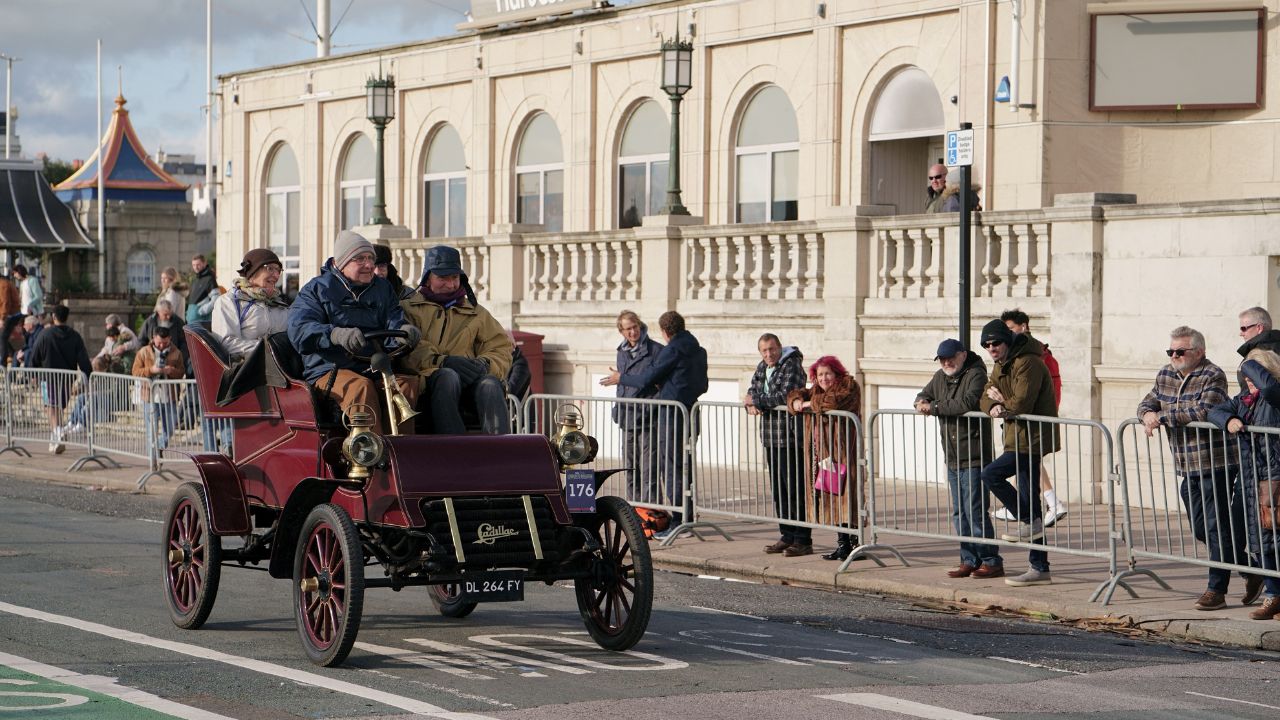
Cadillac emerged in 1902 from the remnants of the Henry Ford Company after Ford’s departure left investors searching for a path forward. They turned to master machinist Henry M. Leland, whose background in precision manufacturing convinced them not to liquidate the company but to rebuild it around his engineering philosophy. Leland’s insistence on exacting tolerances and interchangeable parts became Cadillac’s foundation, setting it apart from many American automakers of the era.
This commitment to precision culminated in Cadillac winning the Dewar Trophy in 1908, after three cars were disassembled and reassembled from mixed parts without hand-fitting, and the cars completed the trial successfully. It was the first time an American manufacturer had demonstrated such engineering consistency, and it established Cadillac as the nation’s premier luxury marque. From the beginning, Cadillac was defined not by ornamentation, but by the belief that true luxury begins with engineering excellence.
The Rise of Innovation (1910s–1920s)
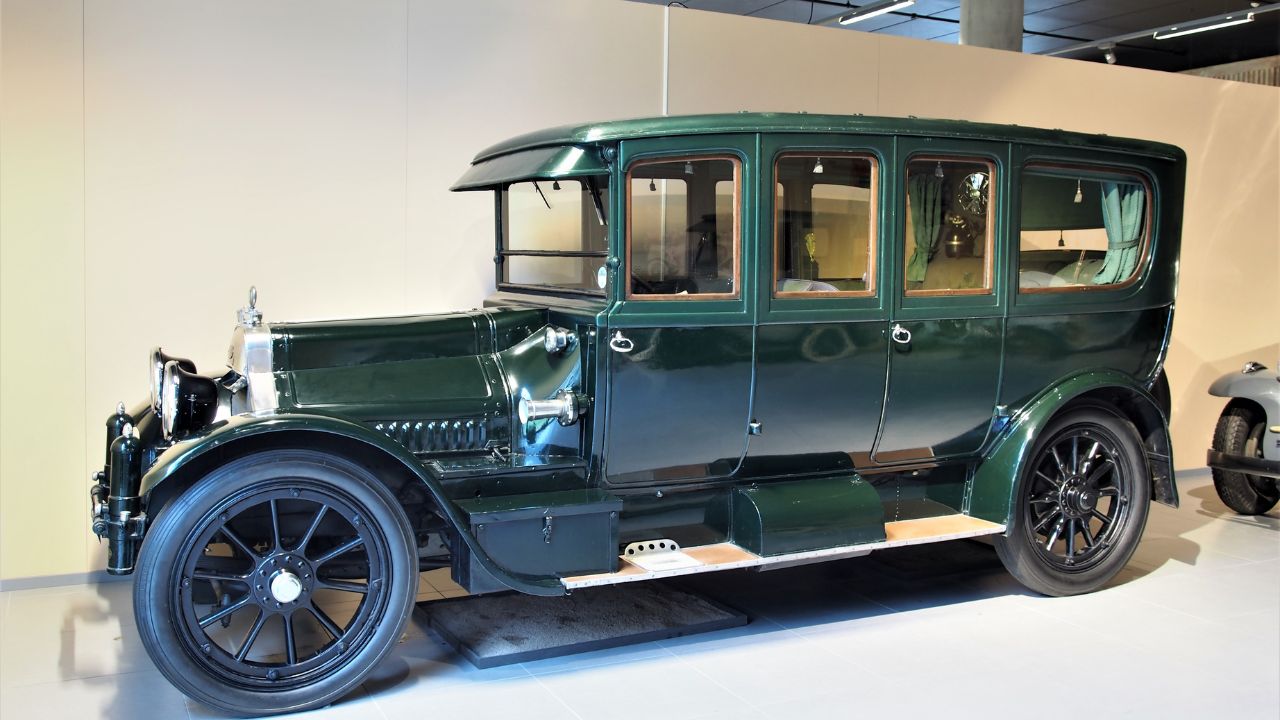
As Cadillac entered the 1910s, innovation became its defining trait. The company introduced the electric self-starter in 1912, a breakthrough developed by inventor Charles F. Kettering and his team at Dayton Engineering Laboratories (Delco). This single invention eliminated the dangerous hand crank and made automobiles accessible to a far wider audience.
Cadillac continued to refine its engineering identity throughout the decade, introducing advanced V-type engines and improving manufacturing processes that set new benchmarks for reliability. In 1915, Cadillac introduced the Type 51, widely credited as the first mass-produced V8 passenger car. By the 1920s, Cadillac had become synonymous with prestige and craftsmanship. Its vehicles embraced the emerging Art Deco movement, blending mechanical sophistication with bold, expressive design. Cadillac was no longer just a luxury car; it was a cultural symbol of modernity and progress.
The Golden Age of Cadillac (1930s–1950s)
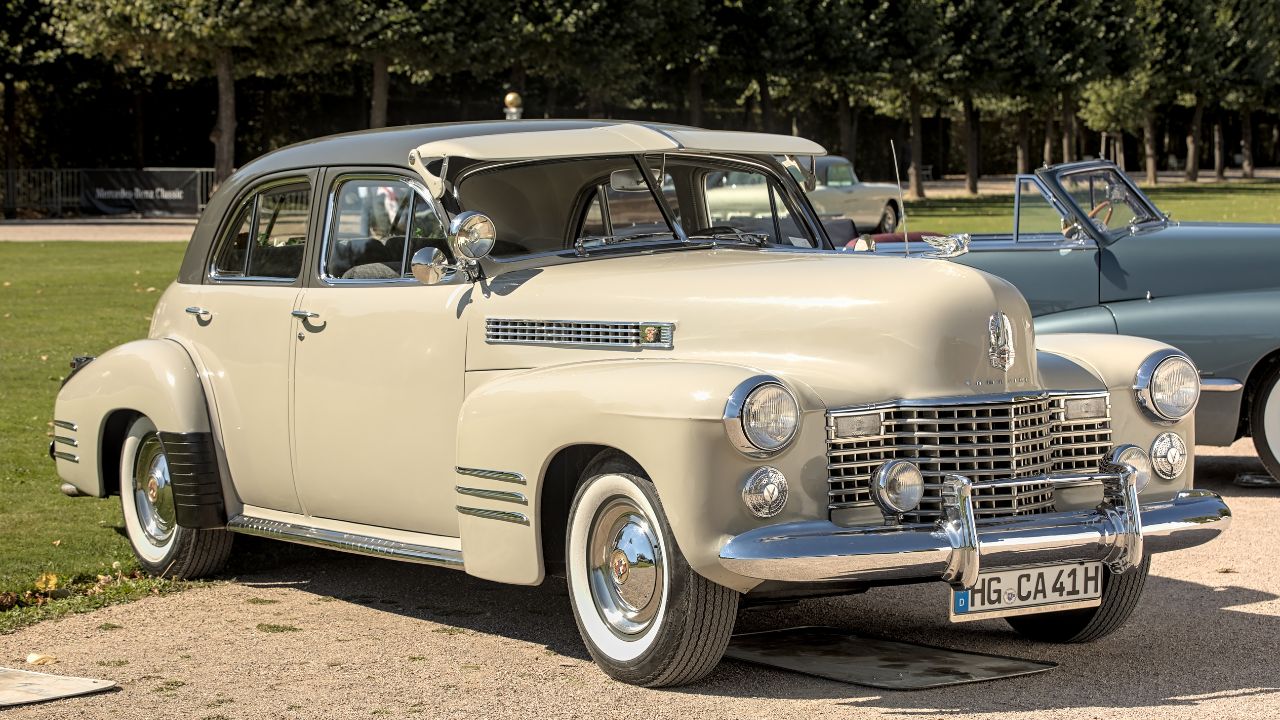
The 1930s ushered in one of Cadillac’s most celebrated eras. Even as the Great Depression strained the industry, Cadillac pushed forward with ambitious engineering, including the introduction of the legendary V16 engine in 1930. This powerplant, renowned for its smoothness and refinement, became one of the most iconic engines in automotive history.
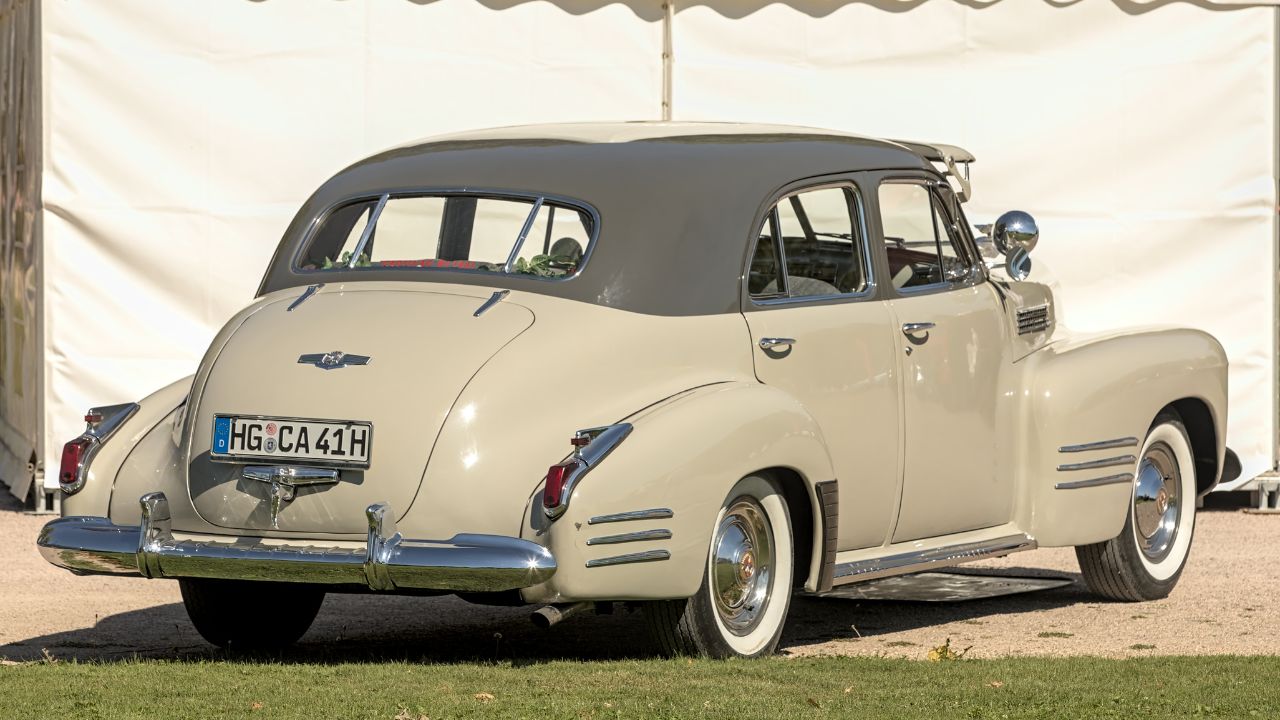
During this period, Cadillac’s design direction evolved dramatically under the influence of General Motors’ growing leadership in styling. The brand embraced sweeping lines, sculpted surfaces, and a sense of grandeur that resonated with the era’s elite. As the postwar boom arrived in the late 1940s and 1950s, Cadillac became the definitive expression of American optimism. Tailfins, wraparound windshields, chrome accents, and jet-age inspiration turned models like the 1948 Series 62 and the 1959 Eldorado into rolling cultural statements.
Cadillac was not just building cars; it was shaping the American imagination.
Reinvention in a Changing Landscape (1960s–1980s)
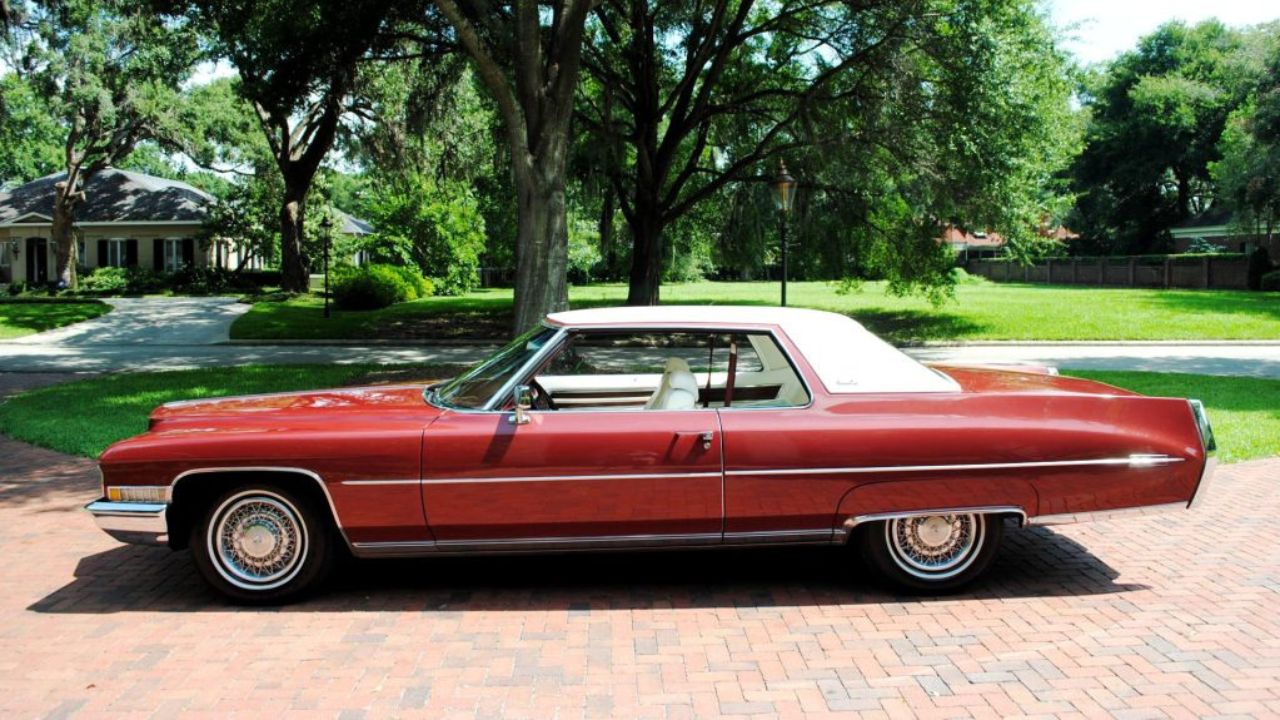
The 1960s and 1970s brought new challenges. Consumer tastes shifted, emissions regulations tightened, and global competition intensified. Cadillac responded by refining its design language and introducing modern technologies, including the front-wheel-drive Eldorado, introduced for the 1967 model year, which became one of the brand’s most important models of the era.
Design leadership within General Motors guided Cadillac toward cleaner lines and more modern proportions, helping the brand maintain its prestige even as the industry evolved. Executives throughout the 1970s and 1980s worked to stabilize Cadillac’s reputation amid fuel crises and quality concerns, focusing on improved manufacturing processes and more efficient powertrains.
Though the era was turbulent, Cadillac demonstrated resilience. By the late 1980s, the brand had begun rebuilding its engineering credibility and preparing for a new generation of luxury buyers.
The Modern Era and the Pursuit of Performance (1990s–2010s)
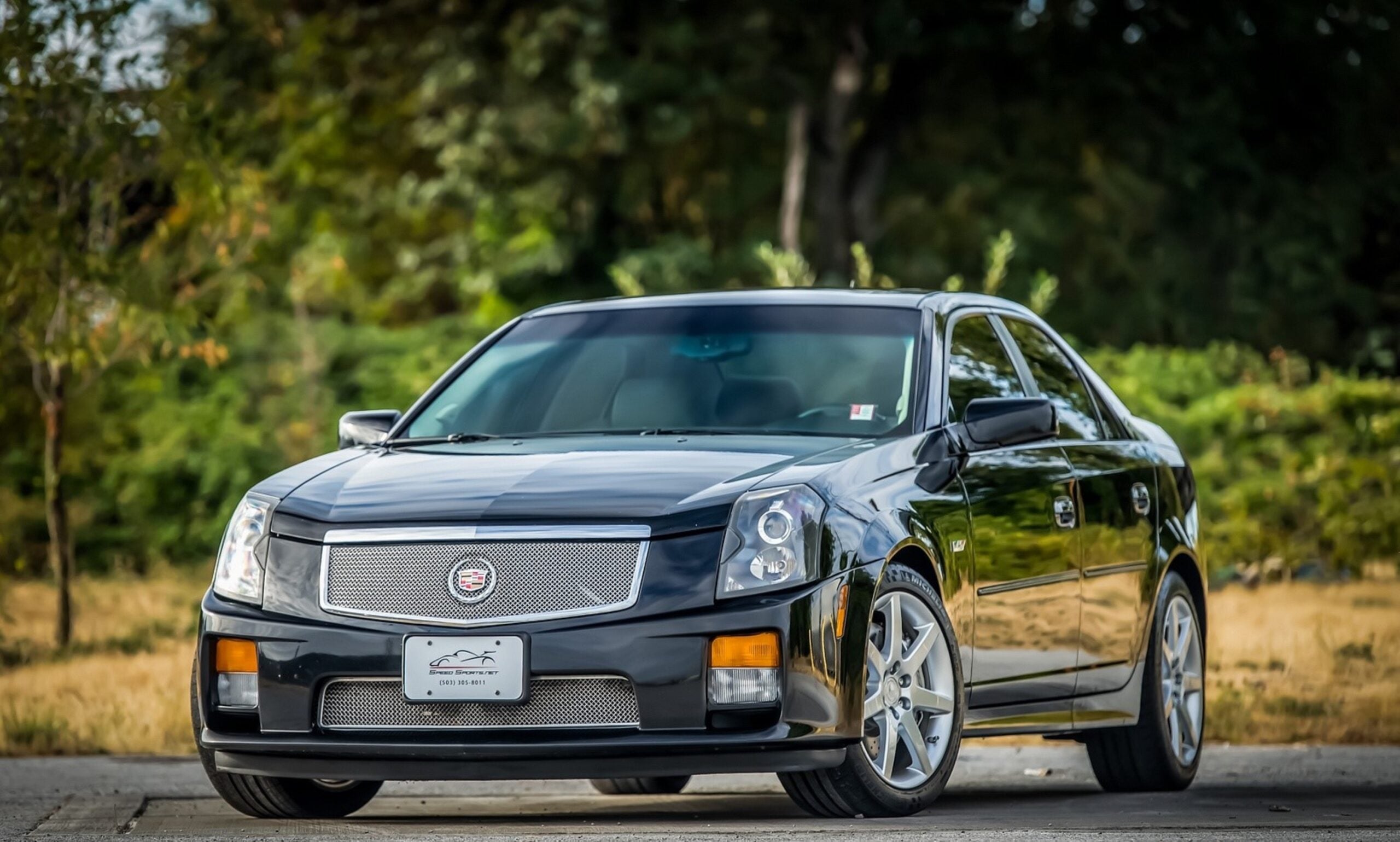
Around the turn of the millennium, Cadillac rolled out its ‘Art and Science’ design language, with the 1999 Evoq concept setting the tone with sharp lines, bold surfaces, and a modern identity that broke from traditional American luxury. This new direction was championed by GM’s revitalized design leadership and supported by executives who believed Cadillac needed to compete directly with European performance brands.
The CTS, introduced in January 2002 as a 2003 model, became the centerpiece of this transformation. Its high-performance variant, the CTS-V, proved that Cadillac could build a world-class sports sedan capable of challenging the best from Germany. At the same time, the Escalade rose to prominence as one of the most influential luxury SUVs ever produced, becoming a cultural icon and a sales powerhouse.
Cadillac’s modern resurgence was built on a blend of performance engineering, bold design, and a willingness to reinvent itself once again.
Cadillac Today: Electrification, Technology, and a New Identity
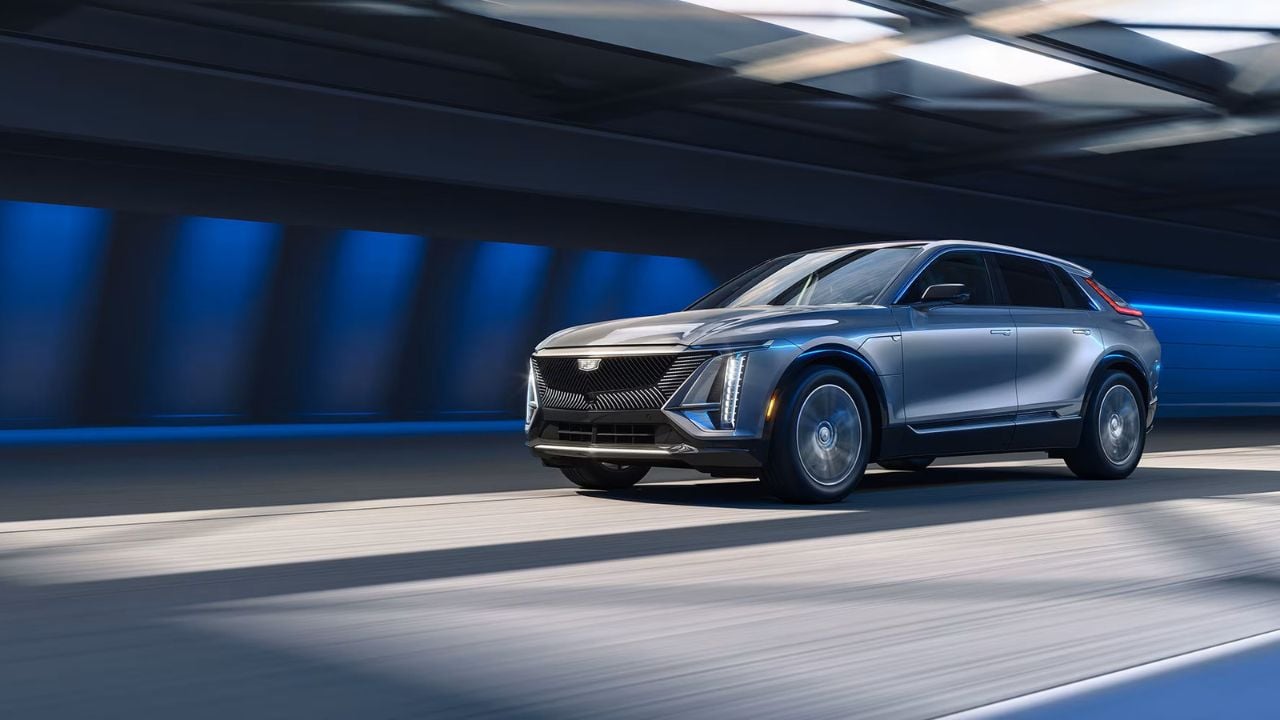
In recent years, Cadillac has entered another era of transformation. The brand has been positioned as General Motors’ spearhead for electric luxury, aligning with GM’s broader Ultium-based EV strategy. Leadership within Cadillac has focused on redefining the brand for a new generation of buyers while honoring its legacy of innovation.
Key developments include:
- The launch of the Cadillac Lyriq, Cadillac’s first all-electric SUV and the start of its Ultium-based EV lineup.
- The development of the Celestiq, a hand-built, ultra-luxury EV intended to reestablish Cadillac at the top of the global luxury hierarchy.
- Expansion of advanced driver assistance technologies, including Super Cruise, with GM’s next-generation assisted-driving work evolving beyond earlier ‘Ultra Cruise’ branding.
- A major push toward an all-electric portfolio by the end of the decade, while leaving flexibility for some gasoline models to continue beyond earlier 2030 expectations.
Today, Cadillac stands at the forefront of electrification, blending innovative technology with the craftsmanship and ambition that defined its earliest days.
A Legacy Still in Motion
From its beginnings in 1902, born from the remnants of a failed company and the vision of precision-obsessed engineers, to its current role as a leader in electric luxury, Cadillac has continually reinvented itself while maintaining its core identity. It has survived economic upheavals, redefined American automotive style, pioneered engineering breakthroughs, and shaped cultural moments across generations.
As Cadillac moves deeper into electrification and ultra-luxury craftsmanship, it carries forward the same ambition that defined its earliest days: to set the standard, not follow it.
The next chapter of Cadillac’s history is being written now, and like the chapters before it, it will be defined by innovation, reinvention, and the pursuit of excellence.