The verdict resonated far beyond the courtroom. BYD, the Chinese electric vehicle giant renowned for reshaping the global auto market, secured a decisive legal victory with reverberating implications for truth, reputation, and the power of social media voices in a digitally charged era.
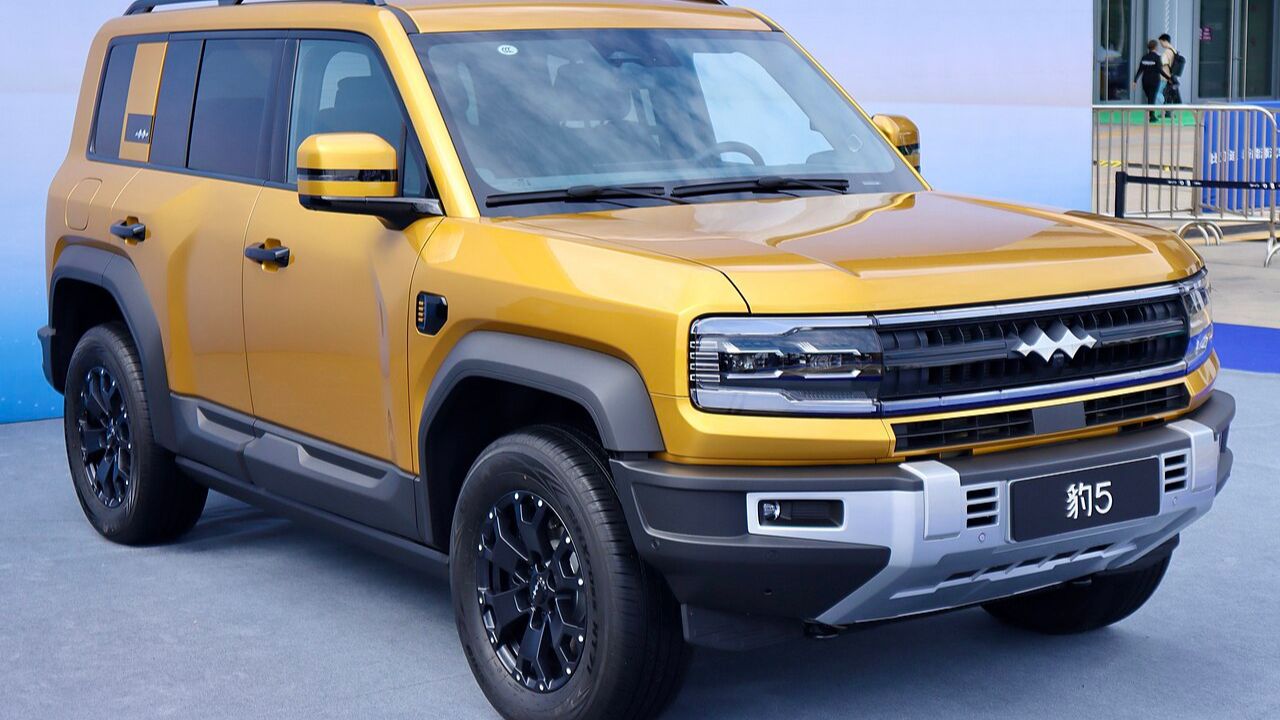
The ruling hinges on the controversial case of the Denza B5 high-performance plug-in hybrid SUV and accusations made about its fuel consumption that BYD successfully proved were defamatory.
The saga began in late 2023 when a popular automotive content creator on China’s Douyin platform shared a video claiming that the Denza B5 consumed a staggering 13 miles per gallon (18 liters per 100 kilometers) during everyday driving.
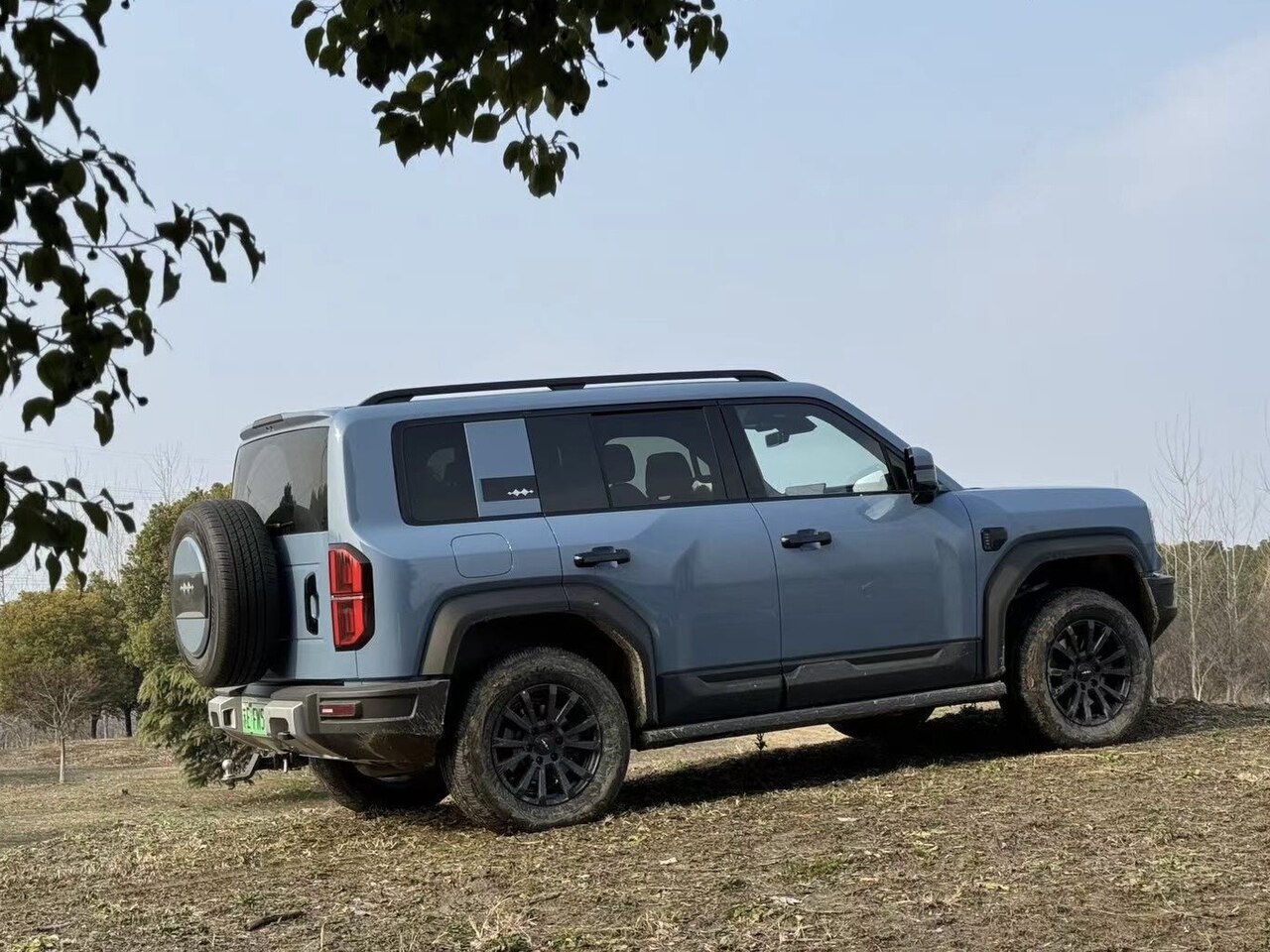
That figure stood in stark contrast to BYD’s official figure of 131 mpg (1.79 L/100 km) under WLTC testing conditions and immediately drew the attention of EV fans and sceptics.
The sceptics defended the creator’s footage as independent reporting while BYD branded it as misinformation that threatened the company’s reputation and misled consumers.
The Investigation
Chinese authorities and netizens scrutinized the video, and an investigation eventually uncovered that the influencer had repeatedly driven at high speeds and engaged in behaviors that naturally inflate fuel consumption rates.
According to court records, over 46 per cent of the driving footage showed speeds between 87 and 99 mph (140 and 160 km/h) and occasional bursts above 112 mph (180 km/h). Traffic authorities also concluded that the content creator’s driving patterns were unsafe.
After months of legal wrangling, a Chinese court finally handed down a landmark ruling on January 22, ordering the blogger to pay about $290,000 (2.01 million yuan) in compensation for defamation. BYD’s legal team had originally sought a public apology and upwards of $720,000 (5 million yuan), citing damage to its brand credibility and consumer trust.
In its statement after the ruling, BYD reiterated that it welcomes public oversight and genuine criticism from all corners but emphasized that falsehoods packaged as factual reporting are unlawful and detrimental to both industry fairness and informed consumer choice. The company pledged to continue defending its interests through judicial channels.
A Pattern of Legal Action Against Misinformation
This is not an isolated case. In 2025, BYD launched legal actions against dozens of online personalities and platforms accused of spreading harmful misinformation about the company and its products. A number of these cases resulted in court orders for content removal, apologies, and financial penalties.
BYD reportedly even established an internal office focused on combating news fraud and has offered incentives for verified leads related to online defamation.
The context for these legal battles is a rapidly evolving Chinese automotive market where new energy vehicles now account for over half of all sales, and competition is intense among domestic and foreign brands.

According to recent state media reports, coordinated smear networks and automated content farms have been uncovered that target corporate reputations and attempt to manipulate public opinion during key product launches and market moments.
Investigations found that some influencers generated misleading posts at scale using AI tools and fake accounts.
Those happy with the court’s decision argue that it marks a necessary stand against rampant online misinformation that can distort consumer perceptions and undermine legitimate industry growth. They say that in a digital age where viral content can shape market sentiment in minutes, legal safeguards must catch up to protect truth and fairness.
On the other hand, some free-speech advocates and digital rights commentators worry that the line between criticism and defamation could be drawn too tightly, potentially stifling independent voices and discouraging candid reviews.
While BYD’s position is that the ruling protects consumers from harmful falsehoods, the broader implications for influencer culture and content regulation remain under lively debate.
A Victory During a Period of Expansion
For BYD itself, the ruling comes at a time of expansion and product momentum. The company recently rolled out new models under its premium Denza brand, including the N8L SUV, and is exploring novel sales channels like Japanese shopping mall showrooms to access new markets.
At the intersection of social media influence, consumer protection, and corporate reputation, this courtroom ruling shows that in the electrified, interconnected world of modern auto markets, every claim, every post, and every vehicle statistic matters.
How the industry will strike a balance between robust public discourse and protection against misinformation is a question that promises to shape automotive culture in the years ahead.
Sources: CarNewsChina.com