Let’s be honest: not everyone can drop $80K on a Raptor or pretend their mall-crawling Wrangler with 37-inch tires has ever seen anything rougher than a Whole Foods parking lot. Some of us actually want to explore trails without spending an amount that could finance our grandchildren’s college tuition in the process.
The good news? Plenty of capable rigs are sitting on used car lots right now, waiting for someone with actual adventure plans instead of Instagram aspirations. These machines have proven themselves where it matters, not in dealer showrooms, but on actual dirt, getting actual mud in their actual wheel wells.
Here are 10 budget-friendly off-roaders that’ll get you to places your GPS gave up on long ago, all while leaving enough money in your checking account to buy gas for the return trip.
How We Chose the Rigs
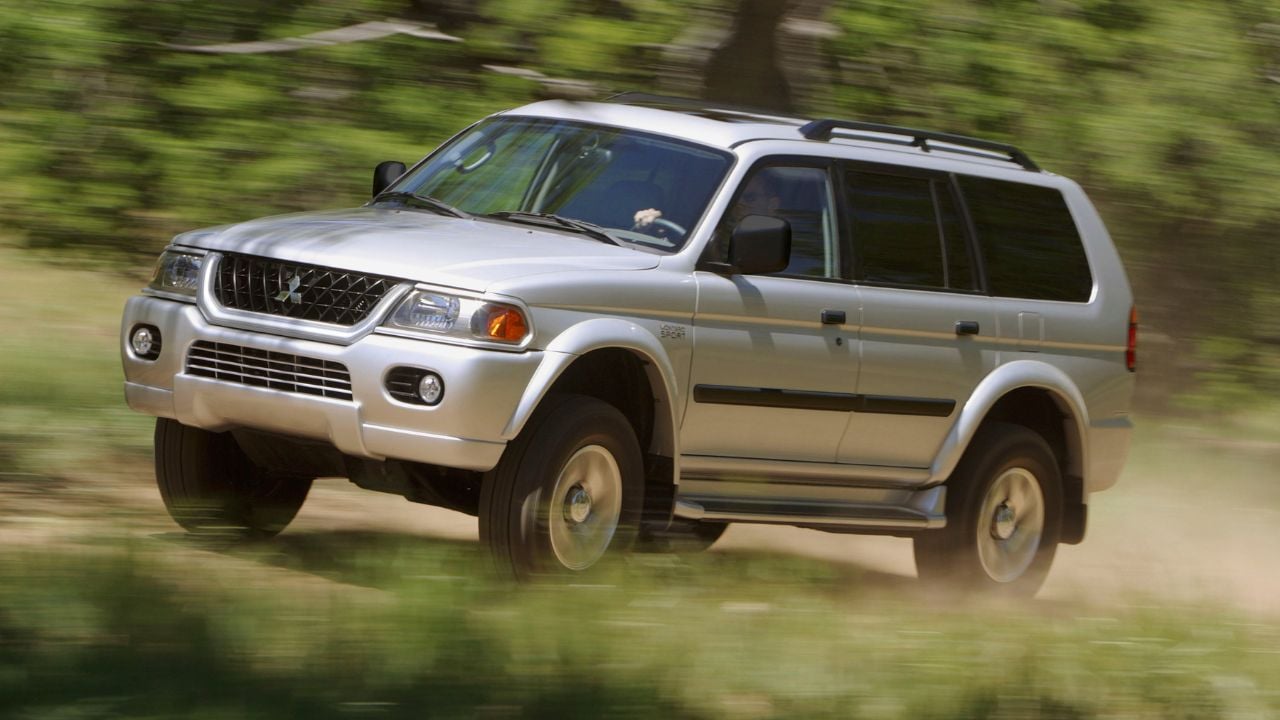
Off-roading isn’t about showing off, it’s about showing up. We wanted to include off-roading vehicles that can take off the most challenging trails without causing an uphill battle with your bank account. First, we had to identify what counts as cost-effective, which differs from person to person. For us, “budget” means the vehicle is a good deal for what it’s capable of and is not as expensive as its equal competitors.
Each vehicle earned its spot through years of proving itself on actual trails, not marketing brochures. We prioritized ground clearance over chrome, approach angles over Apple CarPlay, and parts availability over prestige badges. Because when you’re stuck in a creek bed at midnight, you care a lot more about whether your rig can get unstuck than whether it has a heated steering wheel.
Geo Tracker
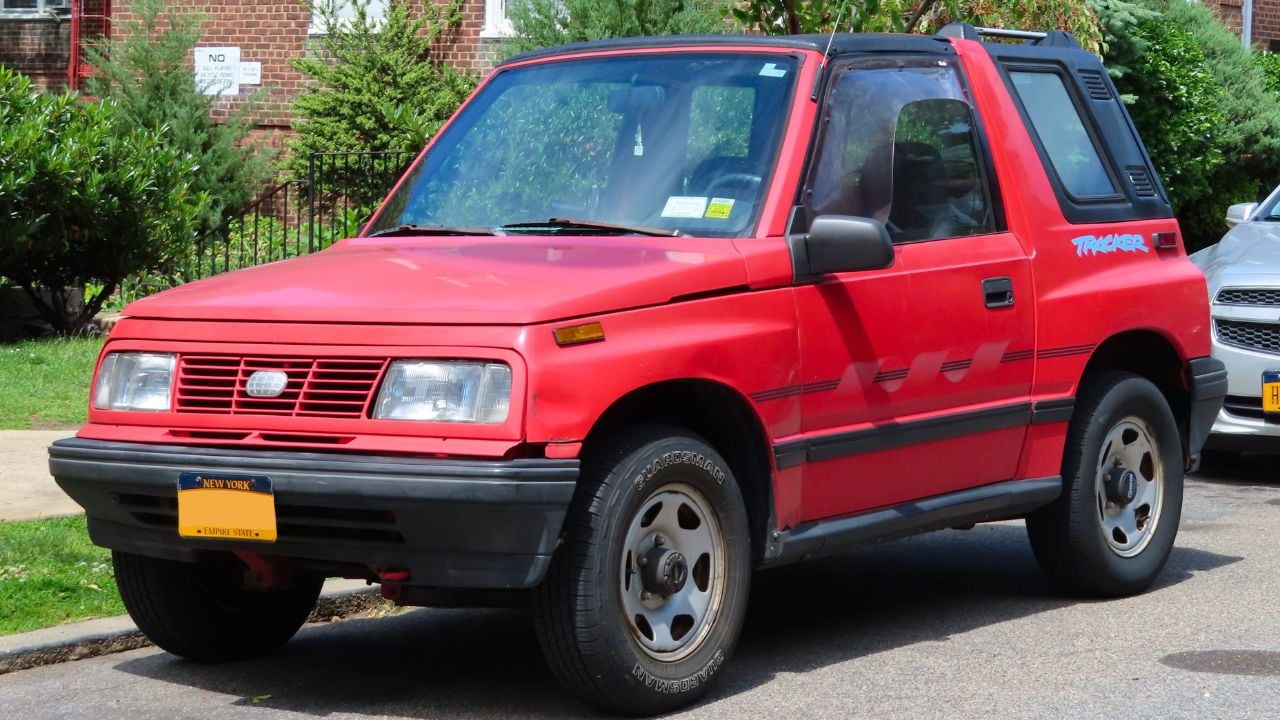
Don’t let the happy face and economy car origins fool you: the Geo Tracker is basically a Suzuki Sidekick in a cheap suit, and that’s actually a compliment. With a curb weight that barely exceeds a golf cart and dimensions that could thread through a McDonald’s drive-thru sideways, this little box on wheels has been surprising people for decades.
The 1.6-liter four-cylinder makes about as much power as a determined hamster, but here’s the thing: you don’t need 400 horsepower to climb rocks. You need gearing, ground clearance, and the willingness to take things slow. The Tracker delivers on all three, plus it gets gas mileage that won’t require a second mortgage.
The Numbers: 8.0 inches of ground clearance (4×4), 32-degree approach angle, 28.3-degree departure angle, and approximately zero intimidation factor, which works in your favor when other drivers underestimate you.
Reality Check: Yes, highway driving feels like wrestling a shopping cart in a hurricane. No, you won’t win any drag races. But when everyone else is turning around because the trail got “too difficult,” you’ll keep chugging along like a caffeinated mountain goat.
What to Watch For: Rust loves these things more than teenagers love TikTok. Check the frame thoroughly, especially around the rear suspension mounts. The soft top seals about as solid as a screen door, so interior water damage is common.
Mitsubishi Montero
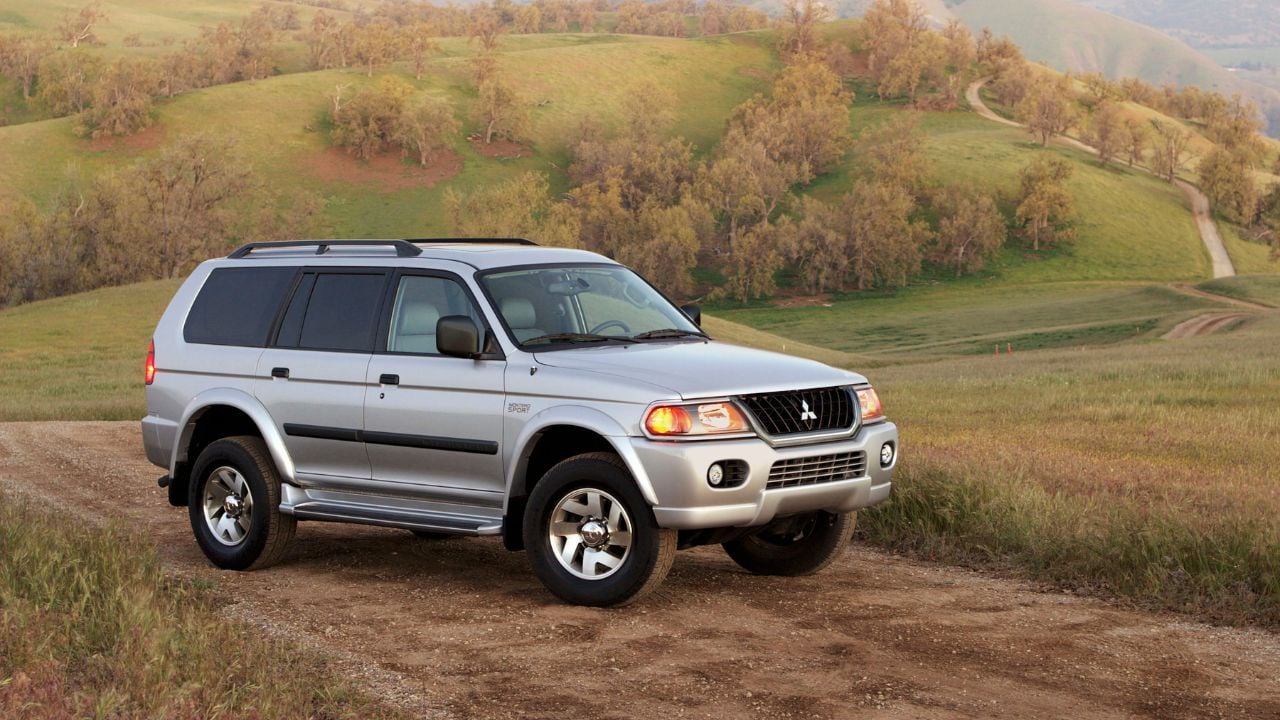
While everyone was buying 4Runners and arguing about Jeep reliability, the Montero was quietly becoming the choice of people who actually knew what they were doing. This thing was crossing the Sahara when your Suburban was still figuring out how to engage four-wheel drive.
The first-generation Montero sold in the United States from 1997 through 2004 offers the sweet spot of capability and affordability. With part-time four-wheel drive and a proper low-range transfer case on 4WD models, plus suspension that soaks up washboard roads like they’re speed bumps, it’s everything an overland rig should be.
The Numbers: about 8.7 inches of ground clearance, independent front suspension with a solid rear axle, and a 3.0-liter V6 that makes enough power to haul your gear and your bad decisions up mountain passes.
Reality Check: Parts aren’t as common as Toyota bits, but they’re not unicorn rare either. The Montero Sport handles like a proper truck on-road – meaning it doesn’t, really, but off-road is where it comes alive.
What to Watch For: The 3.0-liter V6 had some head gasket issues in early years. The automatic transmission likes regular fluid changes. And yes, it drinks gas like a sailor on shore leave, but that’s the price of capability.
Suzuki Samurai

Consumer Reports raised rollover concerns about the Samurai in the late 1980s, sparking a long controversy, but joke’s on them: the Samurai just keeps rolling along trails where their test drivers would need therapy just thinking about going. This is what happens when you take a tiny engine, wrap it in the minimum amount of sheet metal required by law, and point it at a mountain.
With a wheelbase shorter than some people’s attention spans and a turning radius that could embarrass a shopping cart, the Samurai goes places that shouldn’t have names. It weighs about as much as a modern car’s infotainment system, which means it floats over sand and mud instead of sinking like a brick.
The Numbers: 7.7 inches of ground clearance, 1.3-liter four-cylinder making 63 hp (on a good day), and curb weight under 2,200 pounds. It’s basically a motorized tent.
Reality Check: Highway speeds are theoretical concepts. The heater works about as well as thoughts and prayers. But when the trail turns into a goat path, you’ll be grinning while everyone else is turning around.
What to Watch For: Rust is the enemy. The 1.3-liter engine is bulletproof if maintained, but the cooling system needs attention. Many have been “modified” by previous owners who thought more was always better, inspect accordingly.
Subaru Forester
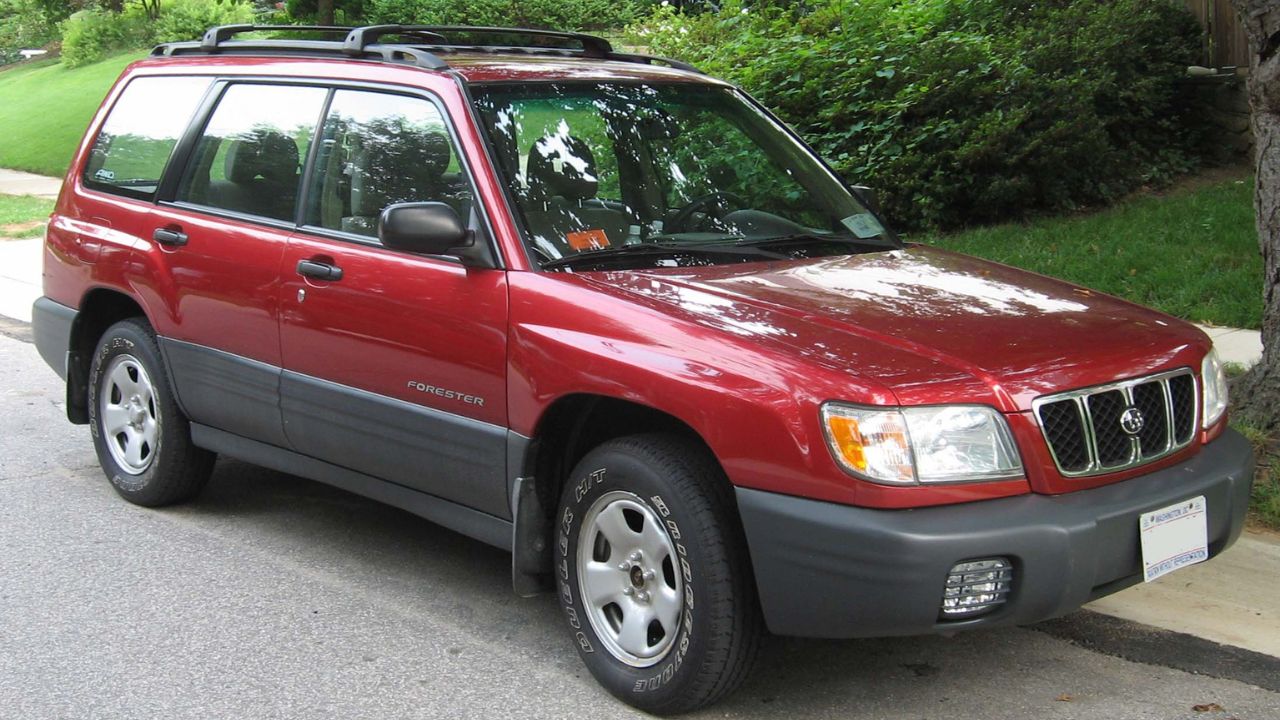
Before crossovers became mall-crawling fashion statements, the first-generation Forester was doing wagon things properly. All-wheel drive that actually works, ground clearance that means business, and the reliability to keep running when things get complicated.
This is the rig for people who want to get to trailheads without looking like they’re compensating for something. It hauls camping gear like a champ, returns decent fuel economy, and won’t scare your spouse when you mention taking it on forest service roads.
The Numbers: 7.9 inches of ground clearance, symmetrical all-wheel drive, and a 2.5-liter flat-four that makes enough power to get the job done without drama.
Reality Check: It’s not going to crawl rocks like a Jeep, but it’ll get you to places most SUVs only dream about. Plus, you can still drive it to work on Monday without looking like you raided a military surplus store.
What to Watch For: Head gaskets are a known issue around 100K miles. Check for oil leaks and overheating. The manual transmission versions are more fun and generally more reliable than the automatics.
Isuzu Rodeo
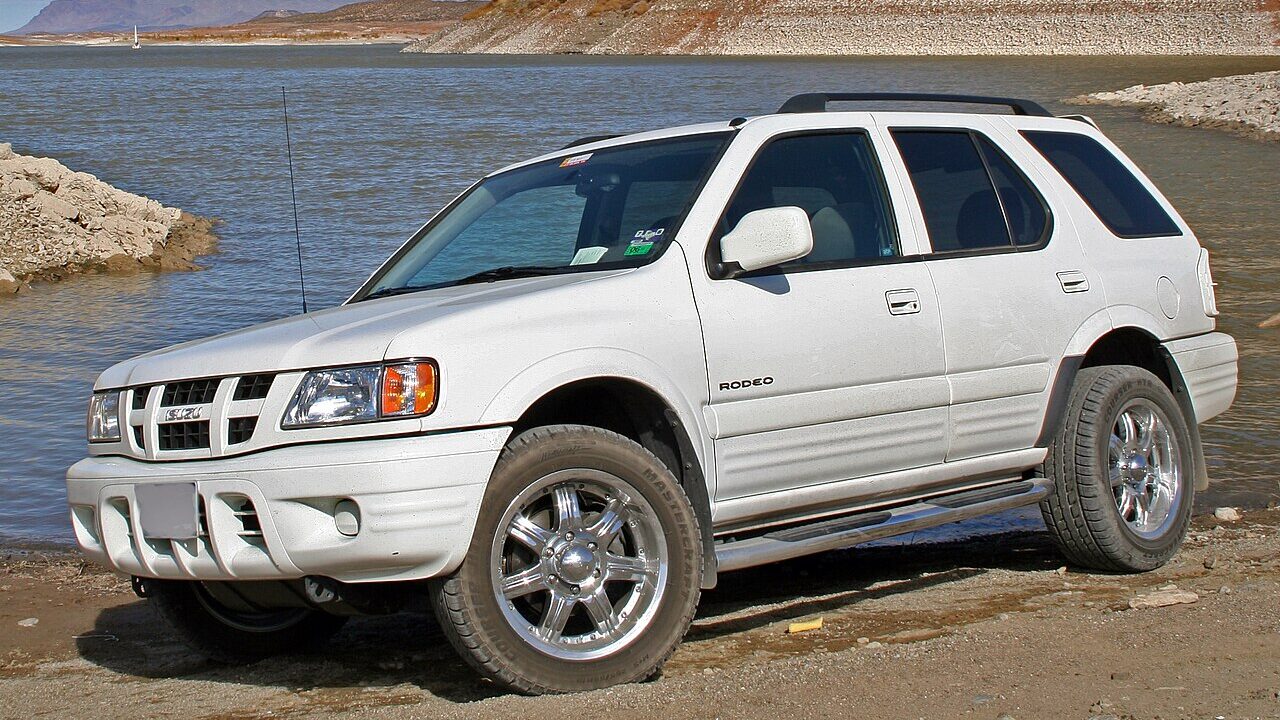
While other manufacturers were busy making their trucks “lifestyle vehicles,” Isuzu just built honest work trucks that happened to be good at climbing mountains. The Rodeo doesn’t pretend to be anything other than what it is: a straightforward tool for getting places and carrying stuff.
The second-generation Rodeo (1998-2004) offers the best balance of capability and creature comforts. With a proper frame, independent front suspension and a solid rear axle, and enough interior space for actual humans and their gear, it’s the truck equivalent of a good pair of work boots.
The Numbers: 8.4 inches of ground clearance, choice of a 2.2-liter four-cylinder or a 3.2-liter V6, with a 3.5-liter V6 available later depending on model year, and approach/departure angles that mean business.
Reality Check: Not as refined as a 4Runner, not as cheap as a Tracker, but reliable and capable enough to earn its keep. The V6 models have enough power for highway driving without embarrassment.
What to Watch For: The 3.2-liter V6 had some intake manifold gasket issues. Check for coolant leaks and a rough idle. The manual transmission is tougher than the automatic, as usual.
Jeep Cherokee XJ

This is it: the holy grail of budget off-roading. The Cherokee XJ wrote the book on how to build a capable, reliable off-roader that doesn’t cost mortgage money. With a unibody construction that’s somehow tougher than most truck frames and a straight-six engine that runs forever on neglect and spite, it’s the cockroach of the off-road world.
Every serious off-road enthusiast either owns one, has owned one, or lies awake at night wishing they owned one. It’s the benchmark by which all other budget off-roaders are measured, and most come up short.
The Numbers: 8.5 inches of ground clearance, legendary 4.0-liter inline-six making 190 hp, and dimensions that thread through tight trails while still carrying five people and their camping gear.
Reality Check: Finding a good one is like finding a unicorn that hasn’t been “modified” by someone who learned about off-roading from YouTube. But when you find that unicorn, buy it immediately.
What to Watch For: Rust around the rear quarter panels and tailgate. The rear main seal likes to leak. Death wobble is real, but fixable. And yes, everyone will try to buy it from you at gas stations.
Toyota 4Runner

Here’s the truth about first and second-generation 4Runners: they’re good trucks, but they’re not magical. Toyota’s reputation for reliability is well-deserved, but it’s also inflated their used prices to the point where buying one requires either excellent credit or questionable life choices.
That said, if you can find one at a reasonable price (spoiler: you can’t), it’s a solid choice. The 22R and 22RE four-cylinders run forever, the solid front axle versions are nearly bulletproof, and they’ll climb mountains all day without complaint.
The Numbers: about 8 inches of ground clearance in stock form (varies by year and tires), choice of gutless but reliable four-cylinders or thirsty V6s, and the kind of resale value that makes accountants weep with joy.
Reality Check: You’ll pay extra for the Toyota tax, and finding one that hasn’t been beaten to death or overly modified requires patience and luck. But they earn their reputation.
What to Watch For: Rust is the killer, especially on the frame. The 3.0-liter V6 had head gasket issues. Timing chain noise on high-mileage trucks. And prepare to compete with hipsters who think they’re buying into a lifestyle.
Nissan Pathfinder (First Generation)
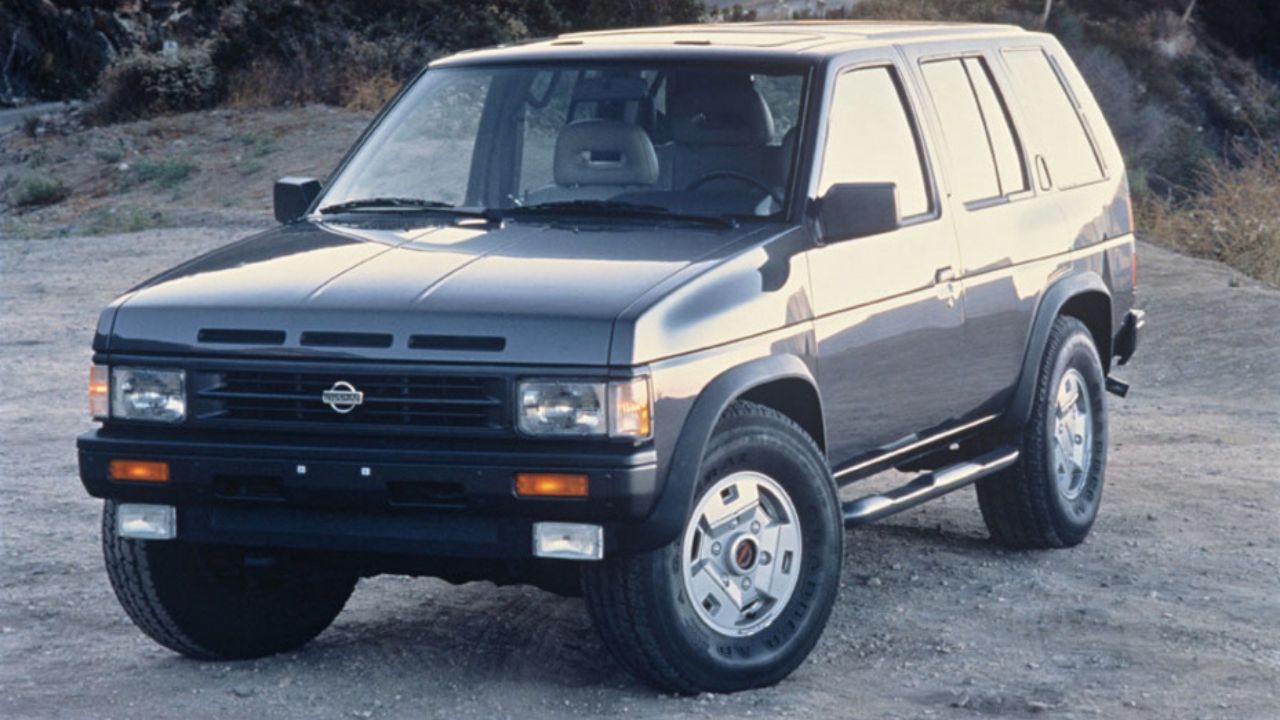
While Toyota owners were paying premium prices for trucks that said “Toyota” on the hood, smart buyers were picking up Pathfinders that did 90% of the same stuff for 60% of the money. The first-generation Pathfinder is tough, capable, and reliable enough to bet your life on.
With a proper truck frame, tough truck-based running gear, and Nissan’s VG30 V6 family, it’s everything you need for serious off-road work. Plus, it doesn’t have the Toyota tax, which means you might actually be able to afford one.
The Numbers: 8.1 inches of ground clearance, 3.0-liter V6 making 143 hp (1987-1989) or 153 hp (1990-1995), and the kind of honest construction that doesn’t require constant babying.
Reality Check: Not as refined as modern SUVs, but way more honest. The interior is basic but functional, and everything feels built to last rather than impress.
What to Watch For: Timing belt maintenance is critical, and repairs can be expensive if it breaks. Check for rust and oil leaks. The manual transmission is preferable to the automatic.
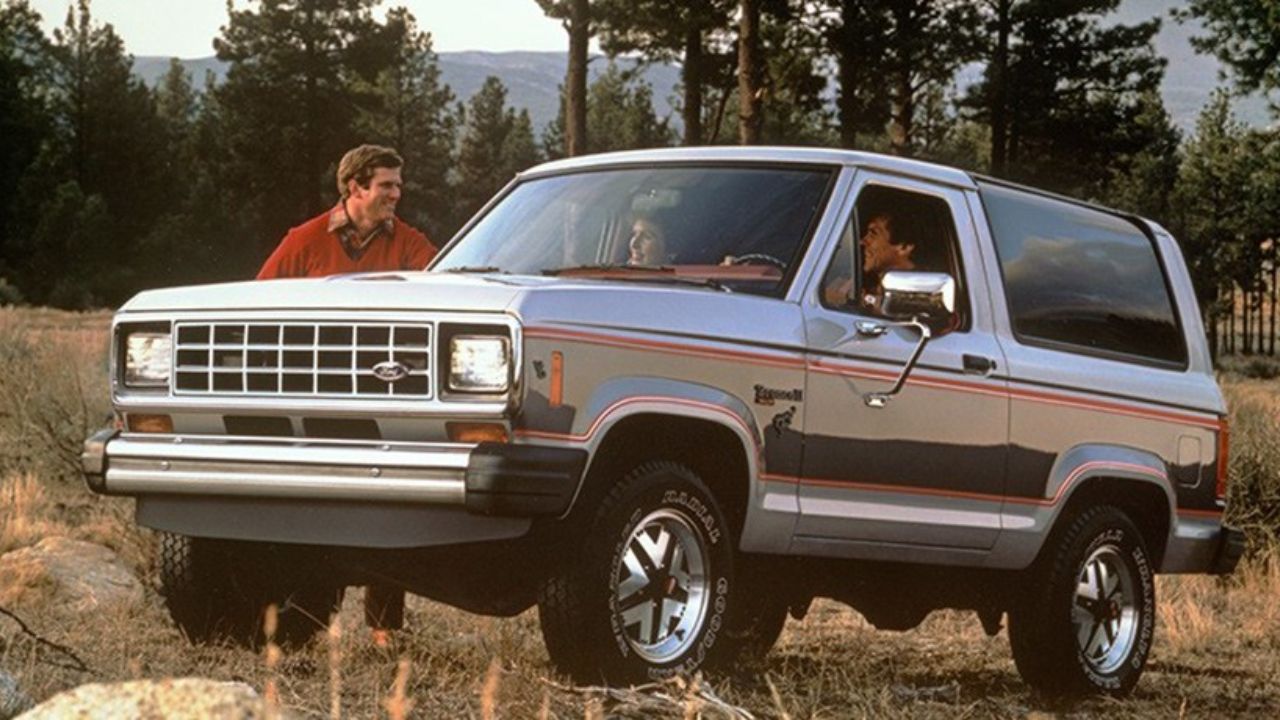
Ford Bronco II
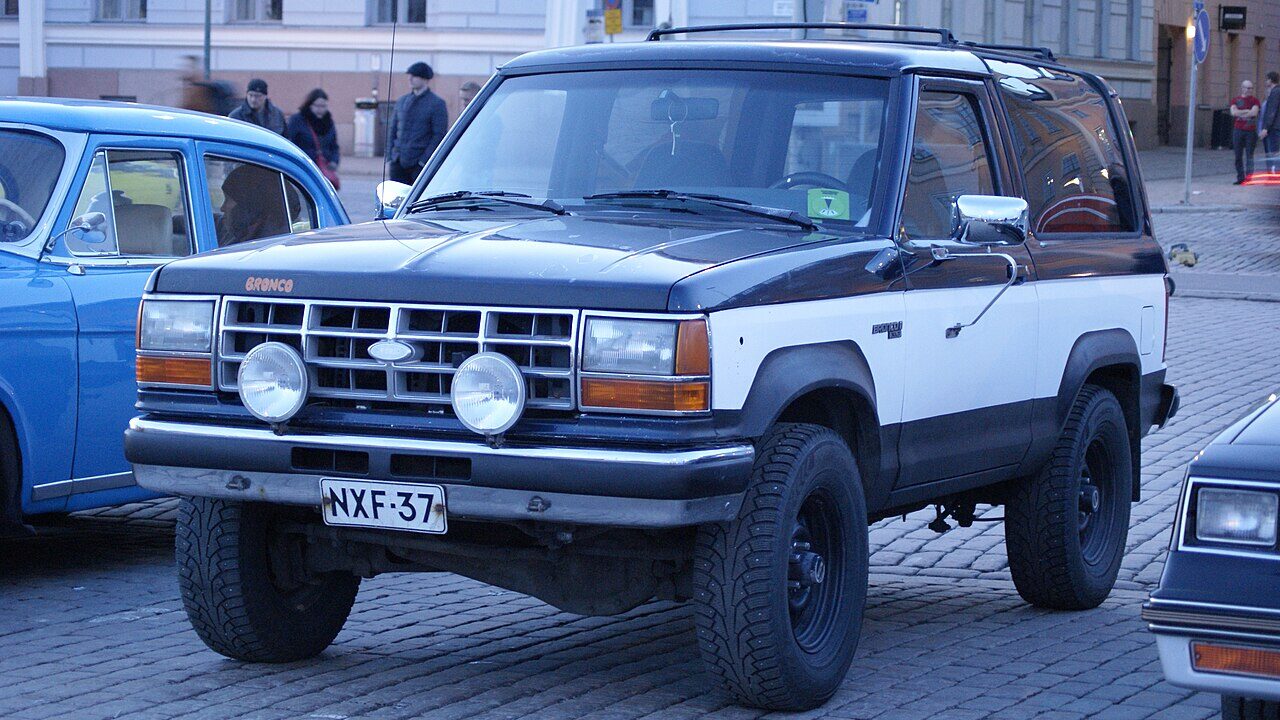
Ford’s attempt to compete with the Chevy S-10 Blazer and make a smaller Bronco resulted in this oddball that’s somehow both terrible and loveable at the same time. Built on a shortened Ranger platform, it’s basically a pickup truck that went to charm school but skipped the classes on highway manners.
The Bronco II is proof that you don’t need to be the best at everything to be good at something. It’s terrible on highways, uncomfortable for long trips, and has all the aerodynamics of a brick, but put it on a narrow trail and it comes alive.
The Numbers: 7.9 inches of ground clearance, choice of gutless four-cylinder or adequate V6, and a wheelbase short enough to make U-turns in phone booths (if phone booths still existed).
Reality Check: This is a trail toy, not a daily driver. Accept that limitation, and you’ll love it. Try to make it do everything, and you’ll hate life.
What to Watch For: The A4LD automatic transmission is made of glass and hope. The Twin Traction Beam front suspension works, but requires specific knowledge to service properly. And yes, the Bronco II developed a reputation for rollover risk and became the subject of safety criticism and litigation: physics doesn’t care about your feelings.
Chevrolet S-10 Blazer
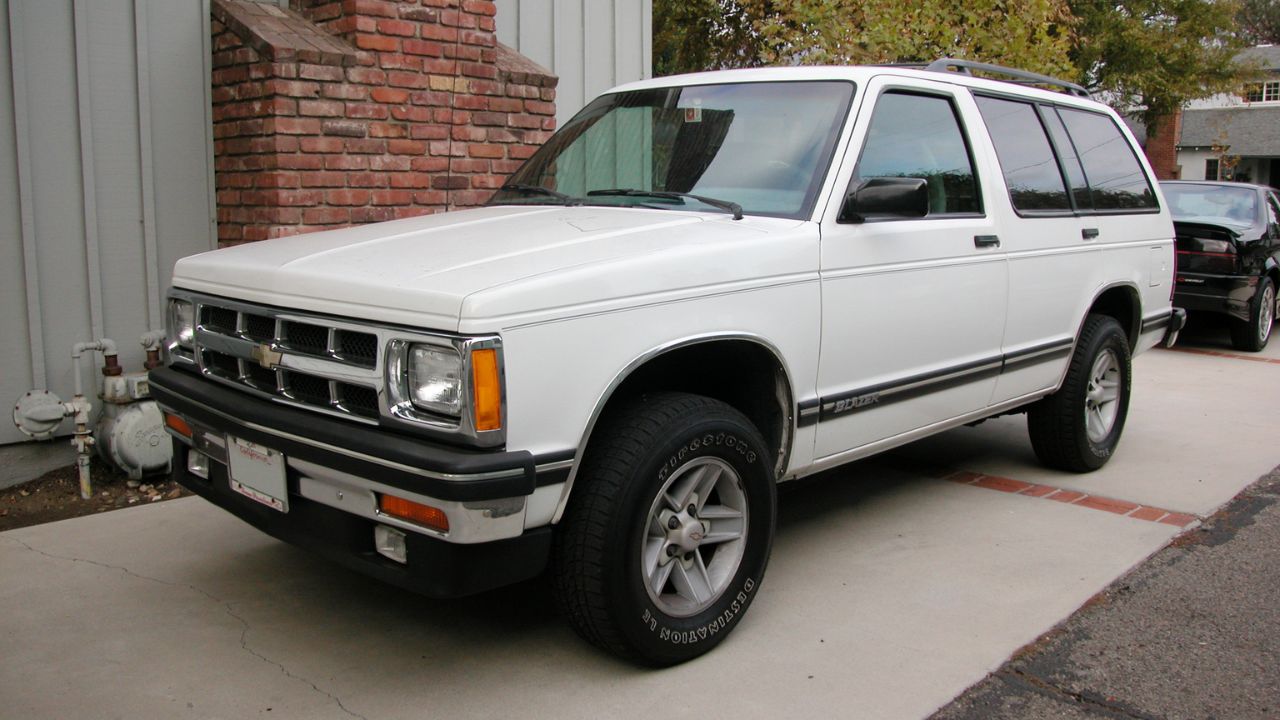
GM’s entry in the compact SUV wars was refreshingly honest: it was a truck that could haul your family and your stuff without pretending to be a luxury vehicle. The two-door S-10 Blazer (the four-door was just an S-10 with commitment issues) offered genuine capability at Chevy prices.
With available four-wheel drive for muddy ones, it hit the sweet spot between capability and practicality. The later models with the 4.3-liter V6 had enough power to merge onto highways without requiring planning and prayer.
The Numbers: 7.8 inches of ground clearance, 4.3-liter V6 making 190-200 hp in second-generation models (1995-2005), depending on year, and enough interior space for actual humans instead of theoretical ones.
Reality Check: More civilized than a Bronco II, more affordable than a 4Runner, and more reliable than you’d expect from ’80s GM. The fuel economy is optimistic at best, but that’s true of everything in this category.
What to Watch For: The 2.8-liter V6 was weak and problematic, stick with 4.3-liter models. Check for rust around the rear wheel wells and tailgate. The fuel injection system can be finicky but is usually fixable.
Where the Trail Leads Next
The best off-road vehicle is the one you can afford to buy, maintain, and actually take off-road. These ten rigs have proven themselves where it matters, not in marketing departments or magazine comparison tests, but on actual trails with actual dirt.
Sure, they’re not perfect. They don’t have heated seats, smartphone integration, or the ability to parallel park themselves. But they offer something more valuable: the freedom to explore without worrying about depreciation, the confidence to take on challenging terrain, and the satisfaction of earning your views instead of buying them.
The trail is calling, and these machines are ready to answer. Your credit score will thank you, your mechanic will know how to fix them, and your garage neighbors will stop asking why you need such a big truck when you never tow anything.
Now get out there and make some memories. Just remember to air down your tires, pack recovery gear, and tell someone where you’re going. The best adventure is one you come back from with stories instead of insurance claims.