Remember when cars looked like they were designed with a ruler and a protractor? The 1980s brought us angular styling that made vehicles look like they meant business, and while mainstream automotive design has softened into curves and swoops, some manufacturers never got the memo.
These boxy bruisers prove that straight lines and sharp angles never really go out of style. Whether it’s for practical reasons like maximizing interior space or simply because some designers appreciate the aesthetic honesty of a good right angle, these vehicles carry the torch of geometric design into the modern era.
Let’s celebrate the cars and trucks that look like they could have rolled off the lot in 1985, even if they’re brand new.
Mercedes-Benz G-Class

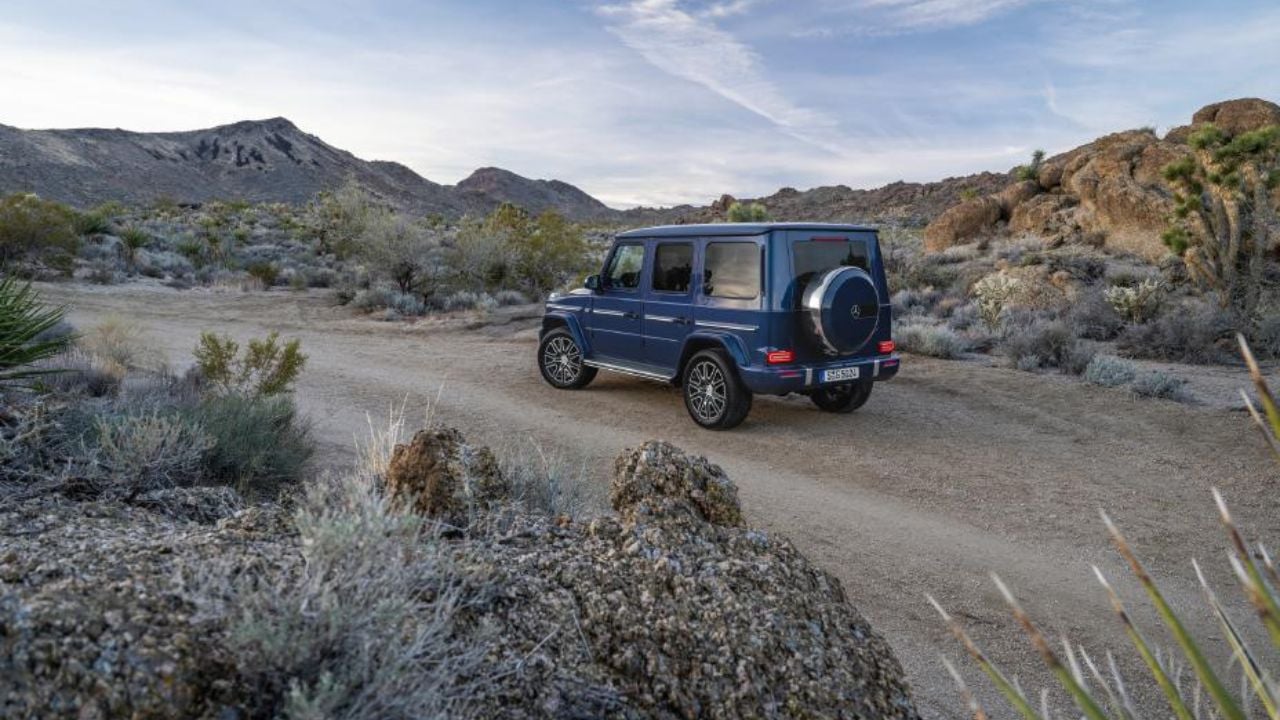
The G-Wagon has been turning heads with its refrigerator-on-wheels aesthetic since 1979, and Mercedes has wisely resisted the temptation to smooth out those edges. Originally designed as a military vehicle, the G-Class wears its utilitarian roots proudly with flat panels and exposed door hinges that look delightfully out of place in a Beverly Hills parking lot.
Starting around $147,000, it’s become the ultimate status symbol for people who want their luxury to look tough. The interior might be draped in Napa leather with modern tech, but from the outside, it could pass for a vehicle that’s been time-traveling through decades.
Mercedes has sold this design’s authenticity so well that even a slight redesign causes enthusiast panic.
Jeep Wrangler

The Wrangler is basically a love letter to the original World War II Jeep, and Jeep knows better than to mess with that formula too much. Those seven-slot grille, flat fenders, and upright windshield have been defining characteristics since the CJ days, creating a silhouette that’s instantly recognizable from a mile away.
With a starting price around $33,000, it’s one of the most accessible ways to drive something genuinely boxy. The design works because it follows function: flat panels are easier to replace after trail damage, and the upright stance maximizes approach angles for off-roading.
Plus, there’s something satisfying about driving a vehicle that looks exactly like what it is, with no pretense or aerodynamic fakery.
Toyota Land Cruiser
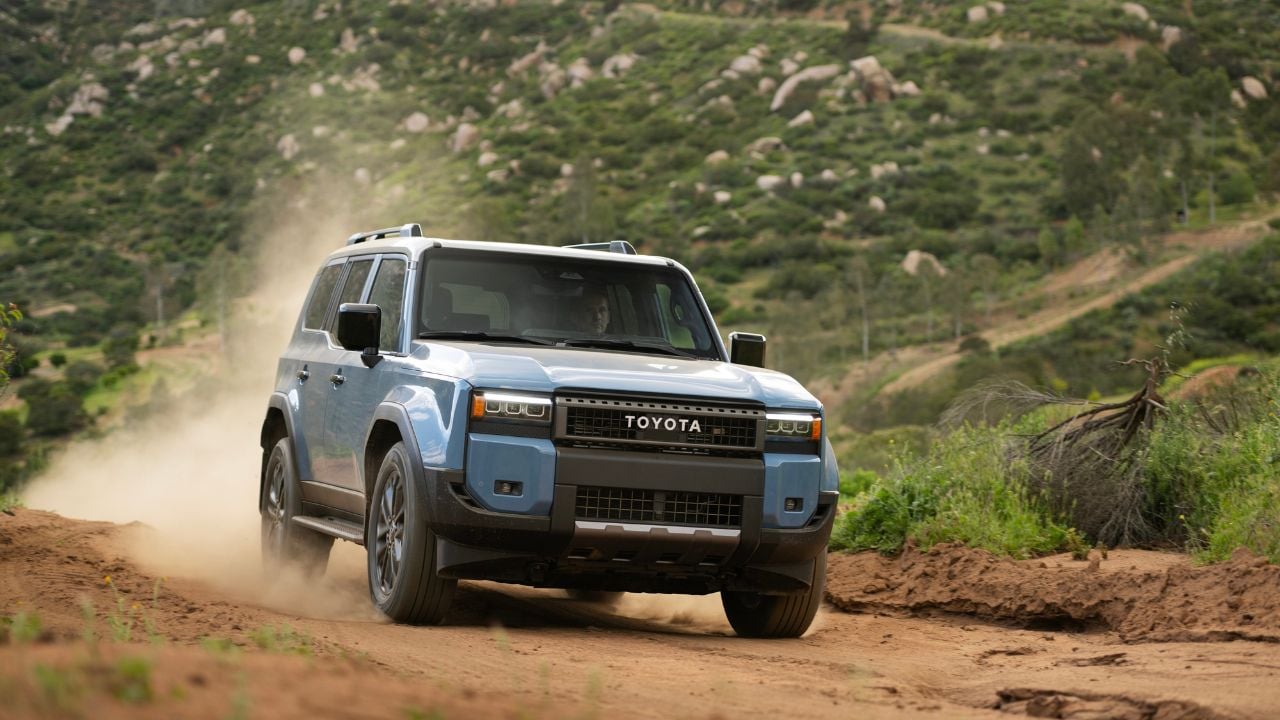
Toyota brought back the Land Cruiser for 2024, and thankfully, they remembered that this icon should look like it could survive an apocalypse. The new version ditches some of the bloat that crept into previous generations and returns to a more angular, purposeful design that recalls the legendary FJ40.
Starting around $57,000, it’s positioned as a more affordable alternative to the G-Wagon crowd while maintaining serious off-road credibility. The flat roof and squared-off profile aren’t just for looks; they maximize headroom and cargo space in a relatively compact footprint.
Toyota could have gone all swoopy and modern, but they understood that Land Cruiser buyers want something that looks ready for adventure, not a mall parking lot.
Ford Bronco

Ford’s resurrection of the Bronco name brought back the boxy styling that made the original such an icon, and enthusiasts have responded with their wallets. The design team clearly studied the first-generation Bronco from the 1960s, translating those flat panels and upright stance into a modern package that starts around $40,000.
Those squared-off wheel arches and flat roof give it an honest, tool-like appearance that stands out in a sea of rounded crossovers. The removable doors and roof panels are easier to engineer with flat surfaces, proving that sometimes the boxy approach is just smarter design.
It’s proof that retro-inspired design works best when it’s not just nostalgia but actually functional.
Rivian R1T

When Rivian set out to design an electric adventure truck, they could have gone sleek and aerodynamic, but instead, they embraced geometry. The R1T’s front end looks like it was carved from a single block of metal, with a horizontal light bar and flat surfaces that seem almost defiant in their simplicity.
Starting around $73,000, it’s positioned as a premium electric truck that doesn’t apologize for its size or shape. The boxy design actually serves the truck’s purpose, with a massive frunk (front trunk) and gear tunnel that benefit from maximized square footage.
Even in the electric vehicle era, there’s room for vehicles that embrace their volume rather than hiding it.
Volvo XC90
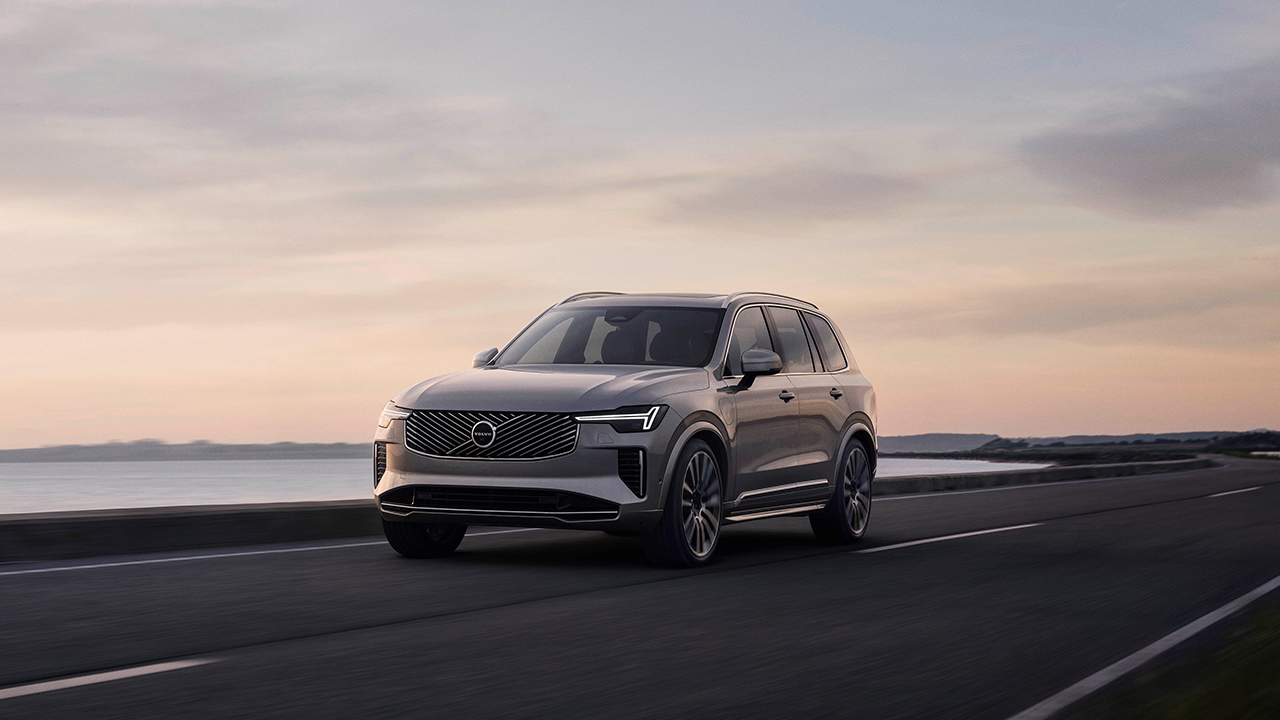
Volvo has been playing with boxy design themes since forever, and the XC90 continues that tradition with its upright profile and squared-off rear end. The Swedish approach to boxiness is more refined than utilitarian, with clean lines that suggest Scandinavian furniture design rather than military hardware.
At around $56,000 to start, it’s positioned as a premium family hauler that doesn’t need to look aggressive to command respect. The tall roofline and flat load floor translate to genuinely useful interior space, making it a favorite among families who appreciate substance over swoopy styling.
Volvo continues to show that boxy doesn’t have to mean brutal; sometimes it can just mean smart.
Honda Element (Worth Mentioning)

Okay, the Element has been out of production since 2011, but it deserves recognition as one of the boxiest vehicles ever to hit American roads. Honda essentially designed a rolling toolbox with suicide doors and a completely flat, washable interior that was perfect for outdoorsy types.
It looked like a toaster on wheels, and Honda leaned into that aesthetic with zero apologies. The used market still loves these things, with clean examples commanding surprising prices because nothing quite replaced them.
The Element is one of those vehicles that defied expectations: it had a controversial appearance but genuine functionality, encouraging a cult following that exists to this day.
Kia Soul

The Soul has been keeping boxy design accessible since 2009, offering a funky alternative to boring compact cars at prices starting around $20,000. Its hamster-approved silhouette maximizes headroom and cargo space while keeping the footprint small enough for city parking.
Kia has refreshed it over the years but wisely kept the basic box shape that makes it instantly recognizable. The flat roof means tall people can actually sit comfortably in back, which is increasingly rare in modern “efficient” designs.
It’s proof that boxy design isn’t just for expensive SUVs or extreme off-roaders; sometimes it’s just the smart choice for practical transportation.
Ram 1500 (Classic Cab Design)

While modern trucks have gotten increasingly sculpted, Ram’s traditional cab designs still maintain that classic square-shouldered look that defined trucks for decades. The regular cab configuration especially carries that 1980s vibe with its upright windshield and flat sides.
Starting in the low-$40,000 range for basic configurations, these trucks still appeal to buyers who want their work vehicle to look like a work vehicle. Those flat bed sides aren’t just traditional; they’re actually more practical for mounting toolboxes and accessories.
It’s more than nostalgia: sometimes the old ways persist because they simply make sense.
Ineos Grenadier

British billionaire Jim Ratcliffe essentially looked at the old Land Rover Defender, decided it shouldn’t have gone out of production, and built his own version. The Grenadier, starting around $75,000 for the SUV and $90,000 for the Quartermaster pickup truck, is unashamedly boxy with flat panels and exposed hinges that make no concessions to aerodynamics.
It’s designed for people who want a vehicle that looks like it could cross the Sahara, even if it never leaves pavement. The interior switches are BMW-sourced and the engineering is serious, but the design language is pure 1980s utility.
It’s a fascinating example of a modern vehicle that deliberately rejects modern styling trends in favor of proven functionality.
Suzuki Jimny (International Markets)

American enthusiasts can only look with envy at the tiny Suzuki Jimny, which continues to be sold in international markets as perhaps the purest expression of boxy utility vehicle design. This miniature off-roader looks like someone scaled down a G-Wagon in a photocopier, with flat panels and a completely upright profile that maximizes interior space.
In markets where it’s sold, it starts around $20,000 equivalent, making it remarkably affordable. The design is so beloved that Suzuki can barely keep up with demand in some regions, proving that plenty of people still appreciate honest, simple styling.
If it ever comes to America officially, enthusiasts will probably form waiting lists immediately.
Canoo Lifestyle Vehicle
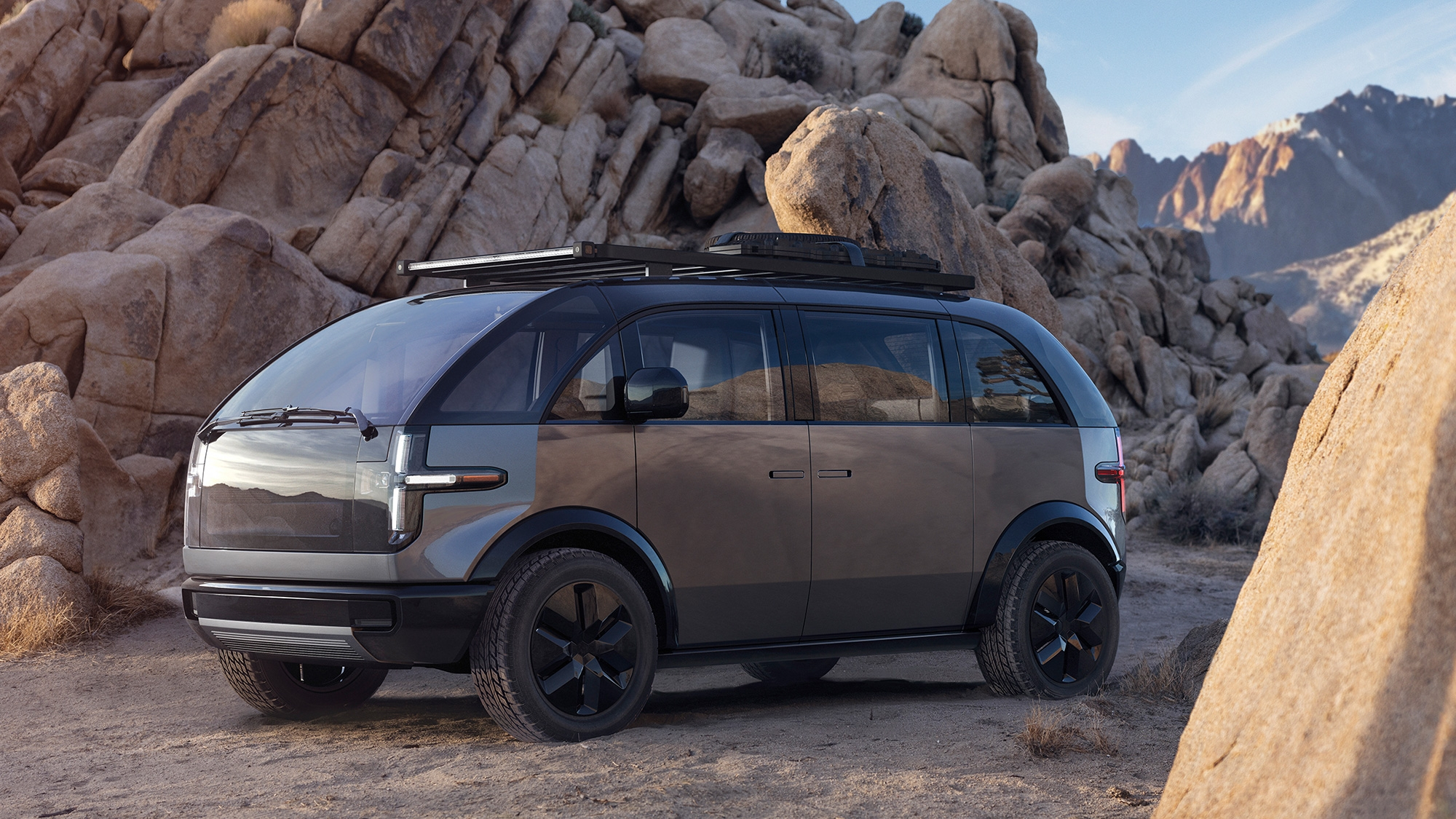
This startup’s electric vehicle looks like it was designed by someone who asked “what if we just made it a box?” and then actually followed through. And it honestly looks awesome.
The Lifestyle Vehicle has a completely flat floor, flat sides, and a windshield that’s basically vertical, creating a spacious interior in a relatively compact package. With production recently starting and prices expected around $35,000, it represents a fresh take on maximizing electric vehicle space efficiency. The design is so dramatically boxy that it almost comes full circle into being futuristic rather than retro.
The most radical design choice can actually be the most obvious one: just make it a sensible shape.
Conclusion
The survival of boxy design in modern automotive culture tells us something important about what drivers actually value. While wind tunnels and efficiency standards push most vehicles toward similar teardrop shapes, these angular holdouts prove there’s still a market for honest, purposeful design.
Whether it’s the luxury of a G-Wagon or the practicality of a Soul, these vehicles share a design philosophy that prioritizes space, functionality, and visual honesty over aerodynamic coefficients. The next time someone claims that all modern cars look the same, point them toward these geometric gems that refuse to blend in.
In a world of rounded edges and sculpted surfaces, sometimes the most distinctive choice is simply a straight line.