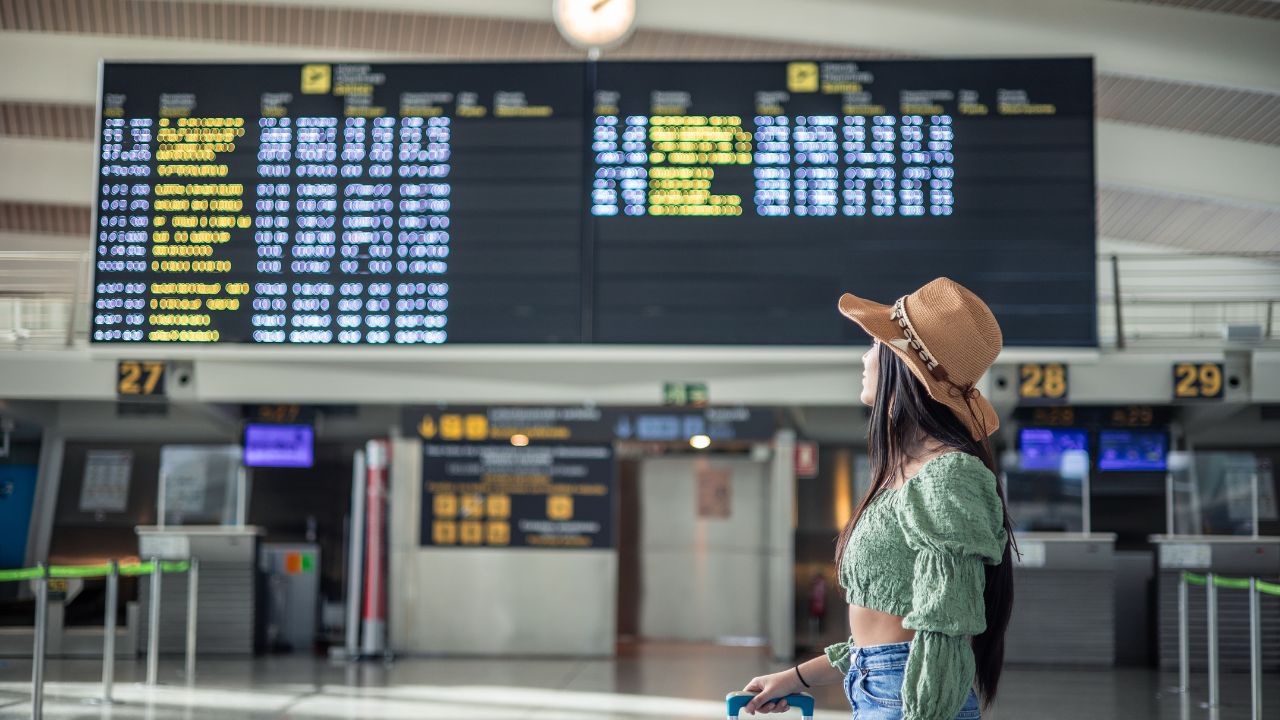
Six months from now, a lot of us will forget which hotel had the nice shower. We will remember the trip that felt personal, the one that matched our mood, our weird little hobby, or our current life chapter. Booking.com’s 2026 Travel Predictions leans hard into that idea, framing this as the “Era of YOU,” where people stop copying the same itinerary and start building trips around identity.
This trend recap pulls from Booking.com’s research based on more than 29,000 travelers across 33 countries and territories, plus Booking.com’s destination insights released on October 15, 2025. The fun part is spotting what’s rising and what’s fading, then timing your travel so you catch the best version of a place without the worst crowds. The easiest way to use this is simple: steal the ideas that match your life right now and ignore the rest.
What the Booking.com Data Actually Is, and What It Is Not

Booking.com’s 2026 report is a snapshot of intentions, not a guarantee of what everyone will do. It tracks what travelers say they want next, which is useful because it often shows where demand is heading before the social media flood arrives. The headline is clear: travel keeps moving away from one-size-fits-all and toward personal passions, quirks, and goals.
It also explains why the “winners” this year are not only destinations but also trip types. The strongest signal is individuality: fantasy-inspired escapes, quiet nature hobbies, tech-forward stays, and micro-celebration getaways. These patterns shape pricing, availability, and crowds, even if you never read a trend report in your life.
Winner: Modern Milestone Missions (Tiny Wins Become Travel Excuses)
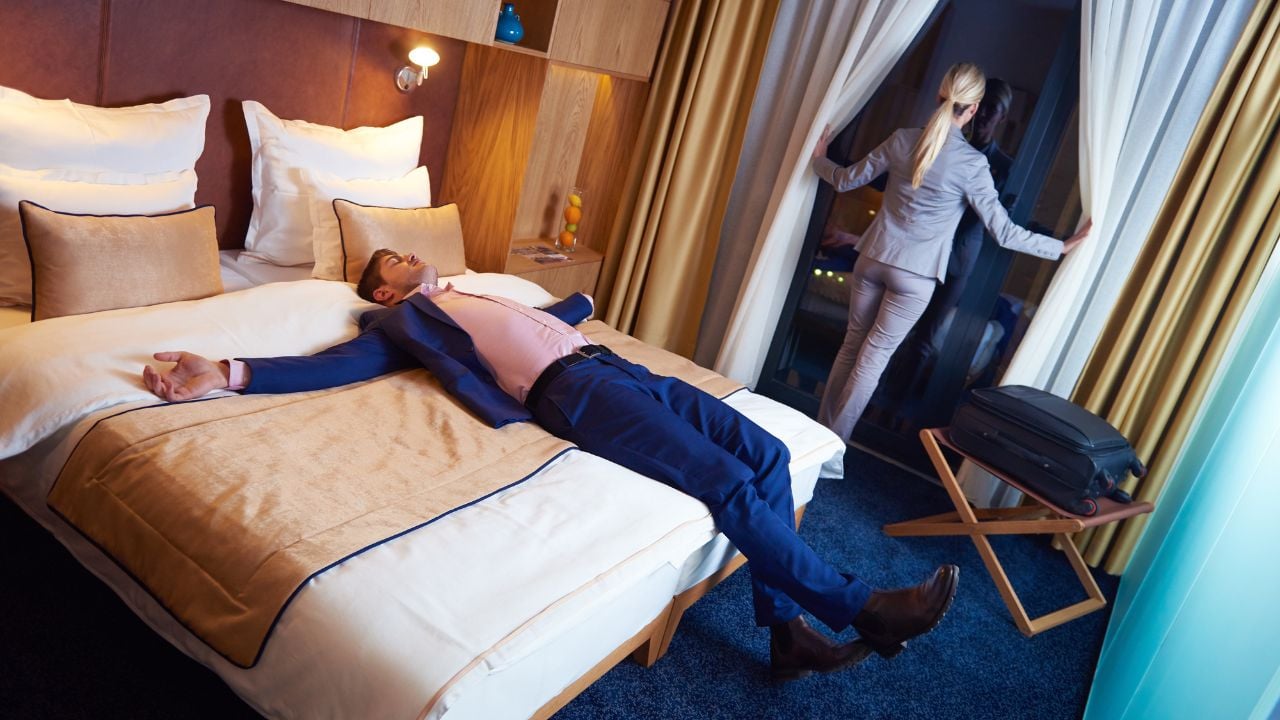
Booking.com’s first prediction is basically permission to be a little impulsive. 67% of travelers say spontaneity is a good enough reason to take a trip, and 75% say they “deserve a reward” for working hard all year. That is a big shift from saving travel only for weddings, milestone birthdays, or one annual vacation block.
The practical impact is sneaky: more short breaks, more midweek movement, more “I’m going because I finally finished that project” travel. For travelers, it’s a win because you can grab shoulder-season value without waiting for a formal holiday. For crowded cities, it can spread demand across the calendar, which makes timing even more valuable.
Winner: Hushed Hobbies (Quiet Nature, Not Loud Bucket Lists)

This one feels like a reaction to years of noise, screens, and packed attractions. Booking.com calls out “Hushed Hobbies,” with 25% of travelers saying the chance to do quieter hobbies is enough reason to travel. It also notes 69% are interested in stays where you can forage locally for meals.
The destinations that benefit are places where nature is not just scenery; it’s the activity. Think birdwatching, fishing, slow walks, stargazing, and anything that makes you listen more than you talk. If you’re building a trip around calm outdoor routines, following Leave No Trace’s Seven Principles is the simplest way to keep “quiet travel” from turning into accidental damage. Booking.com ties this vibe to Sal, Cape Verde, as a tranquil base for calm outdoor days.
Winner: Romantasy Retreats (Story-First Travel Gets Mainstream)
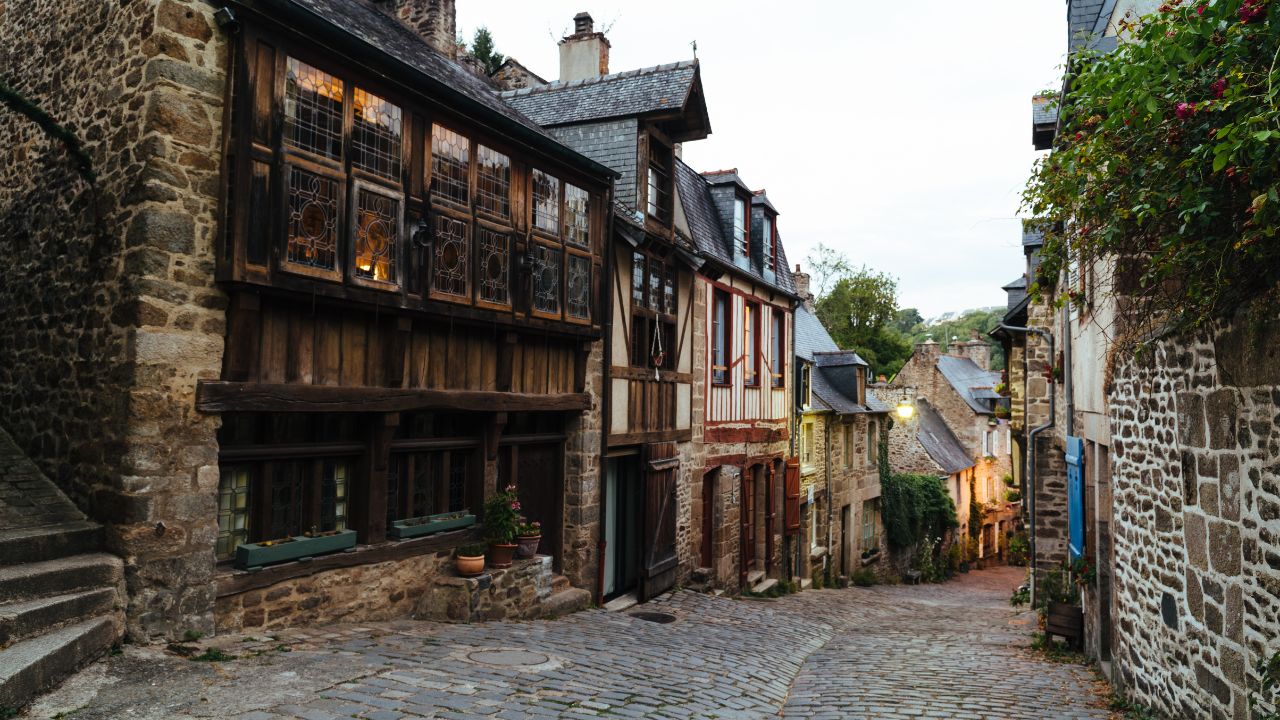
This is the BookTok energy of finally buying plane tickets. Booking.com says 71% of global travelers would consider visiting a destination inspired by “romantasy,” and 39% would consider a roleplay-style romantasy vacation.
The winners are places that already look cinematic: castles, moody forests, medieval streets, mountain backdrops, and towns that feel like a chapter heading. Booking.com frames Münster, Germany, as a fit for this vibe, leaning into old-town charm and nearby castles.
Winner: Glow-Cations (Beauty and Wellness Trips Level Up)

Wellness travel keeps evolving from spa robes to “I want results.” Booking.com reports 80% of travelers are open to a “glowcation,” and 71% are interested in tech-supported body movement analysis and personalized exercise routines to reduce jet lag or target health goals.
This trend boosts destinations that can pair relaxation with nature and a sense of reset. Booking.com highlights Port Douglas, Australia, as a wellness base with access to the Great Barrier Reef Marine Park and the Daintree Rainforest, which is exactly the kind of “treat yourself, but also do something beautiful” combo people love.
Winner: Shelf-Ie Souvenirs and PastPorts (Memory Becomes the Product)

Two related shifts show up here. First, souvenirs are becoming edible, design-led, and actually display-worthy. Booking.com says 68% are considering bringing back “shelf-ie” souvenirs, and 54% fear regretting it if they don’t.
Second, nostalgia gets a tech boost through “PastPorts,” where people use tools like image searches to recreate old family photos in the same location. Booking.com notes 66% are considering recreating photos via technology and gives Philadelphia as an example destination for that history-connection feeling, which fits if your trip includes places like Independence National Historical Park.
Winner: Humanoid Homes (Tech-Forward Stays Stop Being Niche)
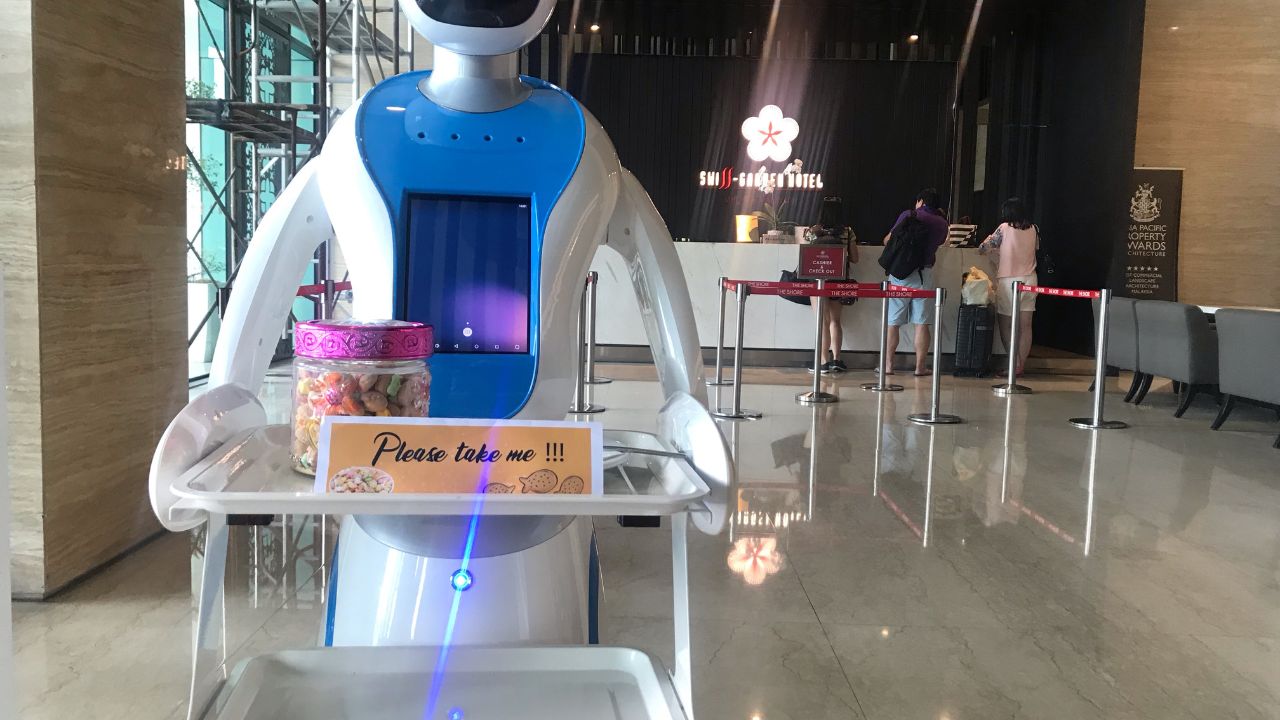
If you have ever wished your vacation rental came with a no-chores button, you are not alone. Booking.com says 56% of travelers would be interested in robot-assisted host-to-guest interaction that includes cooking and cleaning services.
This pushes smart stays and futuristic hospitality into the mainstream conversation. Booking.com uses Bilbao as a tech-forward example city in its trend storytelling, pairing modern culture with a sense of innovation (and yes, it helps that the city has a global design anchor like the Guggenheim Museum Bilbao).
Winner: Rewired Road Trips and Compatibility Travel

Road trips are getting social and a little experimental. Booking.com describes “rewired road trips” where people embrace meet-up culture, even using AI to match with carpoolers. It also notes 38% would use AI to find compatible road-trip companions.
Then there’s “Turbulence Test,” where trips become a compatibility check with friends, coworkers, or potential partners. Booking.com reports 37% would do this, with another 32% saying maybe. If you’ve ever learned everything about someone during a delayed connection and a wrong hotel booking, you already understand why this trend exists.
Booking.com’s Trending Destinations for 2026 (The Places Set To Pop)
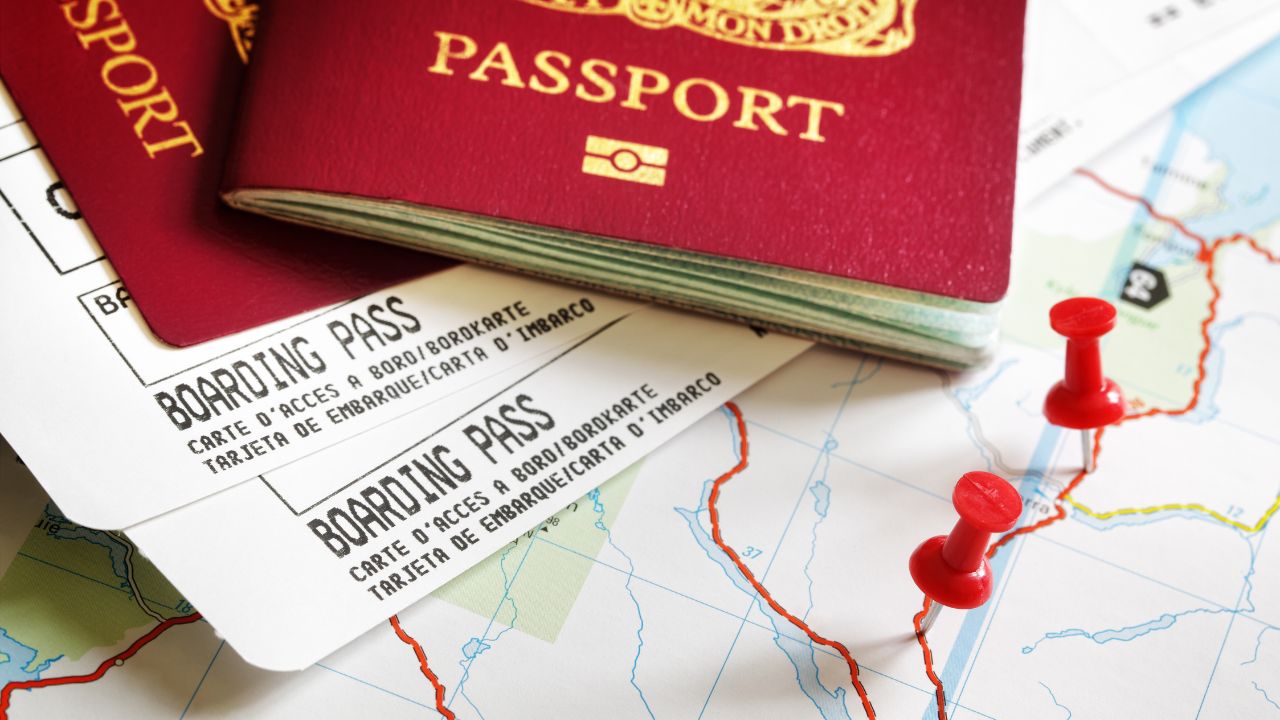
Alongside the trend themes, Booking.com published a list of Trending Destinations for 2026 based on its data insights. The lineup blends under-the-radar cities, coastal spots, and culture hubs, including Mũi Né (Vietnam), Bilbao (Spain), Barranquilla (Colombia), Philadelphia (USA), Guangzhou (China), Sal (Cape Verde), Manaus (Brazil), Münster (Germany), Kochi (India), and Port Douglas (Australia).
What these places share is range. Several match the “nature plus culture” craving; others align with tech curiosity, food culture, or storybook aesthetics. If you’re hunting a trip that feels fresh without being a total logistical gamble, this list is a shortcut to destinations that are about to get louder.
Losers (In 2026 Terms): What’s Losing Steam
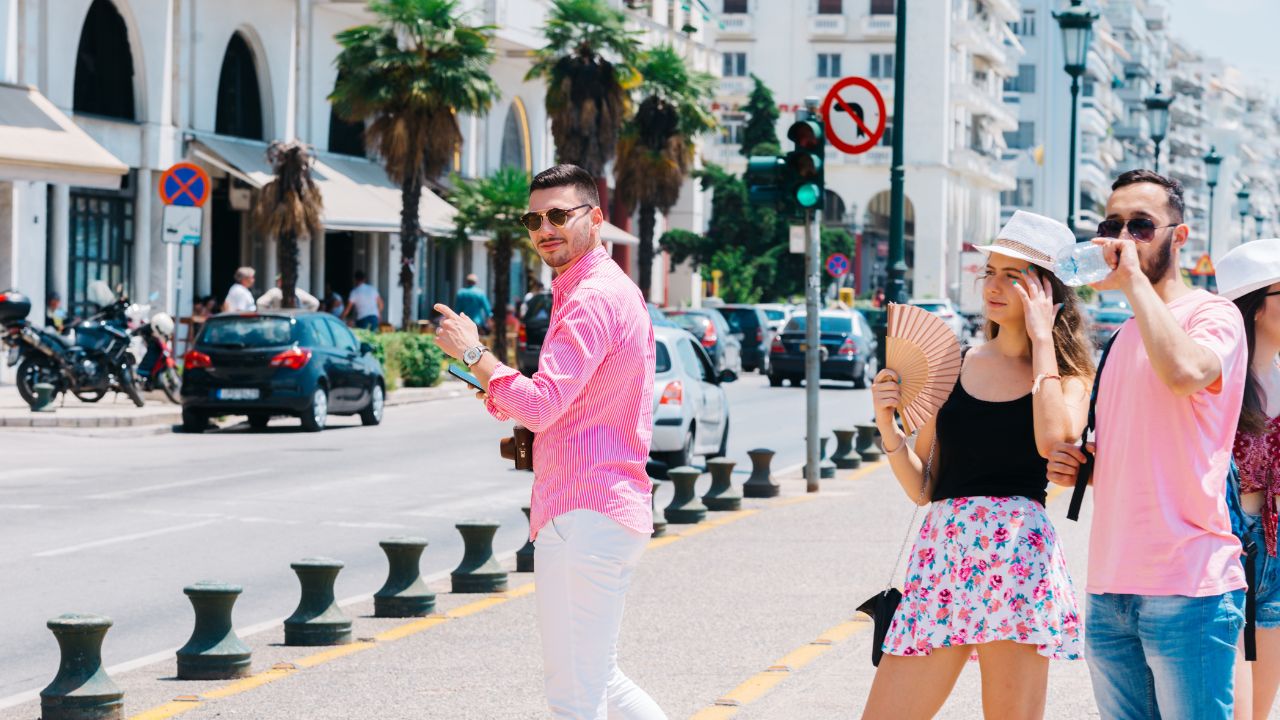
The biggest loser is the cookie-cutter itinerary. Booking.com frames 2026 as a year of ditching standard travel templates in favor of personal style, which makes copy-paste trips feel oddly empty.
The other thing losing steam is peak-season, peak-heat travel that turns a vacation into heat management. Booking.com explicitly references the earlier rise of “cool-cationers” chasing cooler climates due to extreme heat, and the same logic keeps pushing travelers toward smarter timing and less punishing months.
Best Time To Go in 2026 (The Timing Playbook)
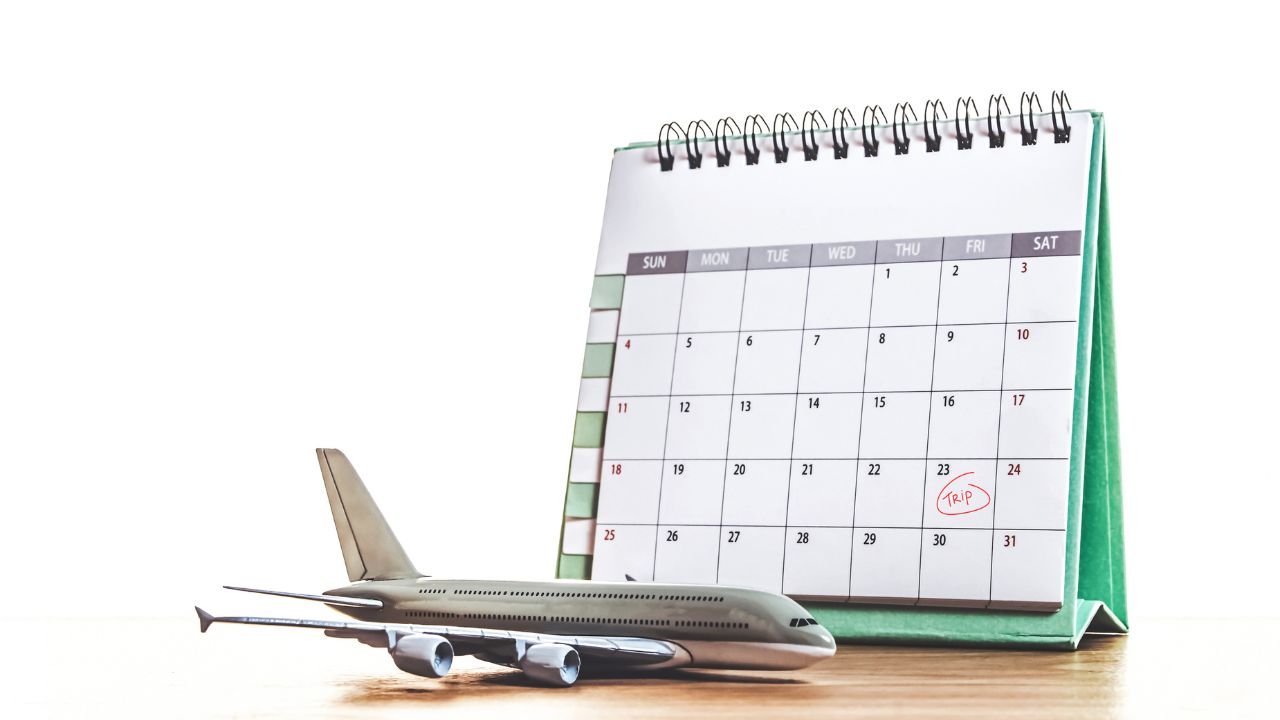
Start with the simplest rule: if your destination has a famous “best month,” the best experience is often the month right next to it. The same city feels completely different when you slide your trip into shoulder season, because restaurants have time for you and streets feel livable. Booking.com’s trends reinforce this: more spontaneous micro-trips and more nature-focused travel both thrive outside the classic crush weeks.
Then there’s event-driven timing, especially for the “Destined-ations” crowd. Booking.com reports 17% would consider changing schedules to align with astrological events like eclipses or full moons, and 47% would rethink a trip if a spiritual advisor said the timing was off. Spain is already being discussed as an August 12, 2026 solar-eclipse hub, and if you want a clean reality check for timing and path, NASA’s August 12, 2026 eclipse map is the simplest reference.