
Beach towns sell freedom. Bare feet, salty hair, long afternoons, and the feeling that normal rules have softened for a while. Then a visitor arrives somewhere beautiful and discovers the local code has opinions about shovels, swimsuits, parked cars, beach naps, and what can leave the shoreline in a bucket.
Most of these rules did not appear out of nowhere. Crowded beaches create trip hazards, blocked emergency access, overnight camping issues, wildlife problems, and the kind of public-behavior headaches that small coastal towns deal with every summer.
Official town pages, ordinances, and municipal codes back the details here. Some rules are clearly about safety. Some are about keeping a resort town orderly after sunset. A few read like they were written after officials watched tourists repeat the same bad idea one too many times.
The funny part is the level of detail. These places are not just asking visitors to be respectful. They have thought about hole depth, toy shovels, bathing-suit hours, car changing, beach smoking, public sleeping, and live sand dollars with surprising precision.
1. Del Mar, California, Does Not Want You Digging a Dramatic Beach Crater

Del Mar has one of the more specific beach-digging rules in the country. The city’s beach-hole ordinance says that, as of March 25, 2026, people cannot dig holes deeper than two feet on the public beach.
The same rule bars beachgoers from burying people below sand grade, and anyone who digs has to fill the excavation back in before leaving. Parents and guardians can also be held liable when minors dig holes deeper than the two-foot limit.
Del Mar’s reasoning is not hard to picture on a busy beach. Deep holes can become trip hazards, block emergency vehicles and equipment, or collapse with someone inside. A casual sand project can turn into a real safety problem once crowds, kids, and rescue access enter the picture.
2. Ocean Isle Beach, North Carolina, Practically Regulates Your Shovel
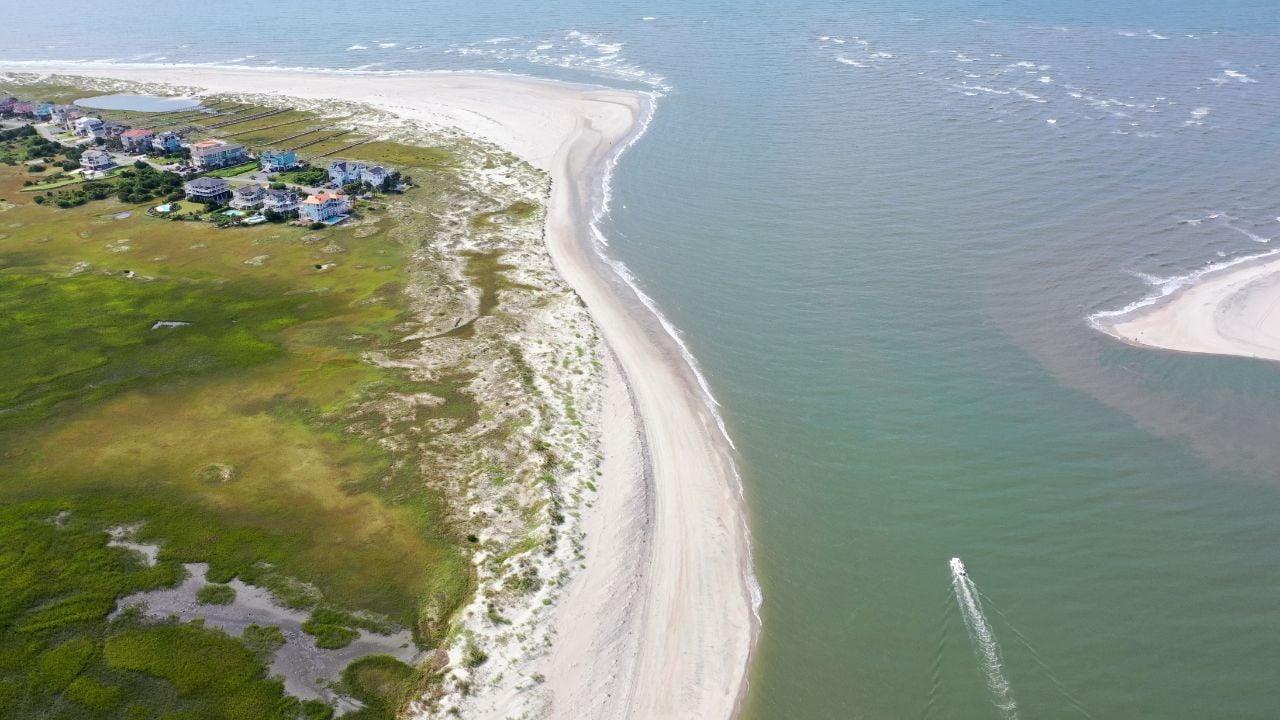
Ocean Isle Beach takes sand engineering even further. The town’s beach rules say holes on the beach strand cannot be larger than 16 inches deep by 5 feet wide.
The shovel rule is even more memorable. Shovels are prohibited on the beach strand unless they are toy shovels intended for children. Holes also have to be attended at all times and filled in before leaving the beach strand or by 7 p.m., whichever comes first.
On paper, the rule sounds almost comically strict. On a crowded beach, it starts to make more sense. Abandoned pits can injure walkers, create problems for beach patrol or emergency access, and leave the next visitor dealing with someone else’s oversized sand project.
3. Cape May, New Jersey, Has a Bathing-Suit Curfew

Cape May may be charming, but its municipal code is unusually direct about beachwear away from the sand. The city’s clothing requirements say no one may be in a bathing suit, trunks, or anything other than usual dress on any public street or public place after 7 p.m. and before 7 a.m.
The code gets more detailed from there. For the boardwalk or promenade, “usual dress” includes appropriate footwear. People over 14 who are in bathing attire must also wear a shirt in public places or public buildings, with an exception for males along the promenade and boardwalk during beach hours.
Cape May is not banning beach life. It is drawing a sharp line between the beach and the rest of town. The sand gets one standard; the streets, public buildings, and evening promenade get another.
4. Beach Haven, New Jersey, Does Not Want You Changing Clothes in the Car
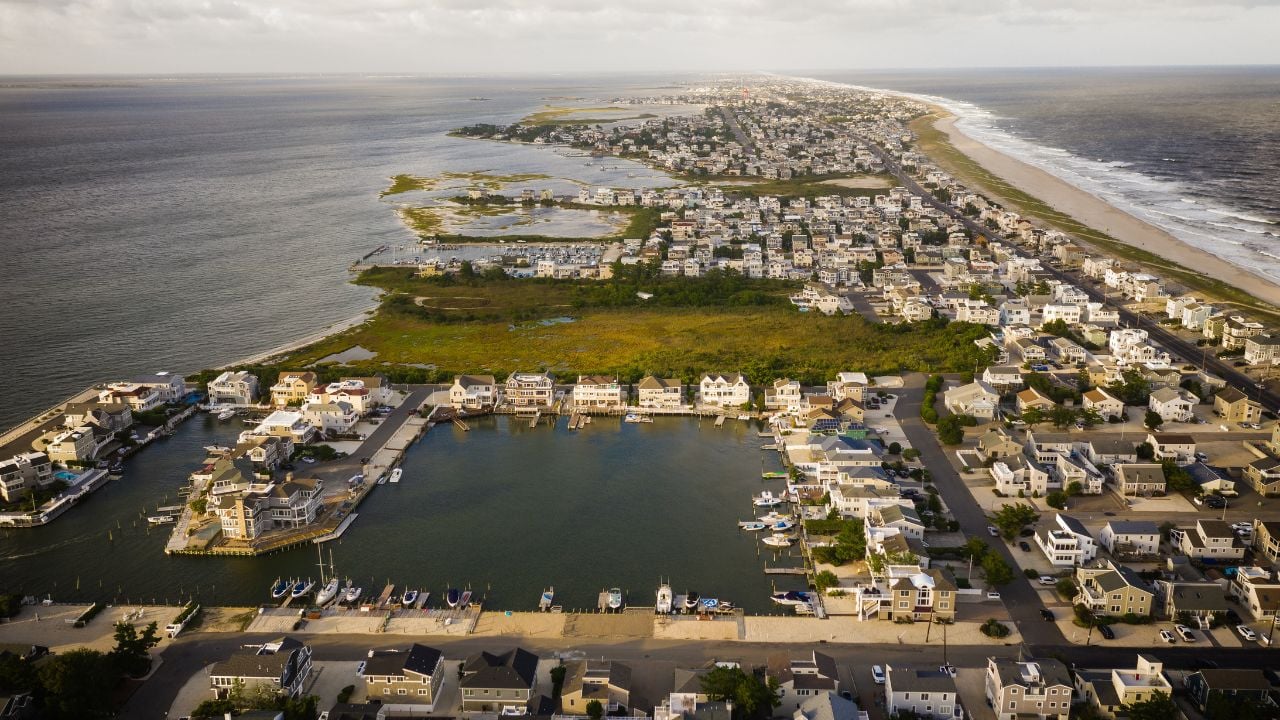
A lot of beachgoers treat the car as an emergency changing room. Beach Haven’s municipal code says otherwise. It is unlawful to dress, undress, or change clothing in any motor vehicle or any other type of vehicle in the borough.
The same chapter also takes aim at public sleeping. People cannot sleep on streets, highways, pavilions, or other public places, and the code separately prohibits sleeping on any beach between midnight and 8 a.m.
For visitors, the message is simple: the car is not a locker room, and the beach is not an overnight crash pad. Beach Haven has turned two common seaside shortcuts into written rules.
5. Tybee Island, Georgia, Gets Surprisingly Strict About Beach Behavior

Tybee Island looks relaxed, but its beach rules are not vague. The city’s official beach rules say smoking and vaping are prohibited on all Tybee beach areas and beach crossovers, with fines of up to $300.
Tybee’s broader beach ordinance also reaches into wildlife and beachcombing. The city’s beach ordinance says it is unlawful to remove non-regulated live animals from the beach, including shells, sand dollars, hermit crabs, and other invertebrates.
Overnight behavior gets attention as well. Tybee’s posted beach rules say no one may camp or sleep on streets, beaches, parks, parking lots, or other public areas, including in automobiles, trucks, campers, RVs, or camping equipment.
Tybee is still a beach town, not a courtroom. The rules simply make the island’s expectations clear before the towel hits the sand. Relax, swim, walk, and enjoy the coast, but leave the live marine life alone, skip the beach smoke, and do not treat a parking lot like a campground.
These laws are entertaining because they are so specific, but most of them become less strange once the setting is clear. Coastal towns deal with heavy crowds, fragile dunes, emergency access, wildlife protection, and visitors who sometimes mistake vacation freedom for permission to do anything. The local code has already imagined the hole, the swimsuit, the shovel, the nap, and the car-changing plan before the tourist even arrives.