
The Atlantic coastline is home to some of the most striking lighthouses in the United States, each offering a blend of maritime history, dramatic landscapes, and enduring coastal charm. These towers have guided sailors for centuries, standing resiliently against storms, shifting sands, and powerful tides that define the eastern seaboard. Travelers who embark on a coastal journey can discover an array of architectural styles, from classic brick towers to boldly painted beacons perched atop rugged cliffs. Whether you are a lover of history, photography, or scenic road trips, these lighthouses provide unforgettable vistas and stories tied to the region’s nautical past.
Exploring the East Coast through its lighthouses allows visitors to connect with small coastal towns, protected natural areas, and serene stretches of shoreline that often remain untouched by mass tourism. Many of these landmarks offer climbing access, museums, and guided tours that reveal how essential they were to maritime navigation before modern technology took hold. Others are prized purely for their location, offering sweeping ocean views that shift dramatically with each season. Below are twenty-two of the most captivating lighthouses worth the drive along the Atlantic Coast.
Portland Head Light — Maine

Perched atop the granite cliffs of Cape Elizabeth, Portland Head Light is widely regarded as one of the most photographed lighthouses in the United States due to its dramatic coastal setting. Built in the late 18th century, it has served mariners for generations, guiding ships through treacherous waters with its distinctive beam. Visitors are drawn to its surrounding trails and shoreline, which offer panoramic views of crashing waves and distant sailboats. The on-site museum adds historical depth, inviting guests to explore the stories behind the lighthouse’s centuries-long operation.
The surrounding Fort Williams Park provides expansive open spaces, rocky beaches, and scenic overlooks that make the lighthouse a full-day destination for travelers. Photographers flock here year-round to capture shifting light conditions that highlight the rugged cliffs and iconic white tower. Seasonal storms often create powerful surf, adding an element of drama to the already breathtaking scenery that frames the lighthouse. Portland Head Light remains an enduring symbol of Maine’s maritime heritage and a must-visit stop along the Atlantic route.
West Quoddy Head Light — Maine
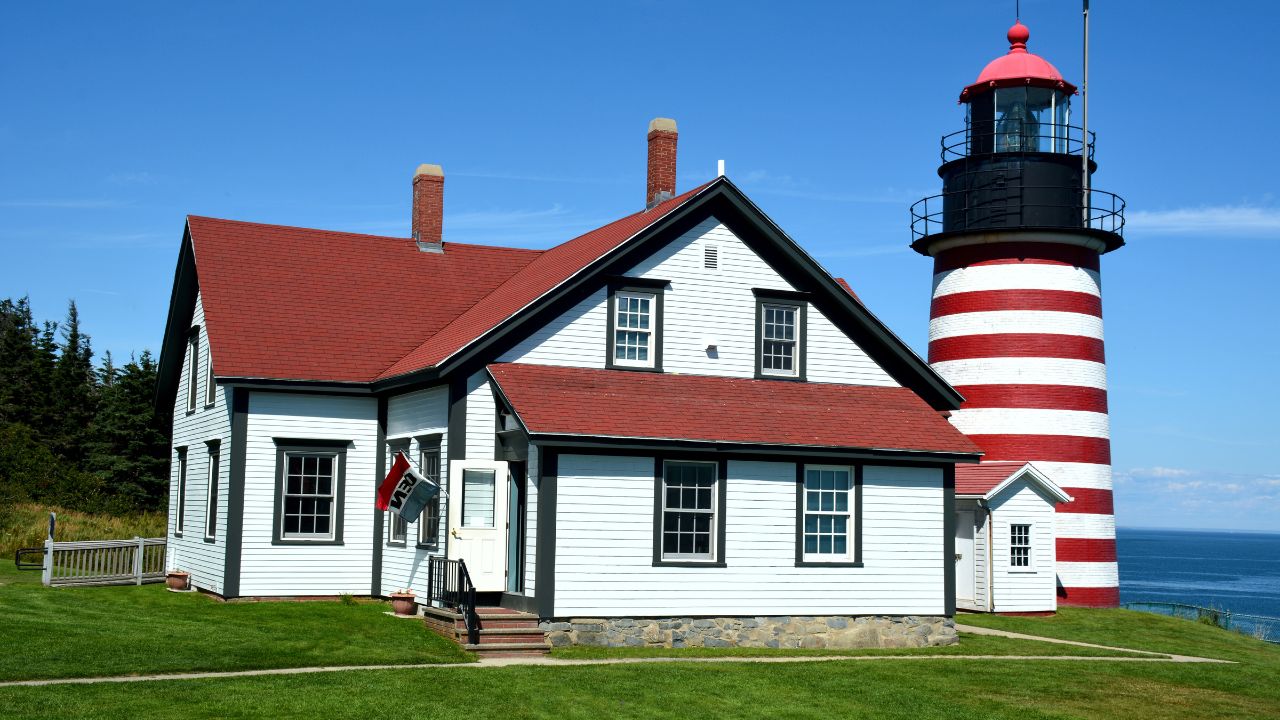
Located at the easternmost point of the continental United States, West Quoddy Head Light is instantly recognizable by its bold red-and-white stripes. Its position overlooking the Bay of Fundy makes it an extraordinary place to witness the first rays of sunrise each morning. Visitors can explore nearby trails that wind through coastal forests and open cliffs, offering views of rugged shorelines and migrating seabirds. The keeper’s house museum provides insights into the challenges faced by lighthouse staff who once battled fierce weather to keep the beacon shining.
The area surrounding the lighthouse is known for its natural beauty, featuring dramatic changes in tides influenced by the unique geography of the region. Fog frequently rolls in from the ocean, creating a hauntingly beautiful atmosphere that adds to the site’s distinct character. Wildlife sightings are common, making the location appealing to nature enthusiasts and photographers seeking dynamic coastal scenery. West Quoddy Head Light remains a serene yet powerful symbol of Maine’s wild northeastern edge.
Bass Harbor Head Light — Maine

Bass Harbor Head Light stands on the rugged shores of Mount Desert Island, offering travelers one of the most iconic sunset views in all of Acadia National Park. The lighthouse sits dramatically atop rocky cliffs, creating a striking silhouette against the crashing waves and fiery evening sky. Visitors frequently gather along the shoreline to watch the sun drop behind the horizon, casting warm hues across the white tower and forested landscape. Its location near scenic trails and peaceful coastal roads makes it a must-see stop for anyone exploring Maine’s most famous national park.
Beyond its visual appeal, Bass Harbor Head Light provides a close look at the traditional lighthouse architecture that defines New England’s maritime heritage. The tower and keeper’s house remain well preserved, giving guests a glimpse into the daily life of the keepers who once ensured the beacon never failed during storms. Photographers often return multiple times to capture the ever-changing light and mood that define the lighthouse’s surroundings. This serene yet powerful landmark continues to stand as one of Maine’s most beloved coastal treasures.
Pemaquid Point Light — Maine

Pemaquid Point Light is known for its dramatic placement atop massive, layered rock formations that drop sharply into the Atlantic Ocean. The geological formations beneath the lighthouse create a dramatic foreground that has made this location famous among photographers and artists. Visitors can explore the lighthouse grounds, walk across the ancient stone ledges, and enjoy panoramic views framed by powerful waves rolling in from the open sea. The on-site museum provides historical context, preserving the stories of shipwrecks and storms that shaped the region’s maritime identity.
The lighthouse’s surrounding park offers calm picnic areas, scenic overlooks, and access to charming coastal towns that embody Maine’s small-town charm. Summer visitors are rewarded with clear skies and glistening waters, while autumn brings cooler temperatures and striking foliage that transforms the scenery. The rugged coastline and steady roar of the surf create an atmosphere of timelessness that appeals to all who visit. Pemaquid Point Light remains a quintessential New England landmark cherished for its raw natural beauty and enduring spirit.
Rockland Breakwater Lighthouse — Maine

Rockland Breakwater Lighthouse stands at the end of a nearly mile-long granite walkway that stretches boldly into Rockland Harbor. The walk to the lighthouse is an experience in itself, offering panoramic views of sailboats, seabirds, and the sparkling waters of Penobscot Bay. The tower sits at the very tip of the breakwater, greeting visitors who make the scenic journey across the stones. Its remote placement creates a sense of isolation and peacefulness that sets it apart from more easily accessible landmarks.
The lighthouse offers an intimate look at Maine’s coastal life, with fishermen, locals, and travelers sharing the walkway on warm summer days. Changing tides and shifting winds transform the surrounding scenery, making each visit feel unique and unpredictable. The breakwater provides a perfect vantage point for observing harbor activity, particularly during festivals and maritime events that draw crowds to Rockland. Rockland Breakwater Lighthouse remains a beloved destination for those who appreciate both coastal engineering and quiet natural beauty.
Nauset Light — Massachusetts

Nauset Light, with its distinctive red-and-white design, stands proudly along the Cape Cod National Seashore, offering visitors a classic symbol of Massachusetts’ coastal heritage. The surrounding dunes and windswept beaches create an unforgettable backdrop that reflects the region’s natural charm. Visitors can explore walking trails, relax on the quiet beaches, and observe seals and seabirds that frequent the coastline. The lighthouse’s history is tied to years of coastal erosion, leading to its relocation further inland for preservation.
Despite these changes, Nauset Light remains a beacon of Cape Cod tourism, drawing travelers who seek peaceful ocean views and picturesque landscapes. Summer visitors enjoy warm breezes, soft sand, and refreshing Atlantic waters, while off-season guests experience solitude and dramatic surf. Local volunteers provide seasonal tours that explain the lighthouse’s past and ongoing conservation efforts. Nauset Light continues to serve as a cherished coastal landmark that reflects both the fragility and beauty of the Cape.
Gay Head (Aquinnah) Lighthouse — Massachusetts

Gay Head Lighthouse stands atop the colorful clay cliffs of Aquinnah on Martha’s Vineyard, offering sweeping views of the Atlantic Ocean. Its location provides a striking contrast between the deep reds and purples of the cliffs and the bright blue waters below. Visitors can climb the tower for panoramic views that extend across the island, revealing the intricate landscapes shaped by centuries of erosion. The lighthouse’s cultural significance is tied closely to the Wampanoag Tribe, whose history is deeply rooted in the surrounding lands.
The surrounding area features walking paths and overlooks that allow guests to explore the unique geological formations and coastal flora. Sunset brings warm golden tones that illuminate the cliffs and create unforgettable photo opportunities. Conservation efforts led to the lighthouse being relocated further inland to protect it from erosion, a massive engineering project that drew national attention. Gay Head Lighthouse remains one of New England’s most spectacular and culturally rich coastal attractions.
Brant Point Light — Massachusetts

Brant Point Light, located on the edge of Nantucket Harbor, is one of the oldest and most charming lighthouses in the United States. Its short, squat design and tranquil setting make it a favorite among visitors arriving by ferry. The lighthouse marks the gateway to the island, symbolizing safe passage and warm welcomes for centuries of sailors. Its easily accessible location allows travelers to enjoy close-up views without lengthy hikes.
The surrounding harbor area offers peaceful beaches, calm waters, and pleasant walking paths that highlight the island’s serene character. Sailboats drifting in and out of the harbor create a picturesque scene that feels frozen in time. Photographers and tourists frequently gather around the lighthouse to capture classic seaside images, especially during sunset. Brant Point Light embodies the simple elegance of Nantucket and remains a must-see destination for anyone exploring the island.
Southeast Lighthouse — Rhode Island

Southeast Lighthouse sits atop the towering bluffs of Block Island, offering stunning views of the Atlantic Ocean and rolling coastal hills. Its brick tower and unique architectural style distinguish it from many other East Coast lighthouses. Visitors can tour the interior during select months, learning about its history and the challenges faced by keepers who once maintained it. The lighthouse’s position on high cliffs makes it especially popular among photographers seeking dramatic vantage points.
Due to severe erosion, the lighthouse was moved inland in the 1990s, an extraordinary engineering achievement that preserved this historic landmark. The grounds surrounding the tower offer peaceful picnic spots and walking trails that wind along the cliffs. Changing weather conditions create spectacular skies that enhance the lighthouse’s already impressive presence. Southeast Lighthouse remains a cherished Rhode Island icon that blends natural beauty with maritime heritage.
Montauk Point Lighthouse — New York

Montauk Point Lighthouse stands proudly at the eastern tip of Long Island, where the Atlantic Ocean meets the rolling waves of Block Island Sound. Commissioned by George Washington, it is one of the nation’s oldest and most historically significant lighthouses. Visitors can climb to the top for extraordinary panoramic views that stretch across the coastline and out to sea. Its museum showcases artifacts, documents, and exhibits that highlight centuries of maritime navigation.
The surrounding state park offers scenic walking trails, rugged shorelines, and excellent opportunities for wildlife observation. Stormy weather often creates dramatic wave action along the rocky coast, adding to the lighthouse’s powerful presence. Travelers appreciate the peaceful atmosphere during the off-season, when crowds thin and the natural beauty becomes even more pronounced. Montauk Point Lighthouse continues to be a symbol of strength, history, and coastal resilience in New York.
Sandy Hook Lighthouse — New Jersey

Sandy Hook Lighthouse is the oldest surviving lighthouse in the United States, standing since 1764 as a testament to early American engineering. Located within the Gateway National Recreation Area, it offers visitors a combination of coastal history and natural scenery. The lighthouse grounds include guided tours that reveal how the structure endured wars, storms, and centuries of coastal change. Its warm cream-colored exterior stands out beautifully against the surrounding dunes and ocean views.
Travelers can explore nearby beaches, bike paths, and historic military structures that provide additional points of interest. The area’s diverse wildlife, particularly migrating birds, makes it appealing for nature enthusiasts and photographers. Seasonal events and educational programs draw families who want to learn more about New Jersey’s maritime past. Sandy Hook Lighthouse remains a treasured landmark that bridges the region’s cultural, natural, and historical heritage.
Absecon Lighthouse — New Jersey

Absecon Lighthouse, towering over Atlantic City, stands as one of the tallest lighthouses in the United States and offers visitors a challenging yet rewarding climb. Its black-and-white exterior provides a striking contrast to the bright lights and modern skyline of the nearby casinos. From the top, travelers are treated to expansive views that stretch across the city, beach, and ocean. The on-site museum highlights the history of shipwrecks, rescues, and the lighthouse’s role in guiding vessels safely to shore.
Despite its proximity to the bustling entertainment district, the lighthouse grounds offer a sense of calm and historical reflection. Visitors often express surprise at how peaceful the area feels in comparison to the lively streets nearby. Community events and educational programs help keep the lighthouse active and connected to local culture. Absecon Lighthouse serves as a powerful reminder of the region’s maritime roots in the midst of modern development.
Cape May Lighthouse — New Jersey

Cape May Lighthouse is a timeless symbol of the historic Victorian seaside town that surrounds it. Visitors can climb the 199 steps to the top for unparalleled views of beaches, marshlands, and the Atlantic horizon. The lighthouse’s distinctive design and well-preserved structure make it a favorite among architecture enthusiasts and maritime historians. Its location within a protected natural area offers opportunities for bird-watching, beach walks, and sunset photography.
The surrounding state park includes quiet trails leading through coastal habitats rich with wildlife and native plants. Seasonal migrations bring thousands of birds to the region, making it one of the premier birding destinations in the country. Visitors often combine their lighthouse tour with a stroll through Cape May’s charming Victorian streets, creating a perfect blend of history and leisure. Cape May Lighthouse remains one of New Jersey’s most beloved coastal attractions.
Thomas Point Shoal Light — Maryland

Thomas Point Shoal Light stands offshore in the Chesapeake Bay as one of the last remaining screw-pile lighthouses still in its original location. Its distinctive hexagonal structure offers a glimpse into 19th-century engineering designed specifically for shallow, shifting waters. Visitors can view the lighthouse from tour boats that provide exceptional vantage points and interpretive commentary. The surrounding bay scenery adds a tranquil touch, combining open water with distant shoreline views.
The lighthouse continues to serve as an important symbol of Maryland’s maritime traditions and preservation efforts. Restoration projects have helped maintain its structural integrity, ensuring that future generations can admire its unique architecture. Wildlife lovers appreciate the opportunity to see dolphins, ospreys, and herons during boat tours, adding to the experience. Thomas Point Shoal Light remains a rare and treasured example of coastal ingenuity.
Cape Henry Lighthouse — Virginia

Cape Henry Lighthouse marks the entrance to the Chesapeake Bay, standing near the landing site of the first English settlers in Virginia. Its stone construction and octagonal design reflect the architectural style of early American lighthouses. Visitors can climb the structure for expansive views of the coastline, naval activity, and surrounding historic landmarks. The lighthouse sits beside its newer counterpart, offering a unique side-by-side comparison of old and modern navigational design.
The surrounding area includes historic markers, beaches, and scenic lookouts that celebrate the region’s early colonial history. Because it is located on an active military base, visitors must pass through security, adding a sense of exclusivity to the experience. The lighthouse serves as both a historical monument and a working symbol of coastal resilience. Cape Henry Lighthouse remains a significant landmark that bridges past and present along the Virginia coast.
Assateague Lighthouse — Virginia

Assateague Lighthouse stands tall on Assateague Island, famous for its wild horses and pristine natural landscapes. Its bold red-and-white stripes make it easily recognizable against the backdrop of marshes and forests. Visitors can climb the lighthouse for breathtaking views of the protected wildlife refuge that surrounds it. The peaceful environment creates a welcoming escape for those seeking tranquility and natural beauty.
The island itself offers miles of walking trails, untouched beaches, and abundant opportunities to observe wildlife in its natural habitat. The lighthouse provides context to the region’s maritime history, helping visitors understand how essential it once was for guiding ships through the shallow coastal waters. Seasonal events and tours add educational depth to the visit, making it ideal for families. Assateague Lighthouse serves as a captivating blend of wild nature and historical significance.
Old Point Comfort Lighthouse — Virginia

Old Point Comfort Lighthouse stands on a small island in the Chesapeake Bay, offering a quiet and reflective setting away from crowded tourist areas. Built in the early 19th century, it has endured hurricanes, erosion, and shifting sands that continually reshape the coastline. Visitors can view the lighthouse from nearby parks and observation decks that provide clear vantage points. Its serene isolation gives it a timeless quality that appeals to travelers seeking peaceful coastal scenes.
Efforts to preserve the lighthouse have included shoreline stabilization and restoration projects that highlight its cultural importance. The surrounding region features gentle waterways, marshlands, and protected habitats filled with local wildlife. Visitors appreciate the opportunity to explore nearby trails and boardwalks that reveal the bay’s natural beauty. New Point Comfort Lighthouse remains a treasured symbol of Virginia’s maritime history and resilient spirit.
Bodie Island Lighthouse — North Carolina

Bodie Island Lighthouse stands tall along the Outer Banks, offering visitors a striking black-and-white striped tower set against expansive coastal wetlands. The lighthouse provides climbing access during select months, allowing guests to enjoy panoramic views of barrier islands and calm waters. Its surrounding boardwalks lead through marshes rich with birds, making it a prime destination for nature lovers. The peaceful landscape offers a welcome contrast to the more crowded beaches further south.
The lighthouse’s history reflects the engineering challenges faced in an area known for strong storms and shifting sands. Restoration efforts have preserved its original character, ensuring it remains a proud symbol of North Carolina’s coastal heritage. The nearby visitor center offers educational exhibits that detail the region’s maritime past and ecological significance. Bodie Island Lighthouse continues to be a beloved landmark within the Outer Banks.
Cape Hatteras Lighthouse — North Carolina

Cape Hatteras Lighthouse is the tallest brick lighthouse in the United States, easily recognized by its black-and-white spirals. Its role in aiding navigation through the treacherous “Graveyard of the Atlantic” has cemented its place in maritime history. Visitors can climb the tower for sweeping views of the ocean, dunes, and coastal forests that define the Outer Banks. The lighthouse’s dramatic relocation inland in 1999 is a testament to modern engineering and preservation efforts.
The surrounding national seashore offers miles of pristine beaches, wildlife observation areas, and scenic drives that highlight the beauty of the region. Strong winds and powerful waves create a constantly shifting landscape that fascinates travelers. Families and photographers alike appreciate the combination of natural beauty and historical importance. Cape Hatteras Lighthouse remains a symbol of strength and coastal perseverance.
Oak Island Lighthouse — North Carolina

Oak Island Lighthouse stands out with its modern concrete design that differs greatly from traditional East Coast lighthouses. Located near Caswell Beach, it offers unobstructed views of the Atlantic and nearby shipping channels. Visitors can participate in seasonal climbs that provide excellent vantage points for observing the surrounding coastline. Its bright beacon continues to serve mariners, highlighting its ongoing role in navigation.
The beach below the lighthouse offers calm walking areas where visitors can watch pelicans, dolphins, and fishing boats. The surrounding community provides a quiet, laid-back environment perfect for relaxing coastal trips. Volunteers play an active role in preserving the lighthouse and offering educational programs. Oak Island Lighthouse remains a unique and important feature of North Carolina’s shoreline.
Tybee Island Lighthouse — Georgia

Tybee Island Lighthouse is one of the most well-preserved and historically significant lighthouses in the southeastern United States. Its black-and-white stripes make it instantly recognizable, while its adjacent buildings provide a clear picture of 19th-century lighthouse life. Visitors can climb the tower for sweeping views of the beaches and Fort Screven area. The museum on the property adds depth to the experience, detailing centuries of maritime heritage.
The surrounding island offers a variety of attractions, including beaches, restaurants, and nature trails that make it ideal for day trips. The lighthouse’s peaceful setting contrasts beautifully with the vibrant energy of nearby Savannah. Travelers appreciate the blend of history, scenery, and relaxation that the area provides. Tybee Island Lighthouse remains a cherished coastal landmark for visitors of all ages.
St. Augustine Lighthouse — Florida

St. Augustine Lighthouse rises above the nation’s oldest city, offering stunning views of historic rooftops, forests, and the vast Atlantic Ocean. Its black-and-white spiral design is complemented by a bright red lantern room that stands out against the coastal sky. Visitors can climb the 219 steps to the top for one of the best views in northeastern Florida. The museum and grounds provide extensive exhibits about shipwrecks, artifacts, and the region’s nautical past.
Evening events and ghost tours add a unique and memorable twist to the experience, reflecting the lighthouse’s reputation for historic mystery and folklore. The surrounding maritime forest and boardwalks offer peaceful walks that highlight the area’s natural beauty. Families enjoy the educational programs that bring maritime history to life through hands-on activities. St. Augustine Lighthouse remains an essential stop for anyone exploring Florida’s Atlantic coastline.