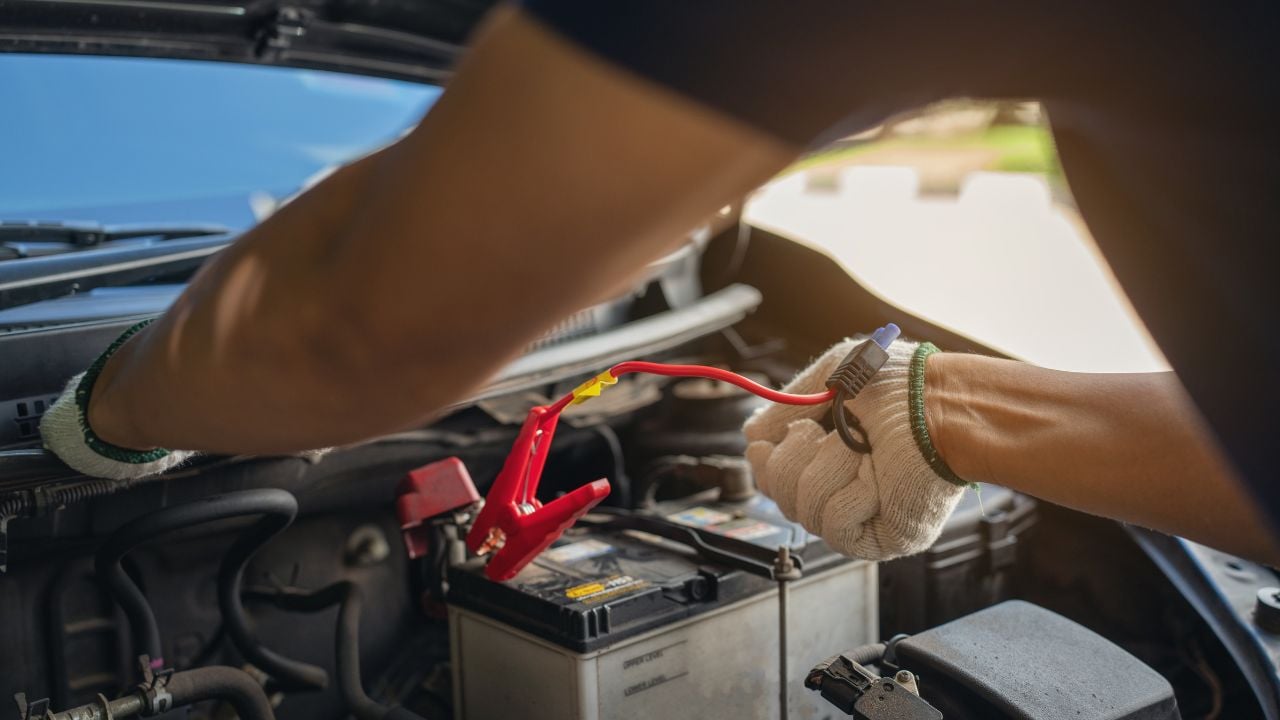
The typical car battery lasts around three to five years, and its lifespan fluctuates depending on how often you use your vehicle and how well the battery is maintained.
Replacing your car’s battery can be a hassle, and it feels like yet another added cost of owning a car. However, you can prolong your battery’s life if you keep it in peak condition. The following tips will keep your battery clean, fully charged, and free of damage.
Charging Initiated
This is a topic that I’m very well aware of since one of my older vehicles has an issue with battery drain. While it’s not a fun issue to deal with, it has made me passionate about this topic.
I scoured the internet for trusted resources like AAA to check out some advice for battery maintenance and then compiled all the best tips here. Luckily, most of these are very easy to start doing right away, helping your battery stay healthier over time and reducing the odds of an unexpected no-start.
Skip Shorter Trips

If you want to extend your car’s battery life, combine your errands together instead of going on short trips. This can also reduce your car’s environmental impact, another benefit.
Shorter trips don’t allow your car’s battery enough time to fully recharge. This means frequent short trips can prevent the alternator from charging the battery, leaving your car in a low-charge state. At the same time, starting your car requires more energy from your battery, which isn’t great when your battery isn’t getting fully charged.
Don’t Let Your Car Sit
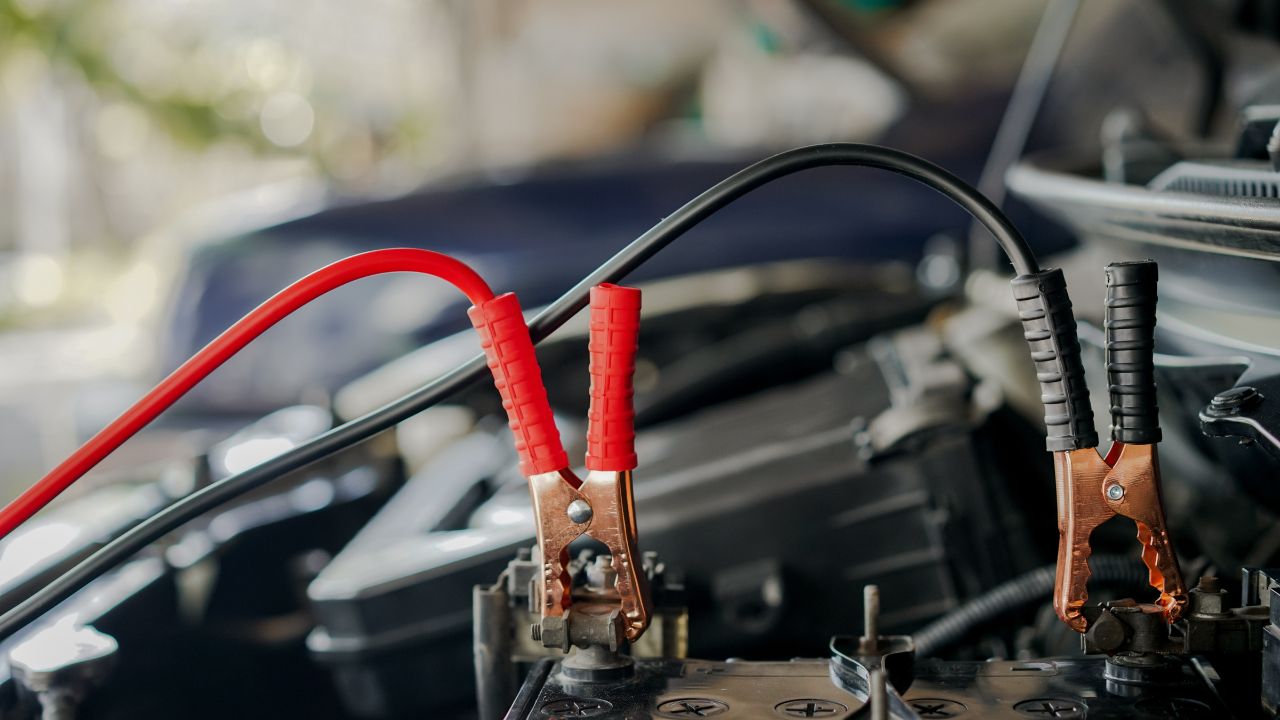
If your car sits for a week or more at a time, the slow but continuous electric draw can result in your battery losing life and ultimately dying. Some older cars may have batteries that die even faster due to faulty wiring or a battery drain issue.
A battery maintainer or trickle charger can keep your battery energized without overcharging, which can prolong the life of the battery as well.
Don’t Be Lazy After a Jump

If your car battery gets drained to the point where it’s flat, once given a boost, let the engine run for a few minutes to stabilize. But idling alone usually will not fully recharge a deeply discharged battery.
Instead, most jump-start guides recommend driving for at least 15 to 30 minutes, preferably at steady speeds, so the alternator can put meaningful charge back into the battery. If the car dies again soon after, the battery may be failing, or there may be an electrical drain that needs diagnosis.
Regularly Clean Your Car Battery
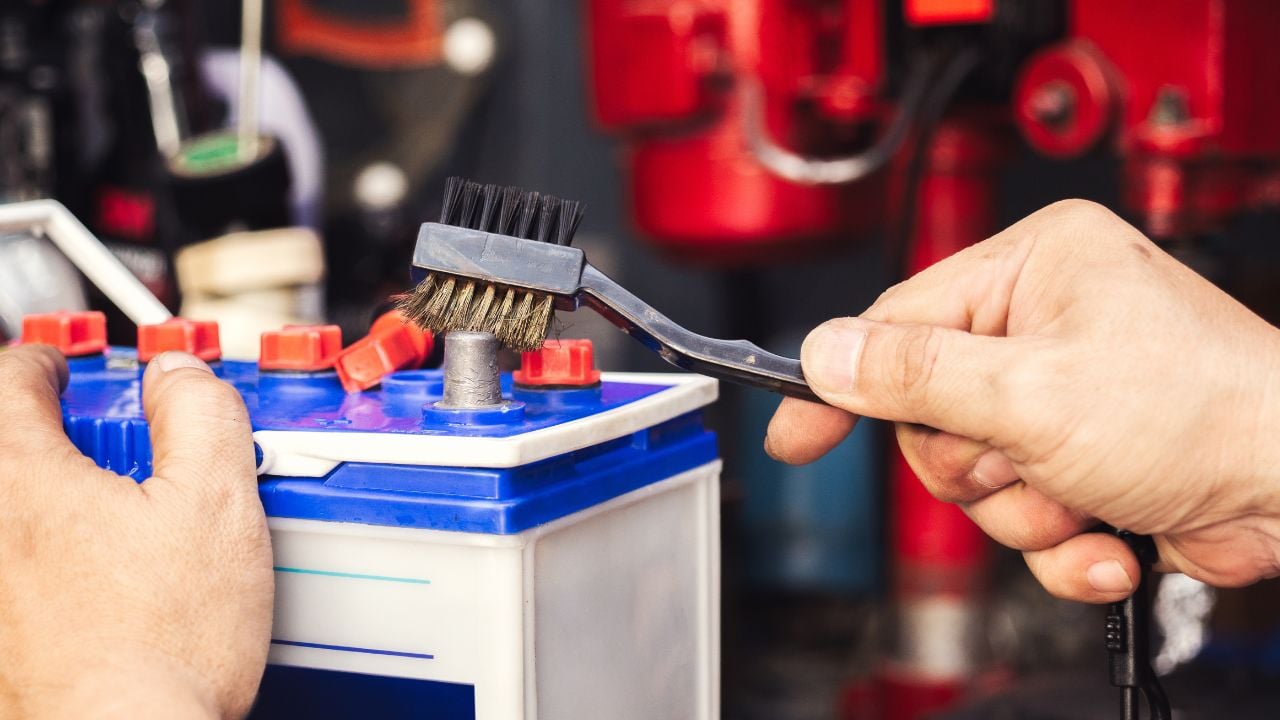
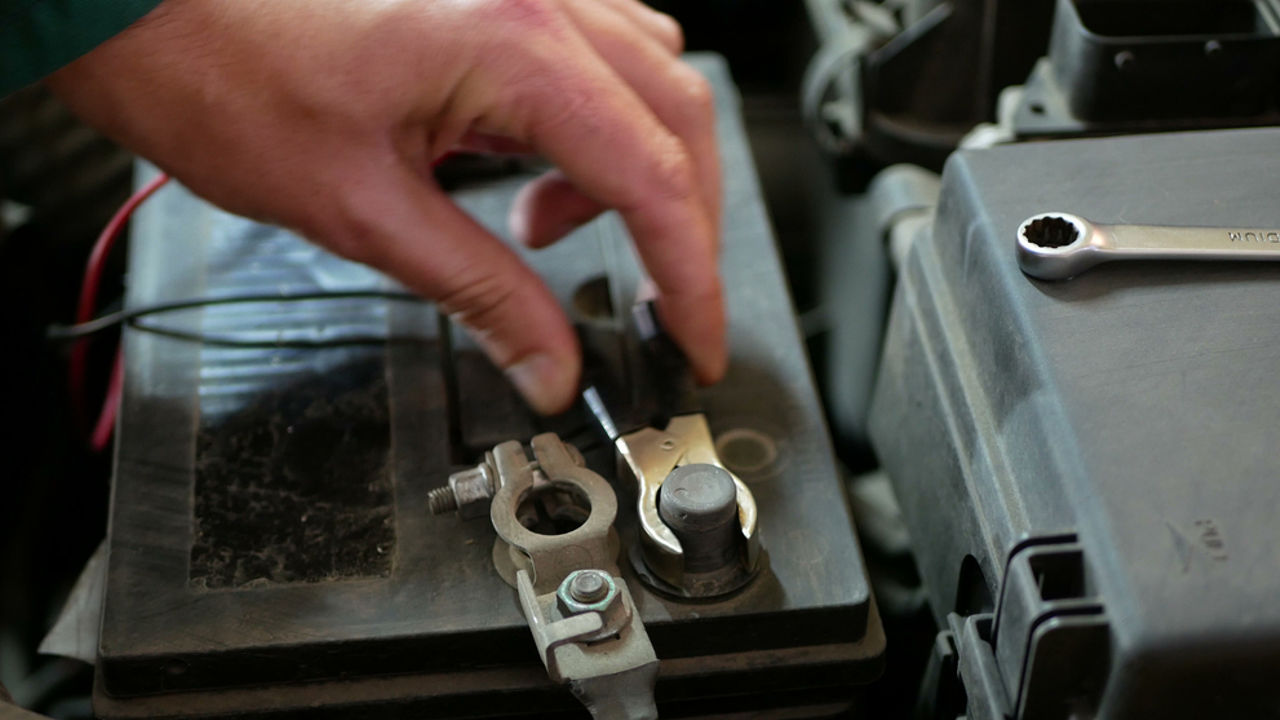
Corrosion and buildup on battery terminals can increase electrical resistance and cause starting or charging problems. Keeping the terminals clean and the connections tight can help prevent voltage drop and related issues.
First, turn the car off, then disconnect the negative terminal first, then disconnect the positive terminal, and then check for battery damage. If it’s not cracked or damaged, use a blend of baking soda and hot water, then use a toothbrush to scrub off any built-up corrosion and grime. Once that’s done, use a towel or compressed air to dry it off completely.
Make Sure It’s Secure

Your car battery must be properly secured so it won’t get knocked around while you’re driving. If it’s too loose, the vibrations could reduce the battery life and even damage it.
To make sure your battery is tightened into the tray, check the brackets and clamps that hold it in place. Tighten any loose connections you find.
Power Everything Down

Remember how we mentioned that starting up your car uses a lot of battery power? You can try to reduce the amount of power the startup uses to prolong your battery life.
The trick? Turn off the radio, A/C, and any other components using electricity before you shut off your car completely. This way, it will take less power when you turn your car back on.
Don’t Park in the Sun
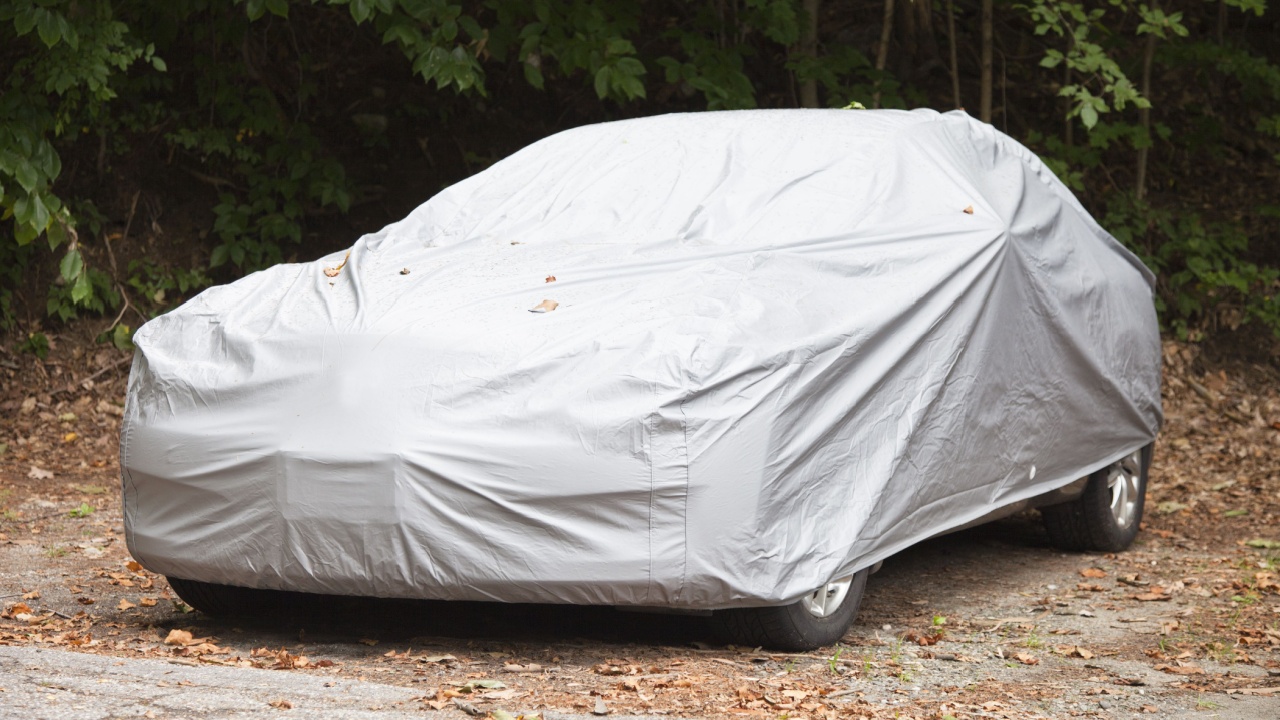
If you’re out and about for the day, try to park in the shade or bring a car cover with you. Parking in the sun for prolonged periods isn’t good for your car battery.
According to AAA, extreme heat can impact your battery’s internal chemical process, making it harder to hold a charge or produce enough power. Having your car exposed to the sun on hotter days can also cause the battery’s fluid to evaporate faster. Without enough fluid, the heat can damage battery components and lead to corrosion.
Regularly Test Your Battery
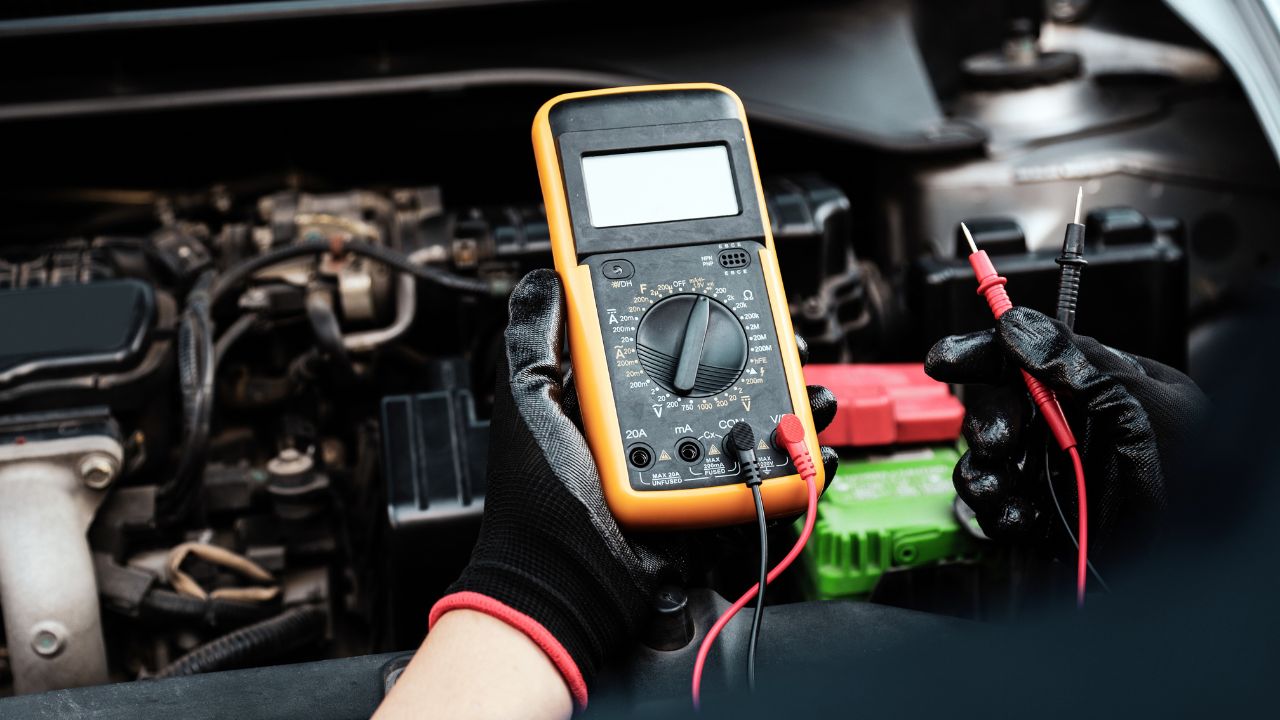
You can keep on top of your battery’s health by taking the time to check the resting voltage twice a year, with the car off and the battery allowed to sit for a bit after driving or charging. Around 12.6 volts at room temperature is typically considered fully charged for a 12-volt lead-acid battery. Around 12.4 volts usually indicates a partially charged battery, so recharging is a good idea, especially if it keeps reading low or you are seeing slow starts.
The best way to check this is with a multimeter. You’ll need to find the right style multimeter for your car’s battery, but it’s easy to get an accurate reading. Simply connect the red probe to the positive terminal and the black probe to the negative terminal, then watch the needle movement or digital readout.
Watch Fluid Levels
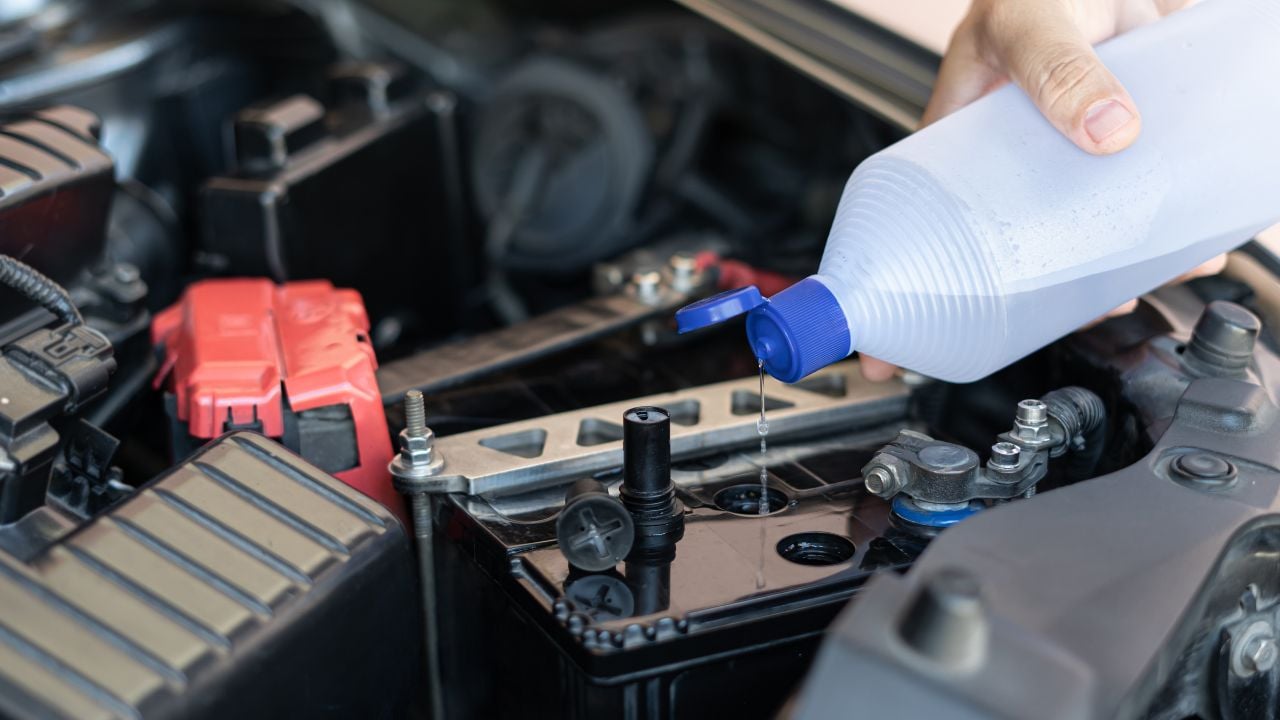
Most batteries don’t need this kind of maintenance in the modern age, but some older lead-acid batteries have removable caps that allow you to check water levels and add water if needed.
Some batteries have a small indicator window, often called a “magic eye,” that can give a rough indication of electrolyte condition in a single cell. It is not a reliable way to decide when to add water, and many modern batteries are sealed and not designed to be topped off. This can happen more frequently the more often you use your car. Only use distilled water to fill your charged battery; never use tap water.
Notice Signs Your Battery Needs Charging

It’s easier to keep your car battery healthy and charged if you learn the signs of a dying battery. This can help you spot if it’s not fully charged before it gets dangerously low or dies.
Here are some signs that mean your battery is in trouble:
- Dashboard warning: If you see the battery or charging system warning symbol light up on your dash, it often means the alternator is not supplying power to the electrical system, though the battery and wiring can also be involved
- Slower starts: If your engine seems to take longer to rev up or your car feels sluggish to start, your battery is probably showing signs of aging
- Fading lights: If your headlights seem dim, your battery may be losing its charge
- Damaged battery case: If the battery case seems puffy or expanded, this can be a sign of too much sun or heat. At this point, your car battery probably needs replacing
- Something stinks: If something smells off (very off), there may be a sulfuric acid leak. This can start to damage other components of your car if it’s not checked right away
Fully Charged!
Now that you know how to properly diagnose, clean, charge, and handle a battery, you can start making some changes that will keep your car battery alive longer.
A healthy car battery can help you avoid a lot of trouble, such as finding yourself stranded on the side of the road during a trip or after dark. Following the tips we outlined here should reduce the possibility of that happening.