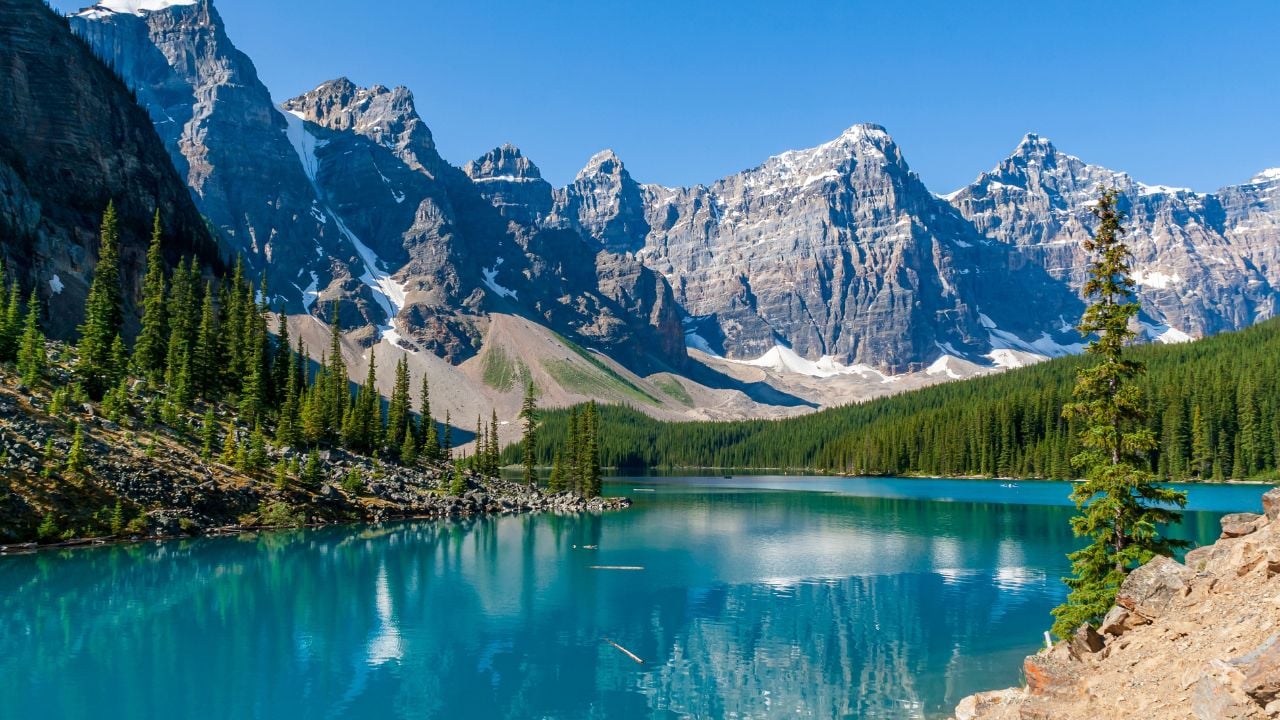
That comparison sounds a little cheeky at first, but it no longer feels random. Parks Canada says Banff National Park saw 4.28 million visits in 2023/24, the busiest year on record, while Yellowstone recorded 4,744,353 visits in 2024. Once two parks are operating at that scale, the conversation naturally shifts from pretty scenery to crowding, access, infrastructure, and how far ahead people now have to plan.
Still, Banff is not turning into Yellowstone in the literal sense. Yellowstone is the world’s first national park and contains about half the world’s active geysers, which gives it a very specific kind of planetary weirdness. Banff, by contrast, is Canada’s first national park and part of the Canadian Rocky Mountain Parks UNESCO World Heritage Site, famous for peaks, glaciers, lakes, and dramatic alpine scenery. The better answer is this: Banff is becoming Canada’s Yellowstone in cultural status and visitor pressure, not in geology.
1. The Comparison Suddenly Makes a Lot More Sense

A few years ago, the line might have sounded like clever travel copy. Now it feels much more grounded. Parks Canada says record visitation has already pushed management actions in the Lake Louise area, including shuttles, reservation services, paid parking, and transit campaigns. Yellowstone is dealing with its own version of the same pressure. The National Park Service says it is testing localized projects to reduce crowding, traffic congestion, and lack of parking at popular sites.
That is the first reason the analogy starts to work. Both parks have crossed into the realm of giant bucket-list destinations that now demand strategy, not just enthusiasm. You do not drift casually into either one in peak season anymore and expect everything to fall neatly into place. The scenery is still the scenery, but the visit increasingly depends on logistics in a way many first-timers do not expect.
2. Banff Is Starting To Play the Same Role in Canada That Yellowstone Plays in the U.S.

Yellowstone has long been the American shorthand for the big national-park dream. Banff is increasingly doing that north of the border. Parks Canada presents Banff as Canada’s first national park and the flagship of the country’s park system, while UNESCO describes the wider Canadian Rocky Mountain Parks as a landscape of peaks, glaciers, lakes, waterfalls, canyons, and caves that draws millions of visitors. That is more than a beautiful place. It is a national symbol with international pull.
There is also a strong emotional similarity between the two. Yellowstone gives travelers geysers, bison, and the feeling of standing inside a piece of American myth. Banff answers with turquoise lakes, jagged summits, and a wildlife story that still includes grizzly bears, wolves, and even wolverines. The details differ, but the role is strikingly close: both are the kind of parks people feel they should see at least once, then spend years trying to get back to.
3. But the Soul of Banff Is Very Different

This is where the comparison needs restraint. Yellowstone’s official identity is tied to hydrothermal and geologic spectacle, and the park says more than half the world’s active geysers are found there. Banff’s character is more alpine and glacial. Parks Canada sells it through Rocky Mountain peaks, glacial lakes, and wildlife, while UNESCO emphasizes classic glacial landforms, remnant valley glaciers, and dramatic mountain scenery. One feels primordial and volcanic. The other feels crisp, vertical, and almost impossibly polished.
Even Banff’s origin story points in a slightly different direction. Parks Canada says the 1883 discovery of the Cave and Basin thermal springs helped spark the chain of events that led to Banff’s creation, and it also notes that Indigenous Peoples had used the springs for thousands of years before that. So yes, Banff does have a faint Yellowstone echo in its hot-springs history. But nobody goes to Banff expecting Old Faithful energy. They go for glacier-fed lakes, mountain air, and those giant postcard views that make every bend in the road feel cinematic.
4. The Biggest Yellowstone-Like Shift Is in How You Have To Visit
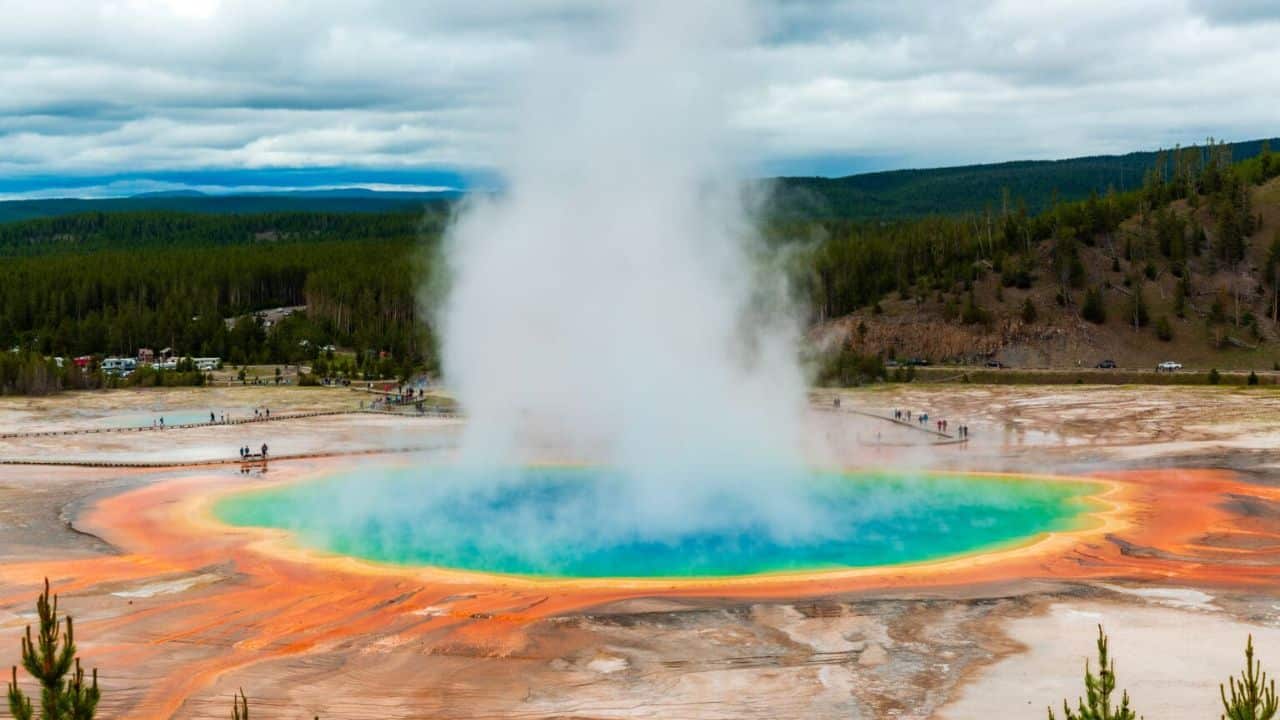
If there is one place where Banff really is starting to feel Yellowstone-like, it is trip planning. Parks Canada says the shuttle is the best way to visit Lake Louise and Moraine Lake, reservations are required in advance, and visitors without a shuttle or transit reservation should consider another date because parking at the Lake Louise Lakeshore is unlikely. Its parking guidance also says Moraine Lake is closed to personal vehicles year-round and that parking in the Lake Louise area is limited. That is not the language of a casual roadside stop. That is the language of a destination managing serious pressure.
In other words, Banff is no longer just a place you admire. It is a place you strategize. The famous views are still there, and in some ways that makes the planning burden feel worth it, but the easy spontaneity people imagine is fading on the busiest routes. That is very close to the modern Yellowstone experience, where popularity itself becomes part of the story.
5. My Verdict: Yes in Status, No in Personality
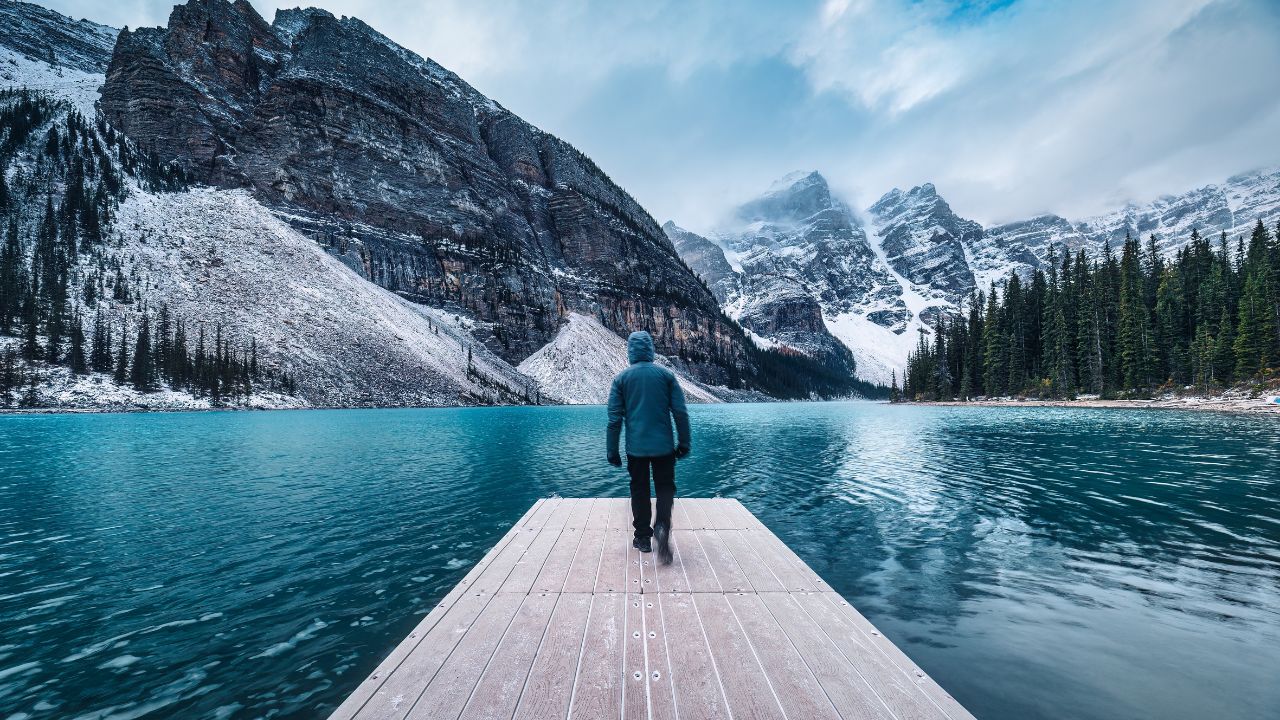
So, is Banff becoming Canada’s Yellowstone? In the travel sense, yes. It has the scale, the fame, the wildlife, the historic importance, and now the visitor-management headaches that come with being a park everyone wants to see. Record-setting visitation and the shift toward shuttles, parking controls, and more structured access make that case pretty convincingly.
But the personality match stops there, and that is a good thing. Yellowstone is a geothermal powerhouse that feels rugged, strange, and almost prehistoric. Banff is a high-alpine showstopper that feels sharper, prettier, and more classically romantic. The cleanest answer is also the most accurate one: Banff is becoming Canada’s Yellowstone in fame and pressure while staying unmistakably Banff in mood.