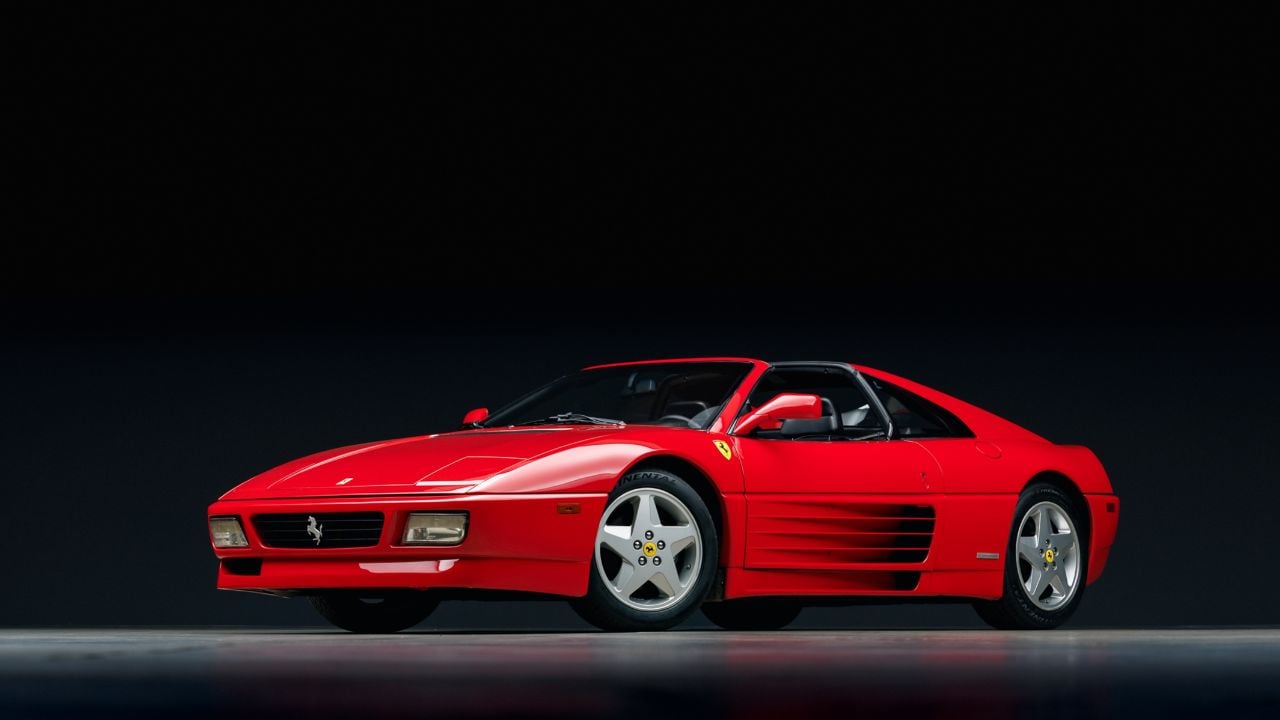
Italian carmakers have built some of the best-looking, most ferocious sports cars on the planet. However, they’re not immune to making mistakes, and even some of the most famous Italian cars weren’t as good as we like to think.
Scouring reviews, owners’ forums, and other reliable sources, we’ve listed 13 Italian sports cars that are best avoided, whether it’s due to shoddy build quality, a lack of power, poor design, horrendous handling, or sometimes all of the above.
Lamborghini Countach

Yes, we’re very well aware that the Countach is one of the most iconic cars ever made. Hagerty notes the Countach’s infamous drawbacks, awkward driving position, heavy controls, and compromised visibility, even if it remains wildly charismatic. Thanks to the excellent V12 engines that powered it, not to mention the striking design penned by Gandini, it became the poster car of the 1980s.
The thing is, the Countach always suffered from terrifying handling, a horrible driving position, and terrible visibility. Like most Italian cars of that era, it also had bad electronics, and some examples are known for cooling challenges, especially in slow traffic or hot conditions. Still, despite all its flaws, the Countach is super-desirable.
Ferrari Testarossa

Ferrari unveiled its brand-new Testarossa flagship model in 1984, and soon after, it adorned teenagers’ rooms in poster form. However, like the Lambo Countach, the Testarossa could never live up to the hype.
It was too heavy and wide, which negatively affected its drivability. The Testarossa’s build quality also left a lot to be desired, and maintenance costs were excessive. By the end of the decade, it even looked outdated because of its typical 1980s styling with side strakes.
Cizeta Moroder V16T

We don’t even need to squint to see the resemblance between the Cizeta Moroder and the Lambo Diablo. There’s a perfectly good reason for that, The Cizeta is based on Gandini’s original Diablo design. Unfortunately, it could outshine the Lambo; instead, it’s mostly forgotten.
As its name suggests, the Moroder V16T has a V16 engine. Its V16 was based on the Lamborghini Urraco V8 architecture, sharing a number of parts (including heads), arranged as a transverse V16 with 64 valves and eight camshafts, resulting in 64 valves and 8 camshafts, but all that complex engineering didn’t result in better performance than the V12-powered Lambo.
De Tomaso Mangusta
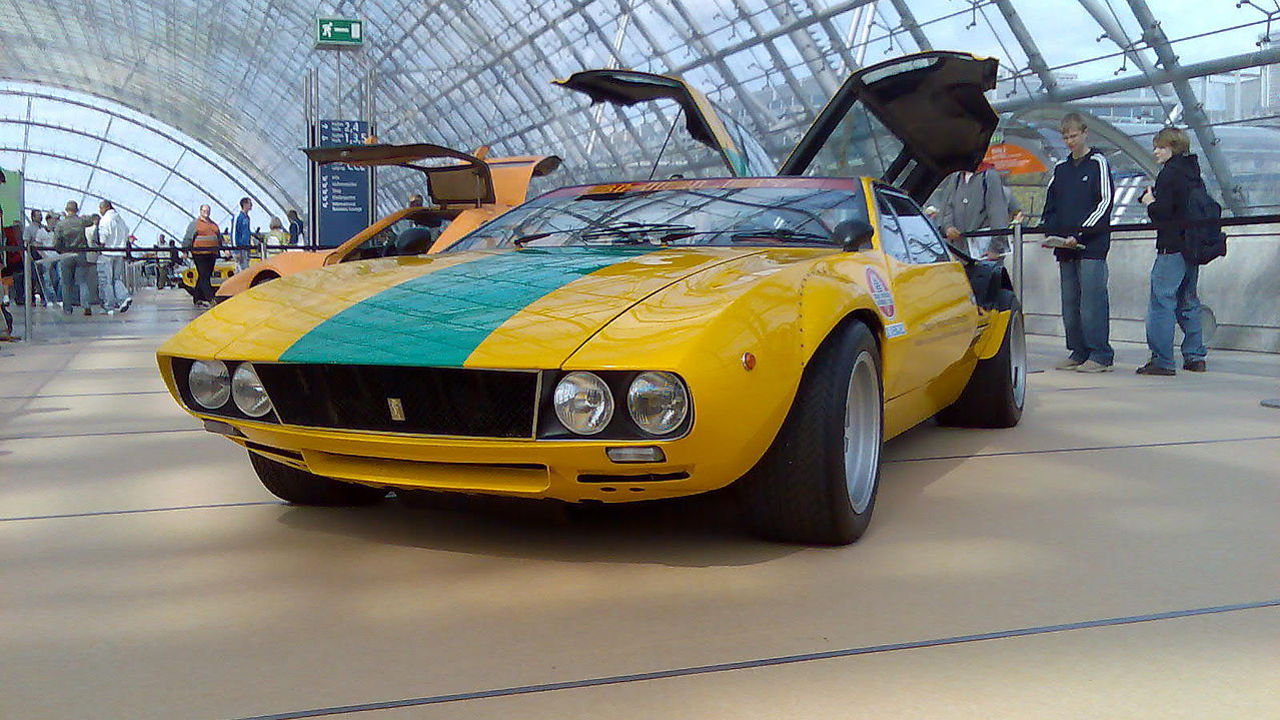
There’s no denying that the De Tomaso Mangusta looks absolutely stunning, and thanks to its Ford V8 power, which ranged from about 230 hp (U.S. 302) to roughly 300–306 hp in higher-output versions, it delivers a serious punch. So what’s the problem?
Unfortunately, the Mangusta suffered from serious flaws that could potentially be lethal. The biggest complaint from owners and car journalists of the time was its handling. MotorTrend reports that it had a 32/68 weight distribution and required a skilled driver to keep things under control. The publication went on to say, “In some period magazine performance tests, the results showed the Mangusta to be a cornering nightmare at speed.”
Ferrari Mondial
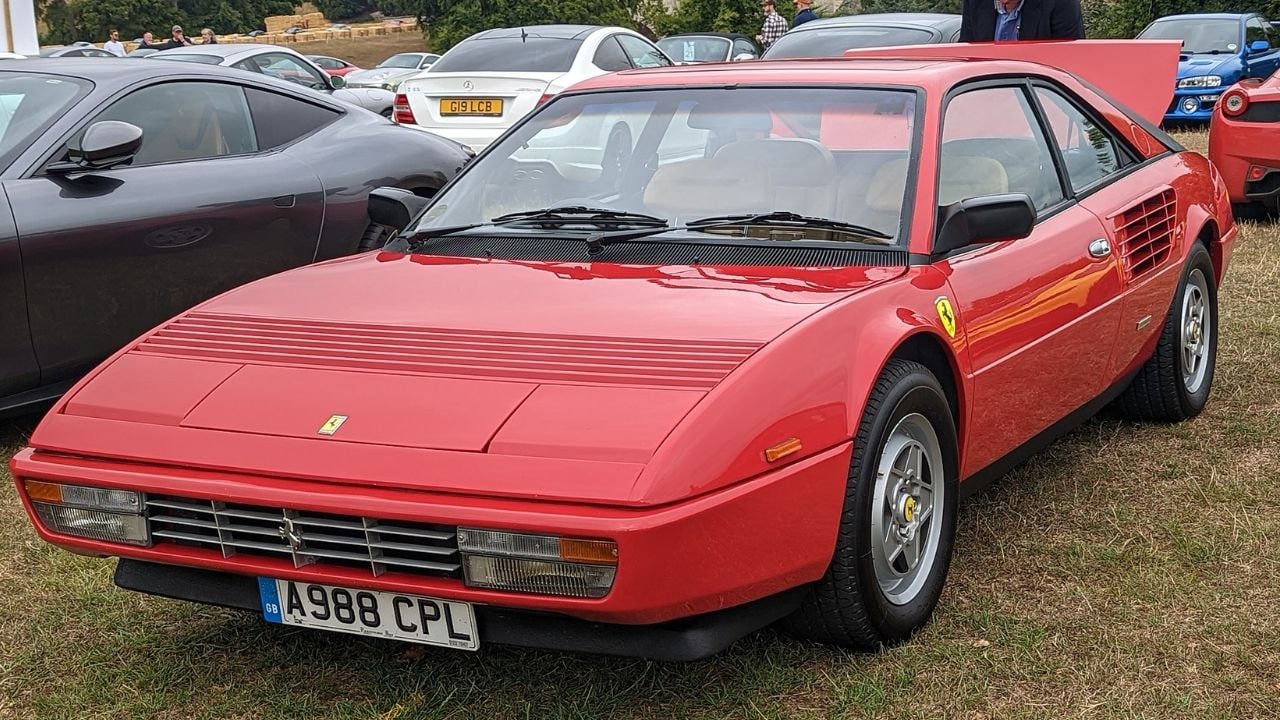
The Mondial wasn’t Ferrari’s first attempt at making a 2+2 mid-engined sports car. The Prancing Horse had already done that with the Dino 308 GT4. Like its predecessor, the Mondial wasn’t a huge success, partly thanks to its love-it-or-hate-it design. Let’s just say most people didn’t love it.
It was also overweight and underpowered, and early cars were known for electrical/electronic reliability issues, which were easily detected by the smell of burning wires. Unless you enjoy self-flagellation, the Mondial is a sports car that’s best avoided.
Lamborghini Egoista

We’re not even sure where to start with the Lamborghini Egoista. Its design is so over-the-top that it looks like something Hot Wheels would make. It looks like something pulled straight out of a video game, except this one is real, except this one is real and not just a digital concept.
The good part is that you’ll never see one on the road, as Lamborghini only ever built one. Even if they did put it into production, most buyers would probably never drive it, as it’s too cumbersome to enter and exit the single-seater cockpit.
Lancia Stratos

The Stratos may be a rally legend, but it’s absolutely horrid to drive on the road. On the gravel roads of the WRC, the Stratos dominated thanks to its 190-hp Ferrari Dino V6 in Stradale (road) form and short wheelbase. Still, it was a handful to keep on the track.
The same factors that made it an excellent rally car were also its downfall on the road. It earned a reputation for snap-oversteer at high speed, and the offset steering wheel and pedal layout didn’t help make it comfortable to drive, either.
Maserati Merak 2000 GT
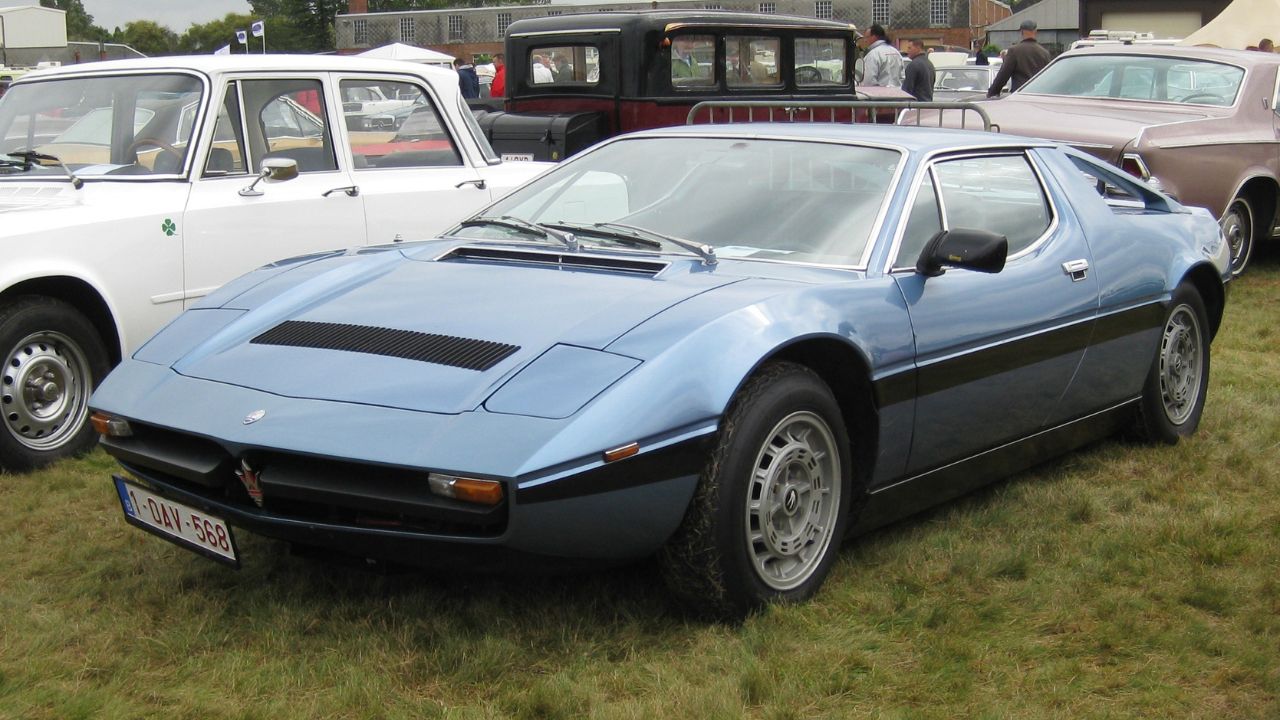
Maserati built the Merak 2000 GT to be a practical, entry-level supercar. It used a mid-engined 2+2 layout, although the rear seats were only accessible to small children, dogs, and contortionists.
The 2.0-liter V6-powered version was introduced to avoid the Italian tax that penalized engines larger than 2,000 cc. With just 168 horsepower, the heavy Merak was slower than the models from Ferrari and Lamborghini. In fact, it would even struggle to keep up with a lightweight hot hatch from the 1980s.
Maserati GranTurismo
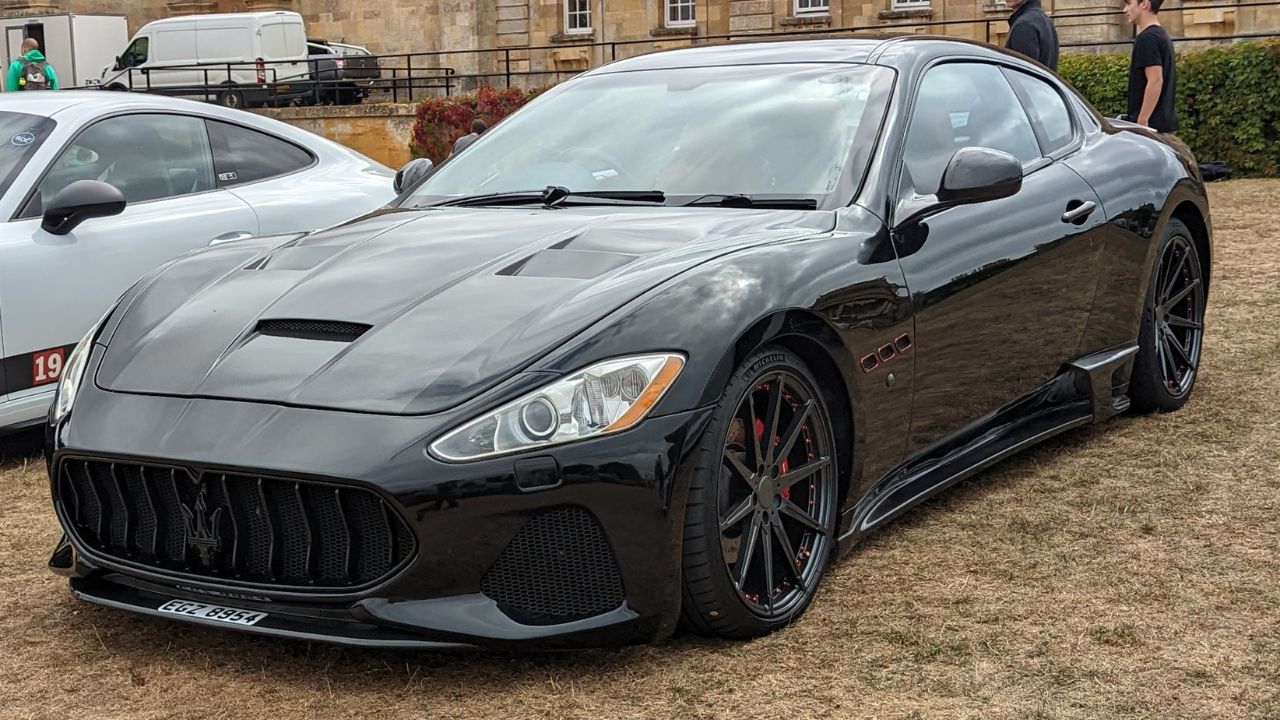
Honestly, we could’ve just put all the Maserati model names in a hat and picked one at random. Decades ago, mentioning the brand would evoke naughty automotive dreams. These days, the Maserati name only conjures nightmares of ridiculous maintenance bills and depreciation.
Think of any stereotypical problem Italian cars are known for, and chances are it’ll apply to the Maserati GranTurismo. That said, if you ever get the opportunity to drive one, you’ll be overcome with an instant desire to buy it once you fire up the engine. Don’t say we didn’t warn you.
Covini C6W
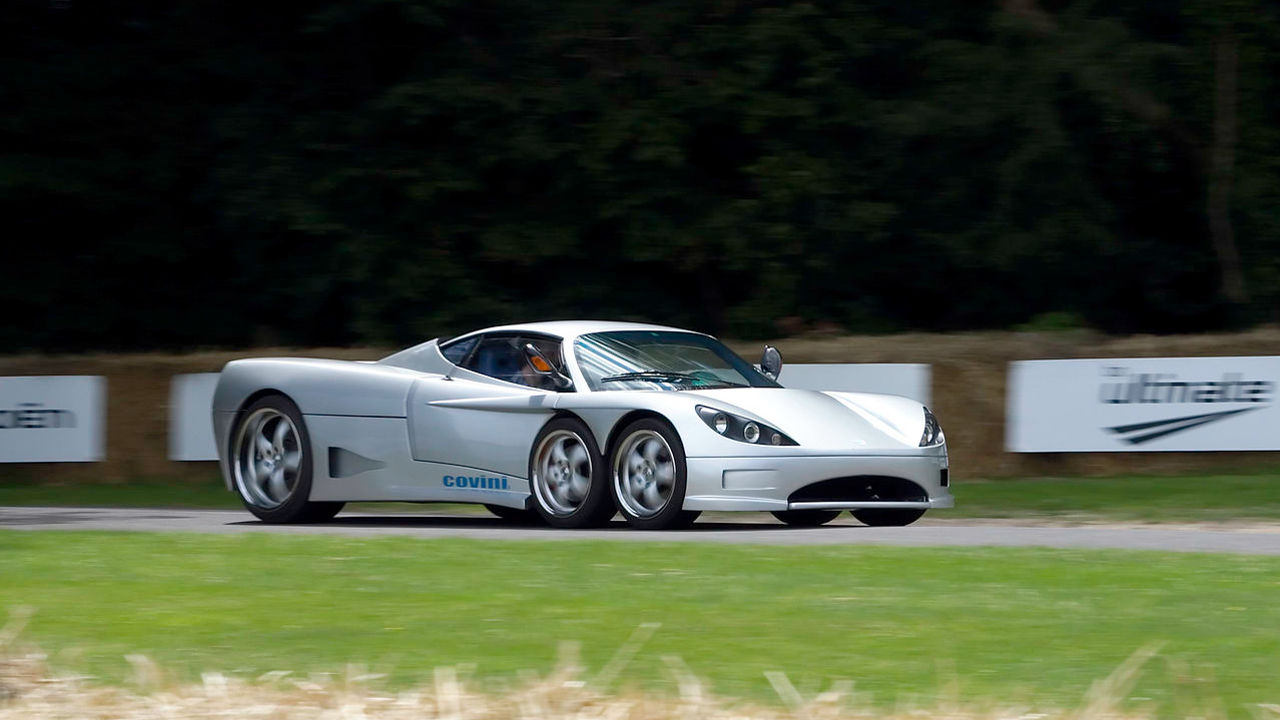
Covini, clearly inspired by the six-wheeled 1976 Tyrrell P34 Formula 1 race car, was convinced more wheels translated into added safety. It soon turned out other factors had a bigger impact on safety than adding an extra pair of front wheels.
Complex engineering aside, at least Covini played it safe when it chose the 4.2-liter Audi V8 engine. According to Motor1, it’s commonly listed at 440 PS (about 434 hp), and it’s good for a top speed of 186 mph.
Lamborghini Urraco P200
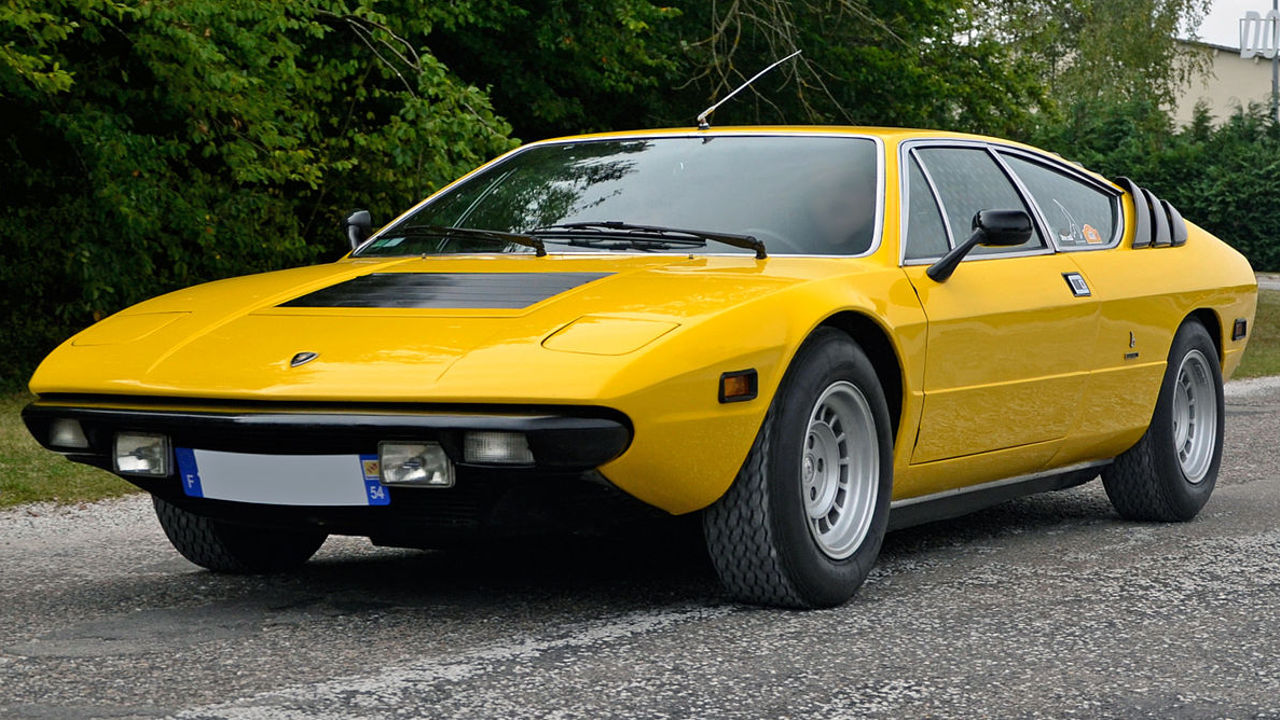
Like the Maserati Merak, the Lamborghini Urraco P200 was a 2+2 entry-level supercar. To avoid Italian taxes, it also had a 2.0-liter V8 engine that produced about 182 horsepower, so it was never as fast as it looked.
One could argue that the Urraco P200 wasn’t intended to be a real performance car; it was just supposed to drive sales and recruit new customers. While that may have helped keep the company in business, it’s still a poor long-term strategy, as it erodes the foundation of the brand.
Ferrari 348
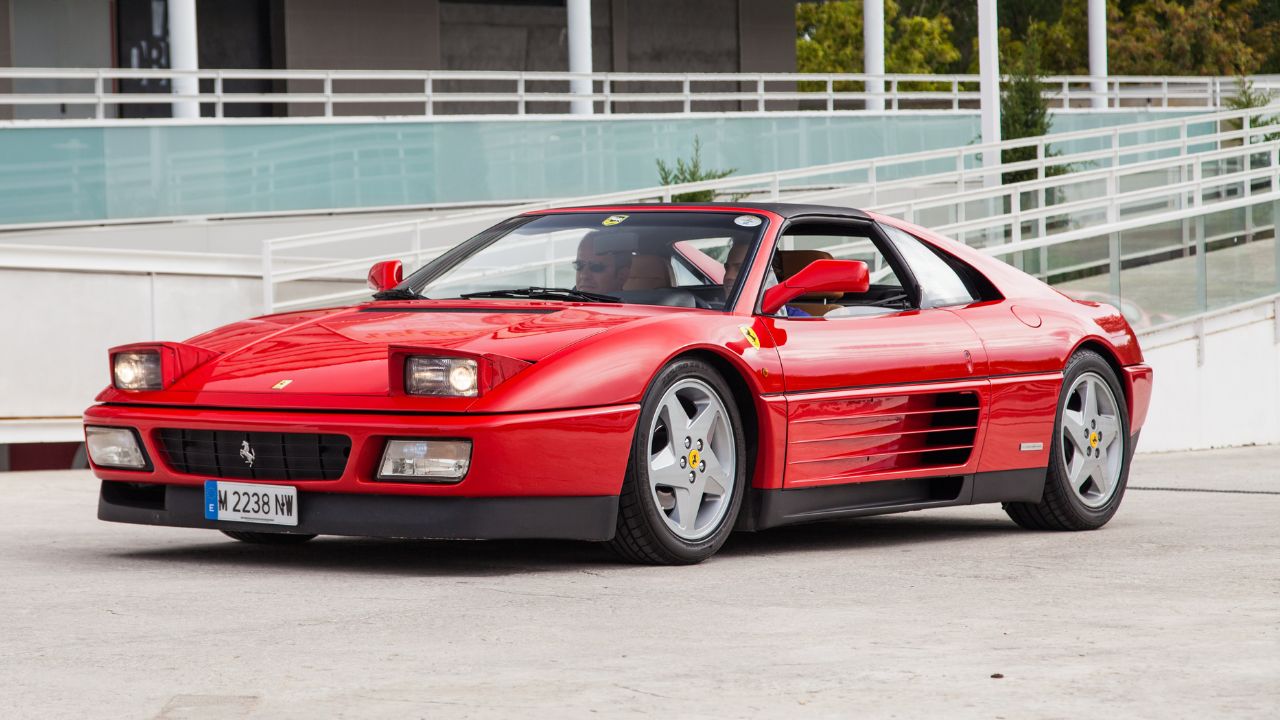
In all honesty, if you compare the Ferrari 348 to its predecessors, it wasn’t as bad as we’ve been led to believe. It’s just that all its flaws were highlighted when compared to the vastly superior Honda/Acura NSX.
The 348 also had the typical 1980s side strakes, similar to those of its larger Testarossa sibling, and as soon as the 1990s arrived, those were outdated. Thankfully, when the 348 was discontinued, Ferrari returned with the excellent F355, and while it wasn’t perfect, it’s still very desirable today.
(Ferrari) Dino 208 GT4
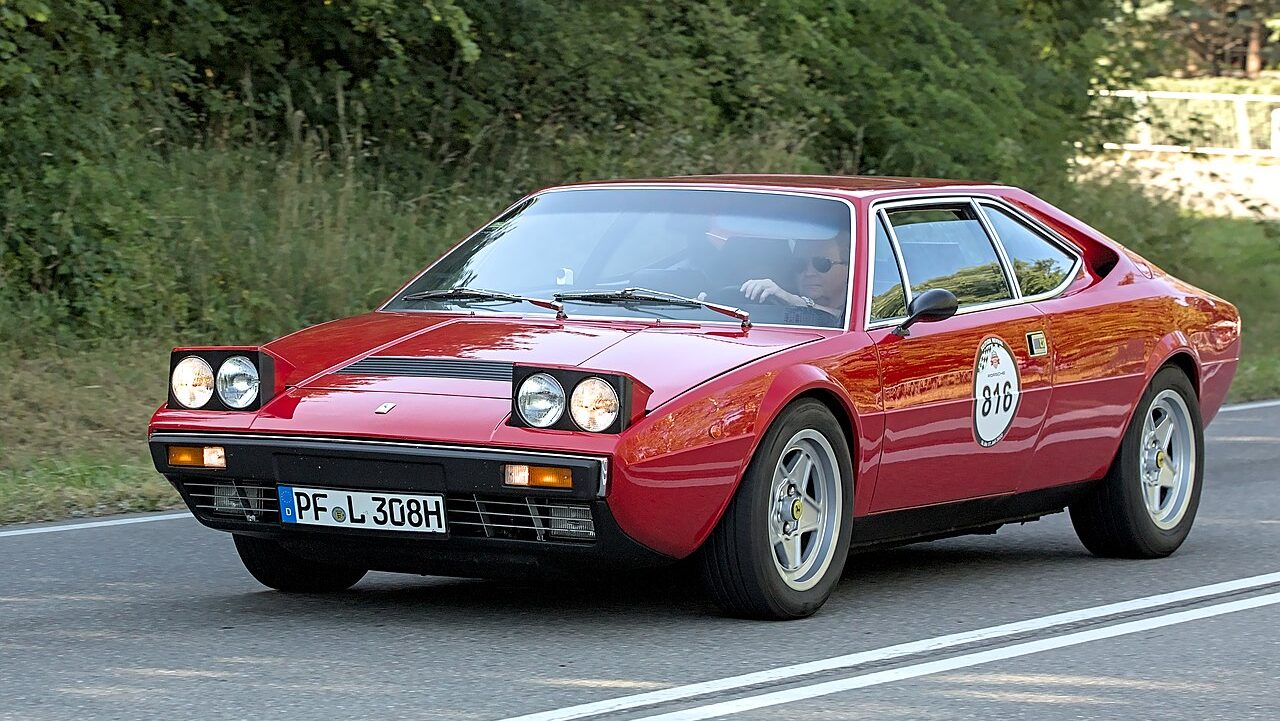
The original Dino 246 GT was a curvaceous beauty. It didn’t wear a Ferrari badge but still became an icon in its own right. Its successor had much to live up to and failed in pretty much every way. The most basic Dino 208 was particularly bad.
Early cars were sold under the Dino name, but in May 1976, the Dino-badged cars switched to Ferrari badging. This was the first production Ferrari designed by Marcello Gandini at Bertone, rather than Pininfarina, and it’s not getting a lot of love among enthusiasts. Behind the rear seats, there’s an underpowered 2.0-liter V8 mill that makes 125 kW (170 hp), making the Dino 208 more of a grocery-getter than an actual sports car.