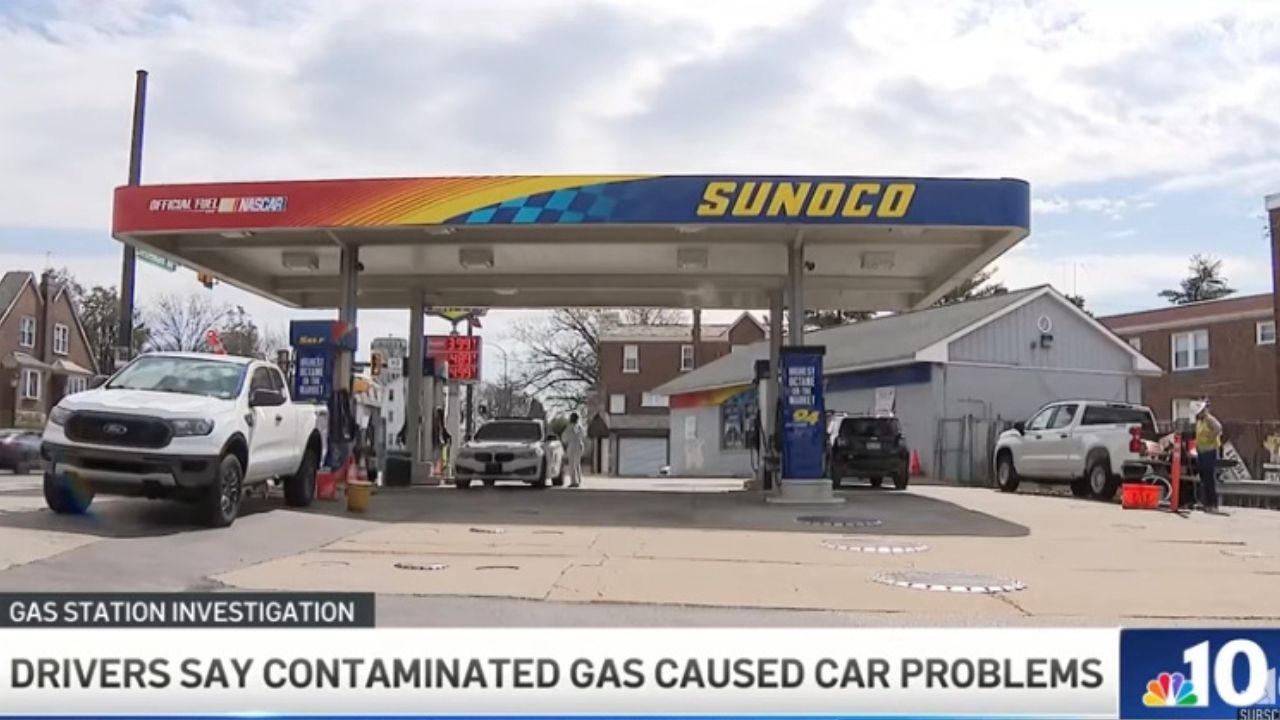

A troubling incident at a neighborhood gas station has raised fresh concerns about fuel quality and consumer protection, after multiple drivers reported sudden vehicle failures shortly after refueling.
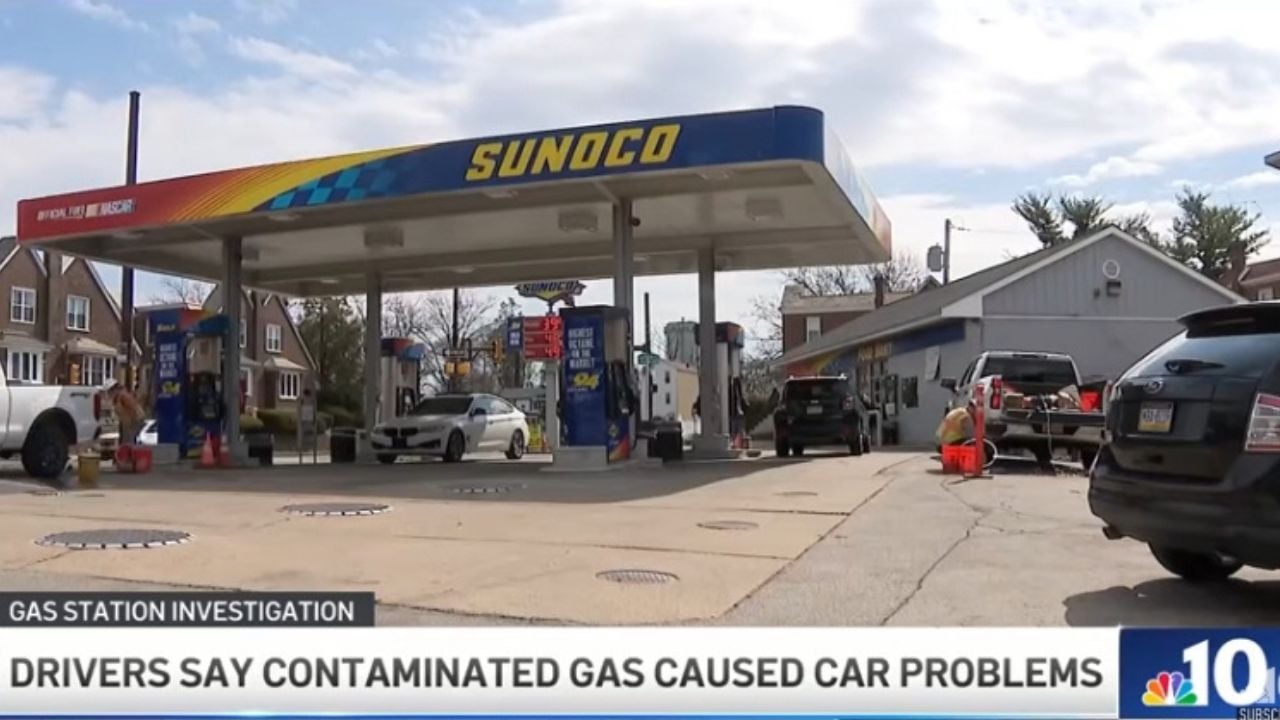
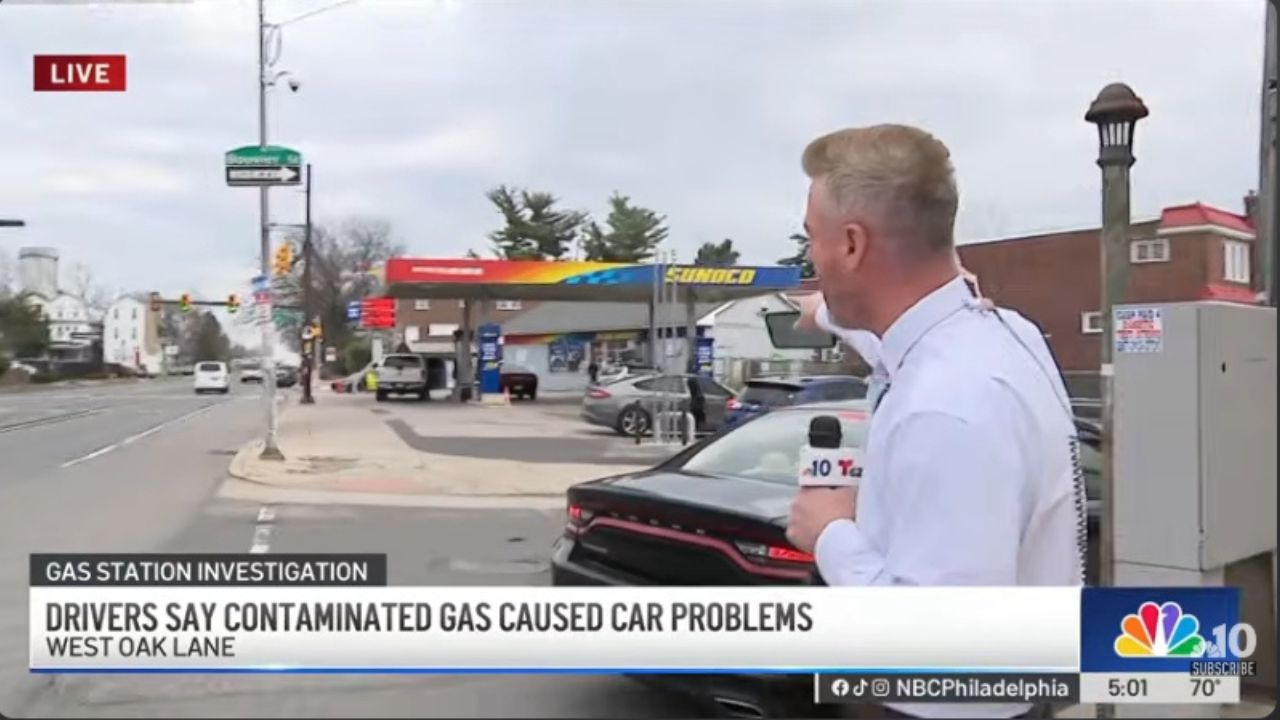
The cases appear to center on a Sunoco station located along West Cheltenham Avenue, where several motorists say their cars stalled within minutes of leaving the pump.
What initially seemed like isolated mechanical issues has now taken on the shape of a broader pattern, with mechanics and auto shops pointing to a more alarming root cause: contaminated fuel.
A Costly Breakdown: Eduardo Ramirez’s Story
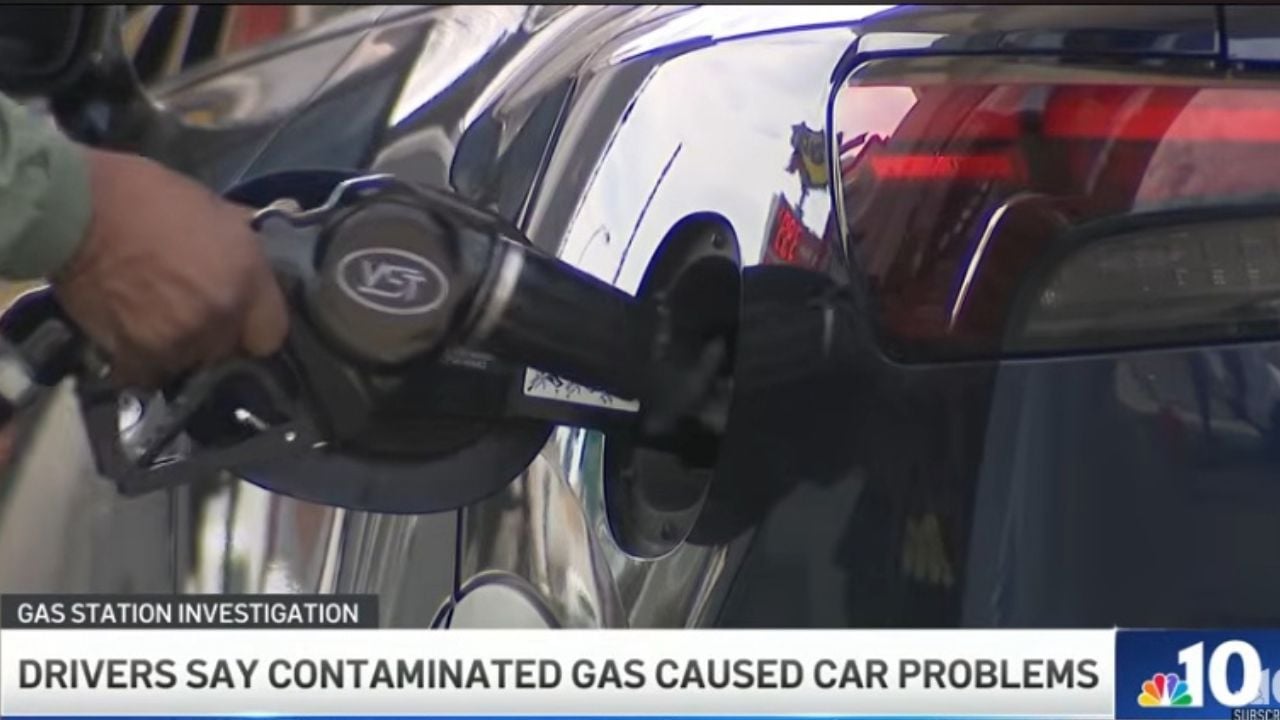
One of the most striking accounts comes from Eduardo Ramirez, a car owner who described his vehicle as both a personal milestone and a prized possession. According to Ramirez, his car showed no prior signs of trouble. That changed abruptly after a routine stop for gas. Within a short drive, his vehicle shut down completely, leaving him stranded and facing an unexpected financial burden.
The aftermath proved costly. Ramirez says repairs totaled around $2,200, a significant expense that has disrupted his financial plans, including saving toward a home purchase. More concerning, however, was what mechanics discovered during their inspection.
Rather than a typical mechanical fault, technicians identified an unusual mixture inside the fuel tank. The substance reportedly contained gasoline blended with oil and water, a combination that can severely damage an engine and compromise performance almost instantly.
Ramirez is not alone. Another auto shop in the area reported handling at least three similar cases, all linked to vehicles that had recently refueled at the same station. In each instance, water was found in the fuel tanks, a clear indication of contamination. Such findings suggest that the issue may not stem from individual vehicles but from the fuel supply itself.
How Fuel Contamination Happens
Fuel contamination can occur through several channels. Water infiltration is one of the most common, often resulting from compromised underground storage tanks, condensation buildup, or poor maintenance practices. When water mixes with gasoline, it disrupts combustion and can lead to engine stalling, corrosion, and long-term damage.
The presence of oil further complicates the situation, potentially indicating cross-contamination or a more serious breach in storage or handling systems.
When approached for comment, a representative at the station acknowledged that multiple customers had lodged complaints. The individual stated that the matter is being taken seriously and is currently under investigation. However, no definitive explanation has yet been provided, leaving affected drivers in a state of uncertainty.
Efforts to seek clarity from Sunoco have so far yielded no public response. Meanwhile, the Pennsylvania Department of Agriculture, which oversees fuel quality standards in the state, indicated that it has not yet received formal complaints specifically tied to this location. This gap between reported incidents and official records raises questions about reporting mechanisms and whether all affected customers are coming forward.
A National Pattern of Contaminated Fuel
For consumers, the situation highlights a rarely considered risk in everyday driving. Fuel quality is generally assumed to be reliable, but incidents like this underscore the importance of oversight and accountability in the supply chain. Even a single compromised station can impact multiple drivers within a short period, amplifying both financial and safety concerns.
There have been several recent contaminated fuel incidents in the U.S., including a major case in Colorado in January 2026 where diesel was mistakenly mixed into unleaded gasoline at 46 gas stations across Aurora, Breckenridge, Firestone, Colorado Springs, and other cities, leading to more than 600 consumer complaints and widespread vehicle damage.
In 2019, contaminated fuel at Circle K stations in Jacksonville, Florida, led to dozens of breakdowns. Roughly two years prior in Texas, water intrusion into underground storage tanks caused widespread complaints in Houston.
These incidents matter because repairs of affected cars often run into thousands of dollars, similar to Eduardo Ramirez’s $2,200 bill in Philadelphia. That’s not to talk of the risk of accidents from a sudden stall on highways. Regulators typically require suppliers to compensate affected drivers, but claims can be slow and contested.
What This Means for Consumers Moving Forward
That said, the Philadelphia Sunoco case fits a troubling national pattern: fuel contamination is rarely isolated. Whether caused by misblending, water intrusion, or poor storage, such incidents highlight vulnerabilities in the fuel supply chain. Stronger oversight, routine testing, and rapid compensation mechanisms are critical to protect consumers.
As the investigation continues, those affected are left navigating repair costs and seeking compensation. For Ramirez, the experience has been more than just a mechanical setback. It represents yet another obstacle in an already challenging economic landscape. His hope, shared by others, is that responsibility will be acknowledged and restitution provided.